Rock edicts of Emperor Ashoka

Emperor Ashoka’s Legacy: Edicts of Compassion & Governance

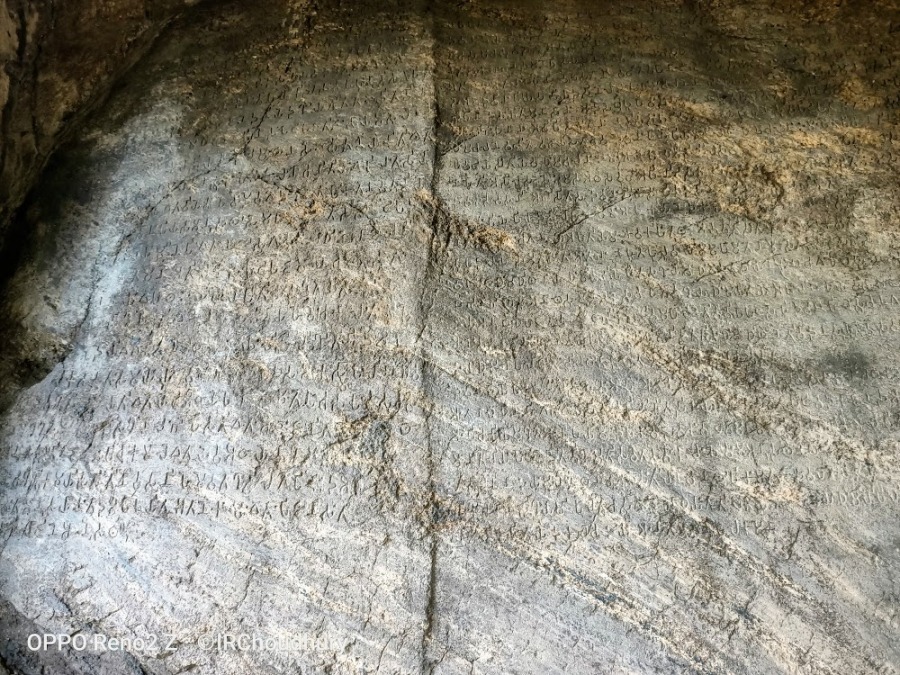
India's rich history and vibrant culture are encapsulated in the legacy of Emperor Ashoka, particularly through the Rock Edicts found near the Dhauli Stupa in Odisha. These inscriptions, written in ancient scripts, highlight Ashoka's transformative journey from a conqueror to a proponent of peace and compassion, advocating for religious tolerance and ethical governance. His teachings remain relevant today, offering timeless lessons of empathy and understanding against modern conflicts.
Echoes in Stone: A Journey to the Isko Caves of Jharkhand

The Isko Caves in Jharkhand, India, are a significant archeological site and a testament to the country's prehistoric art and culture. Situated in a forest, the caves contain rock paintings from the Meso-Chalcolithic period (9000-5000 BCE). Local tribes, upholding the tradition of rock painting, connect the present day to the past via rituals performed at these caves. These caves, discovered in 1991, require proper maintenance and protection to conserve this important heritage site.

A Spiritual Journey at Mukteshvara Temple, Odisha

Odisha, an Eastern state of India, is a land of breathtaking landscapes and magnificent temples. A recent spiritual journey led to the iconic Sun Temple at Konark, revered Jagannath Temple at Puri, and ancient Mukteshvara Mandir in Bhubaneswar. The Mukteshvara Temple, a regal sandstone monument, reflects architectural brilliance. It is a symbol of spiritual and cultural fusion and hosts the vibrant Mukteshwara Utsav, making it a must-visit destination in Bhubaneswar.

Exploring Udayagiri & Khandagiri Caves: A Journey Through Ancient India

The Udayagiri Khandagiri Caves of Odisha, dating to the 2nd century BC, are a complex of 33 caves carved from sandstone hills by Jain monks. Known for intricate carvings, these caves were historical dwelling places, meditation chambers, and religious centers. The premises bear an entry charge, housing several remarkable features like inscriptions, rock-cut sculptures, and Jain structures. They offer a deep dive into an ancient era, with the caves' creations reminiscent of famous structures like Ajanta and Ellora.

Ajanta Caves: Masterpieces of Ancient Indian Art

During a pilgrimage to Shirdi with my mother, we took a detour to the Ajanta Caves, rather than Ellora, due to the rains. The stunning rock-cut caves, dating back to the second century BCE, showcased viharas, stupas, and prayer halls with exquisite paintings and sculptures. These ancient marvels, depicting Buddhist traditions and narratives, offered a glimpse into the rich cultural legacy of ancient India, reflecting exquisite craftsmanship and vibrant artistry.

The Creation Myths of the Kolarian Tribes: Echoes of Origins from Eastern India

In eastern India, Indigenous Kolarian tribes, particularly the Santhals and Mundas, retain rich cosmogonical myths that reflect their connections to nature and creation. These narratives emphasize resilience and community, highlighting a continuum of existence through rituals, festivals, and oral traditions, preserving their cultural heritage in a modern world.

Sohrai: A Tribal Festival of Gratitude, Art, & Harmony in Jharkhand

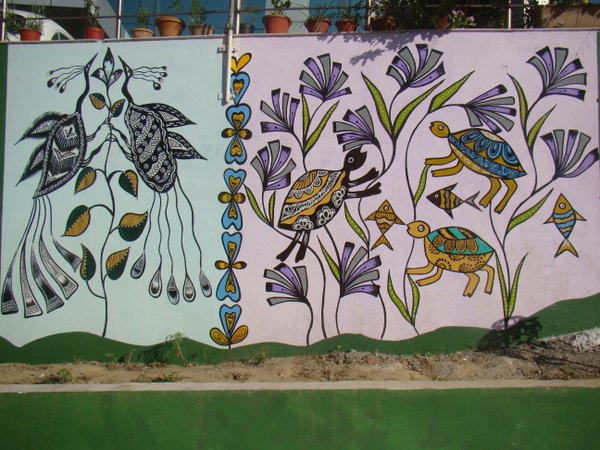
Sohrai, a prominent festival in Jharkhand, transcends a mere harvest celebration for tribal communities, embodying gratitude to nature, cattle, and ancestors, while strengthening cultural ties. It begins with rituals led by the village priest, followed by vibrant celebrations showcasing Sohrai paintings, depicting life and nature. Key elements include music, dance, and community bonding, emphasizing interconnectedness. Recent initiatives preserve this heritage, ensuring recognition for artists and highlighting a tradition that harmonizes with the environment.

Sun Temple Konark: A Marvelous Testament to Ancient Indian Architecture

The Sun Temple Konark in Odisha, India, is a 13th-century architectural masterpiece dedicated to the Hindu Sun God, Surya. Known as the Black Pagoda, the temple is notable for its chariot-like design, intricate carvings, and historical significance. Despite some decay and vandalism over time, the temple remains a captivating UNESCO World Heritage Site and a testament to ancient Indian craftsmanship and culture.