Silent Sentinels of Semaphore: Forgotten Towers of East India

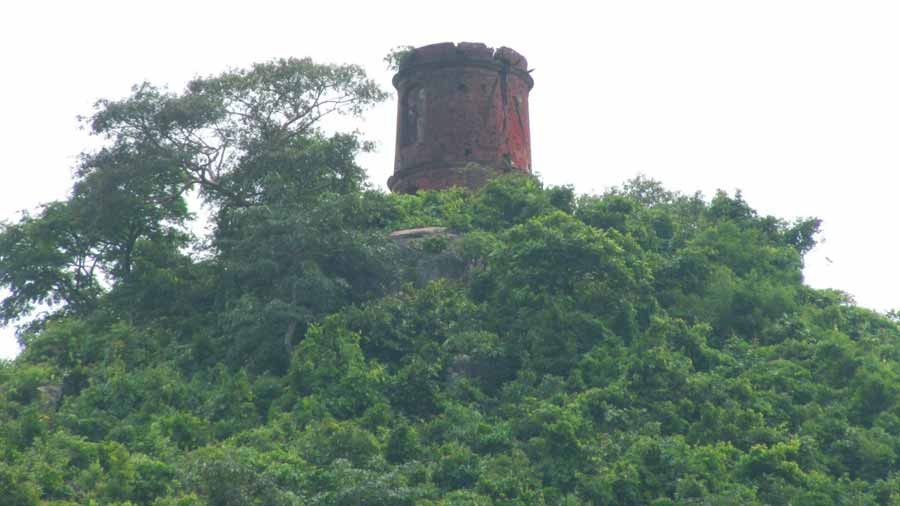
Long before telegraph wires crisscrossed India, messages once leapt across the sky — tower to tower — through an ingenious system of wooden arms and coded light. Scattered across Bengal, Bihar, and Jharkhand, the forgotten semaphore towers tell a fascinating story of early communication, colonial ingenuity, and human ambition to bridge distance through vision and precision.
Mushussu: The Serpent-Dragon of Babylon

Four years ago, in the National Museum of Iraq, I encountered the mythic creature Mushussu, a hybrid of serpent, lion, and eagle in Mesopotamian mythology. Its name, stemming from Akkadian, connects to divine power and protection associated with Marduk, Babylon's chief god. Mushussu embodied attributes of vitality and guardianship, prominently featured on the Ishtar Gate. Today, its legacy persists in museums and digital platforms, bridging ancient mythology with modern cultural imagination.

The Golden Lyre of Ur: Echoes of a Forgotten Civilization

The Golden Lyre of Ur, discovered in the 1920s by British archaeologist Leonard Woolley, represents the rich musical heritage of ancient Mesopotamian society. The lyre is a gold and wood instrument, with 11 strings, adorned with carved mythical creatures. Found in the Royal Cemetery of Ur, it is one of the oldest stringed instruments ever uncovered and was likely used in significant ceremonies and rituals, including burials. Its intricate design features suggest the substantial role of music in Mesopotamian society, as well as its religious and spiritual significance.

Exploring the Laws of Eshnunna: Ancient Legal Insights

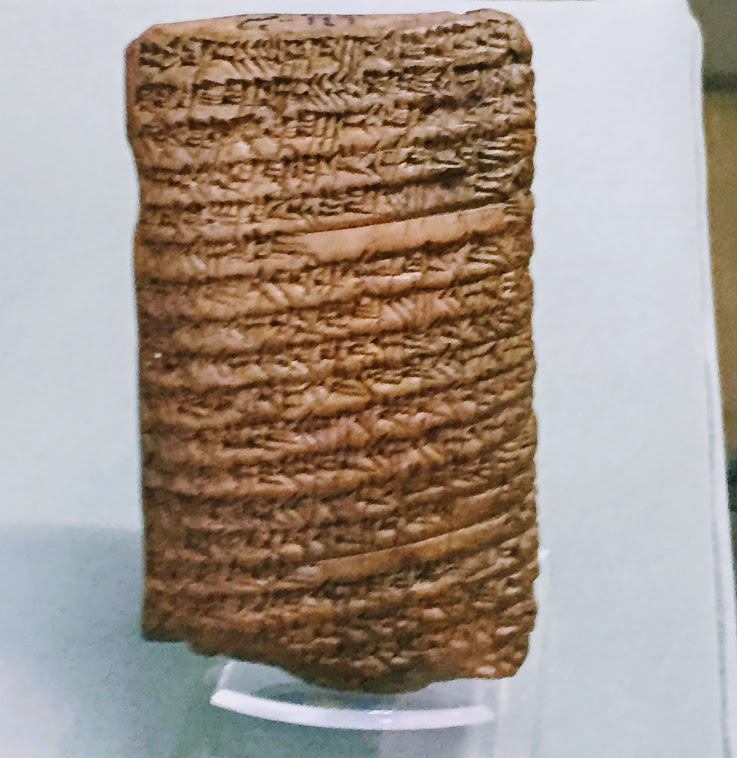
The Laws of Eshnunna, dating back to the 18th century BCE, predate even the famed Hammurabi's Code, offering insights into an early civilization. Comprising 60 articles, they outline a structured society and depart from the punitive severity of later legal codes, opting for fines and compensations. They offer a glimpse into ancient Mesopotamian life and the perpetual struggle for justice.

Mundeshwari Temple: India’s Oldest Functional Hindu Temple

The journey along National Highway No. NH 19 toward Prayagraj turned profound when a visit to the Mundeshwari Temple became a spontaneous detour. Recognized as the world’s oldest functional Hindu temple, this site embodies rich history and unique architecture. The temple, dedicated to Shiva and Shakti, serves as a cultural and spiritual hub. The visit offered insights into India's heritage, leaving a lasting awe-filled impression.

A Journey Through Time: Uncovering the Soul of Chandraketugarh

Chandraketugarh, an ancient archaeological site in West Bengal, was once a bustling trade hub dating back to the 3rd century BCE. Named after King Chandraketu, the city flourished till the 12th century CE. Boasting artifacts and structures from various civilizations, it showcases a blend of indigenous Indian culture and influences from Greece, Persia, and Southeast Asia. Chandraketugarh, also possibly the ancient capital of Vanga and the kingdom of Gangaridai, remains a mystery due to inadequate research and awareness. The West Bengal state government established a museum in 2017 to protect its artifacts.

Ziggurats: Bridging Heaven & Earth in Ancient Mesopotamia

The Great Ziggurat of Ur, located in present-day Iraq, is a well-preserved relic of Mesopotamian civilization. Built around 2100 BCE, it honored the moon god Nanna and served as an administrative and religious center. The ziggurat's terraced levels and grand staircase show celestial significance, and it was later partly restored. Rediscovered in 1850, it is now a UNESCO World Heritage Site and an important symbol of Iraq's ancient heritage.

Shaduppum: Forgotten City That Whispered Civilization

The ancient city of Shaduppum, now modern-day Tell Harmal in Iraq, was a significant center during the Bronze Age and Early Iron Age. Known for its rich history, intricate urban layout, and its importance in bureaucracy, commerce, and culture, Shaduppum hosted numerous temples and was a hub for Babylonia's treasury and accounting. Its most notable discoveries include clay tablets inscribed with laws, mathematical equations, and remarkable texts such as The Epic of Gilgamesh, all of which provide valuable insights into the Mesopotamian civilization.

From Clay to Creation: Ninmakh’s Enduring Presence in Babylon

Among Babylon’s broken bricks and drifting sands, Ninmakh still lingers. Mother of gods and humans, she shaped life from clay and water, blessing birth, healing wounds, and anchoring civilisation itself. Her temple rose again and again, each layer preserving memory. Today, amid ruins and silence, her story whispers of creation, loss, and the enduring feminine sacred within the ancient heart of Mesopotamia forever.