

Embarking on a journey to Rishikesh and Haridwar, the spiritual heartlands nestled in the lap of the Himalayas, was a dream come true for Jaya and me. Our quest to witness the sacred Ganga Aarti and explore the revered temples of these ancient cities unfolded into an unforgettable adventure, brimming with moments of serenity and spiritual awakening.

I had already booked a cab for the New Delhi-Hrishikesh-New Delhi trip through Carzonrent. It was a Mahindra Xylo and the driver – Mr Devender Singh was a nice guy. Hrishikesh is about 240km from New Delhi. The morning traffic in New Delhi took some time. Then we rushed towards Hrishikesh.
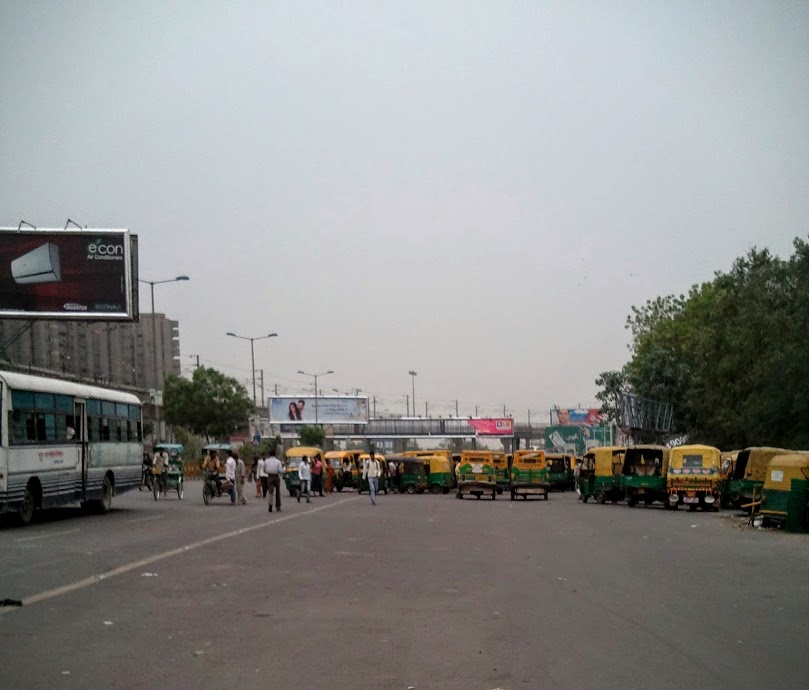
Our odyssey commenced as we departed from New Delhi and embarked on a scenic drive towards Rishikesh. The journey, though long, was punctuated with breathtaking vistas and pit stops at quaint roadside eateries, offering us glimpses of rural life and culinary delights.
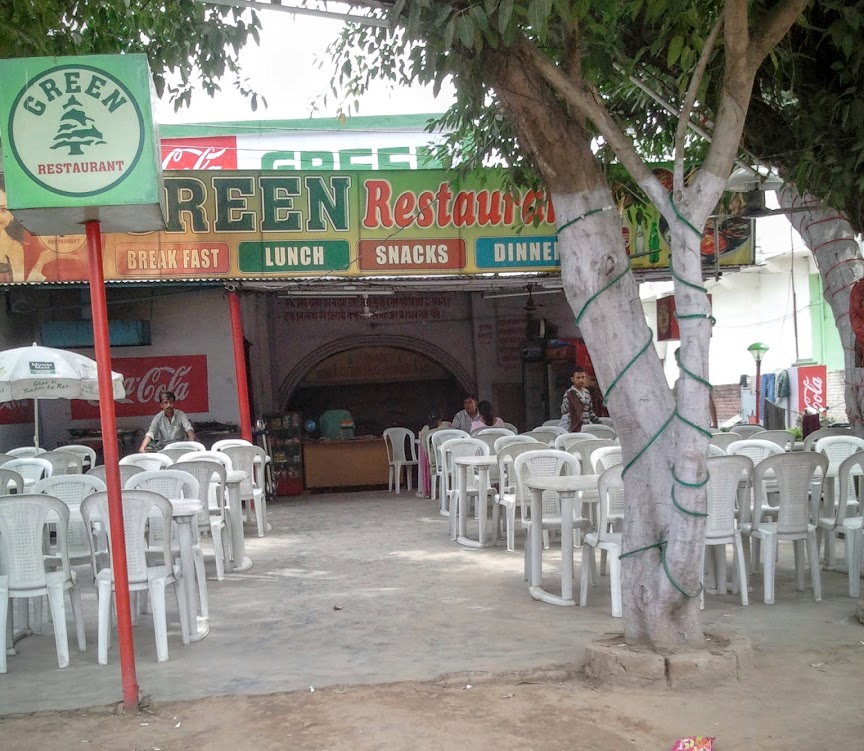
It was around 2 pm in the afternoon when we reached Roorkee. We stopped at a roadside food joint – Green Restaurant for our lunch. After lunch followed by tea, we again started our journey towards Hrishikesh. It is about 100 km from here.

We crossed the holy river Ganga at Haridwar. It was a magnificent site.

Upon reaching Rishikesh at around 4 PM, we checked into The Great Ganga Hotel, our serene abode overlooking the holy river Ganga. The tranquil ambience and panoramic views from our room set the stage for an immersive spiritual experience.

Located in the foothills of the Himalayas in northern India, it is known as ‘The Gateway to the Himalayas’. It’s a part of Kedarkhand (the present day of Garhwal).
Hrishikesh (हृषीकेश) is a name of Lord Vishnu composed of hrishika meaning ‘senses’ and Isha meaning ‘lord’, thus ‘Lord of the Senses’. The name commemorates an apparition of Vishnu to Raibhya Rishi, as a result of his Tapasya (austerities), as Lord Hrishikesha. In Skanda Purana, this area is known as Kubjamraka (कुब्जाम्रक) as Lord Vishnu appeared under a mango tree. Another legend says that fierce fire broke out here. Lord Shiva was angry with Lord Agni and cursed him. Then Lord Agni prayed here for the expiation of his sins. Hence it is also known as ‘Agni Tīrtha’ (अग्नि तीर्थ) — the holy place to do penance of Lord Agni or Fire God.
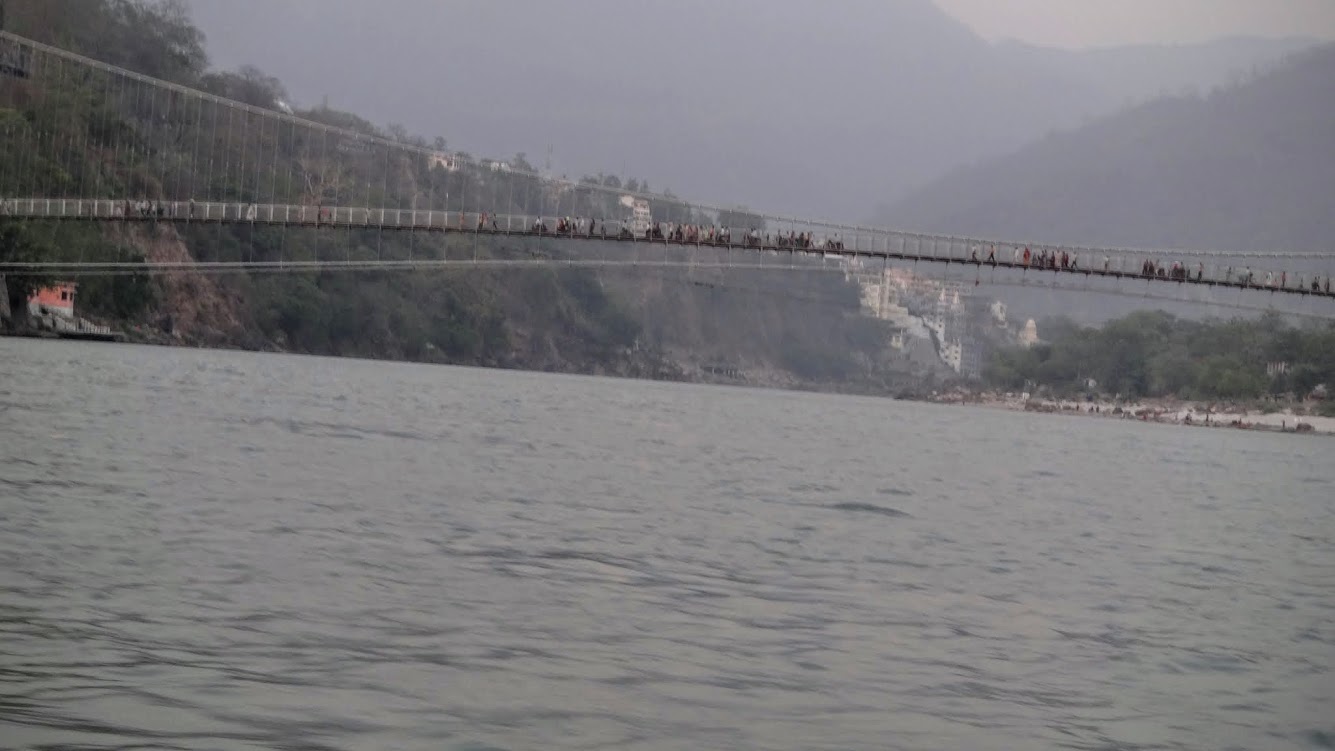
Legends state that Lord Rama did penance here for killing Ravana, the demon king of Lanka; and Lakshmana, his younger brother, crossed the river Ganga, at a point, where the present ‘Lakshman Jhula’ bridge stands today, using a jute rope bridge.
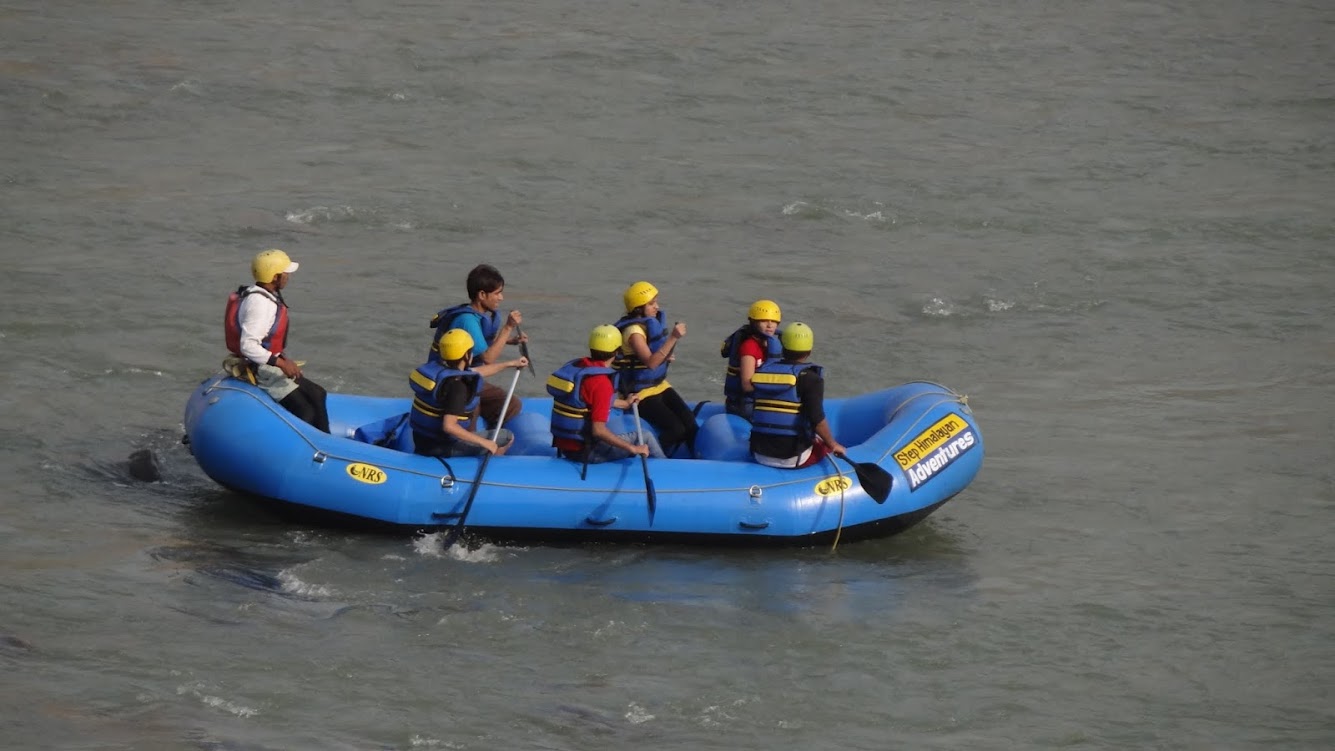
The sacred river Ganga flows through Rishikesh. It is here that the river leaves the Shivalik mountains in the Himalayas and flows out into the plains of northern India. Rishikesh is a famous place for rafting. Many rafters come here for rafting too.

Eager to immerse ourselves in the divine aura of the city, we wasted no time in heading towards the Parmarth Niketan Ashram Ghat for the revered Ganga Aarti. The ethereal ceremony, led by ashram residents and accompanied by melodious bhajans, stirred our souls as we joined fellow devotees in offering prayers to the sacred river.

Crossing the river by boat, we wandered through the ashram’s tranquil precincts, soaking in the peaceful atmosphere and marvelling at the architectural splendour of Geeta Bhavan and surrounding structures.

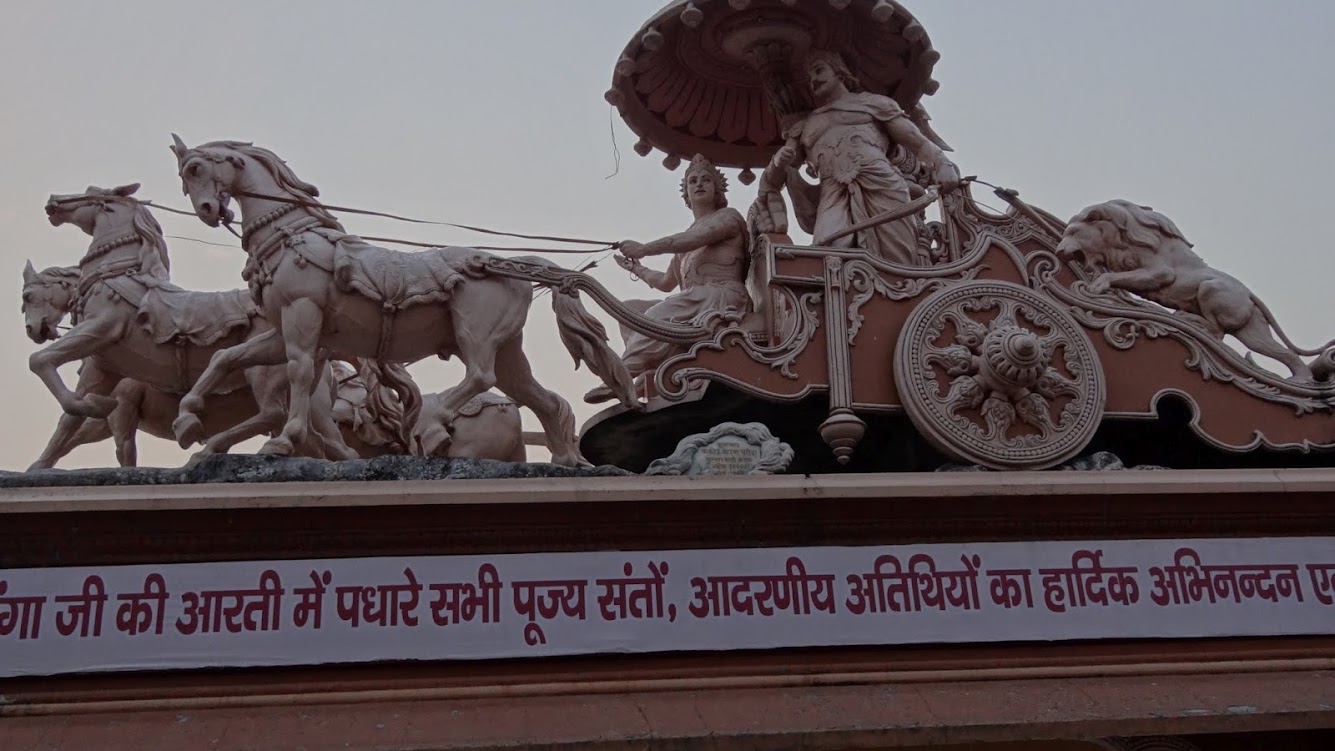
Instead of being performed by pundits, the Ganga Aarti at Parmarth Niketan is organised and performed by ashram residents, particularly the children who are studying the Vedas there. The ceremony commences with the singing of bhajans (devotional songs), prayers, and a havan (a purifying and sacred ritual that takes place around a fire, with the offerings made to Agni, the fire god).
The lamps are lit and the aarti occurs as the final part of the ceremony. The children sing along with the spiritual head of the ashram, in sweet, haunting voices. A huge statue of Lord Shiva overlooks the proceedings. It’s a nice divine experience with everybody participating in the bhajans and aarti. Many foreigners were also there joining the Hindu devotees.
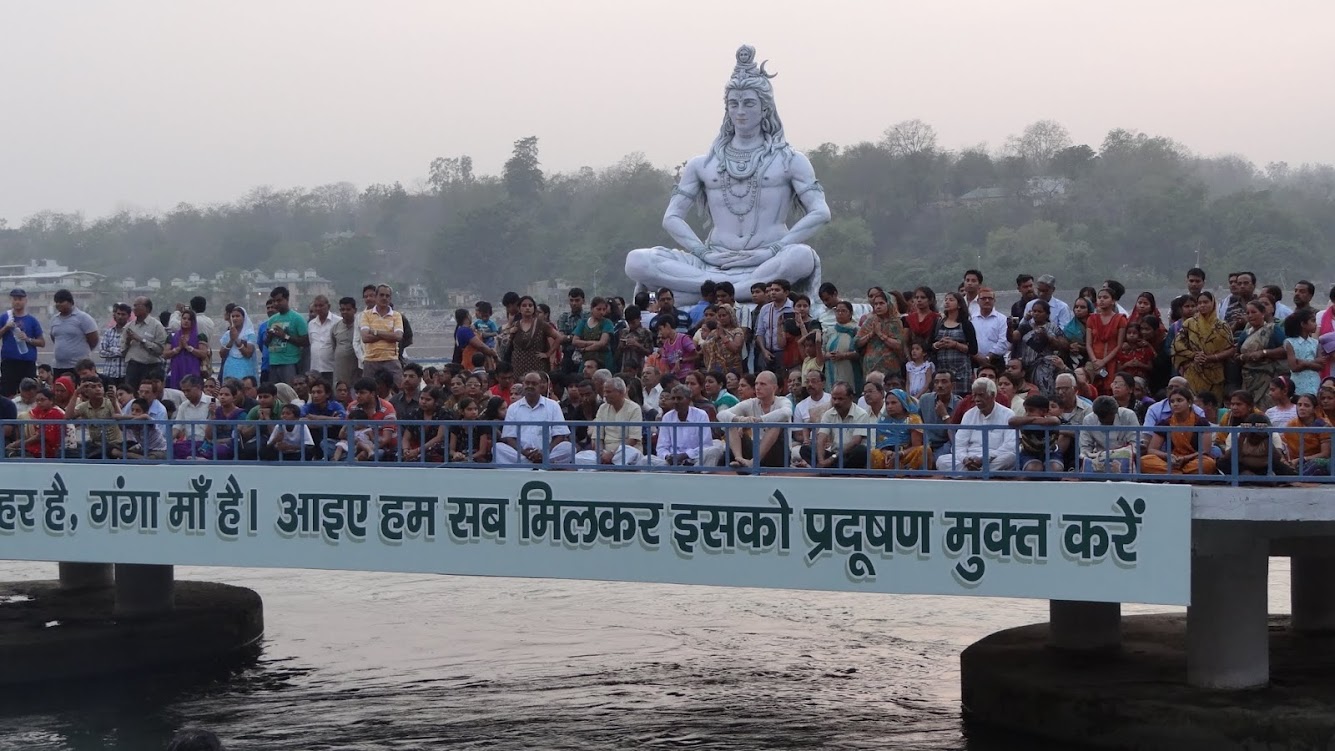


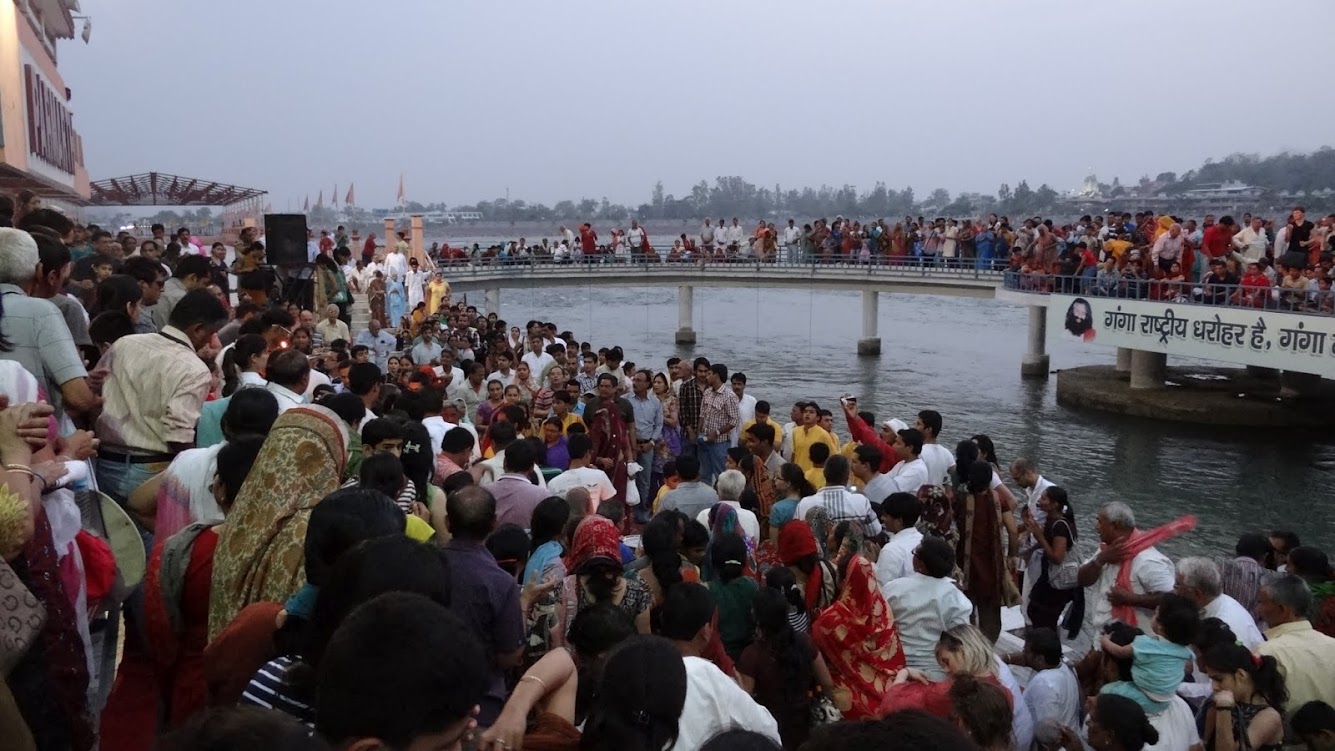
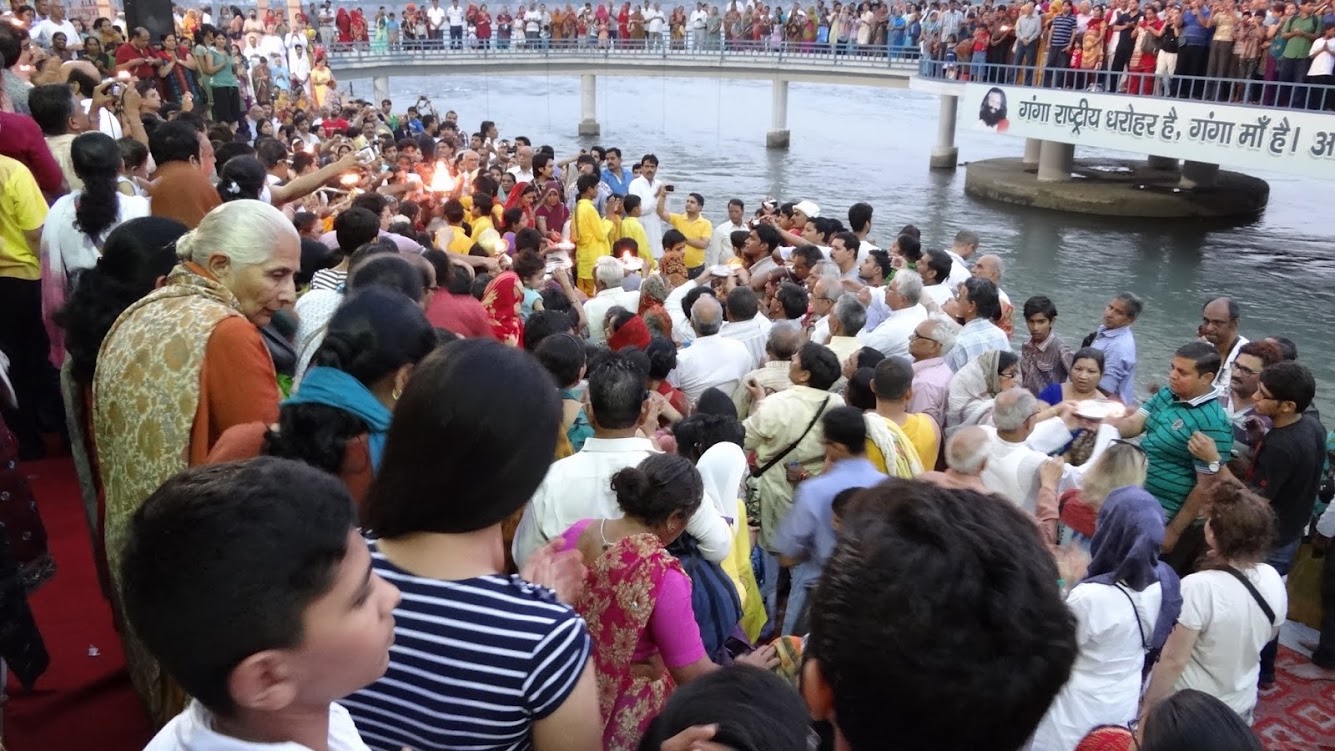


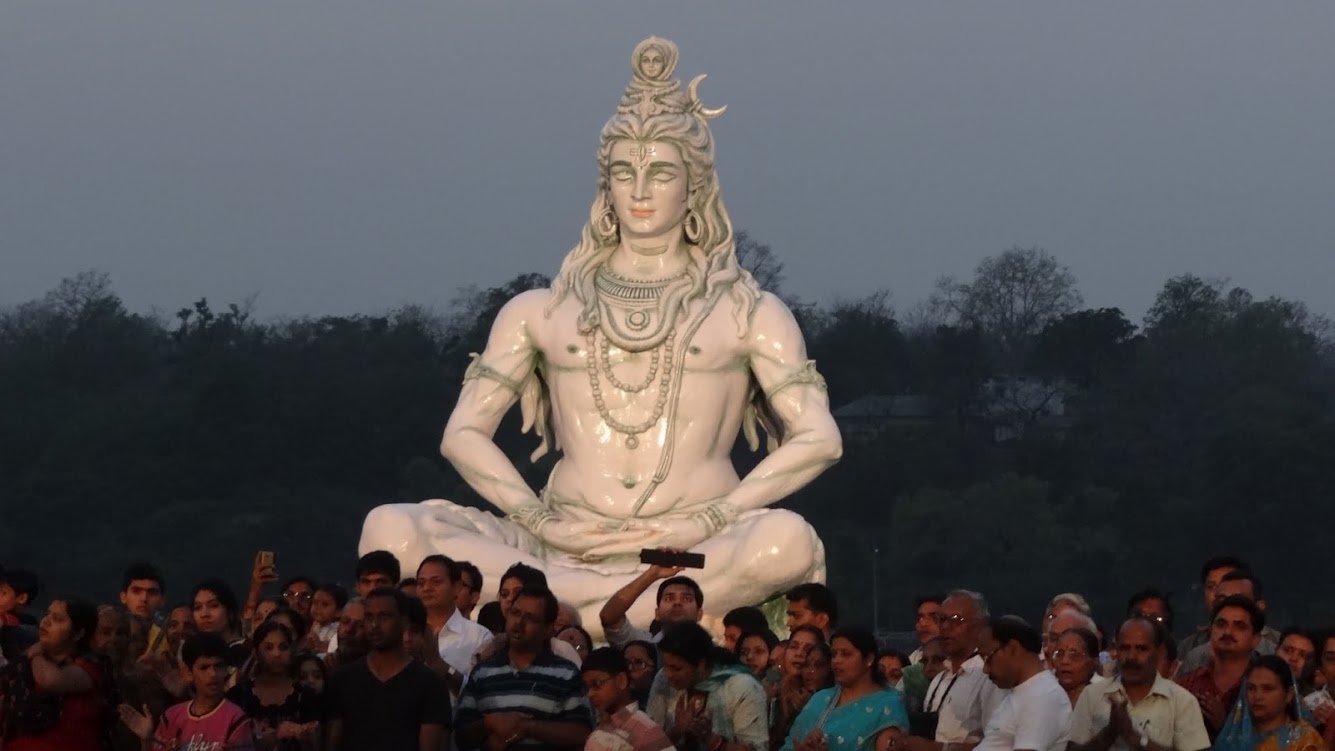

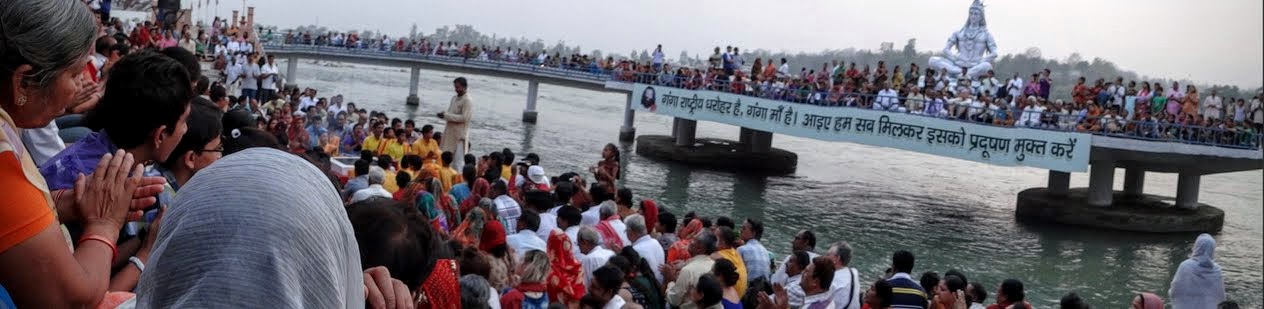
After the aarti, we just walked around the Ashram and Geeta Bhavan.

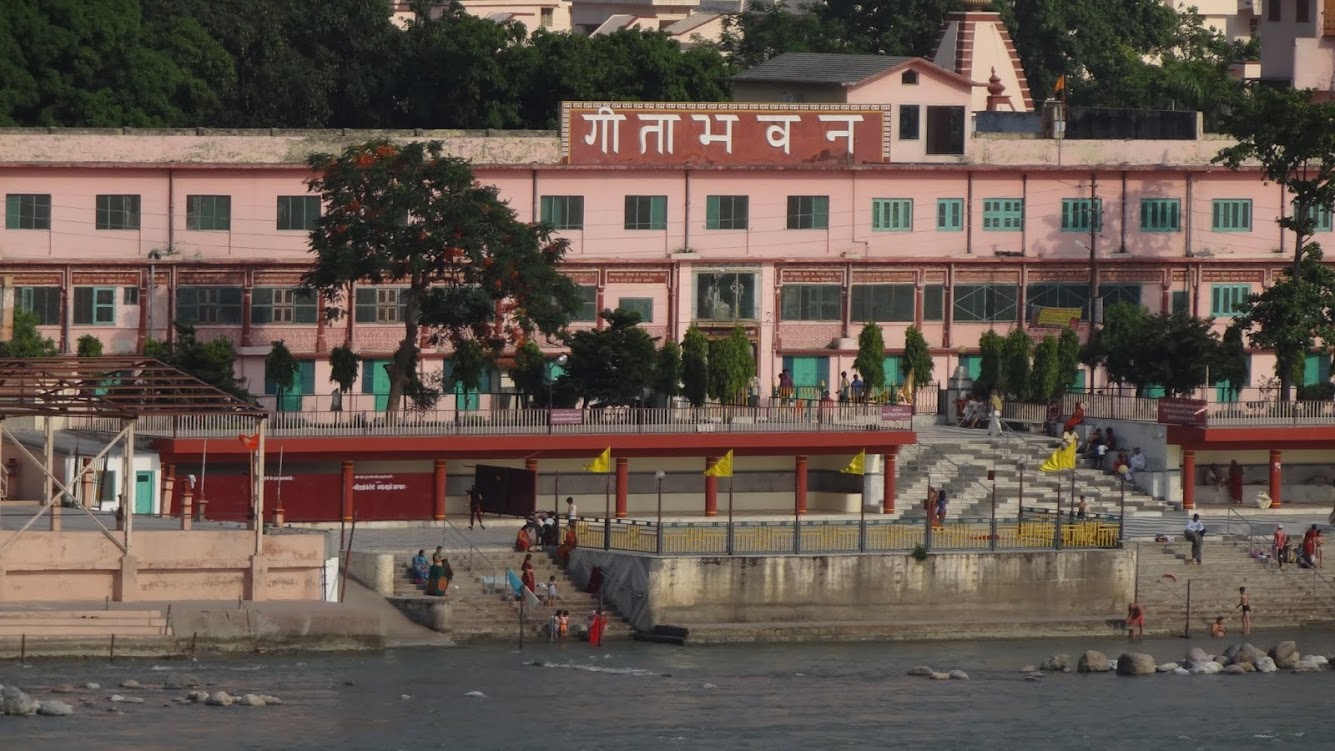
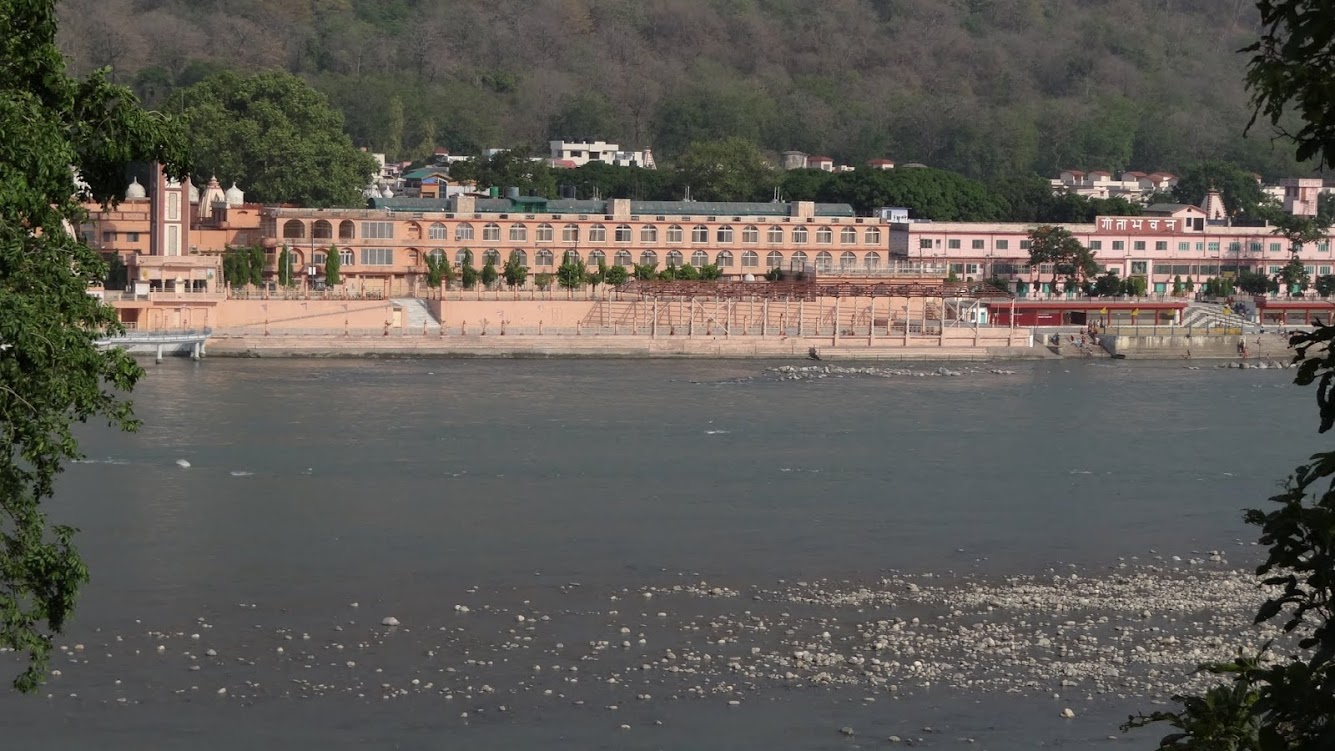
Then crossed the river walking over the Ram Jhoola bridge to reach the hotel.


The following day, our spiritual quest led us to the revered Neelkanth Mahadev Temple, nestled amidst the pristine environs of Rajaji National Park. As we traversed the winding paths and lush forests, the temple’s sacred aura left an indelible mark on our hearts, evoking a sense of reverence and devotion.

It is enveloped between the valleys of Manikoot, Brahmakoot and Vishnukoot and is located at the confluence of the rivers Pankaja and Madhumati.


According to Hindu mythology, the place where the Neelkanth Mahadev Temple currently stands is the sacred location where Lord Shiva consumed the poison Halahala that originated from the sea when Devas (Gods) and Asuras (Demons) churned the sea in order to obtain Amrit. The poison emanated during the Samudramanthan (churning of ocean) made his throat blue in colour. Thus, Lord Shiva is also known as Neelkanth, literally meaning The Blue Throated One.


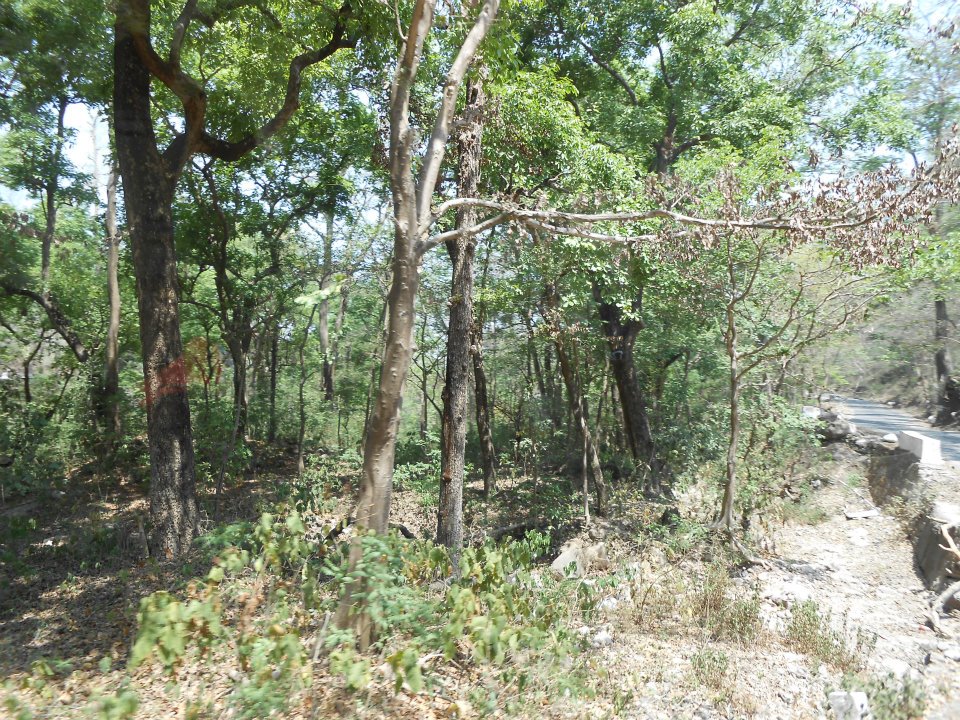
We worshiped at the temple and then stopped at a food joint for some light refreshments. After foods, we started our journey back through the forests of Rajaji National Park. The water streams on the ways are carrying crystal clear water to the river. These are yet to be touched by the pollutions of the modern life.


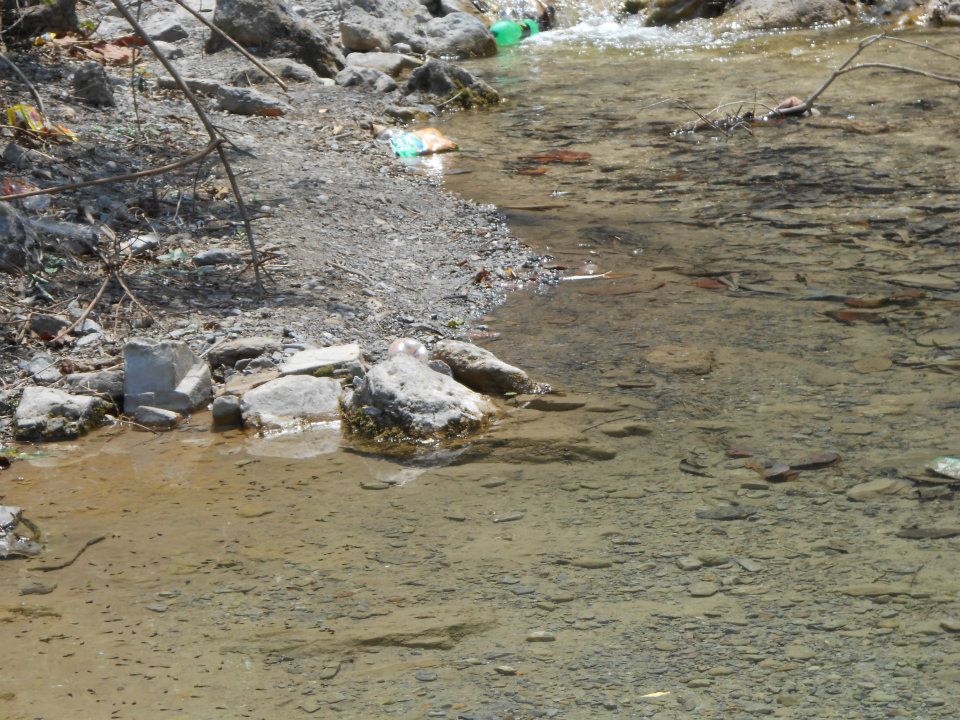
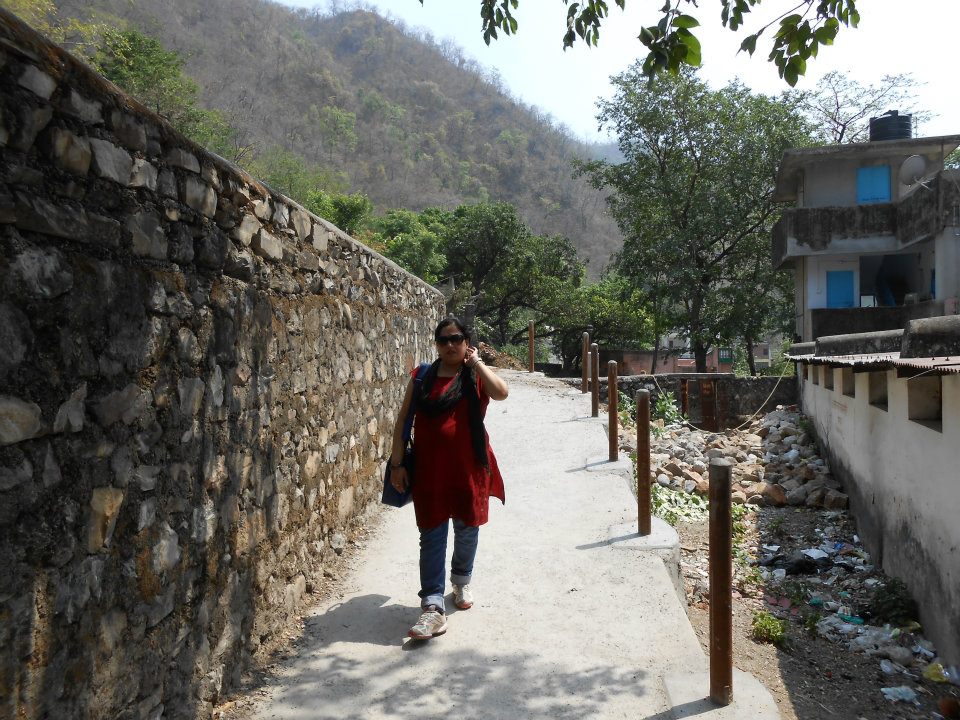
We then stopped near Swargashram. We walked down towards Lakshman Jhoola.
There is a multi-storied Shiva temple on the bank of the river Ganga just across the Lakshman Jhoola bridge.
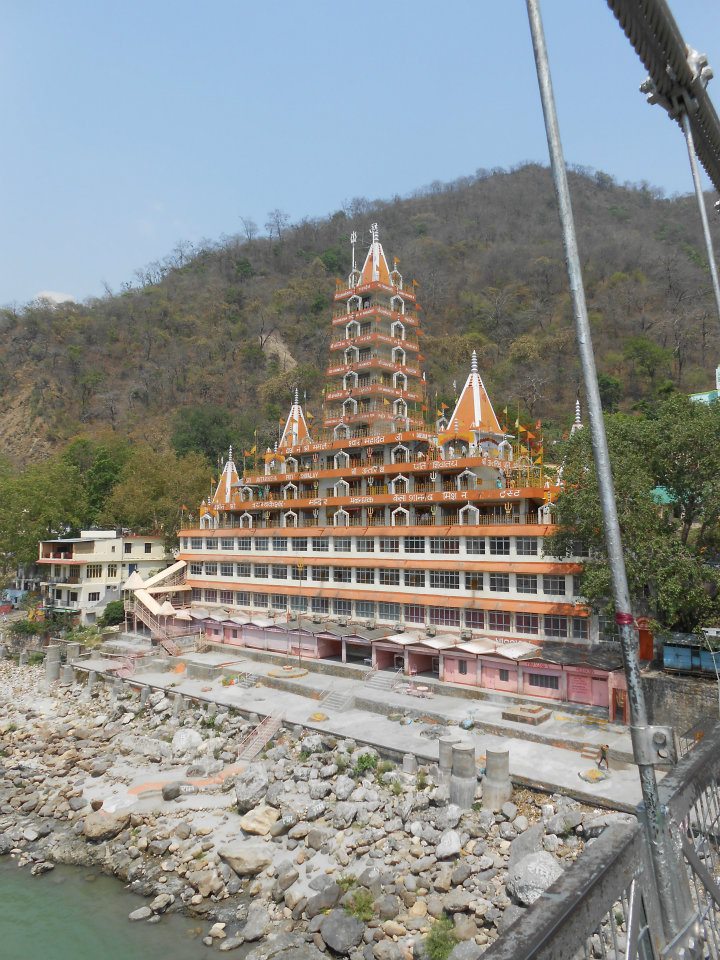
We walked over the bridge to cross the river and then walked back enjoying the pristine beauty of the sacred river Ganga.

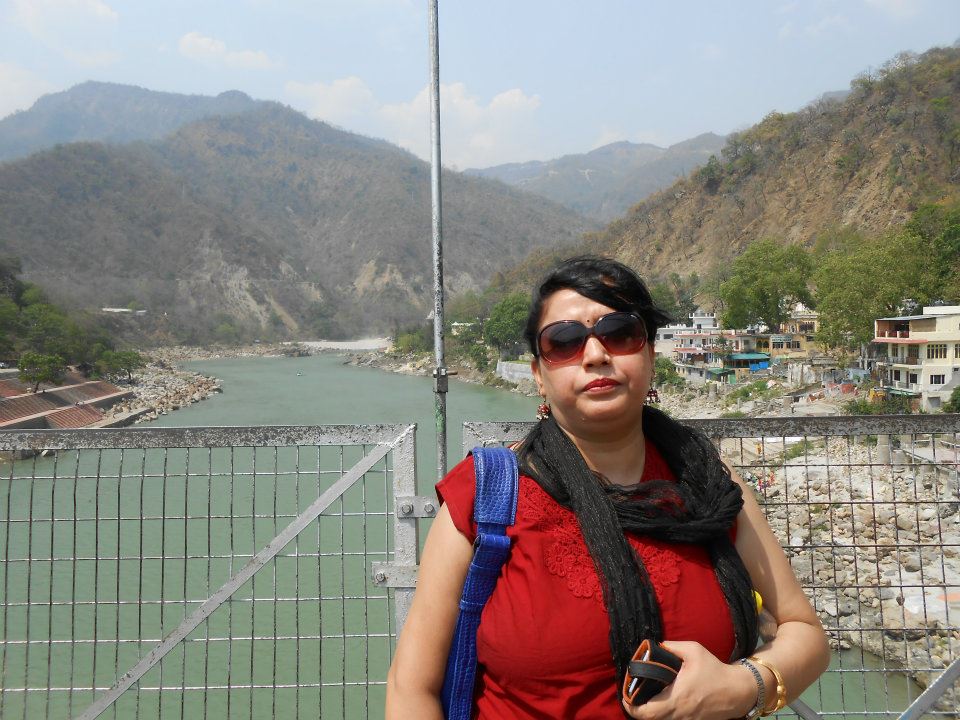
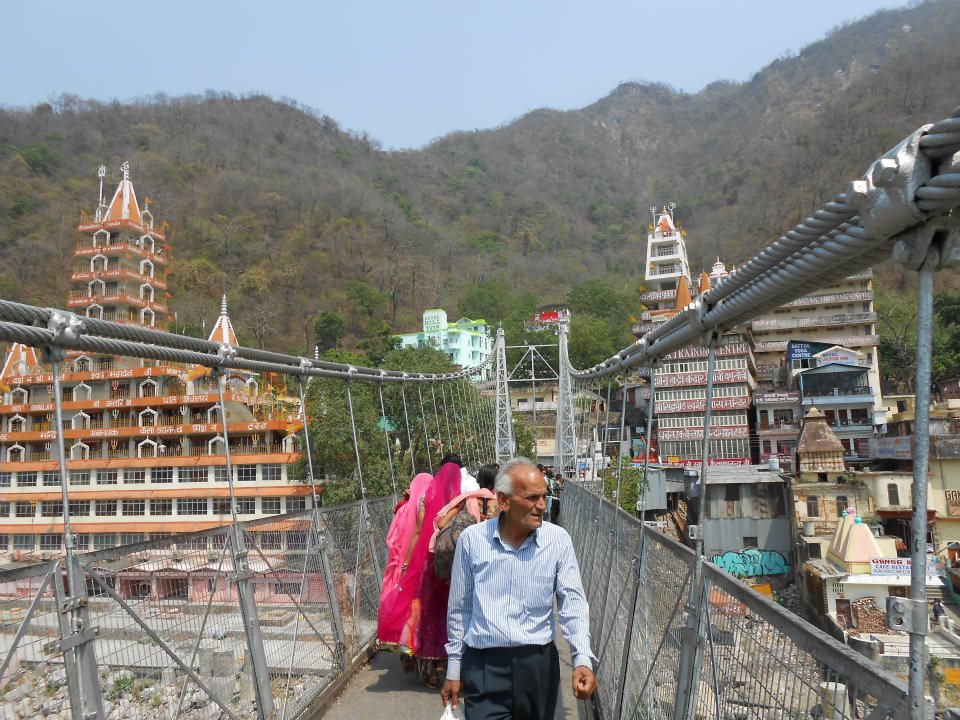

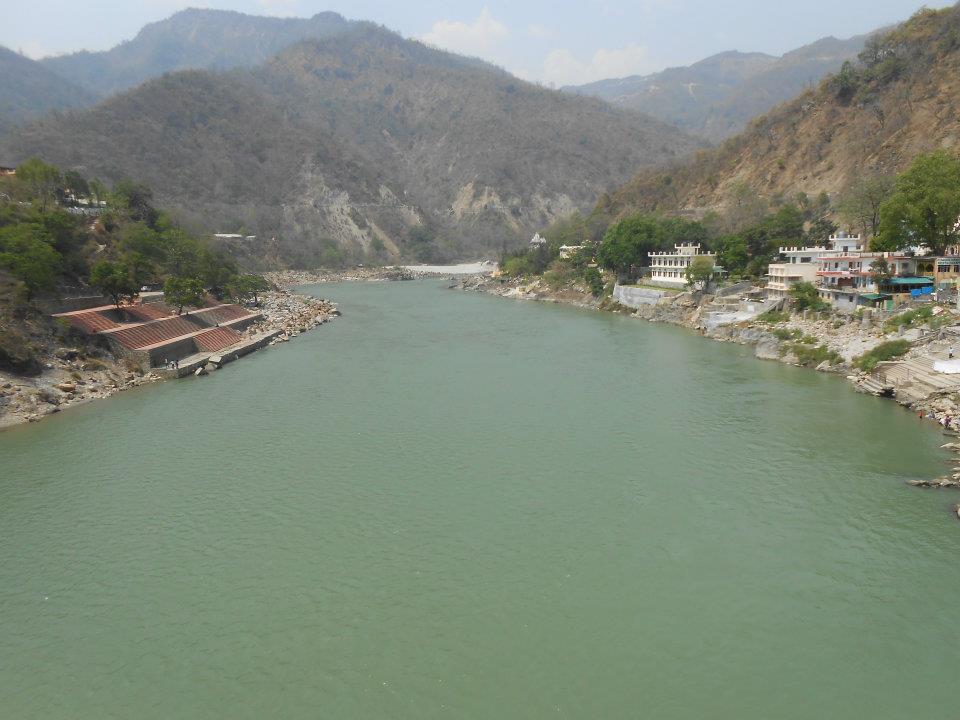
It is a hot afternoon. We opted for ‘shikanji’ a local made lemonade drink to quench thirst at Swargashram and for some cool respite in the hot afternoon.
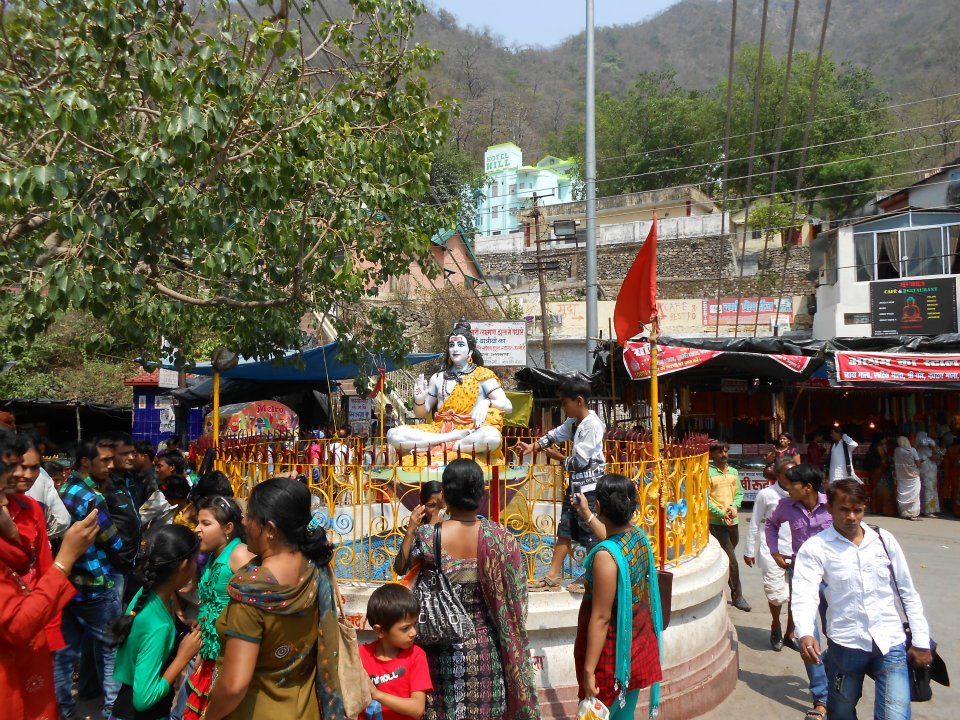


Then, we walked up to the car park. We started our journey towards Haridwar. It is about 25km distance through the Rajaji National Park.
Upon reaching Haridwar, we paid homage to the iconic Har ki Pauri, where the sacred waters of the Ganga beckoned pilgrims from far and wide. Walking along the banks of the river, we soaked in the spiritual ambience, offering prayers and partaking in the divine rituals that have sanctified this hallowed site for centuries.
The name of the Haridwar town has two spellings: Hardwar and Haridwar. Each of these names has its own connotation. Hari means “Lord Vishnu”. So, Haridwar stands for “The Gateway to Lord Vishnu”. In order to reach Badrinath, one of the Char Dhams, with a temple of Lord Vishnu, Haridwar is a typical place to start a pilgrim’s journey. Therefore, the name Haridwar.
On the other hand, in Sanskrit, Hara means “Lord Shiva” and Dwara means “gate” or “gateway”. Hence, Hardwar stands for “Gateway to Lord Shiva”. Hardwar has been a typical place to start a pilgrim’s journey in order to reach Mount Kailash, the eternal abode of Lord Shiva, Kedarnath, the northernmost Jyotirlinga and one of the sites of the smaller Char Dham pilgrimage circuit and Gaumukh, the source of River Ganga. Har ki Pauri or footsteps of Lord Shiva is considered the most sacred site in Hardwar.
Haridwar is also known as the home of Devi Sati and the palace of her father Daksha. In ancient times, the town was also referred to as Gangadwára (गंगाद्वार), the place where the Ganges descends to the plains.
The Garuḍa Purāṇa enumerates seven cities as the giver of Moksha. Haridwar is said to be one of the seven most holy Hindu places (Kṣhetra) in India, with Varanasi usually considered the holiest. A Kṣhetra is a sacred ground, a field of active power, a place where Moksha (salvation), final release can be obtained.
Ayodhyā Mathurā Māyā Kāśī Kāñcī Avantikā Purī Dvārāvatī caiva saptaitā mokṣadāyikāḥ
Garuḍa Purāṇa
Maya is the Puranik name of Haridwar.
We stopped at the Chandi Devi temple on the way to Haridwar. It is dedicated to Goddess Chandi Devi in the holy city of Haridwar in the Uttarakhand state of India. The temple is situated atop the Neel Parvat on the Eastern summit of the Sivalik Hills, the southernmost mountain chain of the Himalayas. Chandi Devi Temple is highly revered by devotees as a Siddh Peetha which is a place of worship where desires get fulfilled.
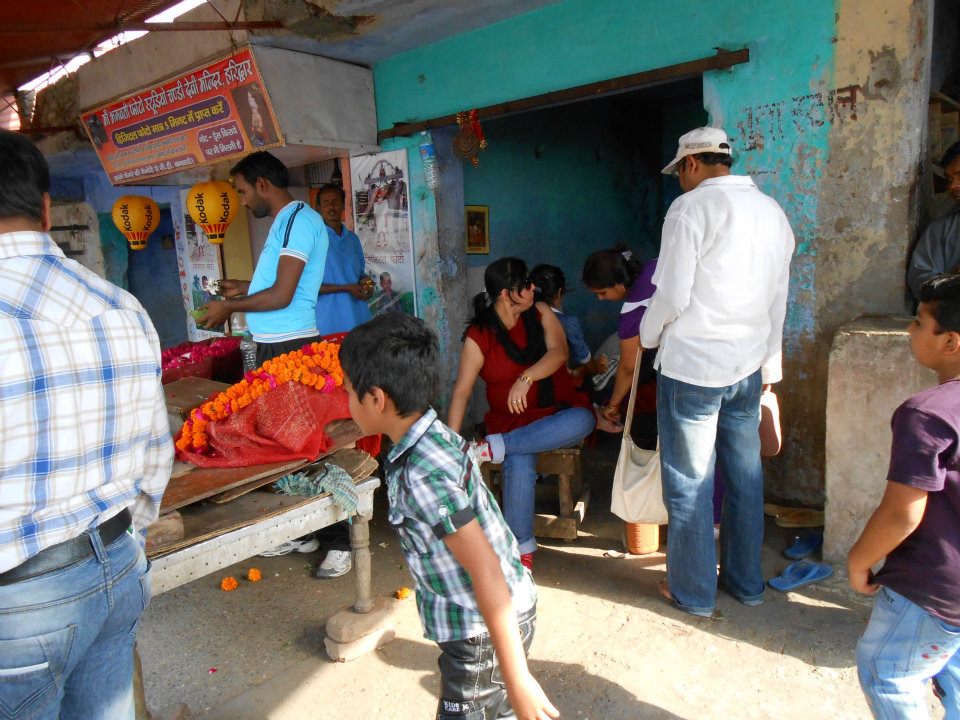

As we are having a short time and it is a hot afternoon, so we preferred to go up the hill by ropeway. The same ropeway company also runs the ropeway for Mansa Devi temple. So, we bought a joint ticket for both the temples. We waited for our turn and then went up to the temple. We prayed at the temple and then returned back for going towards Har ki Pauri in Haridwar, which is about 5 km from there.


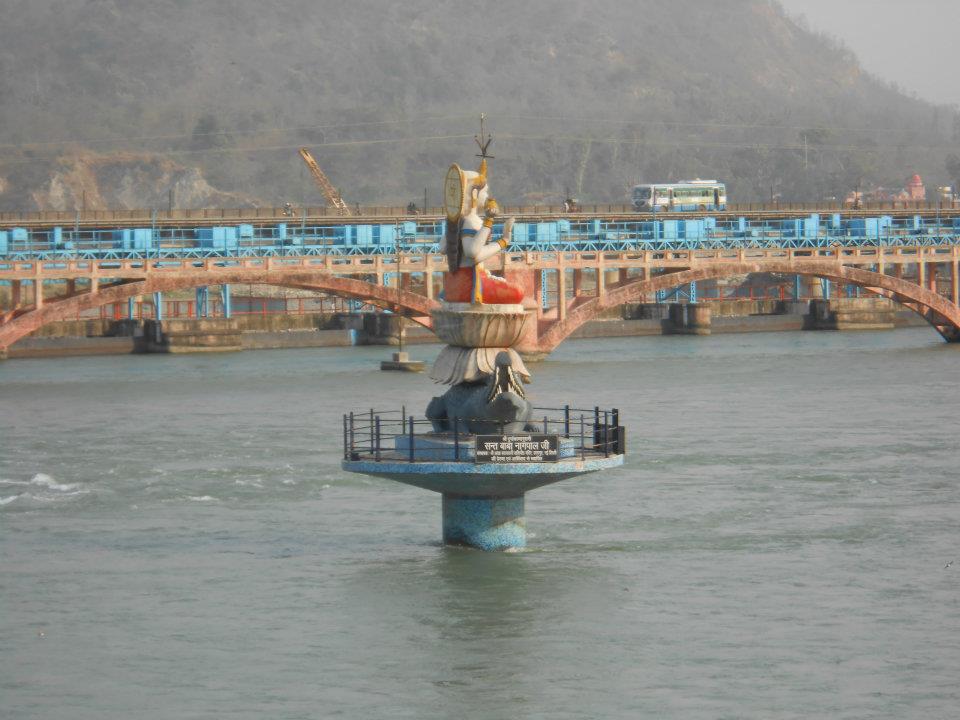
It is a famous ghat on the banks of the Ganga in Haridwar. This revered place is the major landmark of the holy city of Haridwar. Literally, “Har” means “Lord Shiva” who is the god according to Shaivite school of Hindu theology, “ki” means “of” and “pauri” means “steps”. Lord Shiva and Lord Vishnu are believed to have visited the Brahmakund in Har ki Paudi in the Vedic times.

King Vikramaditya is said to have built it in 1st century BC in the memory of his brother, Bhatrihari who had come to meditate here on the bank of the Ganga. An area within Har ki Pauri, where the evening Ganga Aarti takes places and which is considered most sacred is known as Brahamakund. It is considered to be the spot where the drops of Amrit fell over from the sky while being carried in a pitcher by the celestial bird, Garuda after the Samudramanthan.

We walked on the banks of Ganga at Har Ki Pauri. It was lovely to walk with the river passing by from both sides. Then went to Brahmakund and sprinkled water on our body. Then we went for tea at a nearby joint.

Our pilgrimage culminated with a visit to the Mansa Devi Temple, where we ascended the Bilwa Parvat via a scenic ropeway ride, offering prayers to the benevolent goddess Mansa. The temple’s serene ambience and panoramic views of the city below provided a fitting conclusion to our spiritual sojourn.
The temple is located atop the Bilwa Parvat on the Shivalik range of Himalayas. It is dedicated to Mansa Devi. The temple is known for being the holy abode of Mansa, a form of Shakti and is said to have emerged from the mind of the sage Kashyapa. Mansa is regarded as the sister of the Nāga (serpent) Vasuki. The term Mansa means wish and it is believed that the goddess fulfils all the wishes of a sincere devotee. Mansa Devi Temple is also a Siddh Peetha, which are the places of worship where desires get fulfilled.

We reached the base of the hill – the starting point of the ropeway to carry us up. Ufff, when we reached there, we found a huge crowd of about 500 pilgrims waiting for their turns on the ropeway. We waited at the waiting hall for our turn. On reaching the temple, we prayed at the temple and also performed our evening prayers there as it was already quite dark by then. Then we started for returning back. Also, there was a big queue for getting down the ropeway!
After getting down, we again headed for tea. Also, we had jalebis and samosas with it. Then we again started walking on the banks of the river in the evening towards the car park, with the waters gurgling down and a cool breeze blowing. Lovely, memorable experience!
As we bid farewell to Rishikesh and Haridwar, our hearts brimmed with gratitude for the sacred experiences and spiritual insights gained during our brief yet profound pilgrimage. Though our journey may have come to an end, the memories of our time spent amidst the tranquil environs of the Himalayas will forever remain etched in our hearts, inspiring us to seek solace and serenity amidst life’s tumultuous currents.
