
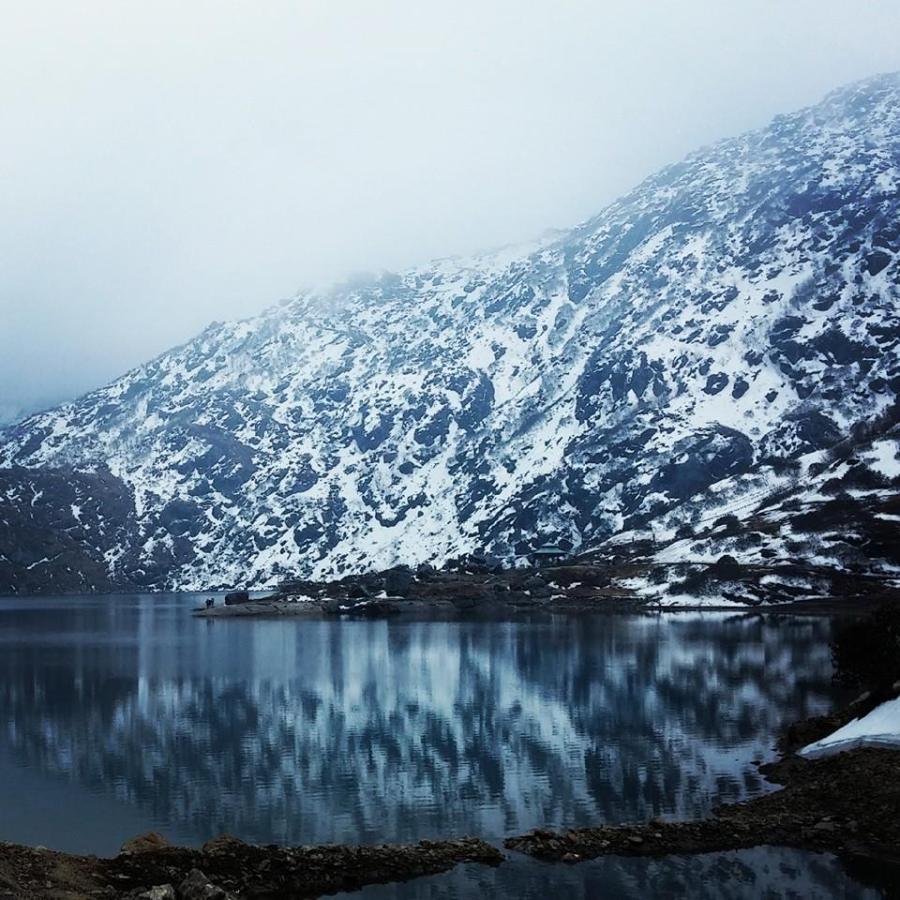
High above Gangtok, where the air thins and clouds kiss snow-clad peaks, lies Tsomgo Lake — a mirror to the heavens and a keeper of ancient legends. Our family’s journey to this mystical Himalayan gem unfolded as a blend of nature’s grandeur, cultural lore, and heartwarming adventure — from winding roads to yak rides by a frozen lake.
It was a crisp Monday morning, March 17, when my wife, Jagrata, our son, Judhajit, and I set out from Gangtok for what promised to be an unforgettable adventure — a visit to Tsomgo Lake, or Changu Lake, nestled high in the Eastern Himalayas at an altitude of 12,400 feet.
The previous day had been spent soaking in the charm of Gangtok, but this journey was special. Having arranged the necessary inner line permit through our hotel, we were filled with the kind of anticipation that only the mountains can inspire — that delicate mix of excitement and humility before nature’s grandeur.
The Road to Tsomgo
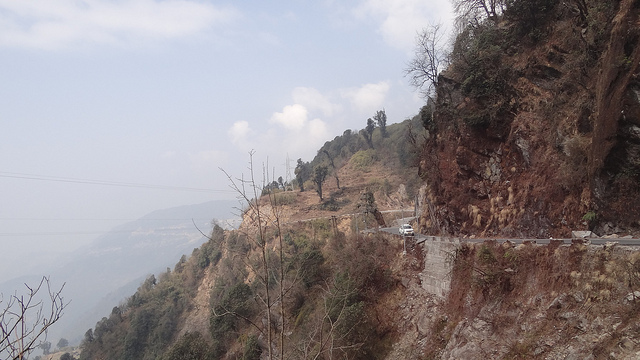
Our cab rolled out of Gangtok, and almost instantly, the landscape transformed into a breathtaking montage of alpine beauty. The road, winding sharply around cliffs and valleys, offered glimpses of dense forests, gushing waterfalls, and tiny bridges straddling streams that sparkled in the morning light.
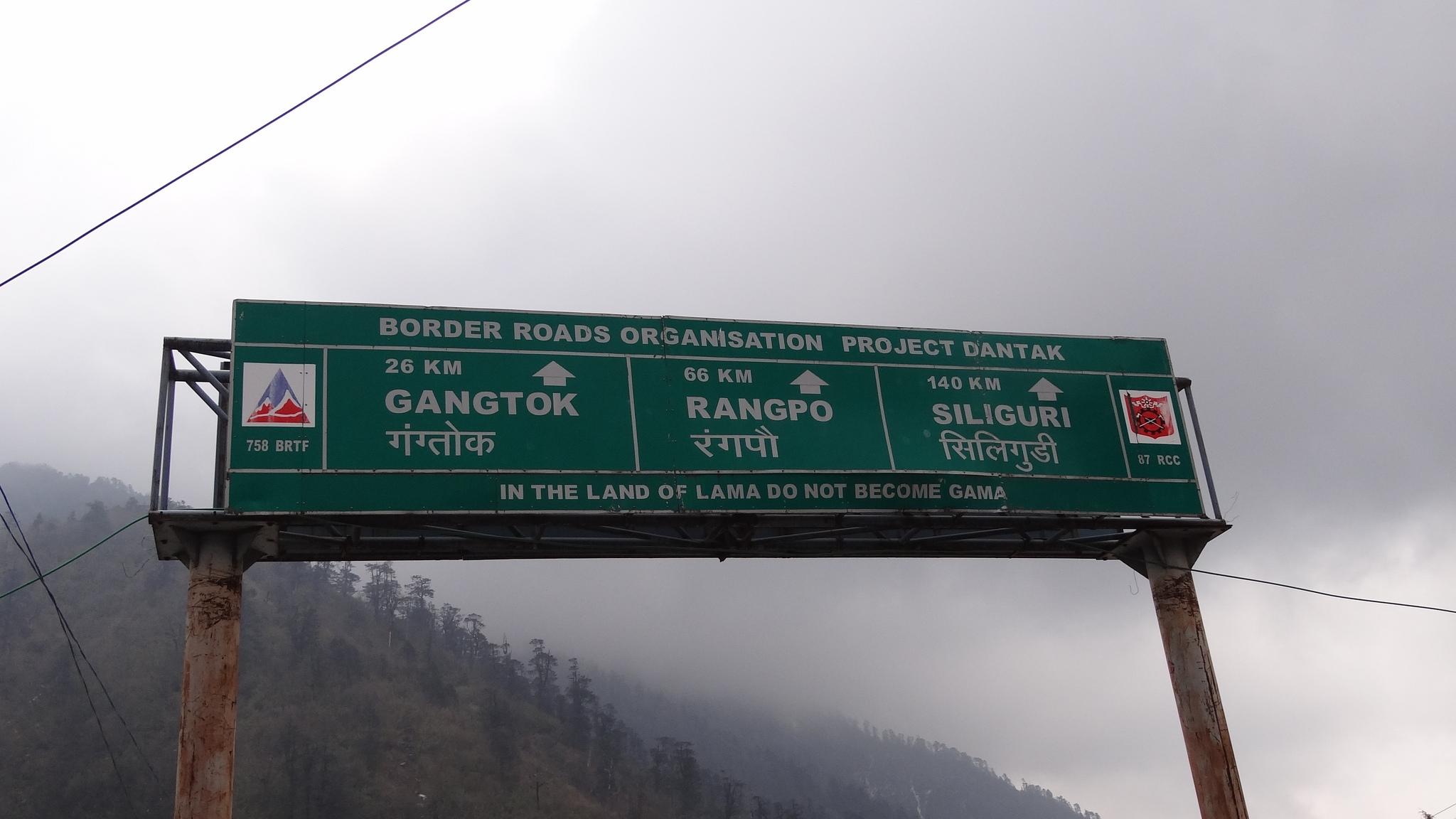
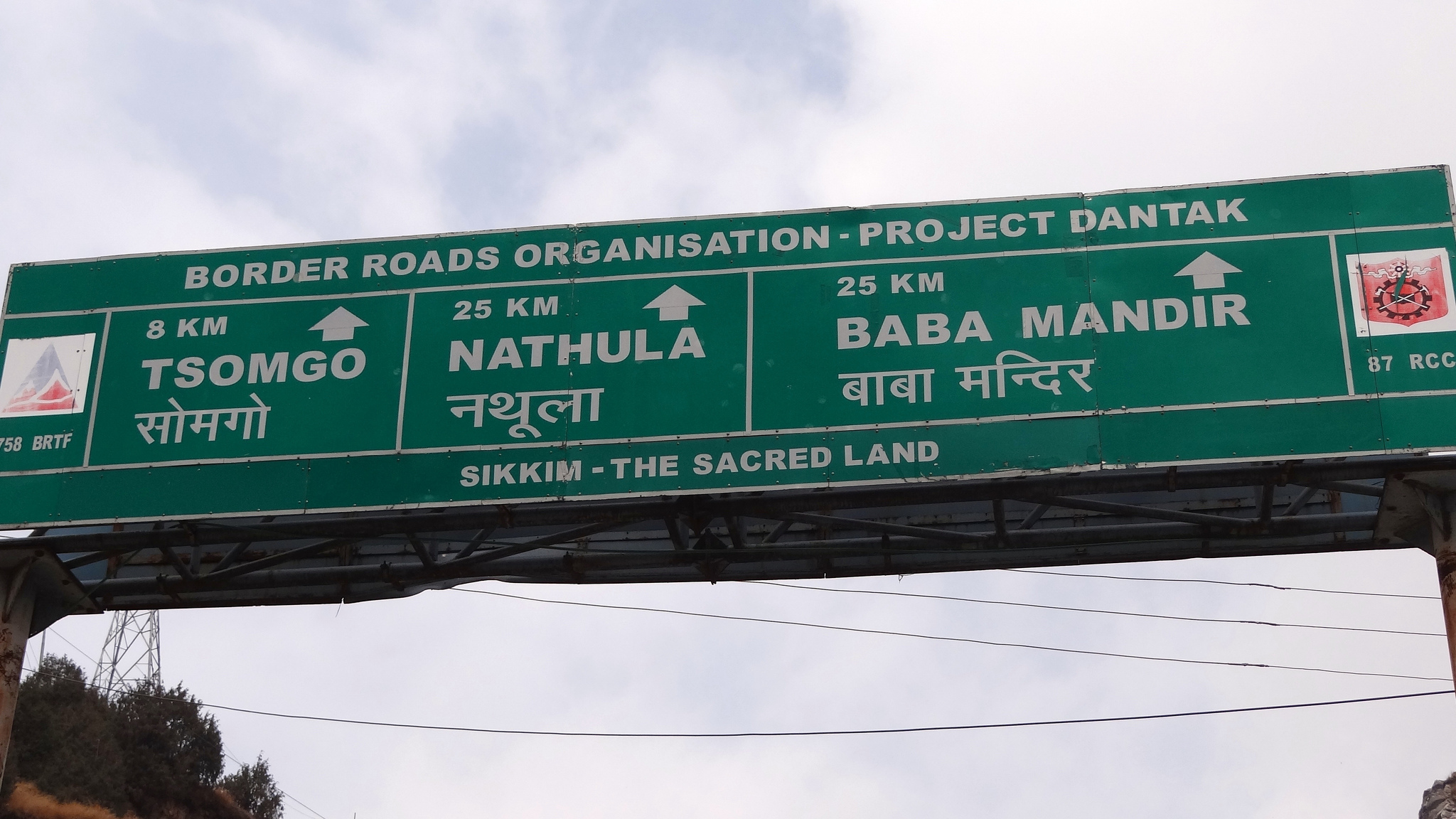
As we ascended, the air grew crisper, and every turn revealed new surprises — a row of prayer flags fluttering in the wind, a cluster of grazing yaks, or a roadside stall selling steaming momos and butter tea. Vendors lined parts of the route, their stalls vibrant with woollens, trinkets, and smiling faces that seemed accustomed to both the cold and the curiosity of travellers.
A brief halt at Kyongnosla, a picturesque mountain village about 31 km from Gangtok, gave us a welcome chance to sip hot coffee. The village, we learned, was part of Sikkim’s pioneering “toilet-for-every-village” initiative — a quiet but powerful reflection of the state’s commitment to hygiene and civic responsibility.


Beyond Kyongnosla, the climb became steeper and the vistas even more spectacular. The road to Nathu La Pass, which branches off near Tsomgo, once formed part of the ancient Silk Route linking India with Tibet. Even today, the sense of history lingers in the mountain air — as if the whispers of traders and pilgrims still echo among the ridges.
The Mesmerising Lake
When we finally reached Tsomgo Lake, it was as though we had stepped into another world. Encircled by snow-draped mountains, the lake shimmered like liquid glass under the pale Himalayan sun. Its still surface reflected the azure sky and cottony clouds, creating a mirror-like illusion that blurred the line between earth and heaven.
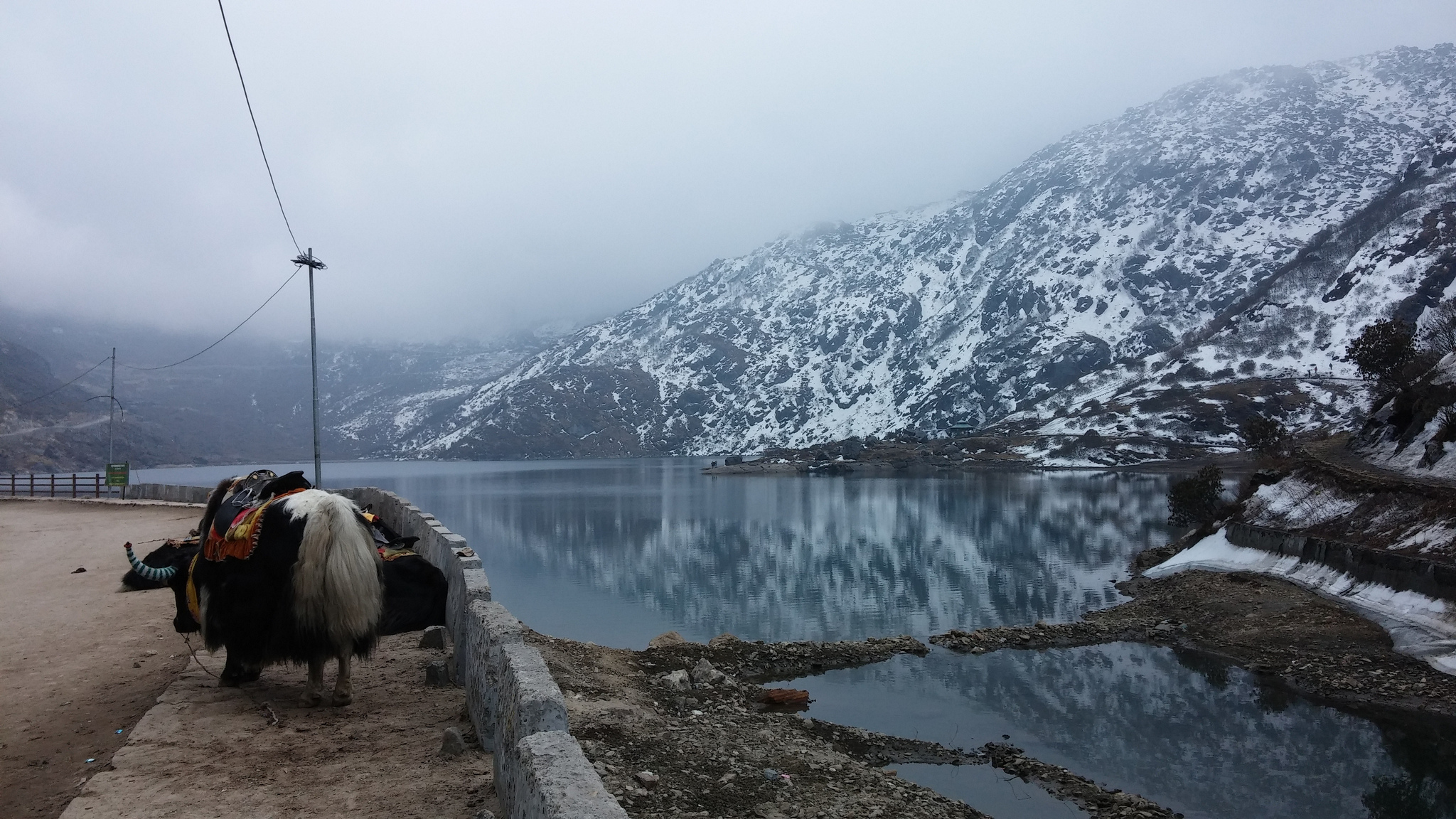
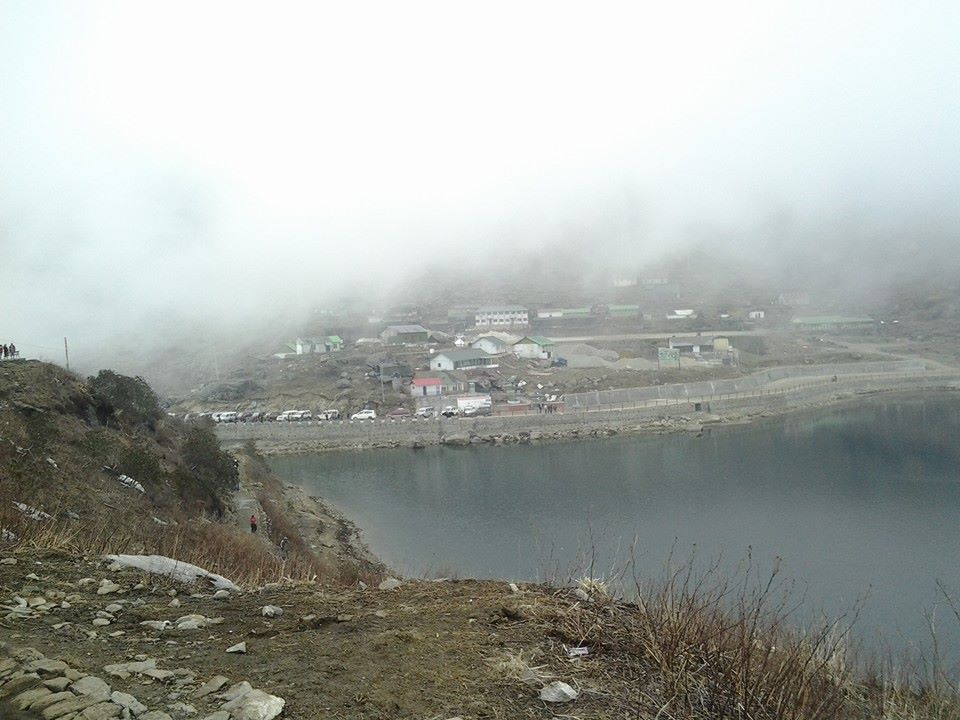
Tsomgo, spread over roughly a kilometre and about 48 feet deep, is fed by melting snow from the surrounding peaks, ensuring it never dries up. In winter, it freezes into an immaculate white expanse, while in late spring, the slopes burst into colour with blooming rhododendrons. The lake is also the origin of the Lungtse Chu River, and a peaceful refuge for Brahmini ducks and migratory birds.

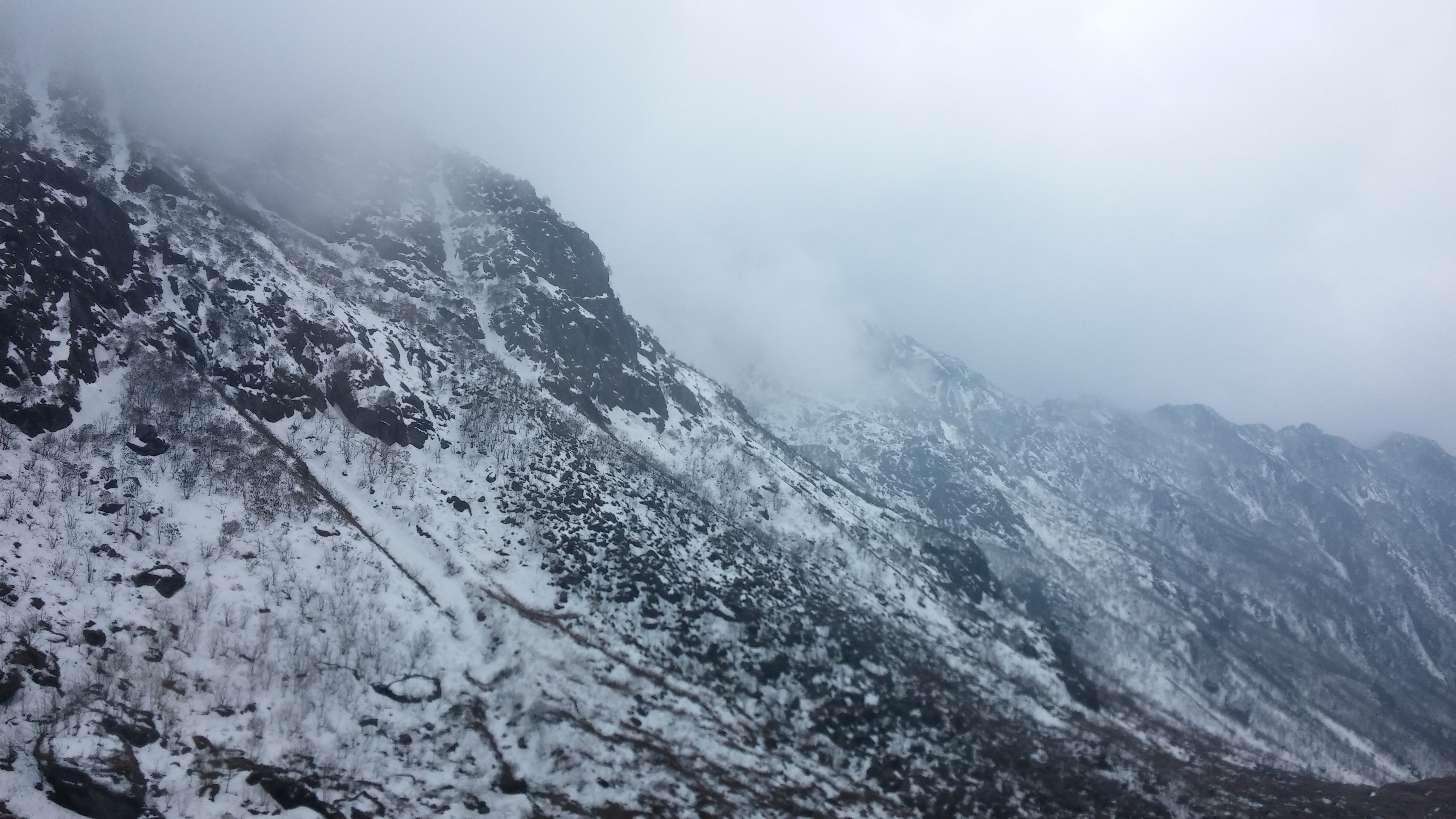

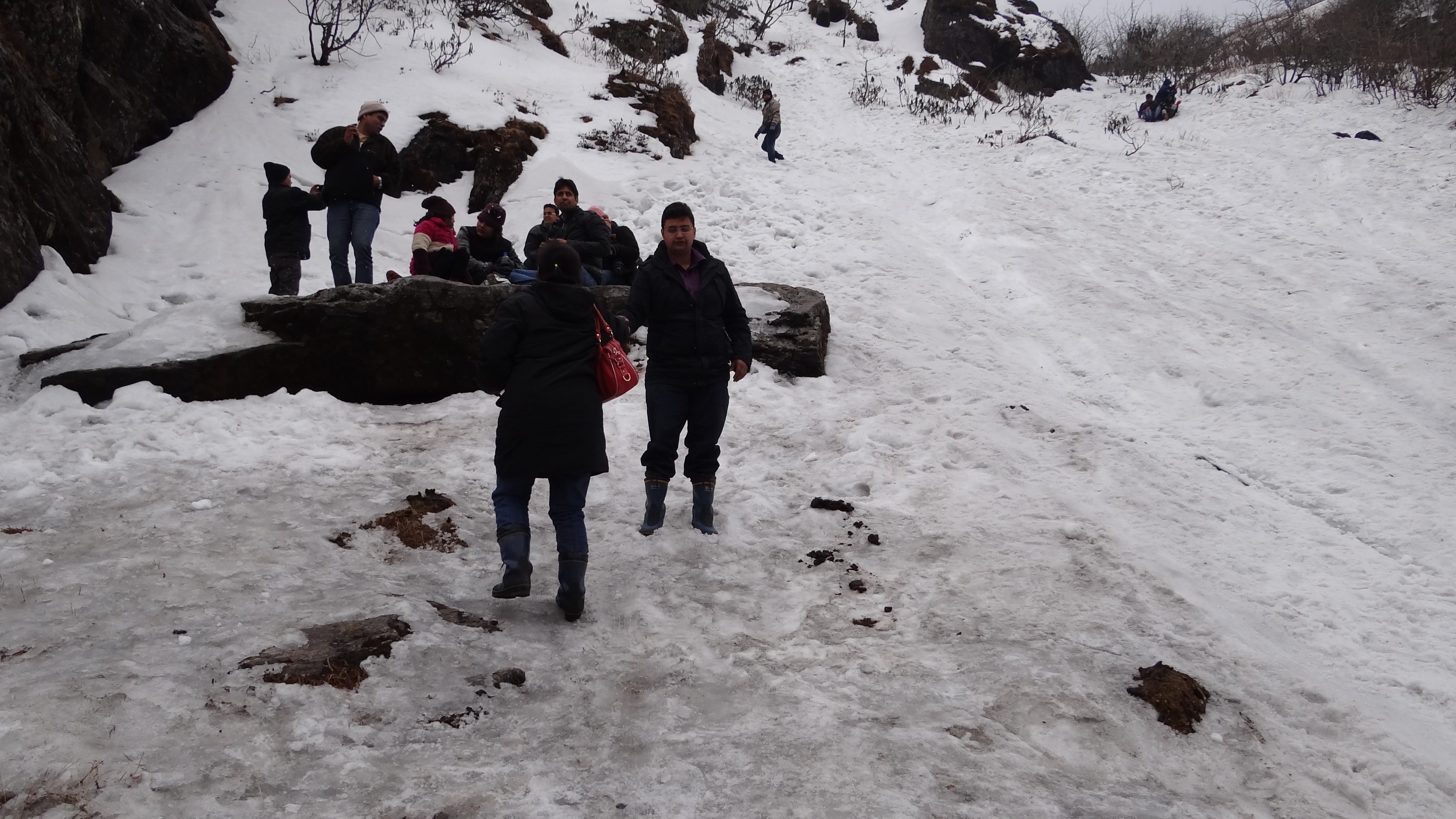
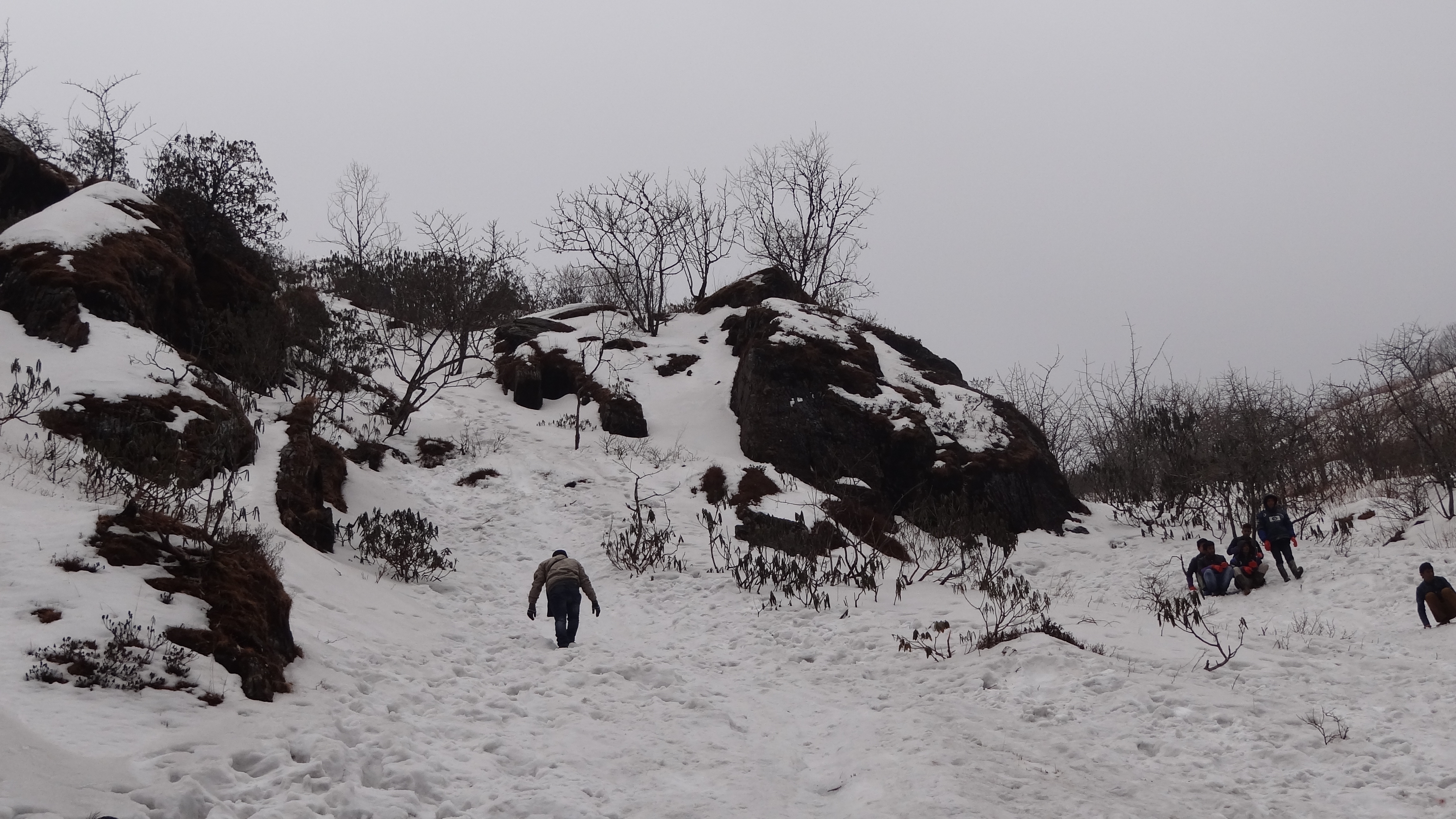

A narrow bridge led to a small viewpoint and a modest cafeteria that served as both a resting spot and a vantage point. From here, the panorama was nothing short of breathtaking — the glacial blue lake below, framed by prayer flags and the distant silhouettes of mountain sentinels.

For a nominal fee of Rs 10, we bought picture postcards from the Tsomgo Pokhri Sanrakshan Samiti, a local community organization dedicated to conserving the lake with the support of WWF-India. It was a small gesture, but it felt meaningful — a contribution to preserving the serenity that Tsomgo so generously offers.

Faith & Legend
Tsomgo Lake is not just a natural wonder; it is a sacred space woven deeply into Sikkim’s spiritual fabric. For Buddhists and Hindus alike, it holds mystical significance. Legends tell of ancient Lamas who would divine the future by studying the colour of its waters — a darker hue, they believed, was a warning of unrest and sorrow.
During Guru Purnima, faith healers known as Jhakhris gather by the lake to offer prayers and perform rituals, their chants echoing through the mountain stillness. Standing there, it was easy to feel the spiritual pulse of the place — a sense that the lake was more than just water and rock, but a living guardian of faith and folklore.
The Thrill of the Yak Ride
No trip to Tsomgo is complete without experiencing its most iconic attraction — the yak ride along the lakeside. The sight of these magnificent beasts, adorned with colourful woollen harnesses and bells, was both intimidating and captivating.

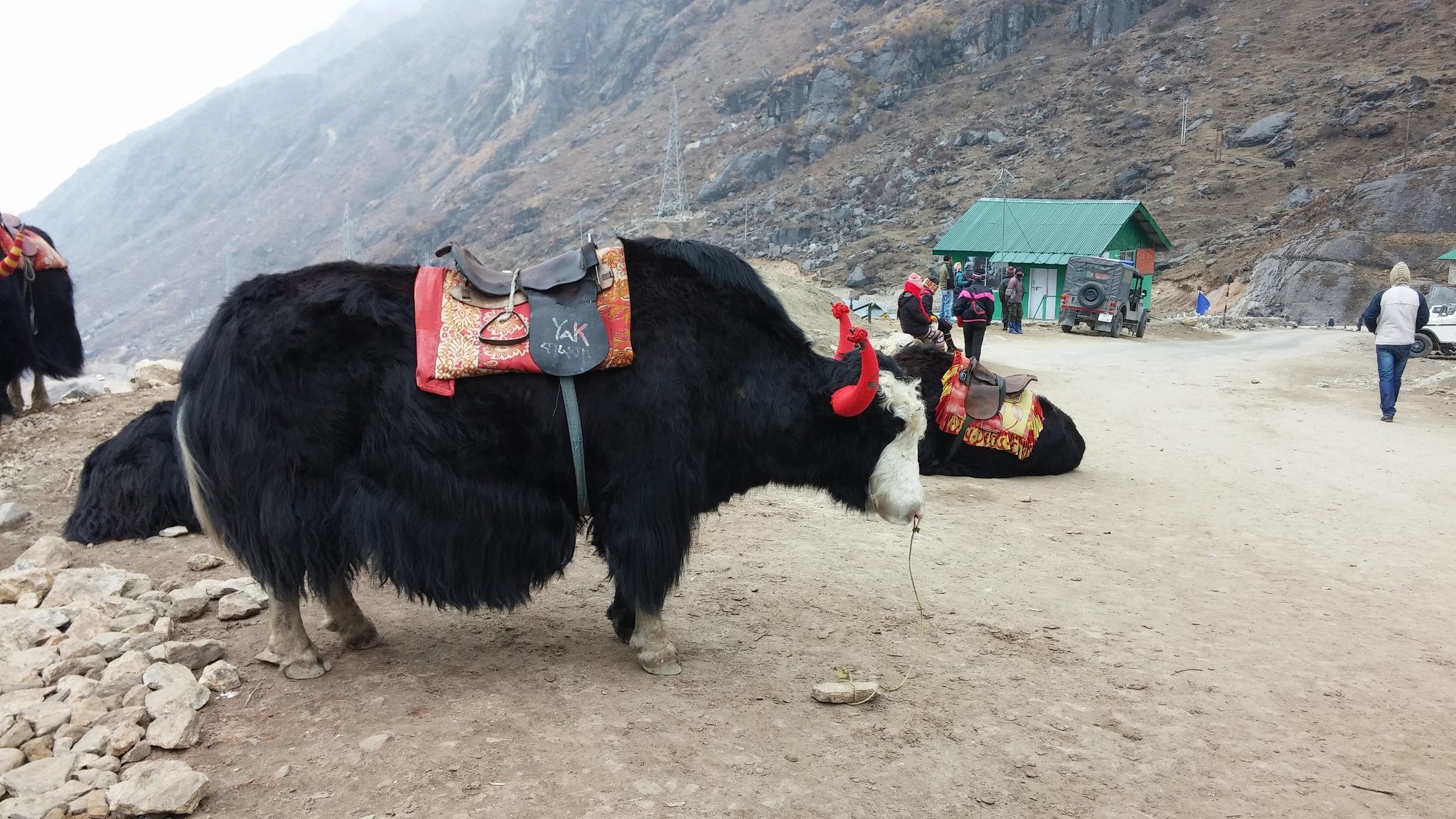
At first, I hesitated. The yaks, with their massive horns and stoic expressions, seemed almost prehistoric. But once we mounted them, the experience turned exhilarating. Their slow, rhythmic gait carried us along the lakeside, the cold breeze brushing our faces, the sound of bells mingling with the whispering wind.


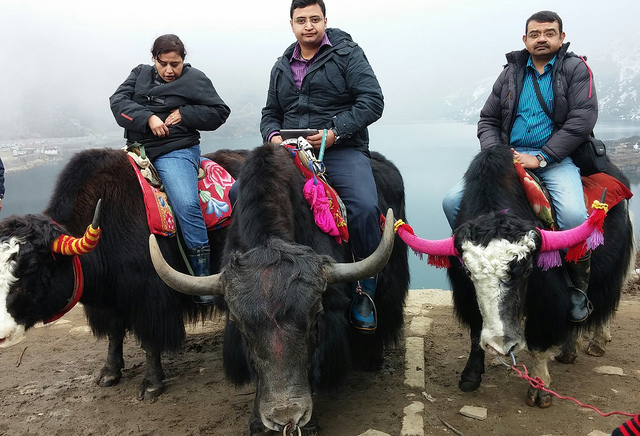
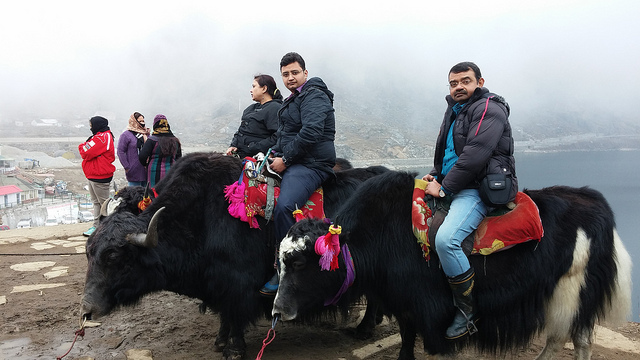

Yaks have been domesticated in the Himalayas for thousands of years, valued for their milk, wool, and endurance. To ride one here, beside a lake that reflects the sky, felt like participating in an ancient mountain ritual — a communion between human and nature.
A Rustic Market by the Lake
Before we left, we explored the small market near the lake — a delightful mix of stalls selling woollens, curios, and local delicacies. One vendor offered yak cheese, sold in small chunks strung together like a garland. I tried a piece — firm, chewy, and reminiscent of mild cheddar, it made for an unexpectedly good chewing gum substitute.

The cold mountain air called for something warm, so we huddled near a small eatery serving hot momos and tea, the steam rising like a blessing. On a wall nearby, a mural of Che Guevara caught my attention — a curious yet fitting emblem of rebellion and endurance amidst the rugged beauty of the Himalayas.

Permits & Practicalities
Since Tsomgo Lake lies within a protected area close to the Indo-China border, access requires a Protected Area Permit. For Indian nationals, these can be arranged easily through hotels or travel agents in Gangtok or obtained directly from the Police Check Post. Foreign nationals need clearance from both the Tourism & Civil Aviation Department and the Police Check Post.
Weather can change rapidly in these altitudes, so warm clothing, sturdy footwear, and motion sickness medication are advisable. The best time to visit is between March and May, or October to December, when the roads are more accessible and the vistas, at their finest.
Reflections
Our visit to Tsomgo Lake was more than a sightseeing excursion — it was an encounter with the Himalayas in their purest form. The journey blended natural splendour, cultural richness, and the quiet spirituality that defines Sikkim.
As we drove back to Gangtok, the image of the lake lingered in my mind — still, silvery, and timeless. Tsomgo had offered us not just beauty, but perspective — a reminder that the most memorable journeys are those where nature and soul find common ground.
For travellers seeking serenity, adventure, and a brush with legend, Tsomgo Lake is not merely a destination. It’s a dialogue between the earth and the sky — and you, somewhere in between, listening.

It so much snowed the day we went, I missed the yak ride.
LikeLiked by 1 person
But you enjoyed the grandeur of the nature. That’s no less an experience.
LikeLike
You are good at narration Indrajit, the detailed description transported me there once again. This place seems to have commercialised a lot…there was no yak ride or food centres when we visited. 🙂 and no snow as we had gone there in summer vacation.
LikeLike
Thanks, Balroop. Sikkim has now developed into a prime tourist destination. I first visited Gangtok in 1987 and then the facilities were quite basic with only a few tourists around.
LikeLiked by 1 person
Fantastic pictures. Strangely, I feel that we had also seen the picture of Che Guevara on the wall of a shop near Changu Lake. I may be mistaken though.
LikeLiked by 1 person
Thanks, Somali. Che is very popular icon all over the world. You might’ve seen there too. 😁
LikeLiked by 1 person
Thanks for aa great read
LikeLiked by 1 person
Thanks, Cara.
LikeLike