
The air hung heavy with the scent of possibility — a quiet blend of ancient earth and the promise of inner peace. For millennia, in the vibrant heart of India, a profound practice has been unfolding — a living tapestry woven with movement, breath, and the eternal quest for connection.
This was Yoga — a word resonating with the essence of unity itself, derived from the Sanskrit root ‘yuj’, meaning to yoke or to join. It speaks of the individual soul’s yearning to merge with the Universal Consciousness — a dance as old as time, as enduring as the human spirit.
Long before written history, whispers of yogic practice stirred in the pre-Vedic traditions of India. Like a lotus unfurling at dawn, yoga evolved slowly and gracefully, taking shape around the 6th and 5th centuries BCE in the secluded circles of ascetics and seekers — the earliest śramaṇa movements. Traces of its philosophy can be found in the Upanishads and the Buddhist Pāli Canon, texts that emerged around the 3rd century BCE, each echoing the same pursuit of inner awakening.
Then came a luminous figure who gave this vast spiritual discipline its structure — Maharshi Patanjali. Around 400 CE, he compiled the Yoga Sutras, a timeless treatise that became the foundation of classical yoga. Within its concise aphorisms lies a profound understanding of the mind and the path to liberation — a manual for inner exploration that continues to guide seekers across centuries.
For over six thousand years, this treasure of Indian wisdom remained, for many, a guarded secret — often misunderstood as a series of physical postures. Yet the truth of yoga runs far deeper. The asanas and pranayama are but gateways to a transformative journey, an invitation to discover the infinite potential that dwells within the human soul.
The Journey Westward
By the late 19th century, the winds of change began to carry this wisdom beyond India’s shores. Visionary teachers like Swami Vivekananda introduced yoga to the West, presenting it not merely as a physical regimen but as a complete philosophy of life. Yet it wasn’t until the 1980s that yoga truly took root worldwide — embraced for its dual gifts of physical vitality and spiritual calm.
And then, in the 21st century, yoga’s universal message found its most visible recognition. On September 27, 2014, at the United Nations General Assembly in New York, India’s Prime Minister, Narendra Modi, described yoga as “an invaluable gift of India’s ancient tradition.” He spoke of it as a practice that embodies “the unity of mind and body; thought and action; restraint and fulfilment; harmony between man and nature.” He urged the world to dedicate June 21st — the summer solstice — as the International Day of Yoga.
The response was extraordinary. From Nepal to Nicaragua, nations joined in agreement. A record 177 countries co-sponsored the resolution — the largest in UN history. And on December 11, 2014, the 193-member General Assembly adopted it unanimously, affirming yoga’s timeless relevance to the modern world.
A Morning in Baghdad
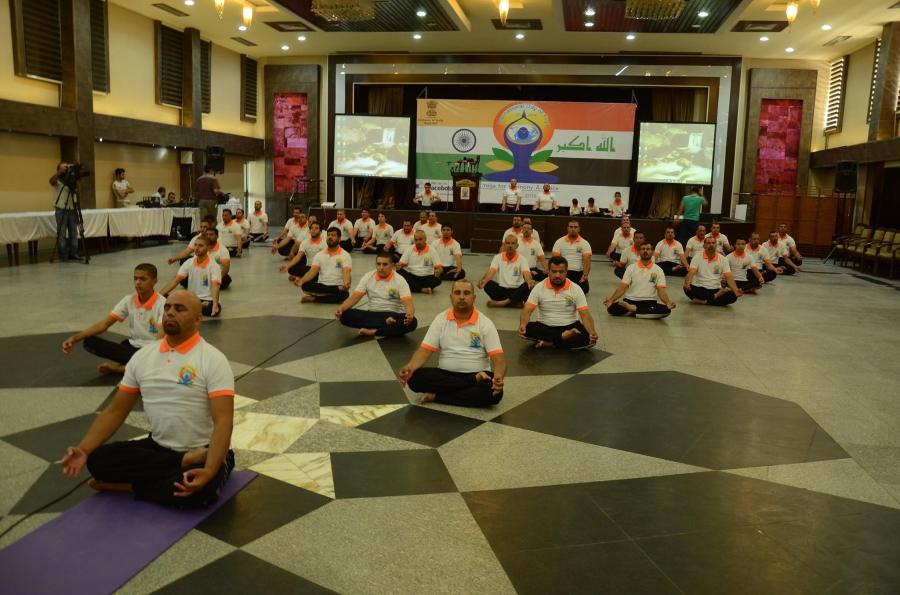
Here in Baghdad, Iraq, the sun was beginning its slow descent when I received a call one Thursday afternoon. The familiar voice on the other end was that of Mr. Ashok Rawat, Assistant Consular Officer at the Indian Embassy. His tone carried a note of joy — the embassy would be celebrating the first International Day of Yoga on June 21st at the Iraqi Hunting Club. An invitation soon followed — a token of this shared celebration of harmony.
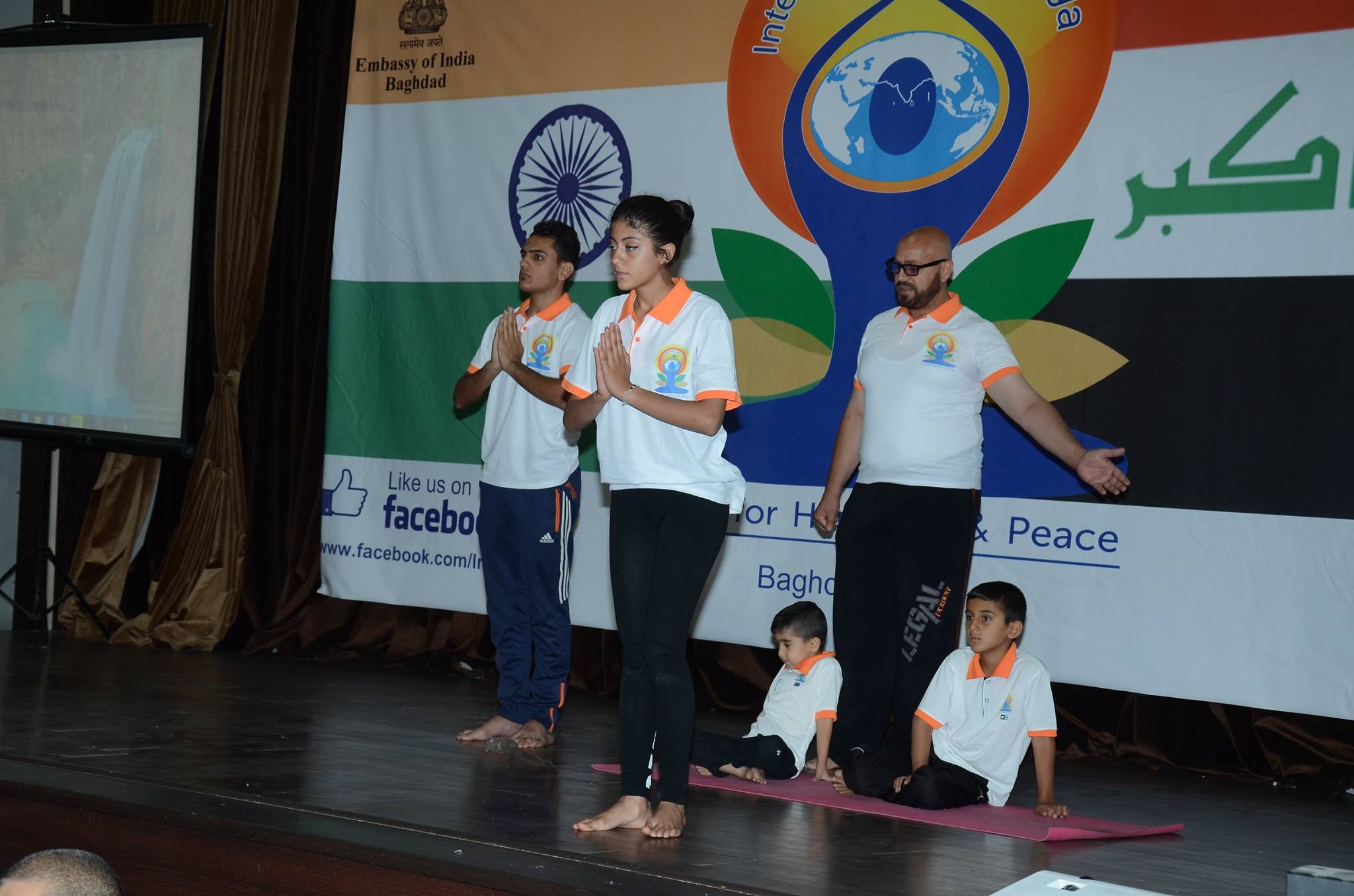
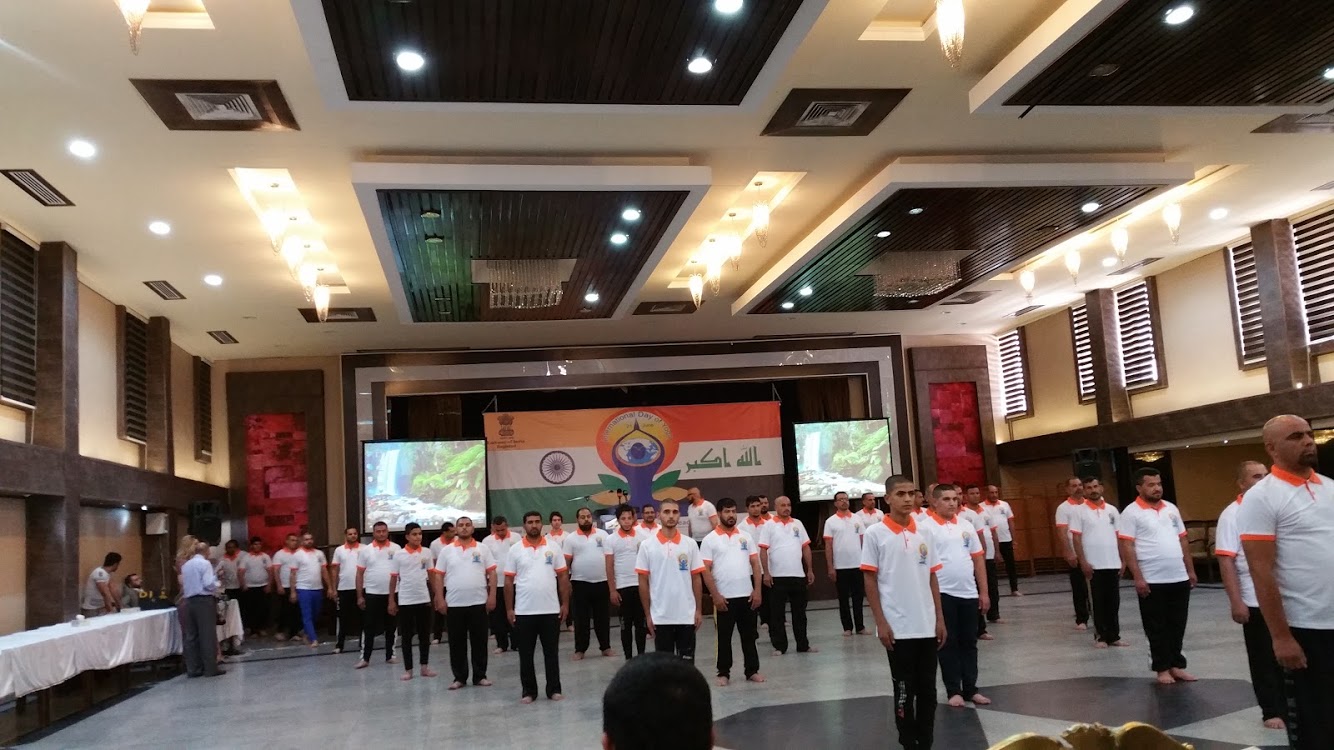
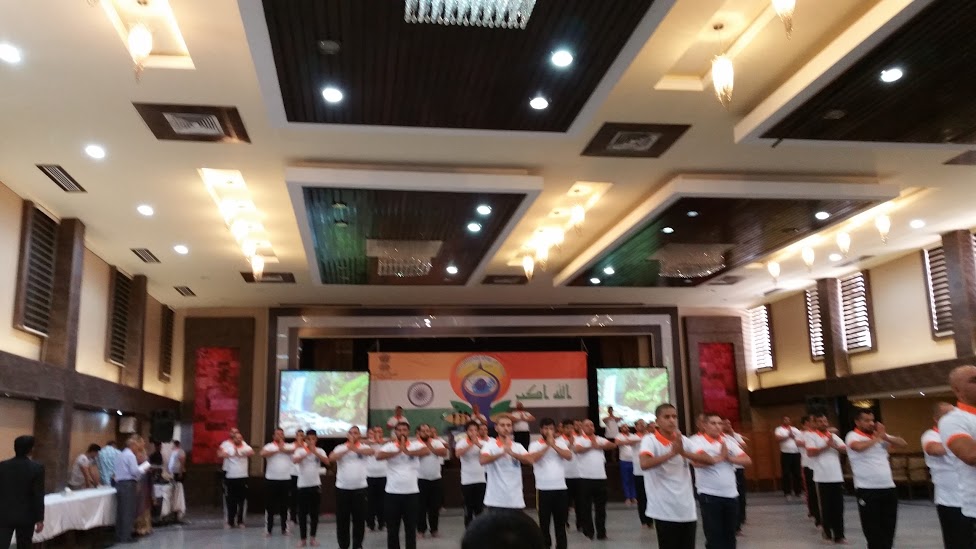
That morning, as I arrived at the venue at 10:05 a.m., the air was already humming with quiet anticipation. By 10:15, the event began. The Chief Guest was Mr. Faryad Rawandozi, the Culture Minister of Iraq. Before my eyes, young Iraqi enthusiasts moved through asanas with grace and focus, their silhouettes framed by the soft Baghdad light. It was a moment of beauty — Yoga Day unfolding in a land far from its birthplace, yet perfectly at home.
Beyond Borders
Standing there, I felt a warmth that went beyond national pride. This was not merely an Indian celebration — it was humanity’s celebration of balance, mindfulness, and unity. Yoga, born in the ancient soil of India, had transcended geography to become a universal language — one that speaks to our shared longing for harmony within ourselves and with the world around us.
May we continue to honour this ancient wisdom — not just on June 21st, but every day — as we breathe, move, and live with awareness.
Happy International Yoga Day — today and always.
May the spirit of yoga continue to guide us toward a more balanced and unified world.

Good to read about the International Yoga day celebrations organized by the Indian embassy at Iraq spreading the message of health, well-being, peace and harmony.
LikeLiked by 1 person
Nice to see pictures of the event in war-torn Iraq as well. Hope yoga brings the healing touch to the people there.
LikeLiked by 1 person