

Tonight, the heavens are staging a rare and radiant performance—one that hasn’t graced our skies in nearly seven decades. The summer solstice, marking the longest day of the year, shares the celestial stage with the full “Strawberry Moon,” a luminous orb steeped in seasonal lore and ancient tradition. This remarkable alignment is more than just a coincidence of calendars; it’s a once-in-a-generation spectacle that invites us to pause, look up, and marvel at the cosmic choreography unfolding above.
The Strawberry Moon: A Harvest of Light and Legend
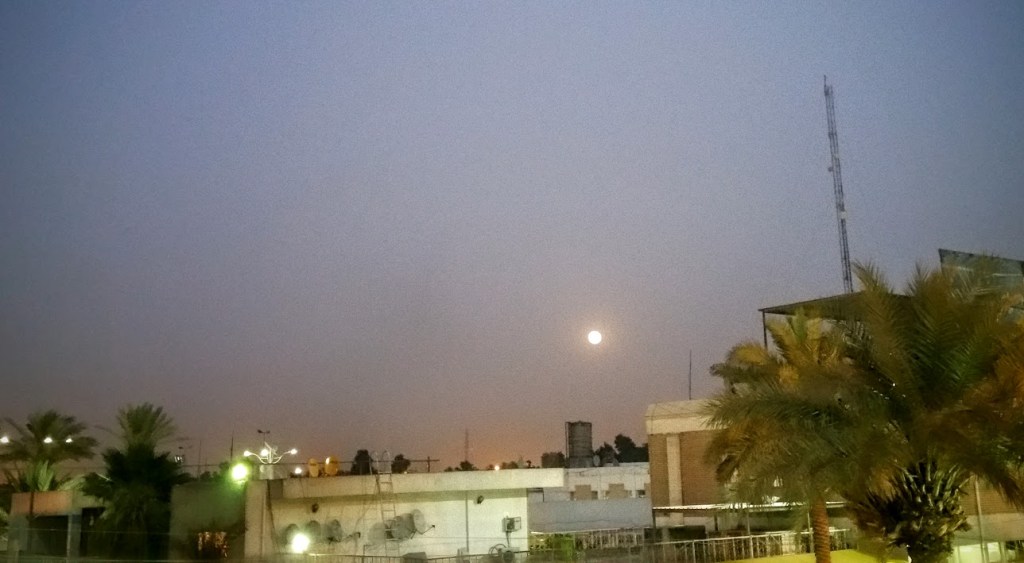
The June full moon, affectionately known as the Strawberry Moon, carries with it a legacy rooted in the rhythms of the Earth. Named by the Algonquin tribes of North America, this moon signalled the time to gather ripening strawberries—a sweet and fleeting bounty of early summer. Unlike the blood-red hue its name might suggest, the Strawberry Moon typically glows with a soft amber or golden light, casting a warm glow that feels both nostalgic and new.
Tonight, as this moon ascends into the sky, it does so in tandem with the summer solstice, bathing the Earth in a full 24 hours of light. It’s a rare pairing that hasn’t occurred since 1948, when the solstice and full moon aligned within less than an hour of each other. In our modern moment, they’re separated by about 12 hours—but still share the same calendar date, a detail that makes this convergence all the more extraordinary.
Solstice: When the Sun Stands Still
The word “solstice” comes from the Latin solstitium, meaning “sun standing still.” It’s a poetic description of the moment when the sun reaches its northernmost point in the sky, appearing to pause before beginning its slow journey southward. Some prefer the more evocative term “sunturn,” which captures the quiet drama of this celestial pivot.
At precisely 22:34 UTC tonight, the June solstice officially begins, ushering in astronomical summer. Meanwhile, the moon reached its full phase earlier today at 11:02 UTC. Though separated by half a day, the two events are close enough to create a rare overlap—one that hasn’t occurred with such synchronicity since 1986, and not on the same calendar date since 1967 for some time zones.
A Dance Through Time
To find a moment when the solstice and full moon aligned almost simultaneously, we must journey back to 21 June 1948. That year, the two events occurred within less than an hour of each other—a celestial duet that has echoed through the decades, waiting to be reprised.
And it will be again, though not soon. According to astronomical projections, the next time the summer solstice and Strawberry Moon will share the same calendar date will be on 21 June 2062. For many of us, tonight may be the only chance to witness this particular harmony of light and time.
A Moment to Remember
There’s something deeply humbling about standing beneath a sky that has seen generations come and go, and yet continues its timeless dance. The convergence of the solstice and Strawberry Moon reminds us that we are part of a larger rhythm—one that connects us to ancient traditions, seasonal cycles, and the enduring beauty of the cosmos.
So tonight, step outside. Let the moonlight wash over you. Feel the lingering twilight of the solstice stretch across the horizon. Whether you’re a seasoned stargazer or simply someone who enjoys the quiet wonder of the night sky, this is a moment worth savouring.
Let it inspire you. Let it remind you that even in the vastness of space and time, there are rare and beautiful alignments—just like this one—that bring light to our lives and meaning to our days.

Glad that you drew the attention to this fantastic celestial event..the title was too intriguing and arousing curiousity..thanks Indrajit ji..
LikeLiked by 1 person
Thanks Sunita ji.
LikeLiked by 1 person
Very interesting; thanks for sharing!
LikeLiked by 1 person
Thanks Rashmi.
LikeLike
Strawberry Moon sounds very delicious 🙂 So it is quite an astronomically eventful day today. Thanks for sharing.
LikeLiked by 1 person
Thanks Somali. The event occurred on 20 June. Yes, Strawberry Moon is really another beautiful name given to the moon.
LikeLiked by 1 person
I had no idea it’s called the Strawberry Moon! How interesting…enjoyed reading this post Mr. Indrajit!
Divya
LikeLiked by 1 person
Thanks Divya. 😊
LikeLiked by 1 person
Very informative post. Thanks for sharing !!
LikeLiked by 1 person
Thank you
LikeLike
Thanks for sharing such a natural beauty, great information and views.
LikeLiked by 1 person
Thanks for dropping by.
LikeLiked by 1 person
I celebrated the Solstice this year and it was great having that strawberry Moon to make it even more special!
LikeLiked by 1 person
😊😊👍👍
LikeLike