
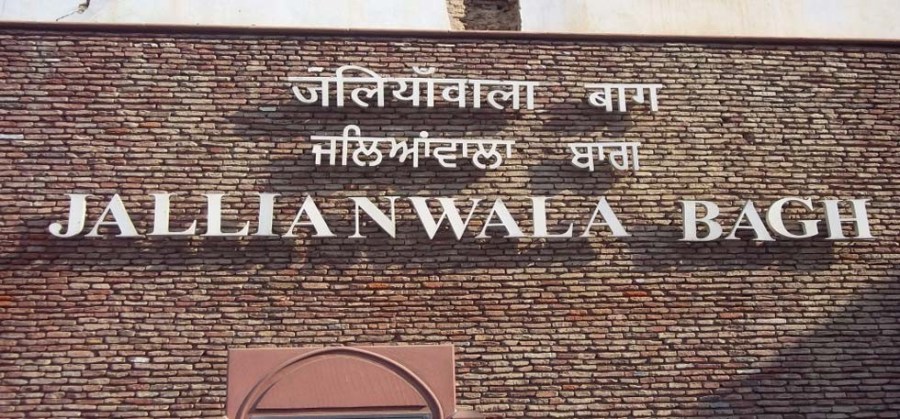
Jallianwala Bagh, nestled in the heart of Amritsar, Punjab, is more than just a public garden. It is sacred ground — a silent witness to one of the darkest chapters in India’s colonial history. On April 13, 1919, the day of Baisakhi, thousands gathered at this enclosed ground — some to celebrate, others to peacefully protest against the repressive Rowlatt Act imposed by the British Raj. Many were unaware that public gatherings had been banned. Families, traders, farmers, and students assembled with hope and faith in the power of collective voice.
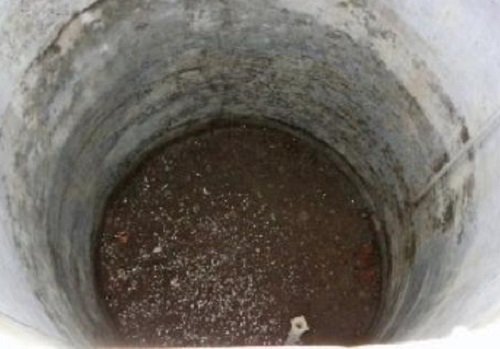
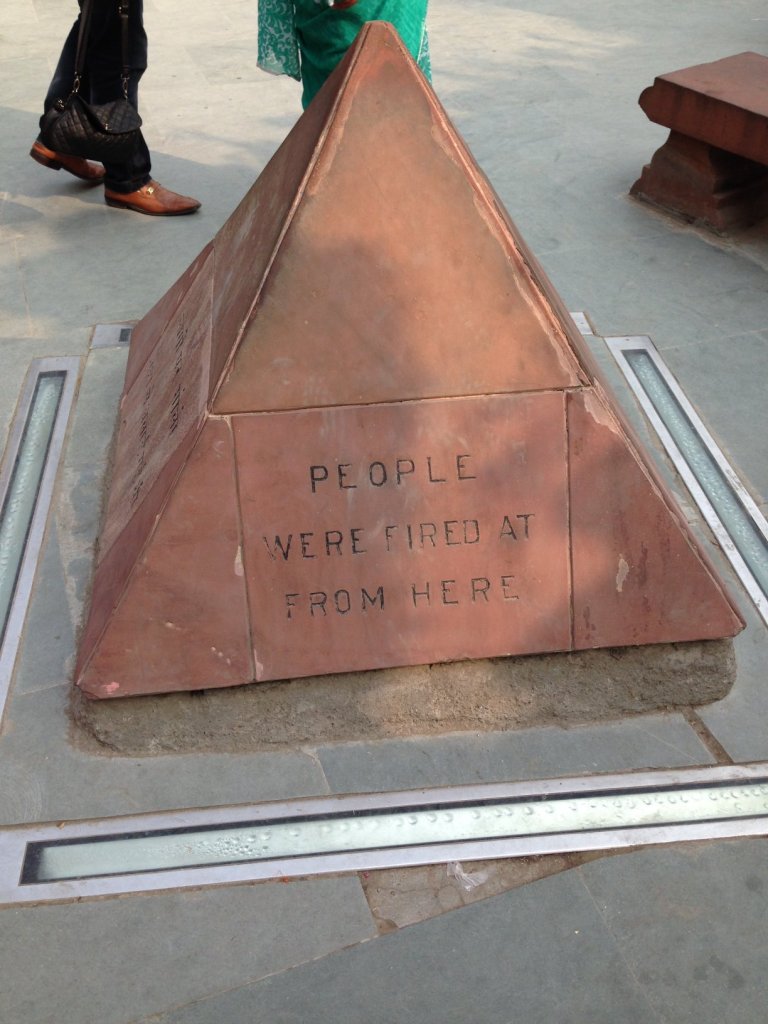
Then came General Reginald Dyer. Without warning or provocation, he ordered his troops to open fire on the unarmed crowd. For ten relentless minutes, bullets rained down upon men, women, and children trapped within the high brick walls of the garden. Panic turned to despair as people scrambled for cover — some pressed against the walls, others leapt into the Martyrs’ Well, where over 120 souls perished in their desperate attempt to escape the carnage.
When the smoke cleared, the ground was littered with bodies. Official British records claimed around 379 deaths; Indian estimates place the toll far higher. Hundreds more succumbed later to their injuries, unattended and abandoned.
Even today, the bullet marks on the walls of Jallianwala Bagh whisper the horror of that day. The site has since been transformed into a national memorial, inaugurated in 1961 by Dr. Rajendra Prasad, India’s first President. The Martyrs’ Gallery within the complex preserves rare photographs, paintings, and documents — stark reminders of the cost of freedom.

The massacre sent shockwaves across the nation. It was the moment when illusions about British benevolence were shattered. Rabindranath Tagore, in an act of moral defiance, renounced his knighthood, writing:
… The disproportionate severity of the punishments inflicted upon the unfortunate people and the methods of carrying them out, we are convinced, are without parallel in the history of civilised governments, barring some conspicuous exceptions, recent and remote. Considering that such treatment has been meted out to a population, disarmed and resourceless, by a power which has the most terribly efficient organisation for destruction of human lives, we must strongly assert that it can claim no political expediency, far less moral justification. …
Rabindra Nath Tagore in his letter renouncing his knighthood after this massacre
The blood of Jallianwala Bagh became the ink that rewrote India’s destiny. It transformed anger into resolve, grief into courage, and a subjugated people into a movement for freedom.
Yet, as we stand in the comfort of our independence today, one cannot help but wonder — have we truly honoured their sacrifice? We have allowed complacency and cynicism to dull our collective conscience. We remember our martyrs ceremonially — a few speeches, a few floral tributes, and then back to our routines.
They did not die for remembrance; they died to awaken us. Their courage was not meant to be caged in history books but to flow through our veins as moral strength — to remind us that freedom, justice, and equality must be fought for every single day.
The bullet holes at Jallianwala Bagh are not just relics of the past. They are mirrors reflecting the present — asking us uncomfortable questions:
Is this the freedom they died for?
Have we become too passive, too divided, too forgetful?
It’s still not too late. We can still rise to the call of their sacrifice — to rebuild the India they dreamed of: brave, compassionate, and united in purpose.
Today, Jallianwala Bagh stands not only as a memorial of tragedy but as a monument of resilience. Its scarred walls echo with the eternal message that from the darkest moments of oppression can rise the brightest flames of freedom.

Very well said, my dear.
LikeLiked by 2 people
Thanks uncle
LikeLike
Well written.
LikeLike
Jalliamwala Bagh was a terrible happening. This post is a reminder to all of us who get too snug and absorbed in our life to care about anything else.
LikeLiked by 2 people
Yes, very true. We are forgetting the huge cost paid by our ancestors to achieve this freedom. We are becoming too complacent and the ‘chalta-hai’ attitude is killing us. This is posted by my son after his recent visit to Amritsar.
LikeLiked by 2 people
Excellent post!
LikeLiked by 2 people
Thank you! 🙂
LikeLiked by 1 person
You ask questions that are important for people in countries all over the world to ask themselves. In the United States we need to ask ourselves these sorts of questions too.
LikeLiked by 2 people
What I am saying is as Dr. Shahi Tharoor once said “let’s forgive but let’s not forget” because in doing so we are disrespecting the history, the sacrifices of the people on whose corpses we achived the freedom from over 200 years of British rule. What I am saying is that I don’t want my country to wage a war on them or demand for war reparations but rather remember it and not let it happen again.
Perhaps, there is not much difference if we were ruled by British or by any other rulers like Mughals. But what we miss is the point that government is meant to govern the country not rule it which is happening de facto. Well, one may argue that it’s a democratic country but everyone living here knows how do politicians get elected or take votes rather than earning them. And it’s not like no one knows it and I am the only one who realises that we are in a sinkhole and more we move, faster we sink. But nobody wants to do anything about it. We all are self-centered and think of ourselves, our families and not of the country.
Thanks for agreeing with me. And I would love to know about the similarities that you see in the USA. But I am actually under the impression that Americans are quite patriotic even though they are more a capitalist.
LikeLiked by 1 person
I have been there and it brings a somber feeling and a deep anguish looking at the bullet marks on the walls.
What irked me was the attitude of the crowd at the park. Instead of remembering the great sacrifices of the faceless braves, the new generation have made the place a picnic point. Not to mention the litter bugs.
Great article by Judhajit, it rekindled the memories of my visit.
LikeLiked by 1 person
Exactly its not a place to sit with family and chat about life. It’s there for remembrance. As Dr. Shashi Tharoor once said let’s forgive but let’s not forget. And what I am asking is constant kindling fire of patriotism throughout one’s life instead of too much patriotism for twice a year rather. It is one’s duty to be patriotic towards his/her country and serve the country any way possible. I am not talking about going into war for the sake of patriotism but if we all stop exploiting our own country for our own greedy motives, for once; then there might be a chance that we may be able to create a future where we and our next generations can survive without worrying about the resources and other necessities and will able to lead a peaceful and healthy life. That’s my vision of the patriotism. Well, being a human being I even find own benefits in it. On the other hand we have always been the most parasitic species of the nature.
Uncle, thank you for agreeing with me. And may more and more people read and realise that they misunderstood the idea of freedom for which our, and their ancestors burnt their own bodies and souls for since, they found it on a platter. Thank you….
LikeLiked by 1 person
Indeed! Like someone said, “if you forget the lessons of history, you are bound to repeat them”.
LikeLiked by 2 people
Yup, so true sir and thanks for agreeing to it
LikeLiked by 2 people
I have been there, but that place did not make me feel the anguish I feel today after reading this.
LikeLiked by 1 person
See, exactly that’s what I meant, we fight for religions: churches, temples and mosques, but we tend to forget the heroes, who gave us these rights and conditions that we fight for today. Thank you for agreeing.
LikeLiked by 2 people
Every time I come up punjab I visit here. It still makes me shiver thinking about what happened….
LikeLiked by 1 person
Whenever I visit the place, it brings a sad, somber feeling and I can literally hear the cries of innocent people caught unaware in the firing. The bullet marks on the walls are the grim reminder of the tragedy and urge us not to forget the sacrifices made by thousands of people for India’s Independence.
LikeLiked by 1 person
Yes, very true. I hope that we don’t forget their sacrifices. Thanks.
LikeLiked by 2 people
This absolutely correct and well written.
LikeLike