
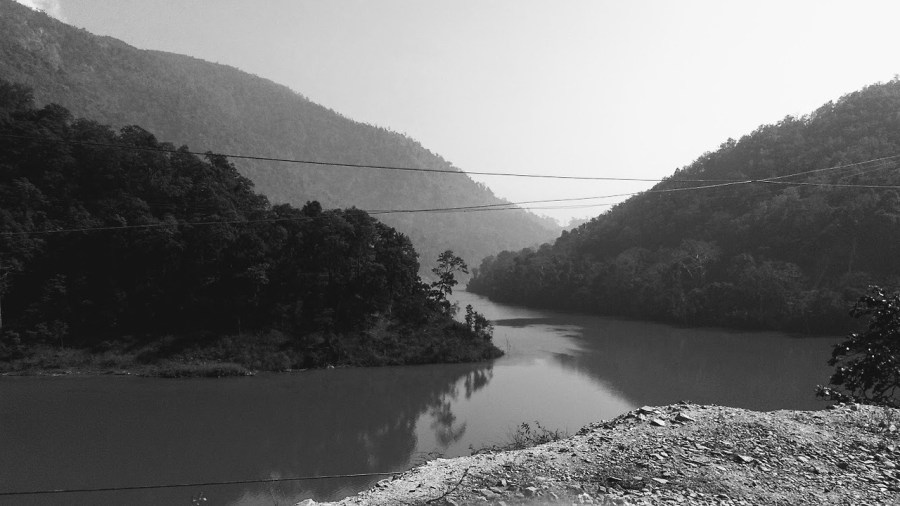
Driving down from Gangtok, the journey is defined by the Teesta River, flowing gracefully alongside for much of the route. The National Highway 10 (formerly NH-31A) winds along the mountainous terrain, mirroring Teesta’s path as it meanders through the lush forests and stunning landscapes of Sikkim. The turquoise waters, nearly omnipresent, seem to accompany travelers, offering breathtaking views at every turn.
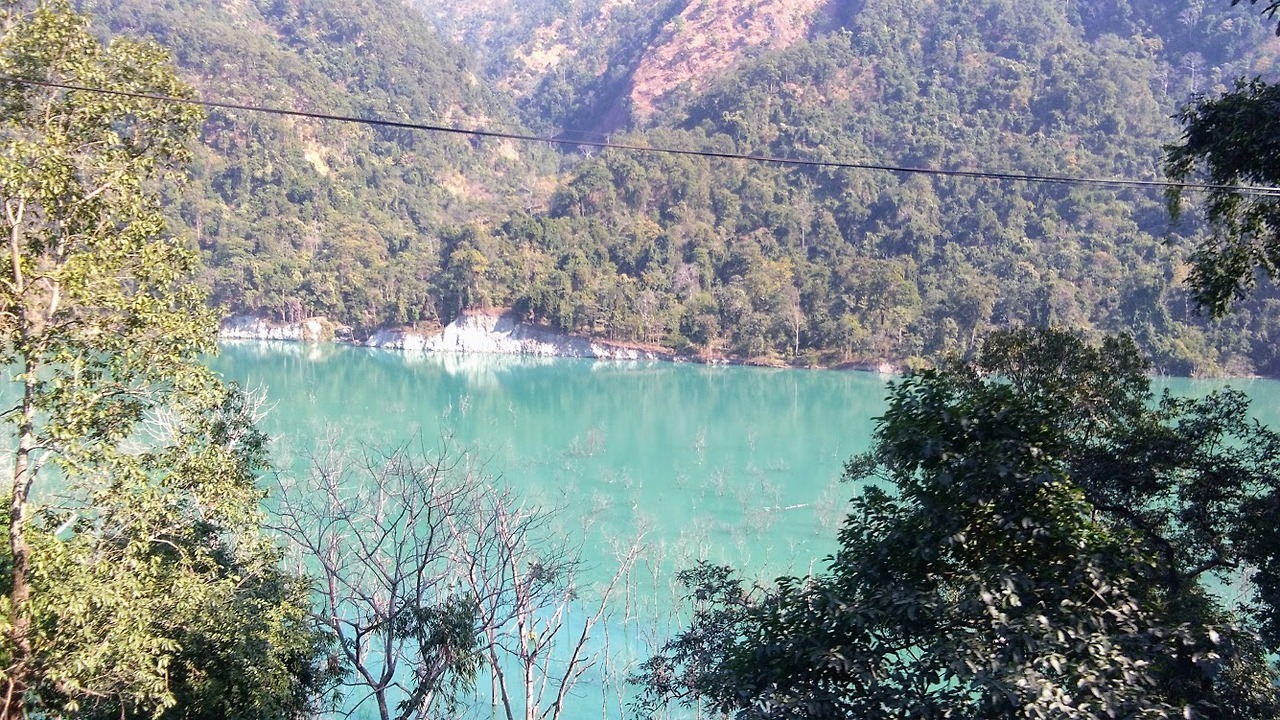
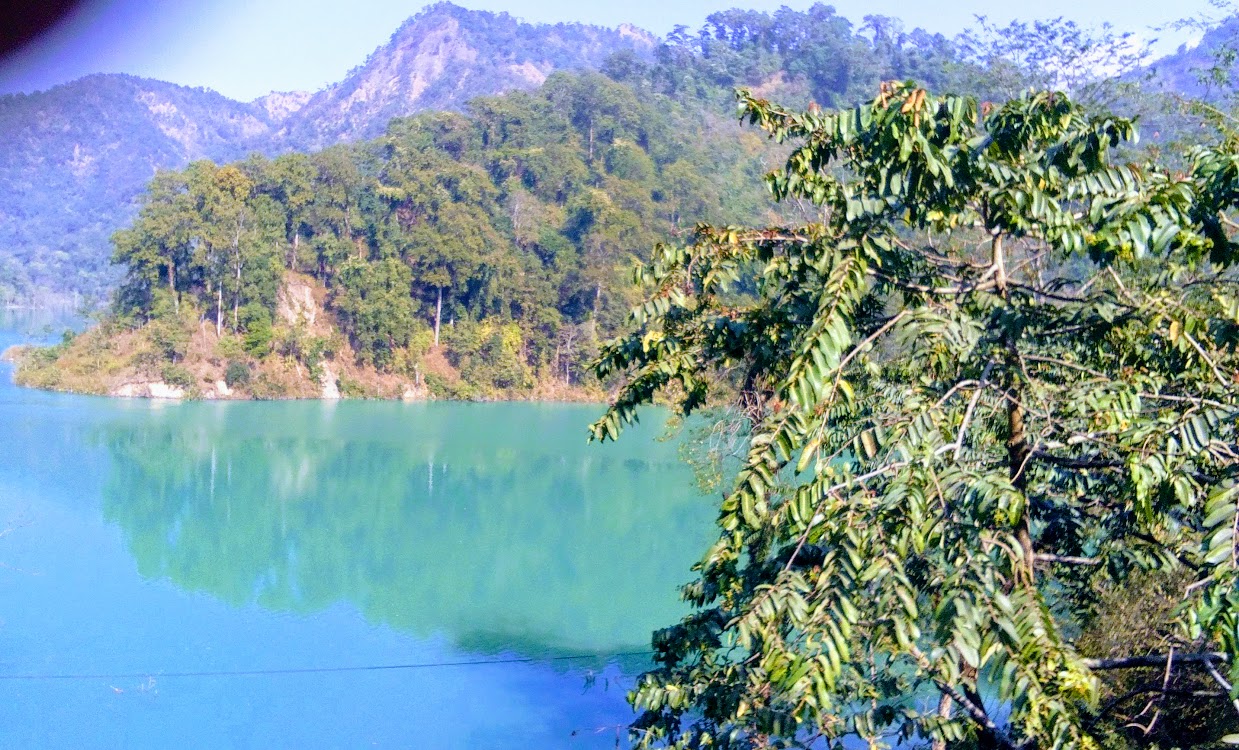
As we made our way from Gangtok to Siliguri, I couldn’t resist capturing the striking turquoise of the Teesta River. Moving along, almost in tandem, I felt a connection to the river’s serene yet powerful presence.
Teesta’s Origins and Course
Spanning 309 kilometers, the Teesta River begins its journey high in the Himalayas at the Pahunri (Teesta Kangse) glacier, towering over 7,068 meters (23,189 feet). It cascades through the rugged landscape of Sikkim and West Bengal before flowing into Bangladesh and eventually the Bay of Bengal.
For Sikkim, Teesta is akin to the River Ganga for North India—a vital lifeline. Alongside its counterpart, the Rangeet, Teesta is integral to the region’s ecosystem and heritage, both rivers originating from Himalayan glaciers and sustaining the landscapes they traverse.
A Match Made by Nature: The River and Its Valley
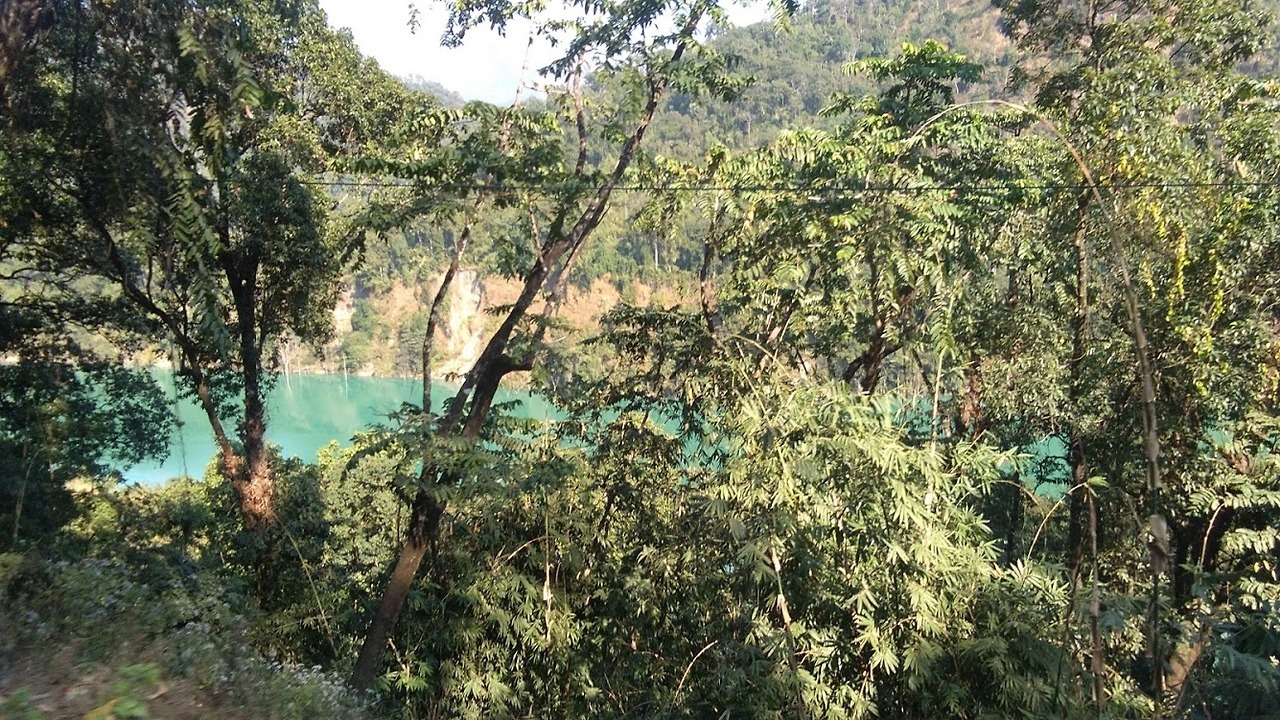
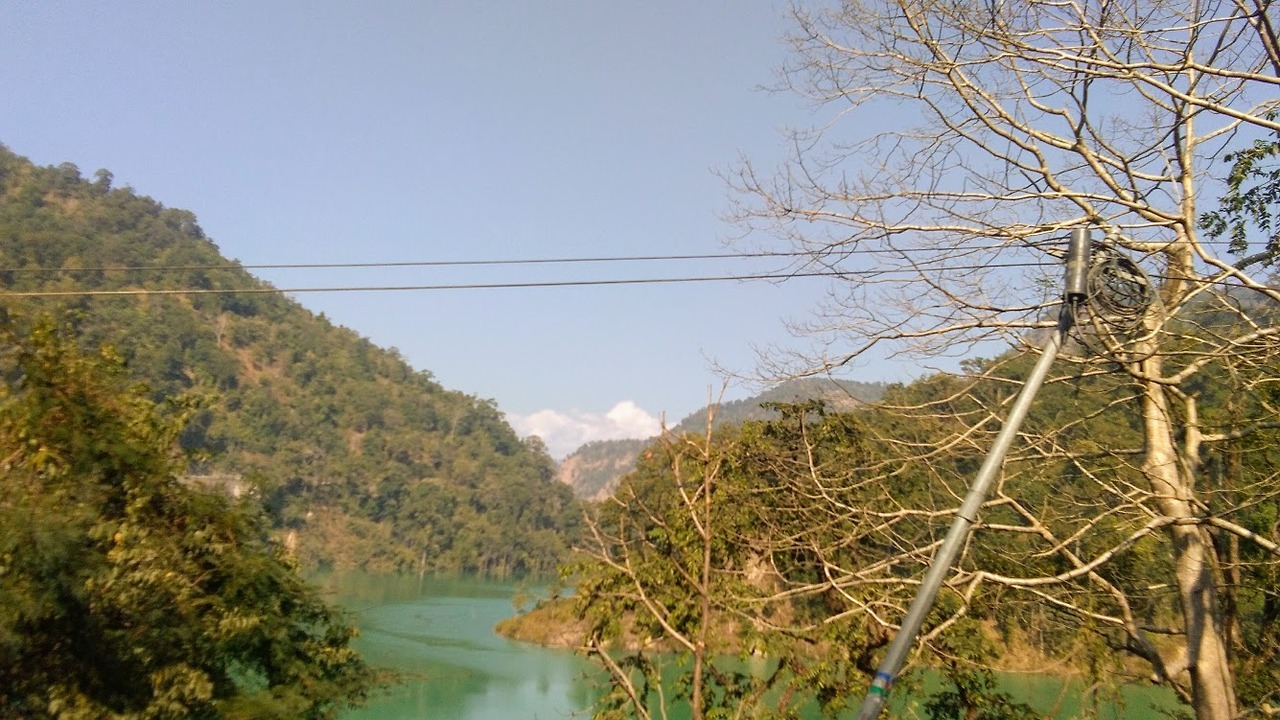
The synergy between Teesta and its valley is captivating, a natural partnership sculpted by time. The river’s vibrant green hue, glistening against the mountainous backdrop, is unforgettable. My first glimpse of this color six years ago left a lasting impression, and since then, each journey along this road has renewed my admiration.
Legends of the Teesta River
The word “Teesta” means “desire” or “trishna” in Sanskrit, symbolizing an endless longing. Known in the Pali language as “Tanda,” the river holds a storied place in Indian mythology, with references in ancient texts like the Kalika Purana.
One myth recounts that Teesta was born from a celestial boon granted by Lord Shiva. After a demon worshipped him with great devotion, Lord Shiva blessed him, but the demon offended Goddess Parvati, Shiva’s consort. In the ensuing clash, the demon lay wounded and thirsty. Lord Shiva, moved by the demon’s plea, inspired a milky stream to flow from Parvati’s breast, creating the Teesta River, which continues to quench the desires of all who encounter it.
For the indigenous Lepchas, Teesta is not just a river but a living spirit. They believe that Mayel Lyang, their ancestral fairyland, was crafted by Itbu-moo, the Mother Creator. According to their folklore, Teesta (known as Rongnyu) and Rangeet, the two river spirits, were born in the Himalayas and fell in love. They agreed to meet at a specific place, but in a race led by a cunning snake and a swift bird, Teesta arrived first, transforming into the iconic river we know today. To this day, Lepcha weddings invoke the river spirits, blessing couples with the enduring love of Teesta and Rangeet.
What Gives Teesta Its Distinctive Green?
Teesta’s turquoise-green hue likely results from a combination of blue-green algae and glacial flour, or finely ground silt, that remains suspended in the water. Sunlight reflecting off these particles enhances the river’s color, casting a mesmerizing turquoise glow. The region’s rich deposits of limestone and dolomite further intensify this vivid green hue.
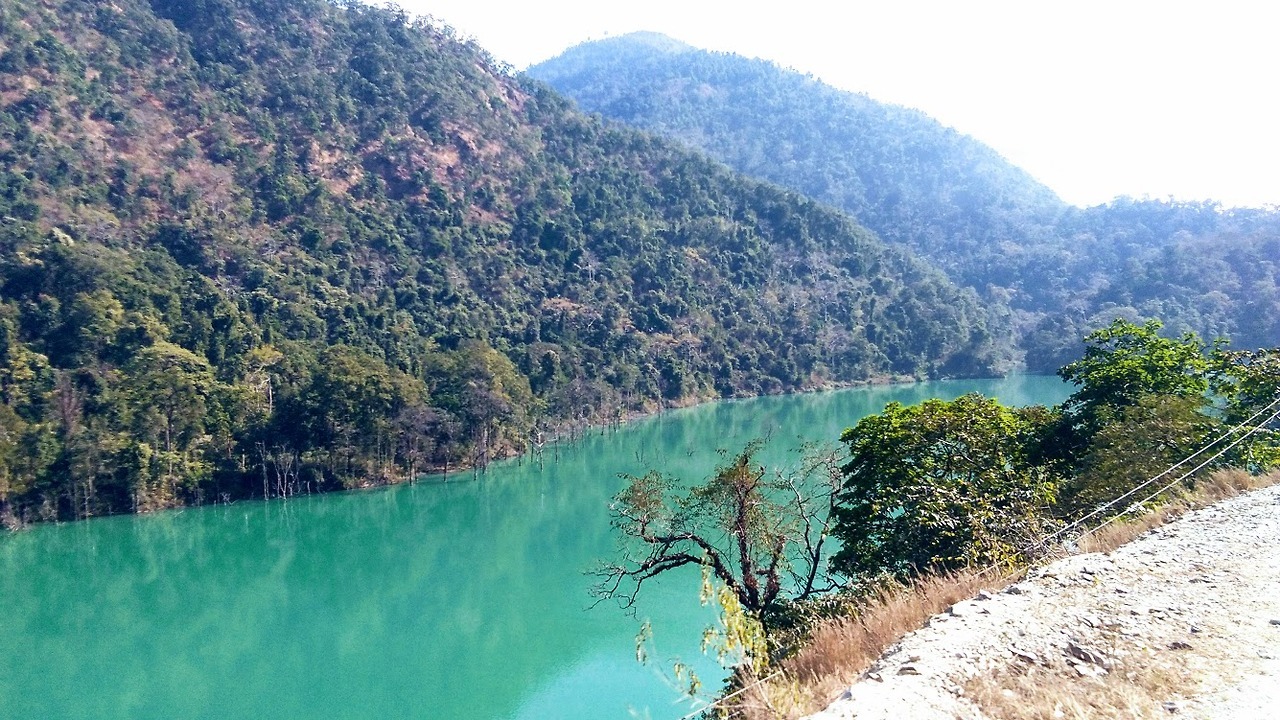
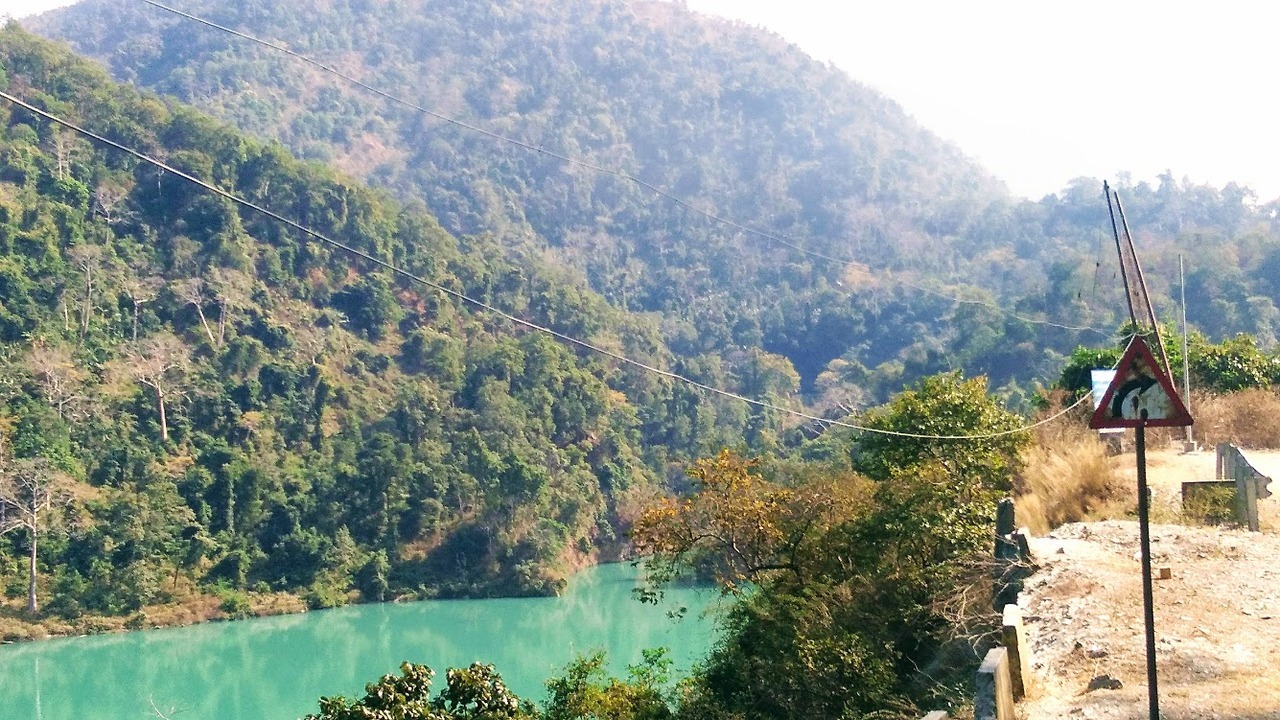
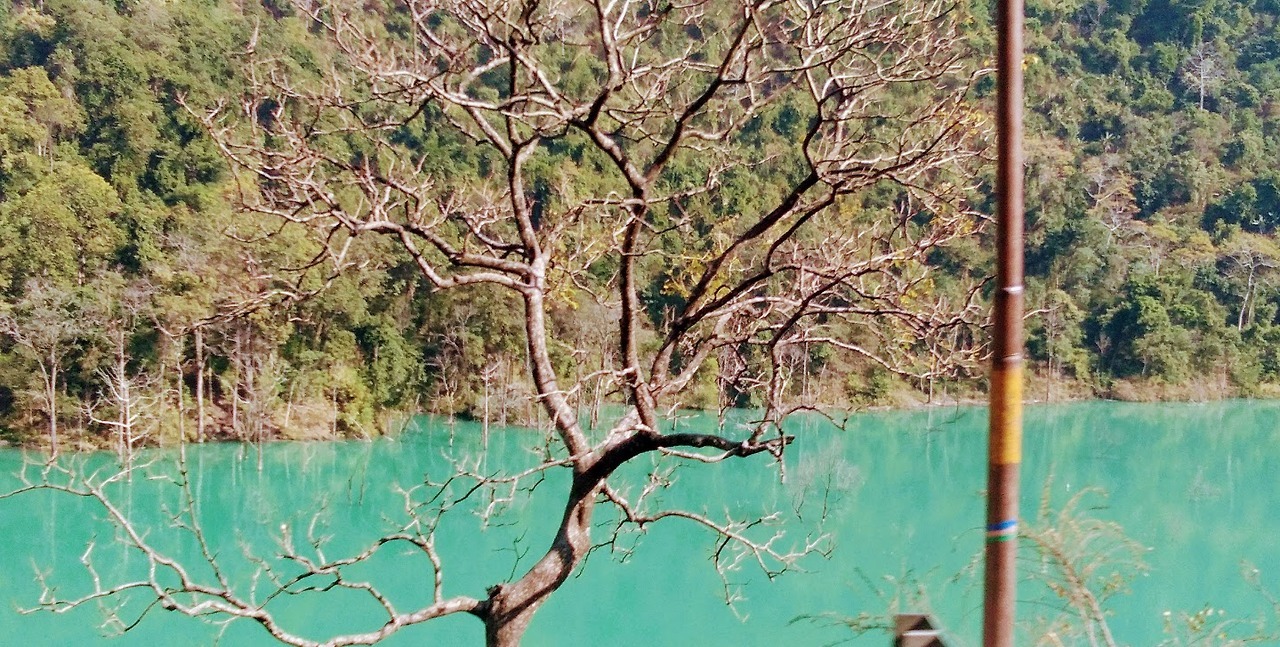
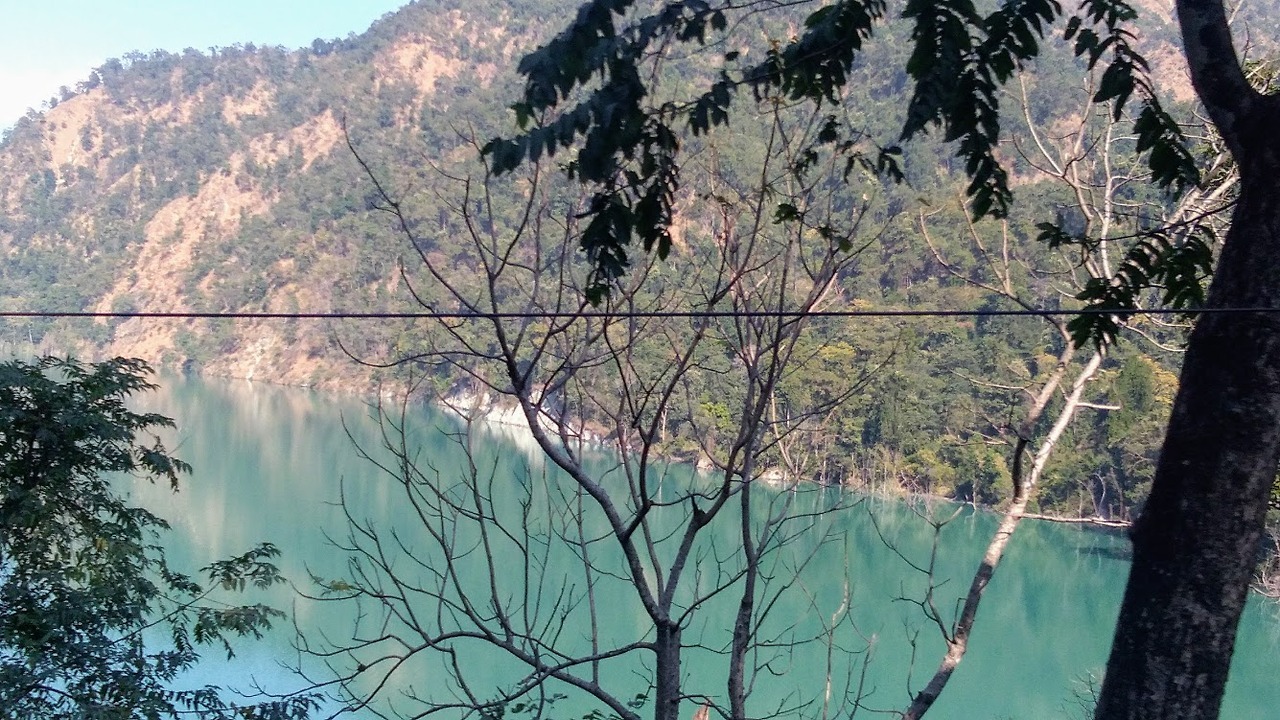
Whether through legends or its striking natural beauty, the Teesta River leaves an indelible mark on all who travel along its banks. With every journey, I find myself drawn back to its timeless allure, a reminder of nature’s enduring artistry and the stories that flow through its waters.

Beautiful images and lovely legends and nice explanation for the greenish colour of Teesta water.
LikeLiked by 1 person
Thanks, dad.
LikeLiked by 1 person
Judhajit writes very well and the pictures speak a thousand word. Bravo.
LikeLiked by 2 people
Thanks Aro.
LikeLiked by 1 person
Thanks uncle.
LikeLike
Beautiful pictures and narrative, with the colour of water of Teesta complimenting the hilly landscape.
LikeLiked by 2 people
Thank you very much. Teesta always fascinates me.
LikeLiked by 1 person
Tessta accompanies all the way from Gangtok to NJP. I always love this route. You’ve captured the river beautifully. The locals often call the river “Sundori Tessta”.
LikeLiked by 2 people
Thanks. I’m honoured. 🙂
LikeLiked by 1 person
The water looks so serene! 🙂
LikeLiked by 2 people
Yes sir, Teesta attracts attention of every traveler to Gangtok from Siliguri with her beauty.
LikeLiked by 1 person
I can completely see why! 🙂
LikeLike