

While sorting through a dusty box of old photographs recently, a particular set of prints transported me back about six years to a truly unforgettable experience: our visit to the awe-inspiring Ajanta Caves. The trip itself was somewhat serendipitous, born from a larger family pilgrimage. My mother was embarking on a spiritual journey to Shirdi, and my father, ever the advocate for exploration, suggested a detour as our route took us through Aurangabad. The choice, he proposed, was between the famed Ajanta and Ellora Caves. As fate would have it, our trusty driver, wise in the ways of the monsoon season, strongly advised against Ellora due to the heavy rains. And just like that, Ajanta etched itself onto our itinerary.
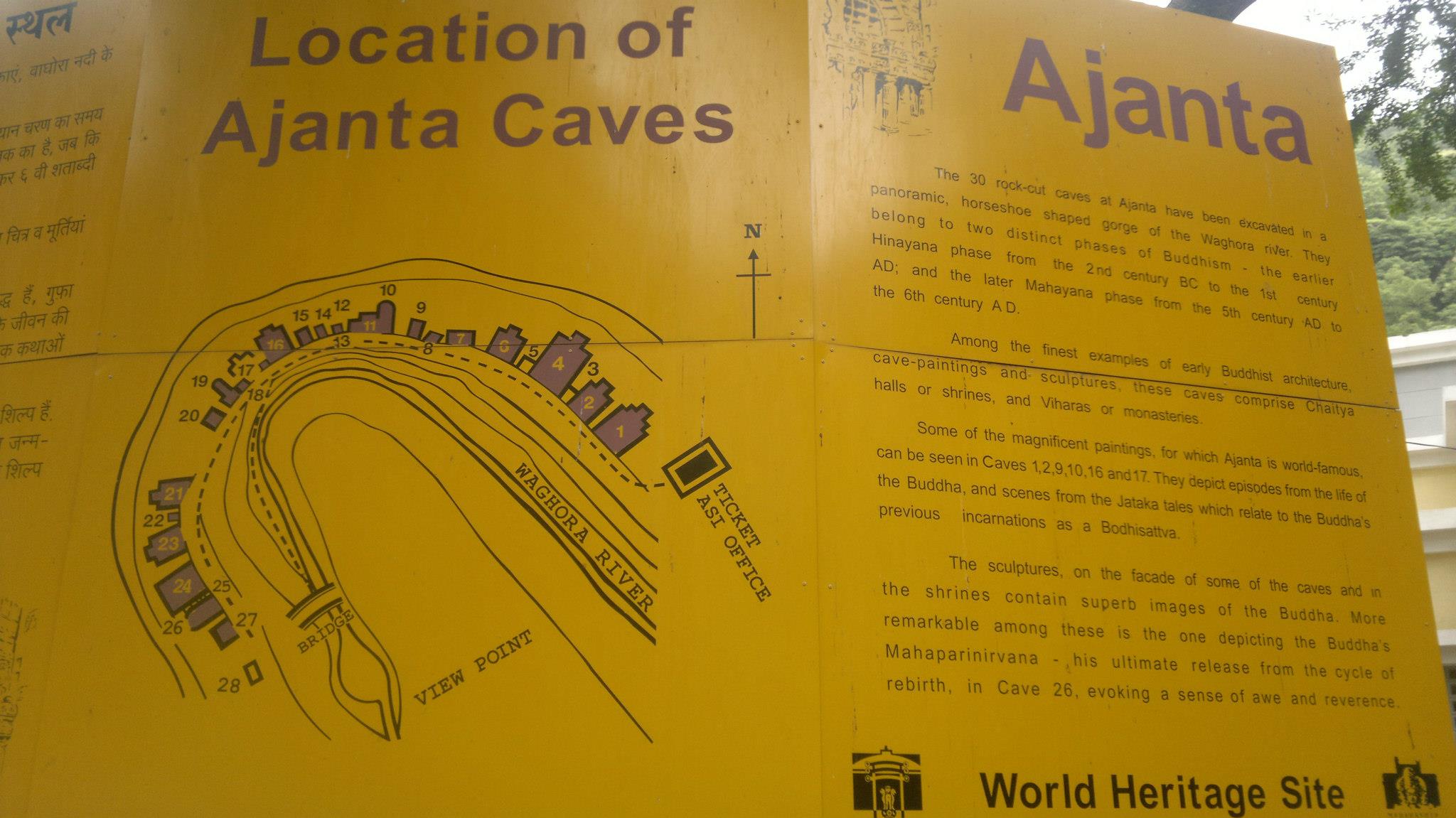
The three-hour drive from Aurangabad to Ajanta was a sensory delight. The monsoon had painted the landscape in a hundred shades of vibrant green, the air thick with the earthy scent of rain-kissed soil. As we drew closer, a simple footbridge spanning the gently flowing Waghora River came into view, an unassuming gateway to an ancient world. This bridge wasn’t just a way to cross the water; it felt like stepping across a threshold into history.


Unlike natural caverns, the Ajanta Caves are a profound testament to human endeavor. Carved meticulously into the sheer face of a mountain, these rock-cut marvels stand as silent witnesses to the ingenuity and artistic prowess of ancient India. As we stood before the towering rock face, honeycombed with these carved openings, it was hard to fathom the sheer scale of the undertaking. Each cave served a distinct purpose, whispering tales of a vibrant monastic life: some were viharas, the living quarters for Buddhist monks; others were stupas, sacred spaces for congregation and veneration; and some were chaitya grihas, prayer halls echoing with the chants of centuries past.


The antiquity of these caves is palpable. Paleographic evidence suggests their creation spanned two significant periods: the initial phase dating back to the 2nd century BCE to the 1st century CE, and a later flourishing around 400–500 CE. Stepping inside these rock-hewn chambers felt like traversing millennia. We wandered through ancient monasteries and worship halls representing various Buddhist traditions, all painstakingly carved into a 250-foot high wall of rock.

But it was the art within that truly captivated me. The caves are adorned with exquisite paintings that bring to life the past lives and rebirths of the Buddha, tales from Aryasura’s Jatakamala, and intricate rock-cut sculptures of Buddhist deities. The Jataka tales, in particular, were fascinating. These narratives, depicting Buddhist legends, are rich with ancient morals and cultural wisdom, echoing similar themes found in Hindu and Jain scriptures. It was a powerful reminder of the interconnectedness of ancient Indian thought.
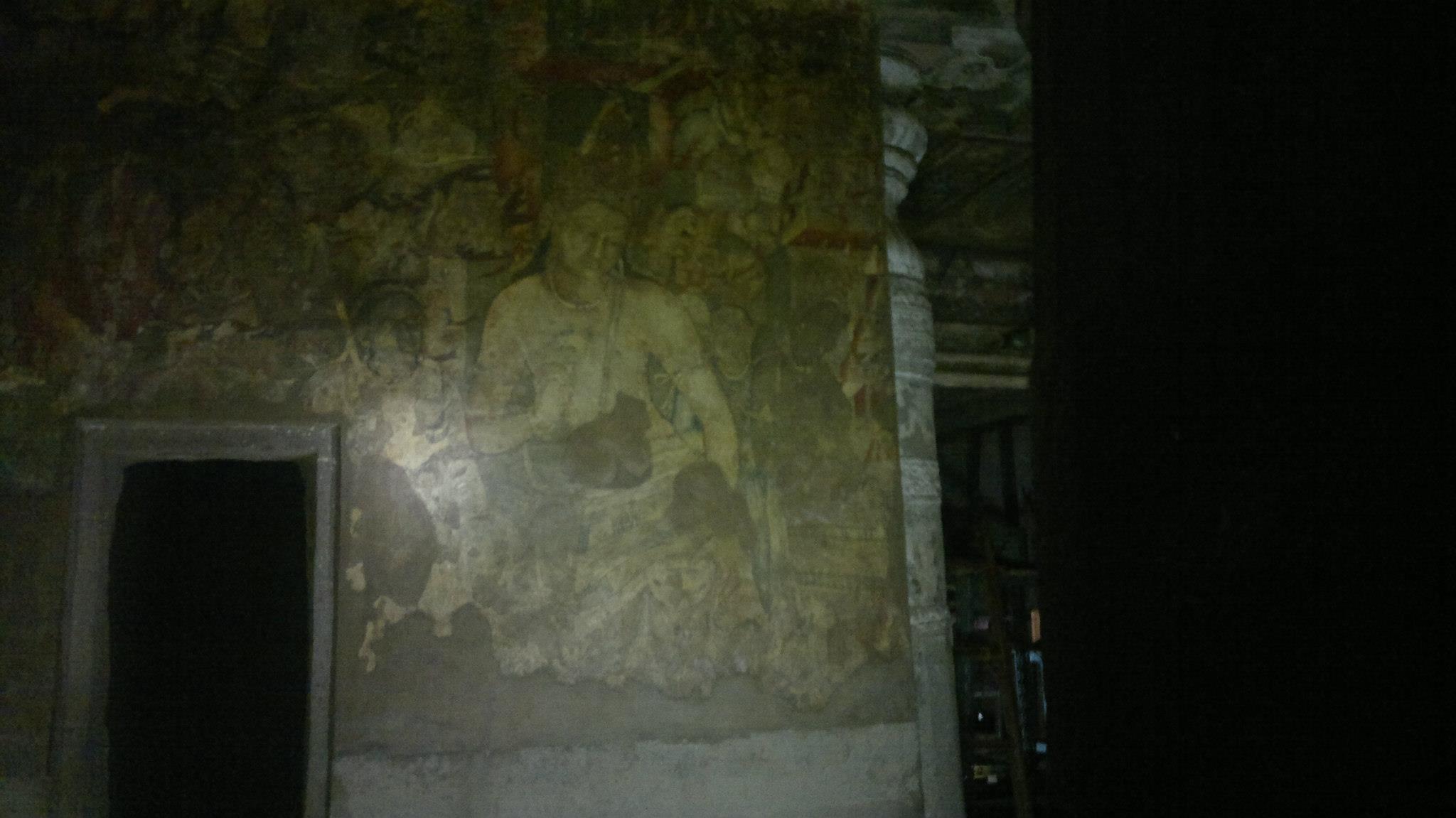
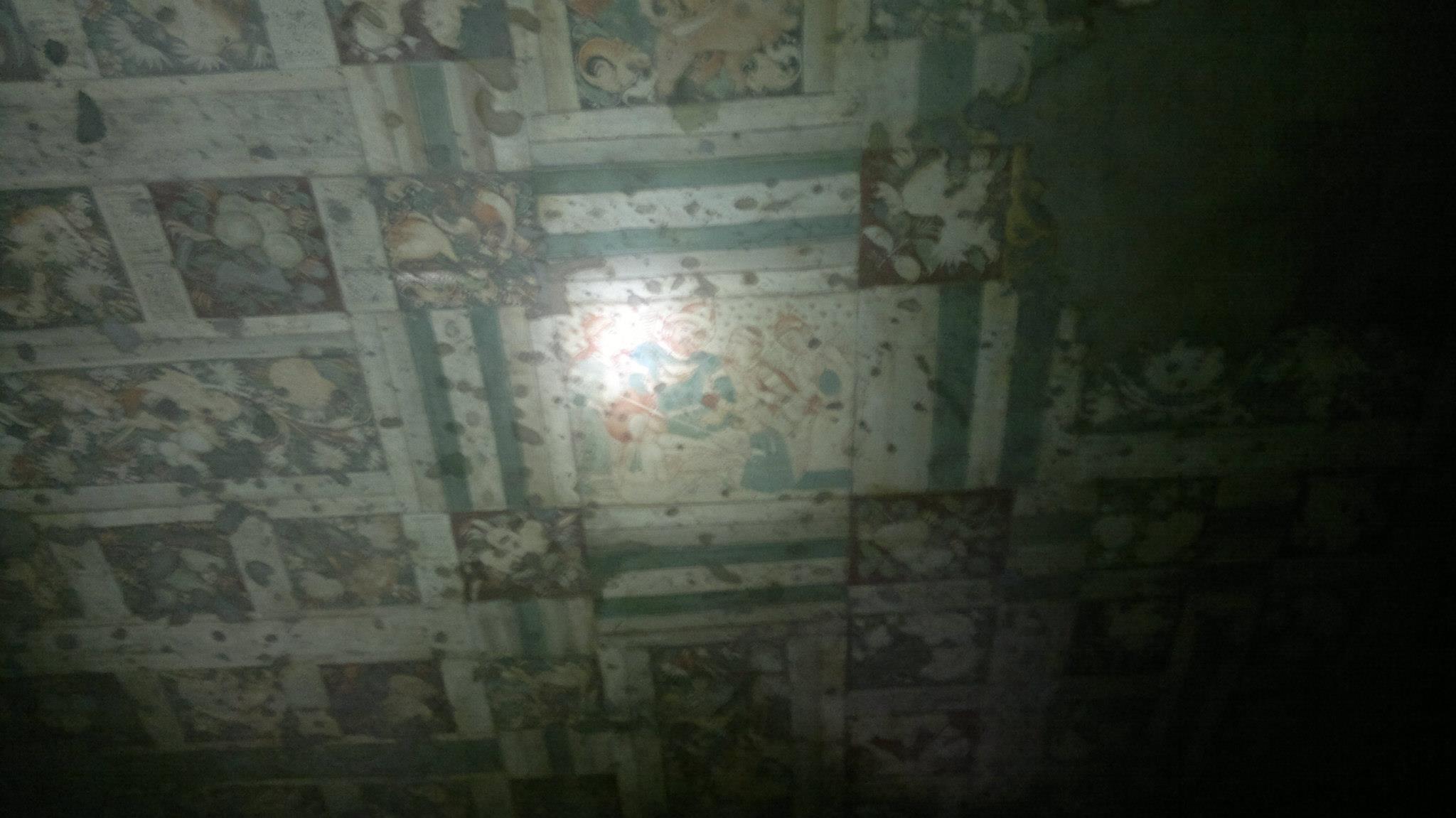
These paintings are rightly considered some of the finest surviving picture galleries from the ancient world. The detail is astonishing, the colours, even after centuries, retain a surprising vibrancy, illustrating stories with remarkable skill. And then there’s the canvas itself – the flood basalt rock of the Deccan Traps, formed by ancient volcanic eruptions. The layered nature of this rock presented a unique challenge and opportunity for the artists, who simultaneously excavated the space and sculpted intricate pillars, roofs, and the very idols themselves.
Most of the caves follow a symmetrical square plan, acting as vihara halls with smaller dormitory cells carved into the walls. During the later period of construction, many caves saw the addition of a sanctuary at the rear, the focal point being a large, imposing statue of the Buddha, often surrounded by detailed reliefs and other deities, all emerging from the natural rock. The expressive nature of both the paintings and the rock-cut sculptures is truly remarkable. They convey a profound range of emotions through subtle gestures, carefully considered poses, and the overall form.


These paintings are rightly considered some of the finest surviving picture galleries from the ancient world. The detail is astonishing, the colours, even after centuries, retain a surprising vibrancy, illustrating stories with remarkable skill. And then there’s the canvas itself – the flood basalt rock of the Deccan Traps, formed by ancient volcanic eruptions. The layered nature of this rock presented a unique challenge and opportunity for the artists, who simultaneously excavated the space and sculpted intricate pillars, roofs, and the very idols themselves.
Most of the caves follow a symmetrical square plan, acting as vihara halls with smaller dormitory cells carved into the walls. During the later period of construction, many caves saw the addition of a sanctuary at the rear, the focal point being a large, imposing statue of the Buddha, often surrounded by detailed reliefs and other deities, all emerging from the natural rock. The expressive nature of both the paintings and the rock-cut sculptures is truly remarkable. They convey a profound range of emotions through subtle gestures, carefully considered poses, and the overall form.
It’s fascinating to note that the Ajanta Caves were built during a period when both Buddhism and Hinduism flourished in the region. Archaeological excavations just across the river have unearthed structures suggesting a large community of artisans, likely including Hindus, who lived and worked in the vicinity. These skilled craftspeople undoubtedly contributed to the creation of these magnificent caves, leaving behind a shared legacy of artistic excellence.

One image remains particularly vivid in my memory: the large, intricately carved statue of the reclining Buddha, depicting his final moment of earthly existence, his parinirvana. The expression on his face was one of profound peace and serenity, a powerful and moving representation that has stayed with me long after we left the cool, dimly lit cave.
Looking back at those photographs now, I am still filled with a sense of awe and wonder. To think of the ancient artists painstakingly painting with such precision and vibrant colours in the darkness of those rock-carved halls and monasteries is truly humbling. The Ajanta Caves are more than just a collection of ancient structures; they are a living testament to the rich cultural and artistic heritage of ancient India, a place where art, religion, and human endeavor converged to create something truly extraordinary. Our monsoon detour to Ajanta was not just a break in a pilgrimage; it was a journey back in time, a personal encounter with the enduring legacy of a remarkable civilization.

spectacular !!!
LikeLike
Wow! These are amazing. I would love to see them someday.
LikeLiked by 1 person
You’re most welcome to India.
LikeLike