
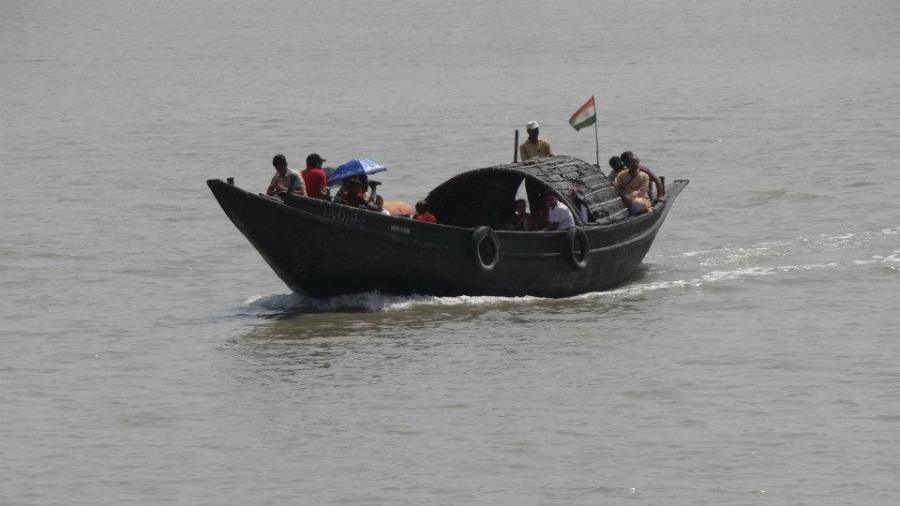
On a crisp December morning, as Bangladesh prepared to celebrate its golden jubilee of victory, I found myself retracing the borders of history and heritage near Basirhat, India. Taki, a quaint town along the Ichhamati River, called out with its tales of zamindars and echoes of a shared past.
Taki, positioned near the international border with Bangladesh, holds a special significance in my heart. More than just a town, it is a repository of family lore and cultural richness. As we drove from Basirhat, my ancestral home, childhood memories resurfaced—visits to relatives, stories of zamindari grandeur, and the rustic charm of riverbanks adorned with fluttering flags.
The Historical Ties of Taki
Taki is a town and municipality under the Hasnabad police station of Basirhat subdivision in North 24 Parganas district, West Bengal. It is also historically significant as the ancestral hometown of General Shankar Roy Chowdhury, the former Chief of Army Staff of India.
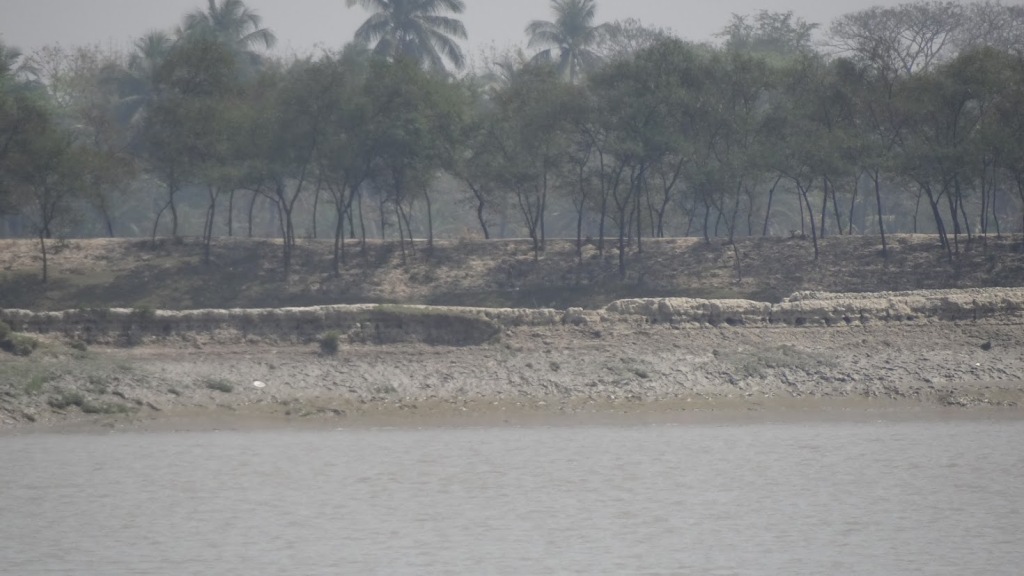
Once home to influential zamindars, Taki now exudes a quieter charm, with remnants of its regal past scattered throughout. My familial ties to this town added a personal dimension to my journey. The grand zamindari estates, many now in ruins or repurposed as tourist spots, whisper stories of a bygone era.
Taki was the paternal hometown of my grandmother—the mother of my father. They were the zamindars of Taki (Sadar) town. However, following the passing of my cousin a few years ago, no one from our family resides there anymore. I recall visiting frequently with my parents during my school and college days, and the faint memories of ponds, coconut trees, mango groves, and Chandi mandaps remain etched in my mind. Taki is the land of many zamindars, though most of their once-palatial baris have either fallen into disrepair or been transformed into tourist resorts.
The Ichhamati River: A Liquid Border
Our journey to Taki included Jagrata, our son-in-law Badal, my niece Tota, Dadubhai (Badal’s son), and Tua. We traveled by car from our ancestral home in Basirhat. Taki is perched on the banks of the Ichhamati River, which flows down from Nadia through Basirhat.
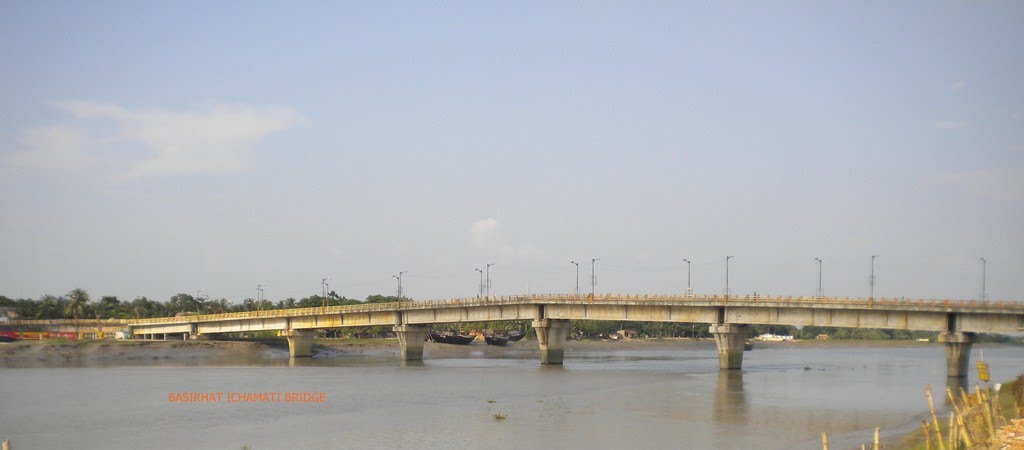
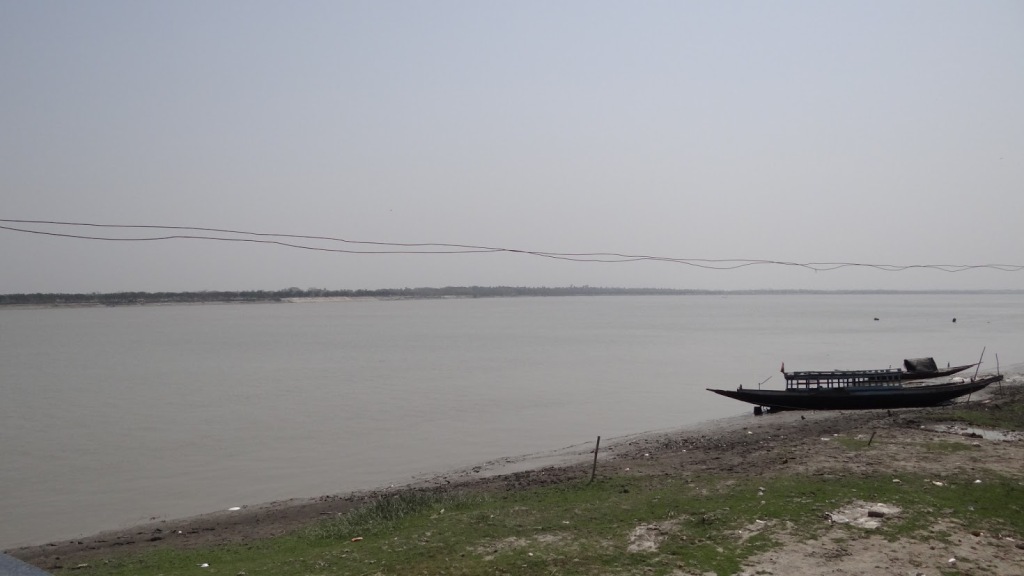
The Ichhamati River (ইছামতী নদী), a distributary of the Padma, merges with the Kalindi River near Hasnabad. It serves as a natural border between India and Bangladesh. Standing on its banks, I gazed across the water at the distant shores of Satkhira, Bangladesh—a poignant reminder of intertwined histories and enduring bonds. The occasional flutter of national flags on boats gliding across the river added a solemn touch to the tranquil setting.
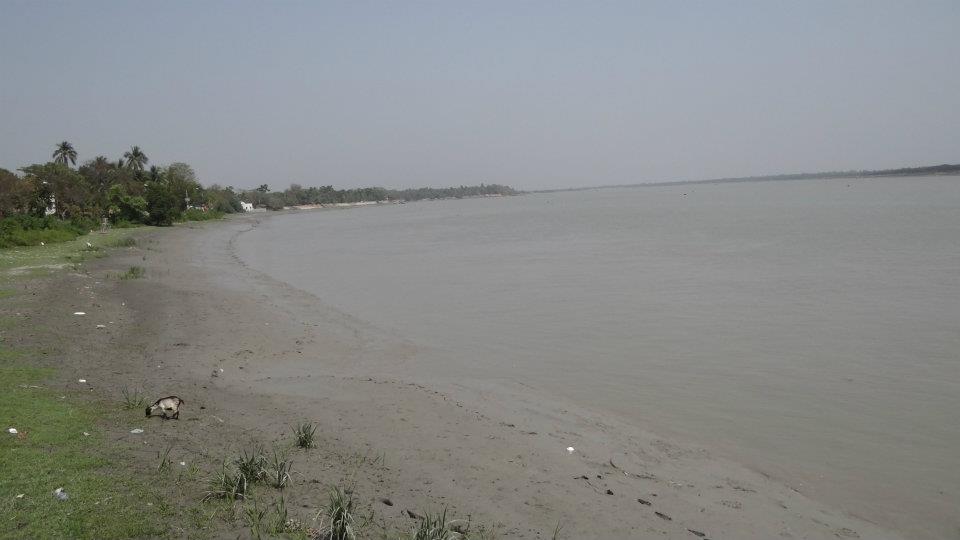
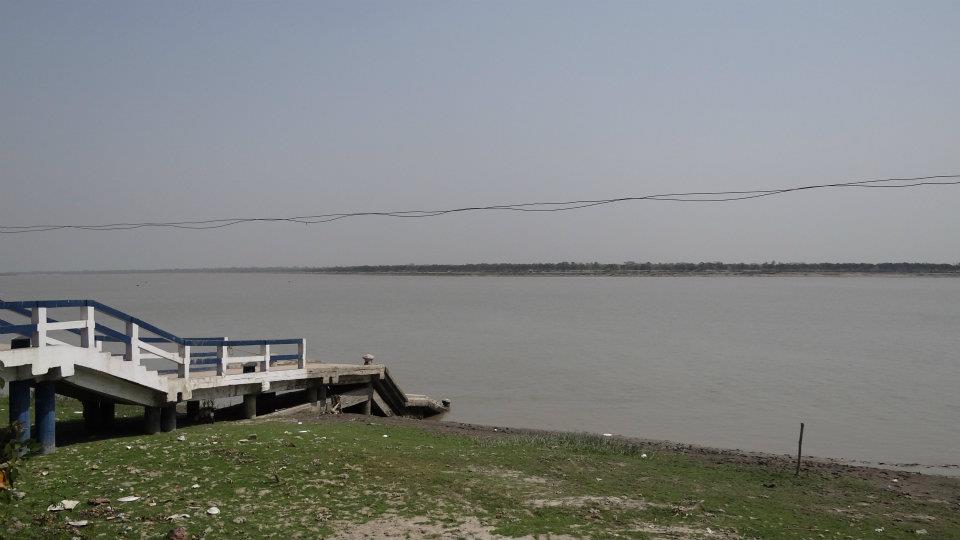
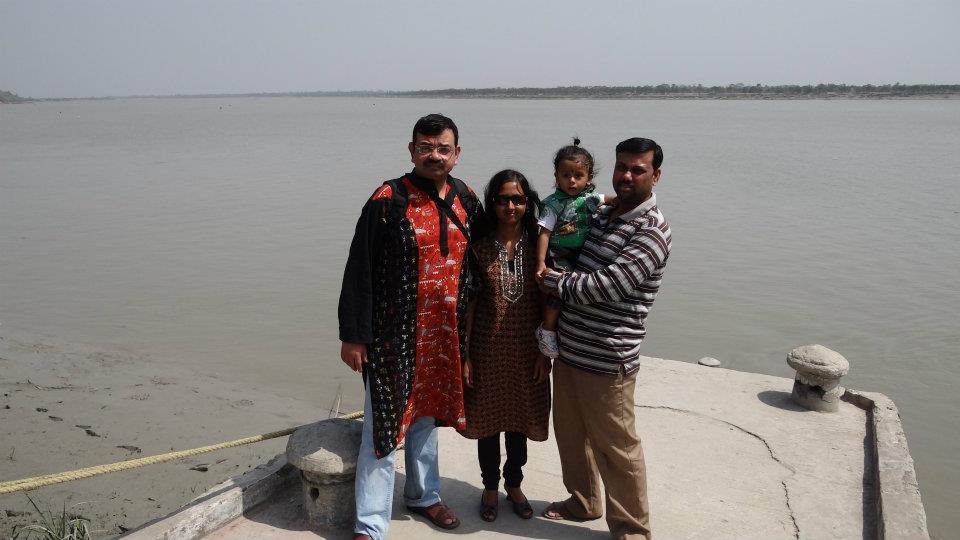
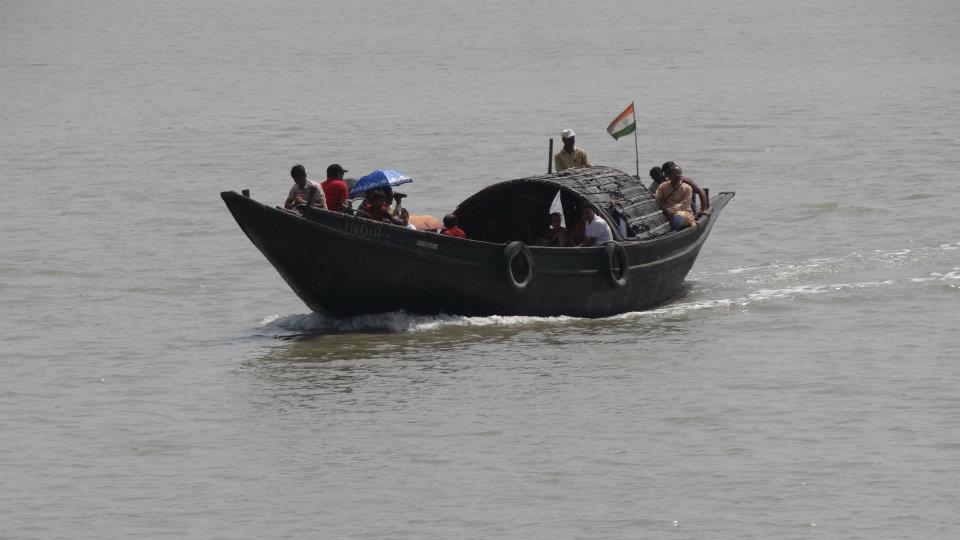
Security remains a strong presence here, with Border Security Force (BSF) watchtowers vigilantly guarding against unauthorized cross-border movement while safeguarding national boundaries.
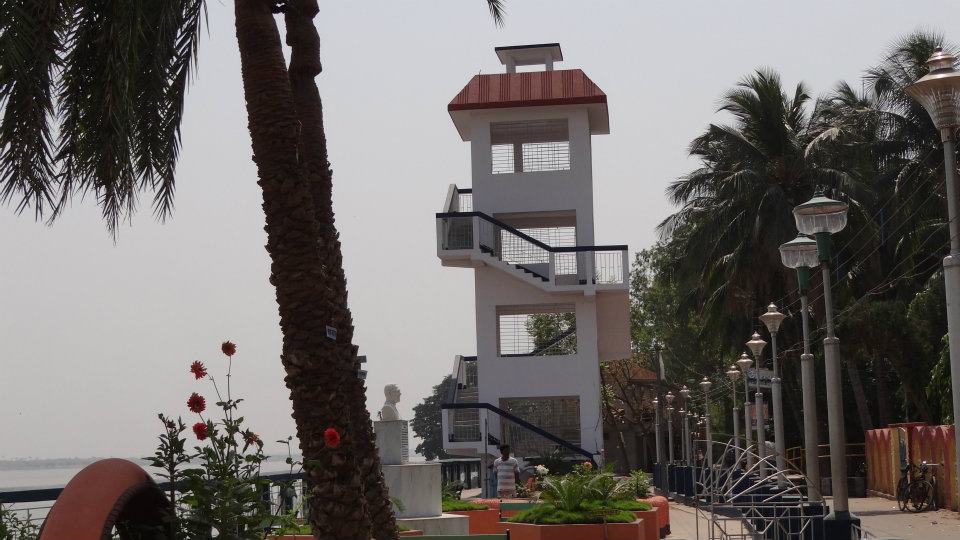
A Fleeting Yet Meaningful Visit
Time constraints prevented an extended stay, as we had to return to Kolkata the same day for our trip to Gangtok the following morning. Nevertheless, we made the most of our visit by soaking in the riverside atmosphere and indulging in local delights.
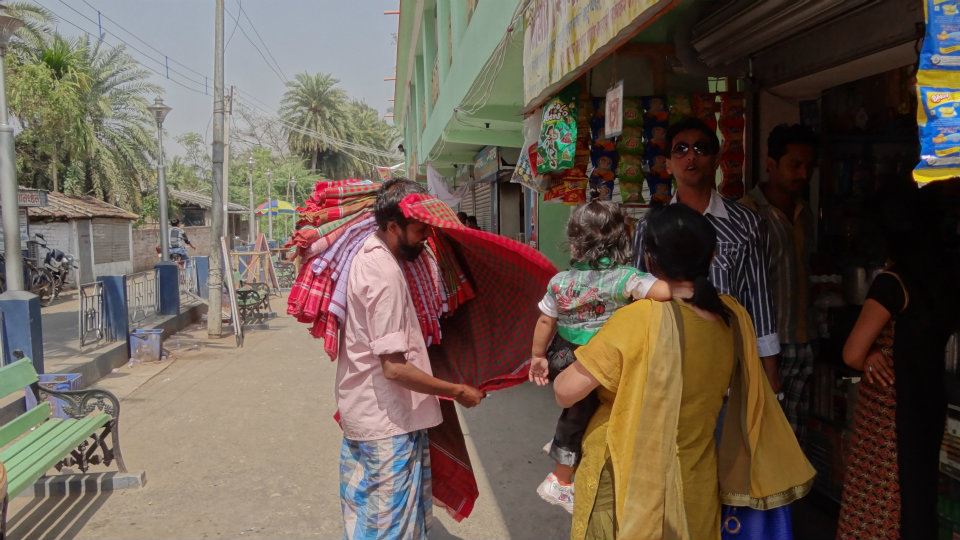
Amidst these reflections, we indulged in local delights—snacks by the riverside and the famed Taki gamchhas, known for their distinctive weave. The gamchhas, with their traditional motifs, spoke of local craftsmanship and cultural continuity—a testament to the enduring spirit of the place.
Among Taki’s unique offerings is its famed gamchha—a traditional, coarse cotton towel woven in eastern India and Bangladesh. The vibrant colors and distinctive weave of Taki’s gamchhas reflect the craftsmanship of the region’s weavers, making them a sought-after commodity.
Parting Thoughts
As we departed Taki, I carried with me a renewed sense of connection to my roots. The visit, though brief, was rich in nostalgia and reflections. Thoughts lingered on the possibility of future explorations—perhaps a deeper dive into our ancestral home or a more extensive journey through Taki’s storied past.
As we drove back to Kolkata, with the promise of new adventures ahead, the spirit of Taki remained with me—a town where history and memory intertwine, where borders blur, and where the gentle ripples of the Ichhamati continue to narrate stories of resilience and reunion.
This year, as Bijoy Dibos celebrations echoed across the borders, I found a personal celebration in my journey—a tribute to the triumphs of the past and the promise of a shared future.

We too have roots in Bangladesh… The ancestral village being Ujirpur in Jessore district where I am told we had large tracts of farm land though not Zamindar in that sense but the only items that were bought from the market were Salt and Mustard oil. Everything else, the rice, pulses, milk, ghee, veggies were all home grown.
I had a desire to visit the place but then I have no clue about the location of our ancestral home, so abandoned the idea.
LikeLike
You may not, or perhaps cannot, find your ancestral home now, but you can surely visit the place to have a brush with your family roots. I googled and found that it can better be travelled by road and the place is not much far from Petrapole-Benapole border, near Bongaon, North 24 Pgs., WB.
Let’s make a plan and drive down to Ujirpur. It will be a fun. 🙂
LikeLike
Nice view! 🙂
LikeLiked by 1 person
Thanks, Nilanjana.
LikeLike
Good one! Cross over next time. 🙂
LikeLiked by 1 person
Hahahaha! Ok, will go over to Bangladesh one day. I have a few invitations, by the way. 😉
LikeLike
Nice Blog..
Thanks for sharing..
LikeLiked by 1 person
Thanks, sir, for the like.
LikeLike