

Travel has a way of weaving together the expected and the unexpected into memories that linger far longer than any itinerary can predict. Our journey to Varanasi in late November 2022 was one such tapestry, colored by devotion, family bonds, sudden worries, and serene discoveries.
The Beginning: A Sudden Twist
A few days before me, my mother and wife, Tania, had already left for Prayagraj. I was to join them later. Boarding a train on the night of November 25, 2022, I arrived early the next morning, feeling the familiar mix of excitement and fatigue that travel always brings. However, my anticipation soon gave way to concern.
On the evening of my departure, a close cousin had fallen gravely ill and was rushed to the ICU. The news awaited me when I set foot in Prayagraj. The warm smiles of reunion were shadowed by worry, and prayers became our silent companions. Thankfully, the worst passed, and by the grace of God, he steadily began to recover. Still, the episode left a mark, subtly changing the tone of our trip from one of pure celebration to one of gratitude and reflection.
A Change in Plans: Sitamarhi Beckons
On November 27, 2022, with my mother, my aunt, Tania, and me squeezed into a car, we set off towards Varanasi. Our plan was to take a leisurely drive, enjoy the journey, and indulge in a bit of shopping in Varanasi before checking into our hotel. But life, as always, had its own ideas.
Before we could even leave Prayagraj properly, my mother started experiencing a severe earache accompanied by ear discharge — an old ailment of hers that had decided to flare up at the most inconvenient time. Our departure was delayed as we scrambled to get her the right medication and some rest.
By the time she felt well enough to travel, it was already late morning. We had lost precious hours, and the prospect of shopping in Varanasi started slipping away. Our ever-reliable driver, Sonu Bhaiya, sensing our disappointment, suggested a detour — either the Vindhyachal Temple or a visit to Sitamarhi, also known as Sita Samahit Sthal. After a quick family conference, we agreed on Sitamarhi.
It felt like the right choice. After all, when in doubt during a journey, following the path of devotion rarely leads you astray.
Sitamarhi: A Sacred Pause
Located conveniently near NH 2 between Prayagraj and Varanasi, Sitamarhi is steeped in mythology and reverence. It is believed to be the very place where Maa Sita, weary from a life of trials and heartache, returned to her mother Earth, ending her second exile. She had found solace during those last days in the ashram of Valmiki Muni, the revered sage who authored the Ramayana.
Our first stop was at the Valmiki Ashram — a modest yet powerful reminder of ancient sanctity. From there, we made our way to the main temple complex, dominated by a towering statue of Lord Hanuman perched atop a man-made hill. Inside the hill, through a cave-like entrance, lay a large prayer hall — serene and inviting.


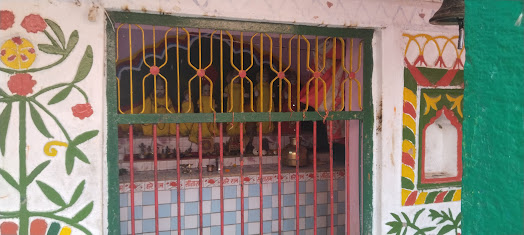
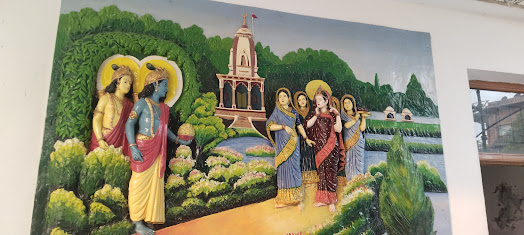


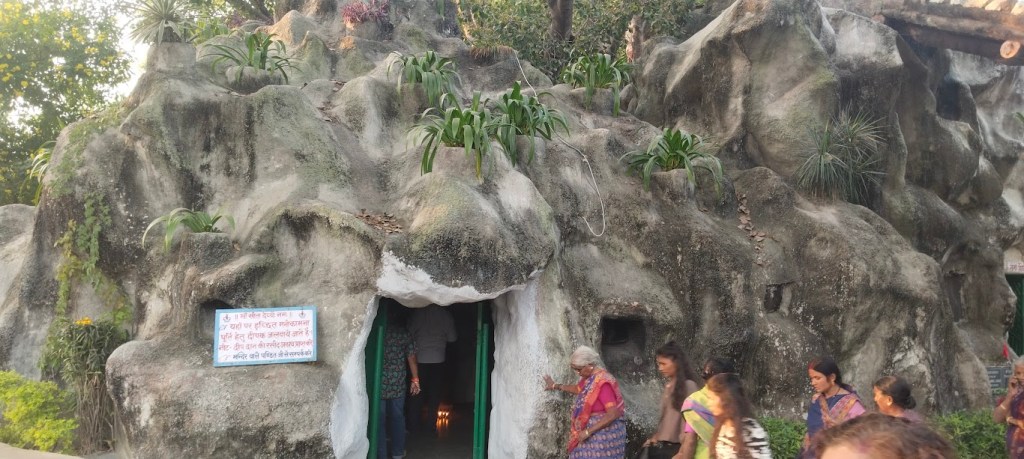


I had visited Sitamarhi once before, more than 14 years ago. Back then, the site was much simpler, almost rustic. This time, I was amazed at the transformation. The temple complex had been beautifully developed: there was now a serene Shiva temple within a cave, a magnificent Maa Sita Temple, and a moving, lifelike sculpture depicting the moment Sita disappeared into the earth.
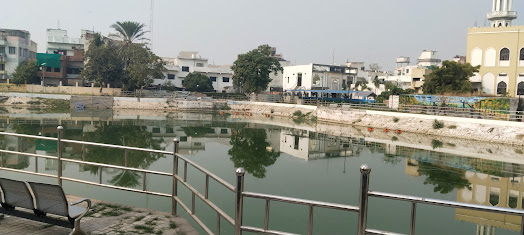
After offering our prayers and soaking in the tranquil atmosphere, we sat down at a nearby dhaba for a simple vegetarian meal — daal, rice, and vegetables, food that tasted like home. Adjacent to the temple was a pond, its waters blooming with lotuses. The sight of pink and white lotuses swaying gently on the water’s surface felt like a blessing — a reminder of beauty, hope, and resilience.
Arrival in Varanasi: First Impressions
After spending about an hour at Sitamarhi, we resumed our drive towards Varanasi. Though tired, we carried with us a sense of fulfilment from the unexpected detour. For Tania, visiting these sacred lands for the first time, it was particularly moving.
We checked into Hotel Hindustan International by evening. After a quick dinner, we tucked in early, knowing that the next morning would demand an early start. We were determined to seek the blessings of Lord Shiva at Kashi Vishwanath Temple before the city awoke.
The Mystical Morning: Kashi Vishwanath Temple
At 4:00 AM, my alarm sliced through the pre-dawn stillness. I quickly checked on my mother, who, still unwell, decided to rest at the hotel. My aunt, Tania, and I, however, bundled ourselves in warm clothes and set out into the dark, misty streets of Varanasi.
We arrived at Gate No. 4 of the Kashi Vishwanath Temple, where we picked up a prasad thali. Even at that hour, the temple was abuzz with activity — a testament to the unwavering devotion of Shiva’s followers. Mondays are considered especially auspicious for offering prayers to Mahadev, and today was no different.
The temple complex, newly renovated and expanded, took my breath away. Gone were the narrow, chaotic lanes I remembered. In their place stood broad, well-paved pathways and orderly arrangements. Despite the improvements, the queue was long, and it took us more than an hour to reach the sanctum.
We were not allowed to touch the Shivalinga directly anymore — a precaution for crowd management — but standing there, with folded hands and bowed heads, felt no less powerful. The aarti chants echoed in the air, the lamps flickered, and for a moment, time itself seemed to pause.
After the darshan, we roamed the temple premises, soaking in the grandeur of the new corridor that seamlessly connects the temple to the Ganga Ghats. We also dropped by the Kashi Tamil Sangamam tourism office nearby, where exhibits celebrated the deep historical ties between Tamil devotees and Kashi — a cultural bond spanning centuries.
Back at the hotel, a hearty breakfast of chana-aloo sabzi and hing kachori awaited us. The flavours were simple but felt divine after the spiritual high of the morning.
Exploring Varanasi: A Solo Sojourn
While the others rested, I decided to venture out alone and explore a different side of Varanasi.
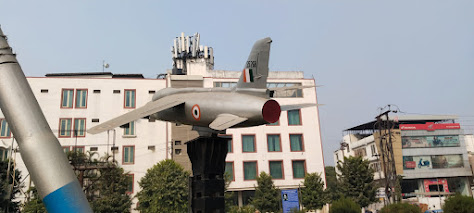
My first stop was Subroto Chowk, where a fighter jet statue commemorates Air Marshal Subroto Mukerjee, the first Commander-in-Chief of the Indian Air Force — a slice of Indian military history standing proud against the Varanasi skyline.


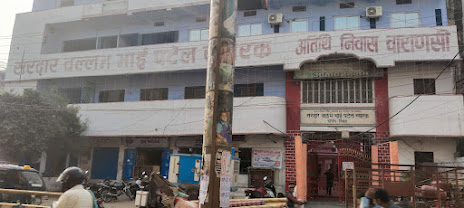
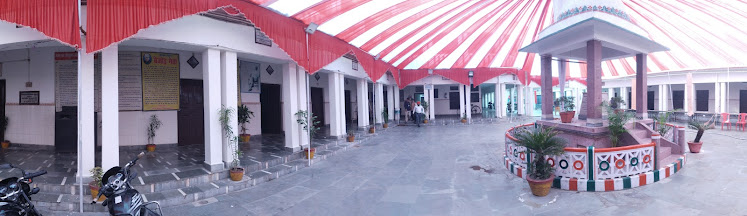
Next, I visited the Sardar Vallabhbhai Patel Smarak, a museum that beautifully chronicled the life and times of India’s Iron Man. As a lover of history, I found myself lost in the exhibits, admiring the man whose vision helped stitch India together after independence.


Conclusion: A Journey of the Heart
As the evening approached, we set sail on a magical Ganga river cruise, watching the city unfold in all its golden, spiritual splendour under the setting sun — but that is a story for another day.
This journey, with all its twists and turns, taught me once again that travel is not just about destinations. It’s about the people, the prayers, the pauses, and the small detours that enrich the soul. Our trip to Varanasi — shaped as much by sudden illness and unexpected changes as by our plans — was a reminder that sometimes, it’s the unscripted chapters that stay with us the longest.
Stay tuned for the next part of our Varanasi travelogue — the magical Ganga Aarti cruise and more tales of this timeless city.

Nice post. Sitamarhi has changed a lot. I went there two decades ago when we drove down in our car to Allahabad from Ranchi. It was being developed then. I also wish to visit the post-renovation Kashi Vishwanath temple.
LikeLiked by 1 person
Nice description. Sita Samahit Sthal is new for me. Thanks for sharing the details and photos. Yes, Kashi Vishwanath temple is now a grand place unlike the old one. Waiting for your story on Ganga river cruise and the Ganga Aarti.
LikeLiked by 1 person
Thanks.
LikeLike
Nice travel story, Judha. Sita Samahit Sthal is a new info to me.
LikeLiked by 1 person
Thanks.
LikeLike
Pingback: River Cruise | River Ganga (Varanasi) – INDROSPHERE