
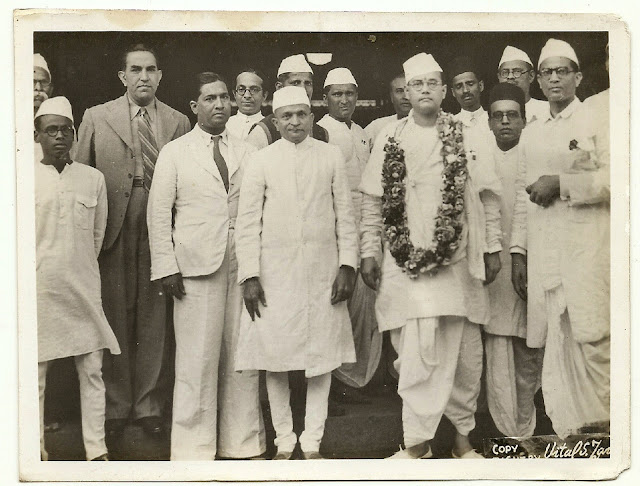
As May Day dawns, a day revered globally for honouring the labour movement and workers’ rights, it’s imperative to revisit the historic contributions of leaders like Netaji Subhas Chandra Bose. While Netaji is primarily known for his pivotal role in India’s struggle for independence, his involvement in trade union activities, particularly in the Tata Steel factory, remains a lesser-known but significant aspect of his legacy. Let’s delve into the narrative of how Netaji influenced and supported the workers’ cause at Tata Steel on this May Day.
The Tata Workers’ Union stands as a testament to the resilience and advocacy of Indian labourers, with a history dating back to the early 1920s. Among the luminaries who championed the cause of workers’ rights, Netaji Subhas Chandra Bose emerges as a towering figure, leaving an indelible mark on the trajectory of the Indian trade union movement.
Born out of the struggles and sacrifices of workers, the Tata Workers’ Union initially faced setbacks but eventually triumphed, securing fundamental rights such as increased wages and fringe benefits like the Provident Fund. Netaji’s involvement in the union movement was not only significant but transformative. His ideology of Left Wing Nationalism and his relentless fight for the Indian working class reshaped the landscape of industrial relations in India.
Netaji Subhas Chandra Bose was not only a nationalist leader but also a fervent advocate for workers’ rights. Recognizing the plight of the workers at Tata Steel, he extended his support to the burgeoning trade union movements in the region. His charisma and dedication to the cause galvanized the workers, inspiring them to organize and demand better working conditions and fair treatment from the factory management.
Netaji’s association with the Tata Group exemplifies his commitment to Indianization and workers’ welfare. Through letters and direct involvement, he advocated for the appointment of more Indians in key positions within Tata Steel, paving the way for greater representation and empowerment of Indian workers.
Furthermore, Netaji’s efforts extended beyond mere representation; he actively fought for tangible benefits for workers. His leadership during strikes and negotiations led to groundbreaking agreements such as the 1956 Agreement, which laid the foundation for closer collaboration between employees and management, streamlined grievance procedures, and ensured job security for workers.
Netaji’s vision for industrial relations encompassed a tripartite scheme involving the active participation of the government in safeguarding workers’ rights. He emphasized the role of the state in providing social security, promoting literacy among workers, and fostering a sense of national pride and responsibility.
His foresight into the challenges faced by Indian labourers extended to the post-independence era, where he envisioned a nationalist government taking proactive measures to ensure the welfare of workers, including living wages, insurance, and compensation for accidents.
Crucially, Netaji’s legacy in the trade union movement transcended mere advocacy; he instilled a sense of patriotism and solidarity among workers, urging them to take an anti-imperialist stance and prioritize the interests of the motherland.
May Day, also known as International Workers’ Day, holds immense significance in the history of labour movements worldwide. Originating from the Haymarket affair in Chicago in 1886, where workers protested for an eight-hour workday, May 1st became a symbolic day for workers’ solidarity and the struggle for their rights. Netaji’s involvement in the Tata Steel trade union activities on May Day added another layer of significance to this historic occasion.
Netaji Subhas Chandra Bose’s involvement in the Tata Steel trade union activities serves as a testament to his holistic vision of social justice and empowerment. His advocacy for workers’ rights exemplifies the intersectionality of freedom struggle and labour movements. As we commemorate May Day and reflect on Netaji’s legacy, let us draw inspiration from his steadfastness and solidarity in championing the cause of the working class.
On this May Day, let us remember and honour Netaji Subhas Chandra Bose’s indelible contributions to the Tata Steel trade union activities. His role not only illuminated the path for workers’ rights but also reaffirmed the interconnectedness of liberation struggles across various domains. As we pay homage to the labour movement’s past triumphs, let us also recommit ourselves to the ongoing struggle for a more just and equitable society, echoing Netaji’s timeless ethos of unity, resilience, and collective action.

That was the first and last union strike (1928) that Tata Steel had ever faced till date… unbelievable for any company of this size. Not only profit sharing, but the company also appointed its first Indian GM and started giving maternity benefits to its employees…. all due to Netaji’s insistence …👏🏻👏🏻
LikeLiked by 2 people
Thanks, Rajiv.
LikeLike
Grest history lesson dad. Loved it to know in such details.
LikeLiked by 2 people
Thanks, beta.
LikeLiked by 1 person
Well researched post.I love this.
LikeLiked by 1 person
Thanks, sir.
LikeLike
Your writing is truly enchanting! I was captivated from the start, unable to tear my eyes away until I finished reading your article. What struck me most was the lesser-known aspect of Netaji Subhas Chandra Bose’s involvement in the trade union movement, particularly his work with Tata Steel. His unwavering commitment to protecting workers’ rights and ensuring their dignity is truly inspiring. By championing social security, retirement benefits, and greater participation of Indian workers, he brought about meaningful changes that continue to resonate today.
As we celebrate May Day and reflect on Netaji’s legacy, let’s draw inspiration from his unshakeable solidarity with the working class. His contributions to the Tata Steel trade union movement not only paved the way for workers’ rights but also showcased his leadership and compassion. It’s heartening to see friends like you who possess in-depth knowledge of such pivotal moments in history. Your appreciation for the intricacies of Netaji’s work is commendable, and I’m sure your insights will inspire others to explore this aspect of his life.
LikeLiked by 1 person
Thanks, Dipen for your comments and inputs.
LikeLike