

When we think of Bengal, it’s easy to picture the splendor of its cultural landscape—its historical landmarks, classical music, traditional dance forms, and vibrant festivals. But one of the region’s most enduring treasures is its culinary heritage. Bengali cuisine is as intricate and diverse as its history, brimming with an incredible array of flavors and textures. And recently, one dish has risen to global acclaim, shining a spotlight on Bengal’s mastery in the kitchen: Chingri Malai Curry.
This beloved prawn delicacy has made its way onto the prestigious list of The World’s 50 Best Seafood Dishes by Taste Atlas, securing an impressive 31st rank. Not only is it the highest-ranking Indian seafood dish, but it also stands alone as the only dish from India on this global culinary stage. But why is this seemingly simple dish such a standout? Let’s explore the layers of flavor, history, and culture that have made Chingri Malai Curry a symbol of Bengal’s gastronomic excellence.
The Legacy of Bengali Cuisine
Bengali cuisine has long been a harmonious blend of tradition and innovation. The history of the region is marked by its centuries-old ties to various dynasties and cultures, each leaving behind a distinctive mark on its culinary practices. From the Pala and Chandra dynasties’ exchanges with Southeast Asia to the British colonial influence, Bengali food has always been a fusion of local ingredients and foreign techniques.
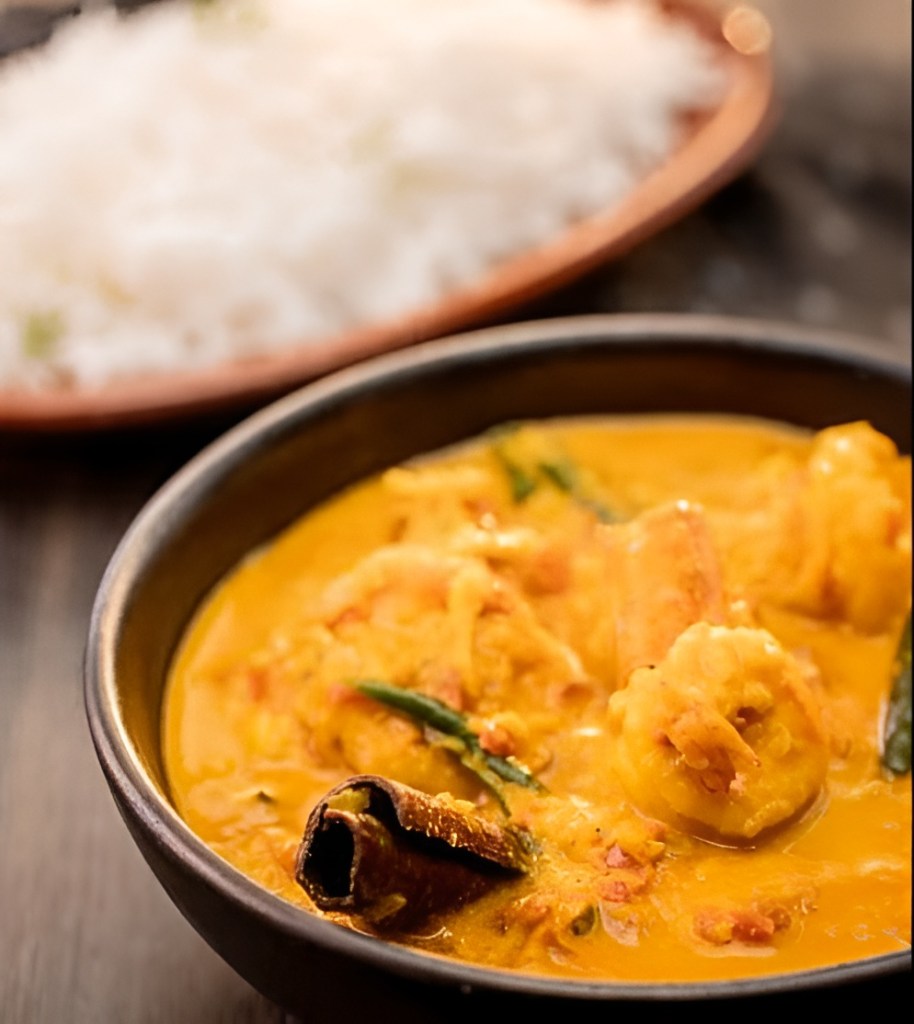
Chingri Malai Curry—or Prawn Coconut Curry—is a beautiful representation of this fusion. The use of prawns as the main ingredient can be traced back to the British colonial era when they developed a fondness for prawns due to their delicate texture and refined taste. The British were particularly enamored with seafood, which led to the creation of dishes that married local ingredients with British culinary preferences. Chingri Malai Curry was born out of this cross-cultural exchange—a luxurious curry made with succulent prawns and rich coconut milk, a nod to Southeast Asian influences.
The History Behind Chingri Malai Curry
The roots of Chingri Malai Curry lie not only in colonial history but also in Bengal’s long-standing trade relationships with Southeast Asia. The Pala and Chandra dynasties, with their maritime links to Southeast Asia, introduced ingredients and culinary practices that melded perfectly with local flavors. This exchange gave birth to many Bengali dishes with similarities to those found in Southeast Asian cuisine, such as Malay Kari Udang (Malaysian prawn curry) and Laksa (a spicy noodle soup with coconut milk).
What sets Chingri Malai Curry apart is its simplicity and elegance. The dish consists of jumbo prawns cooked in a creamy coconut milk sauce, infused with aromatic spices like turmeric, garlic, and ginger. While the base of the curry is unmistakably Bengali with its use of mustard oil and garam masala, the addition of coconut milk brings a touch of Southeast Asian sweetness and richness, creating a delicate balance of flavors.
The Personal Connection
For me, Chingri Malai Curry is more than just a recipe—it’s a bridge to my childhood, a dish that evokes memories of family, celebration, and love. Growing up, I would watch my mother prepare this dish with a reverence that was palpable. The kitchen would fill with the sweet, intoxicating fragrance of coconut milk simmering gently on the stove, mingled with the sharp, spicy undertones of ginger, garlic, and green chilies. It was a dish reserved for special occasions—weddings, festivals, and family gatherings—symbols of abundance and joy.
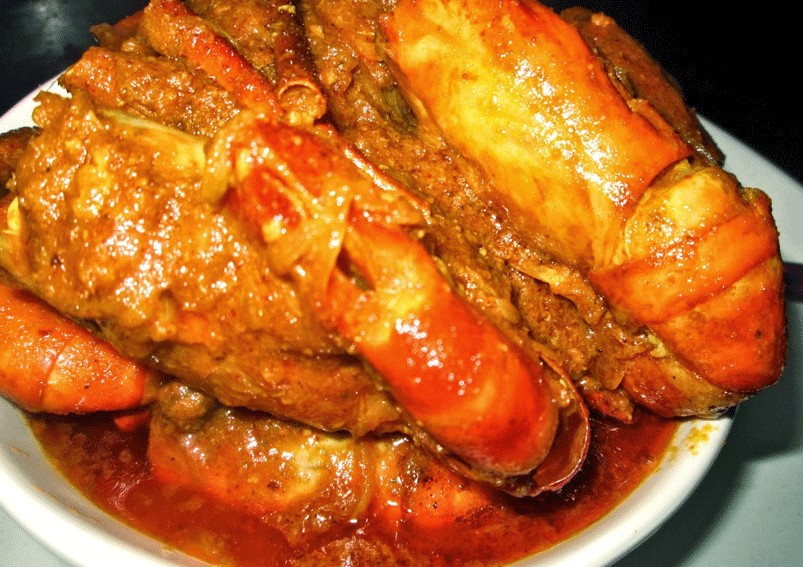
As a young child, I would eagerly await the first bite, savoring not just the flavors but the memories they carried with them. Chingri Malai Curry was not just about food—it was about the warmth of togetherness, the stories shared around the dinner table, and the bond of family that transcended generations.
Cultural Significance
In Bengali culture, food is much more than nourishment; it is a medium of storytelling. Each dish has its own story, a narrative that connects the past with the present. Chingri Malai Curry is one such dish. It is a reflection of Bengal’s open-hearted embrace of external influences while staying rooted in its rich cultural traditions.
The dish is also a symbol of Bengali hospitality. Much like the people of Bengal, Chingri Malai Curry is warm, inviting, and full of flavour. It’s a dish that, when shared with friends and family, brings people together, transcending borders and differences. And this is perhaps why it has earned its place on the global stage. As much as it is a culinary delight, it also tells the story of a region that has always been open to change, yet steadfastly loyal to its traditions.
The Recipe: A Taste of Bengal at Home
Now, I’d like to share with you my mother’s version of Chingri Malai Curry, a recipe passed down through generations. It’s a dish that has always brought our family together, and I hope it can bring a little bit of Bengal into your kitchen.
Ingredients:
- 500g Jumbo prawns, cleaned and deveined
- 2 cups thick coconut milk
- 2 medium onions, finely chopped
- 1 tablespoon ginger paste
- 1 tablespoon garlic paste
- 2-3 green chilies, slit
- 1 teaspoon turmeric powder
- 1 teaspoon red chili powder (adjust to taste)
- ½ teaspoon garam masala
- 2 bay leaves
- 3 tablespoons mustard oil
- Salt to taste
- Fresh coriander leaves, chopped, for garnish
Method:
- Marinate the Prawns: Start by marinating the prawns with turmeric powder and salt. Let them sit for about 15 minutes to absorb the flavors.
- Sauté the Prawns: Heat mustard oil in a pan until it starts to smoke. Add the marinated prawns and sauté them until they turn pink. Remove and set aside.
- Prepare the Curry Base: In the same pan, add the bay leaves. Then, add finely chopped onions and sauté until they turn golden brown. Add ginger and garlic paste and cook until the raw smell disappears.
- Spice It Up: Add turmeric powder, red chili powder, and a pinch of garam masala. Stir well to combine the spices with the onion mixture.
- Coconut Milk Bliss: Pour in the coconut milk and bring the mixture to a gentle simmer. Adjust the consistency with water if needed.
- Final Touches: Add the sautéed prawns to the simmering curry. Let them cook for a few more minutes, allowing them to absorb the rich flavors of the curry. Garnish with fresh coriander leaves and slit green chilies for a spicy kick.
The Global Appeal of Chingri Malai Curry
Chingri Malai Curry is more than just a dish—it is a cultural ambassador of Bengal. Its recent recognition on the World’s 50 Best Seafood Dishes list is not just a win for Bengali cuisine but a recognition of how the region’s culinary arts have travelled across the globe. This dish embodies the resilience and creativity of a region that has weathered centuries of change, yet continues to thrive in its cultural richness.
Every bite of Chingri Malai Curry offers a taste of Bengal’s history—its royal past, its colonial influences, and its timeless culinary artistry. It’s a reminder that food can connect us to our roots, even as it pushes us toward new horizons.
So, the next time you’re in the mood for something luxurious yet comforting, let Chingri Malai Curry be your guide into the heart of Bengal. With each spoonful, you’ll be taking part in a celebration of a region’s history, its culinary evolution, and its enduring spirit of embracing change while holding on to tradition.
Let the flavours of Bengal transport you through time—one delicious bite at a time.

Bengalis are truly food afficiandos. It’s better to soak the prawns in white vinegar for a while before cooking. Just a suggestion.
LikeLiked by 1 person
Thanks. It’s a good suggestion as it helps in removing the odour. It’s optional.
LikeLiked by 1 person
Yes, it does.
The regular prawns eaters may not be perturbed by the odour. But infrequent eaters may have a problem. That is why. Good that you got the point. .
LikeLiked by 1 person
👍 thanks 🙏
LikeLike
Wow Roy, That sounds absolutely delicious! I can’t wait to try Chingri Malai Curry and experience the rich flavors and comforting textures you described once I meet you in person :).
LikeLiked by 1 person
Yes, it’s delicious, indeed. It’ll be my honour to host you, come to Ranchi.
LikeLike
About the personal connection:What a lovely memory! It’s amazing how food can bring back such special moments from our childhood. I’m sure your mother’s Chingri Malai Curry must have been incredible, and it’s wonderful that it holds such a special place in your heart.
LikeLiked by 1 person
Thanks, Joel.
LikeLike
Made it last week when my son and bouma came over from Bengaluru. They loved it… It got over quickly.
LikeLiked by 1 person
Wow! I may have the honour when I visit you next time in Delhi. I am a “petuk Bangali”. 🙂
LikeLiked by 1 person
Chingri malakari is of course one of the best items of fish eating Bengalis. Delicuous, no doubt.
LikeLiked by 1 person
Thanks, Manojit. It’s indeed one of the best Bengali delicacies.
LikeLike