

There’s a certain kind of magic that wafts through the kitchen when Dhokla is being made. It’s not the flashy, dramatic kind, but a gentle, comforting enchantment that speaks of tradition, family, and the simple joy of good food. This unassuming savoury sponge, hailing from the vibrant western state of Gujarat in India, has a way of sneaking into your heart (and your palate) whether you encounter it as a cheerful breakfast companion, a delightful teatime snack, or a surprisingly elegant appetizer.
My own introduction to the allure of Dhokla was many years ago, but the memory remains as fresh as the first bite. There was a lightness to it, a subtle tang, and an irresistible fluffiness that made it utterly unique. Little did I know then the rich history and cultural significance woven into this seemingly simple dish.
Whispers of the Past: Tracing the Origin
Like many culinary treasures, the exact origins of Dhokla are shrouded in the mists of time, yet its roots are firmly planted in the fertile ground of Gujarati cuisine. It’s believed this fermented delicacy has been gracing Gujarati tables for centuries, a testament to the ingenuity of using humble ingredients like rice, protein-rich chickpea flour (our beloved besan), and the slightly coarser texture of semolina (sooji). What started as a simple way to utilize available grains and pulses has evolved into a global sensation.
Interestingly, over time, variations have emerged, each with its own distinct charm. The Khaman Dhokla, made solely with chickpea flour, has risen to incredible popularity, its vibrant yellow hue and airy texture making it instantly recognizable and utterly addictive. The magic, I believe, lies in the fermentation – a natural process that not only deepens the flavour profile but also gifts this snack with a healthy dose of probiotics, making it as good for the gut as it is for the soul.
A Culinary Ballet: The Art of Preparation
The beauty of Dhokla lies not just in its taste but also in the fascinating process of its creation. In our own kitchen today, it was a scene of quiet collaboration. My wife, Jagrata, the heart and soul of our culinary adventures, took her familiar spot, her hands moving with the practiced grace of someone who has poured love into countless meals.
It begins with the careful whisking of a smooth batter – chickpea flour mingling with the subtle graininess of semolina, enriched by the creamy tang of yoghurt and the gentle flow of water. Then come the flavour enhancers: a fragrant paste of ginger and green chillies adding a hint of warmth, the bright zest of lemon juice, a touch of sweetness from sugar, and the essential pinch of salt. This concoction is then left to rest, allowing the flavours to meld and deepen, a crucial step in the transformation.
As the batter sat patiently, the stage was being set for the next act. The steamer, a humble vessel, was prepared, and a dish was lovingly greased, ready to receive the soon-to-be fluffy clouds. The real drama unfolds just before steaming. A spoonful of Eno fruit salt is whisked into the batter, and almost instantly, it awakens. Bubbles rise, the mixture lightens, and a sense of anticipation fills the air. This is the secret to that signature spongy texture.
The frothy batter is then gently poured into the prepared dish and placed in the steamer. For the next 15-20 minutes, the magic happens silently, steam transforming the liquid batter into a firm yet incredibly soft delight. The true test? A skewer inserted into the centre should come out clean, a testament to its perfect doneness.


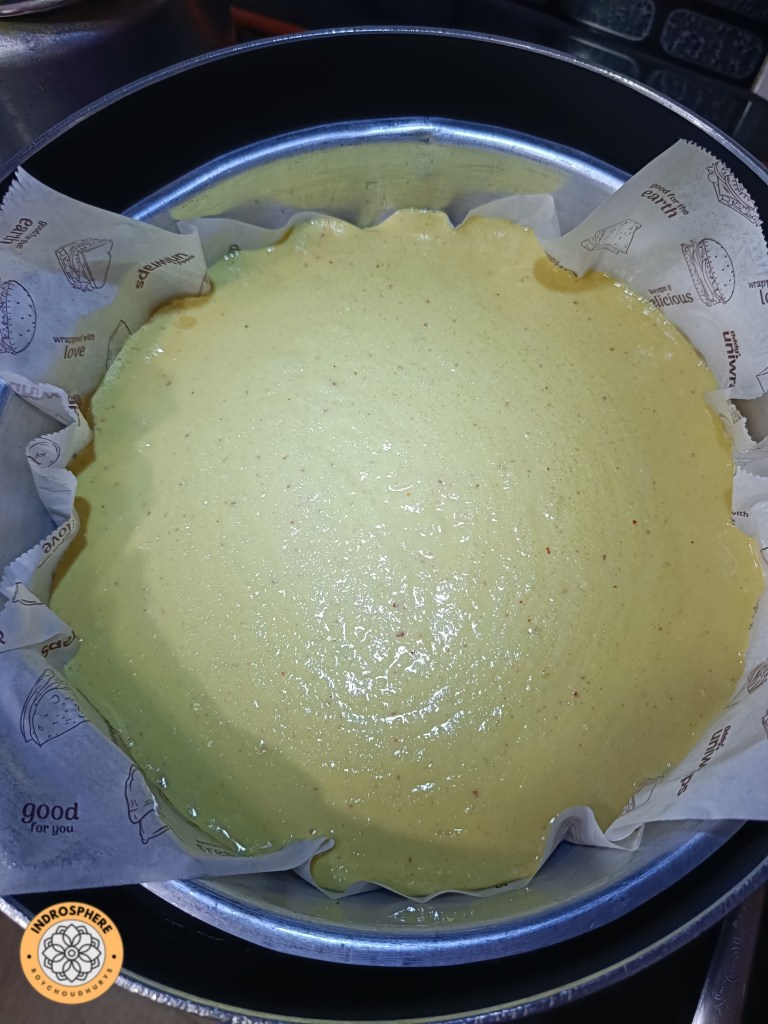
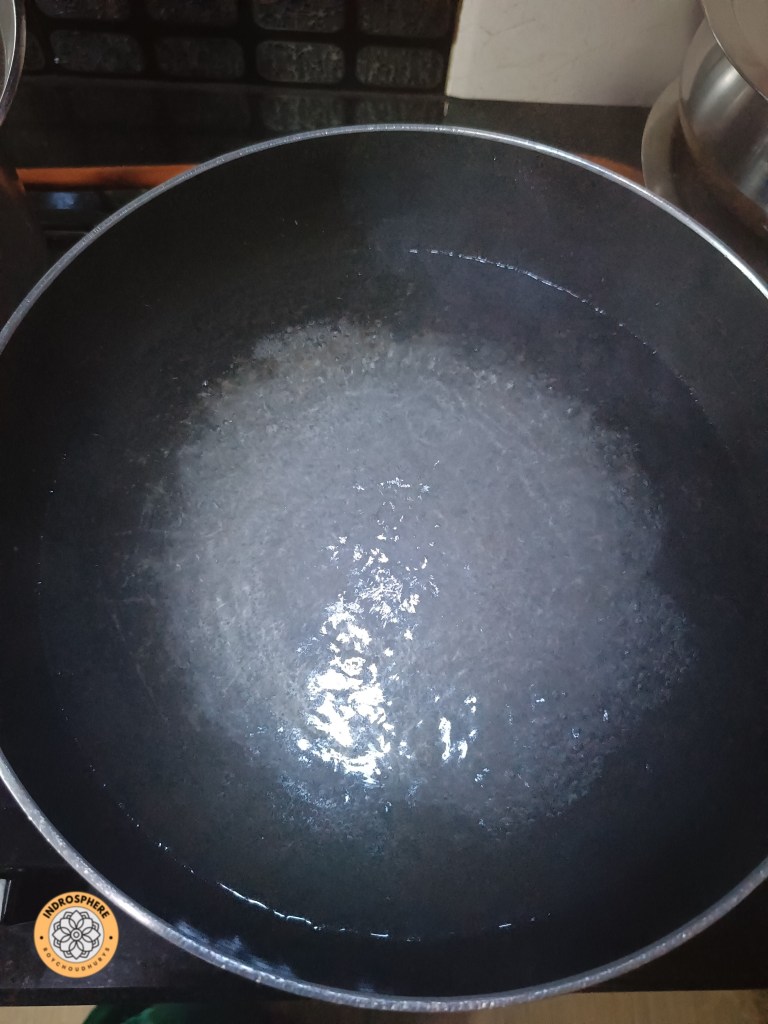

Once cooled, the golden disc is carefully cut into neat squares or diamonds. But the culinary ballet isn’t over yet. Now comes the tempering, a final flourish that adds another layer of flavour and aroma. Oil is heated in a small pan, and the crackling symphony of mustard seeds and the nutty aroma of sesame seeds fill the air. Slender green chillies add a touch of heat, followed by the fragrant whisper of curry leaves. A splash of water and a hint of sugar create a light syrup that is then lovingly poured over the Dhokla pieces.
Finally, a shower of freshly chopped coriander leaves and a sprinkle of grated coconut add a vibrant finishing touch. Served warm or at room temperature, Dhokla is best enjoyed with the contrasting flavours of tangy green chutney and sweet tamarind chutney – a delightful explosion of sweet, sour, and spicy notes that dance on the tongue.
More Than Just a Meal: A Cultural Embrace
Dhokla, however, is more than just a delicious snack. It’s a thread woven into the rich tapestry of Gujarati culture. It graces festive tables during joyous occasions, brings families together during gatherings, and is a symbol of home and tradition. Its popularity has transcended geographical boundaries, finding a place in hearts and kitchens across India and even beyond, a testament to its universal appeal.
Nourishment from Within: The Health Angle
Beyond its delightful taste and cultural significance, Dhokla also boasts impressive health benefits. The fermentation process not only enhances flavour but also increases its nutritional value. It’s a good source of protein and fibre, and the use of chickpea flour and semolina makes it a healthier alternative to many fried snacks, promoting good digestion and a happy gut.
Capturing Moments: A Family Affair
The aroma of steaming Dhokla and the gentle hum of activity in the kitchen are often intertwined with cherished family memories. Today was no different. While Jagrata orchestrated the culinary magic, our daughter-in-law, Tania, with her keen eye and artistic flair, moved around with her camera, capturing each step of the process. Her passion for photography transformed our simple cooking session into a beautifully documented story, preserving not just the recipe but the love and connection that went into making it.
And then came the evening, the moment of reward. As we savoured the soft, flavourful Dhokla, the conversation flowed easily, punctuated by satisfied sighs. It was more than just a snack; it was a shared experience, a moment of togetherness nurtured by the simple act of creating and enjoying food.
A Call to Your Kitchen: Embrace the Spongy Joy
Making Dhokla at home is a truly rewarding experience. It’s a dish that brings joy not just in the eating but in the entire process – from the initial mixing of ingredients to the final, satisfying bite. The simplicity of the components combined with the surprising depth of flavour makes it a must-try for anyone who appreciates the art of good food.
So, I urge you, gather your ingredients. Allow the magic of fermentation to unfold in your kitchen. Experience the joy of watching the batter transform into a light and airy delight. Share this wonderful snack with your loved ones and let the spongy symphony of Dhokla fill your home with warmth and flavour. You might just find yourself enchanted, too.

I love Dhokla. Good post
LikeLiked by 1 person
Thanks, Pratap.
LikeLike
Nice to see, Indrajit, you are being pampered by your wife.
LikeLiked by 1 person
Hahaha! Thanks, Nilanjana.
LikeLike
My favorite 😊😊
LikeLiked by 1 person
👍😀 thanks.
LikeLike