

The International Day of the World’s Indigenous Peoples, observed on August 9 every year, serves as a global platform to raise awareness about indigenous populations’ unique cultures, histories, and contributions worldwide. This day is also a poignant reminder of the ongoing struggle to protect the rights and way of life of Indigenous communities, who have faced centuries of marginalisation and dispossession. In India, with its rich tapestry of cultural diversity, the indigenous people, commonly referred to as tribals or Adivasis, form a significant and integral part of the nation’s identity.
The Tribal Landscape of India
India’s unity in diversity is exemplified by its remarkable tribal population. With the second-largest tribal population globally, India’s tribal communities make up about 8.6% of the total population, numbering around 104 million, according to the Year End Review 2022 of the Ministry of Tribal Affairs. There are over 730 Scheduled Tribes notified under Article 342 of the Constitution of India. These communities are known for their rich traditions, vibrant cultures, and distinctive lifestyles, each contributing uniquely to the nation’s cultural tapestry.
Tribal communities in India are predominantly found in the states of Madhya Pradesh, Odisha, Maharashtra, Rajasthan, Gujarat, Chhattisgarh, Jharkhand, and the northeastern states. They inhabit remote, forested, and mountainous regions, living in harmony with nature, which is deeply reflected in their traditional practices and belief systems.
Jharkhand: The Land of Tribes
Jharkhand, a state carved out of Bihar in 2000, is often referred to as the “Land of Forests.” It is one of India’s most tribal-dominated states, with nearly 32% of its population comprising Scheduled Tribes. The state is home to 32 different tribes, including major groups like the Santhal, Munda, Oraon, Ho, and Kharia. These tribes have lived in Jharkhand for millennia, their lives intertwined with the rivers, forests, and land (Jal, Jangal, and Jameen).
Cultural Richness & Heritage
The tribal communities of Jharkhand are known for their rich cultural heritage, which manifests in their art, music, dance, and festivals. The Santhals, the largest tribe in Jharkhand, are renowned for their vibrant songs and dances, particularly during the Sohrai and Karma festivals. The Munda tribe, on the other hand, has a strong martial tradition and is known for its elaborate rituals and ceremonies. The Oraons are celebrated for their intricately designed traditional garments and tattoos, which hold significant cultural symbolism.
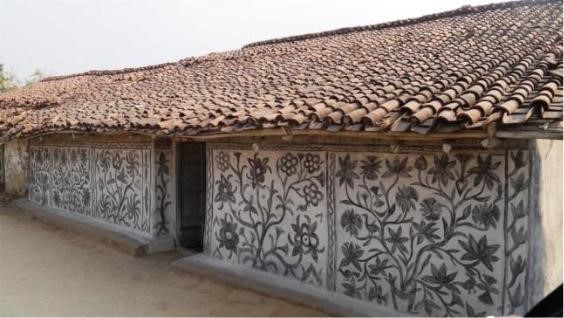

Tribal art forms like the Sohrai and Khovar paintings, which adorn the walls of tribal homes, are not just aesthetically pleasing but also hold deep cultural and religious significance. These art forms passed down through generations, are a testament to the tribes’ connection to nature and their spiritual beliefs.
Struggles & Challenges
Despite their rich cultural heritage, the tribal communities of Jharkhand and India at large face numerous challenges. Displacement due to industrialization, mining, and deforestation has led to the loss of their ancestral lands, which are crucial to their way of life. The encroachment of modernity and globalization has also threatened their traditional knowledge systems and languages, leading to cultural erosion.
Moreover, many tribals face socio-economic challenges, including poverty, lack of access to education and healthcare, and social discrimination. These issues have made it difficult for tribal communities to fully integrate into mainstream society while preserving their unique identities.
Achievements & Contributions
Despite these challenges, the tribal communities of India and Jharkhand have made significant contributions to the nation. Their deep knowledge of natural resources and sustainable practices has been instrumental in environmental conservation. For instance, the practice of shifting cultivation, traditionally done by many tribal groups, is an example of sustainable agriculture that minimizes environmental impact.

In Jharkhand, tribal leaders have played crucial roles in the state’s history, particularly in the fight against British colonial rule. Birsa Munda, a tribal freedom fighter and folk hero, is revered for his role in the struggle for tribal rights and his resistance against British oppression in the late 19th century.
Jharkhand Adivasi Mahotsav
In celebration of the International Day of the World’s Indigenous Peoples, the Jharkhand government hosted the Jharkhand Adivasi Mahotsav in Ranchi.

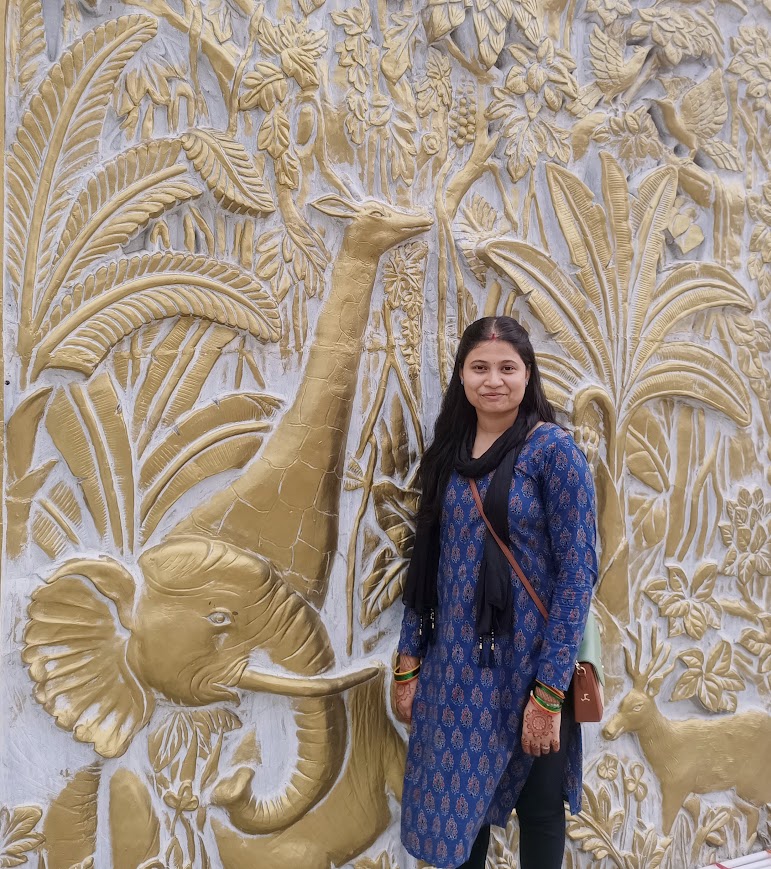

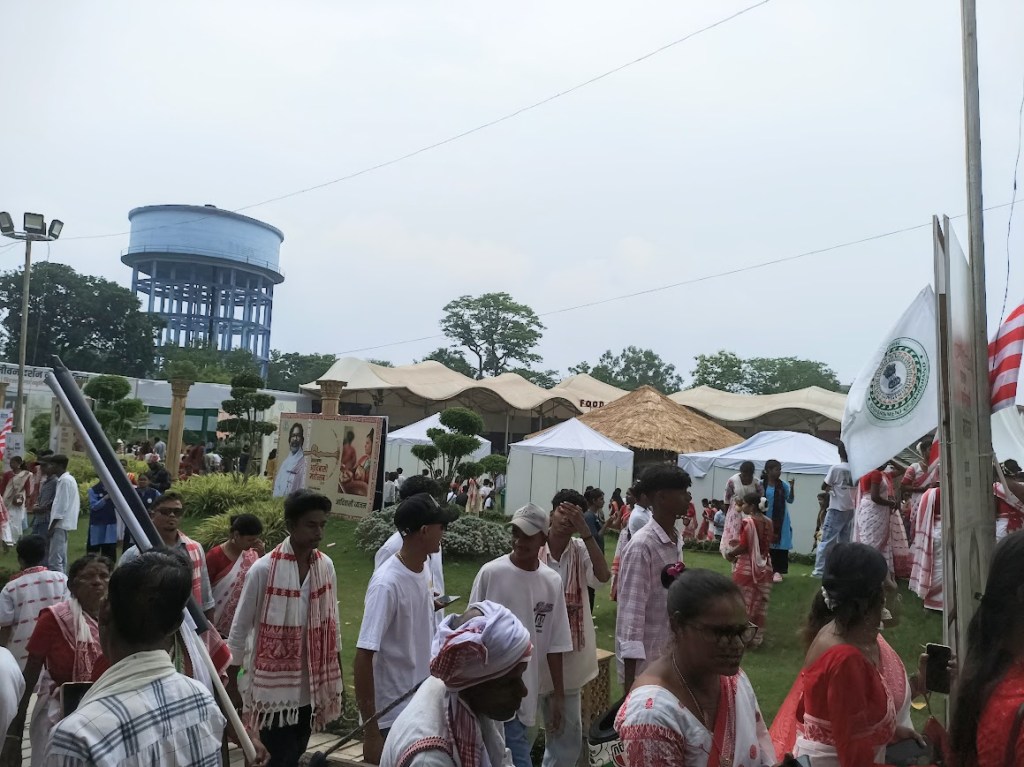


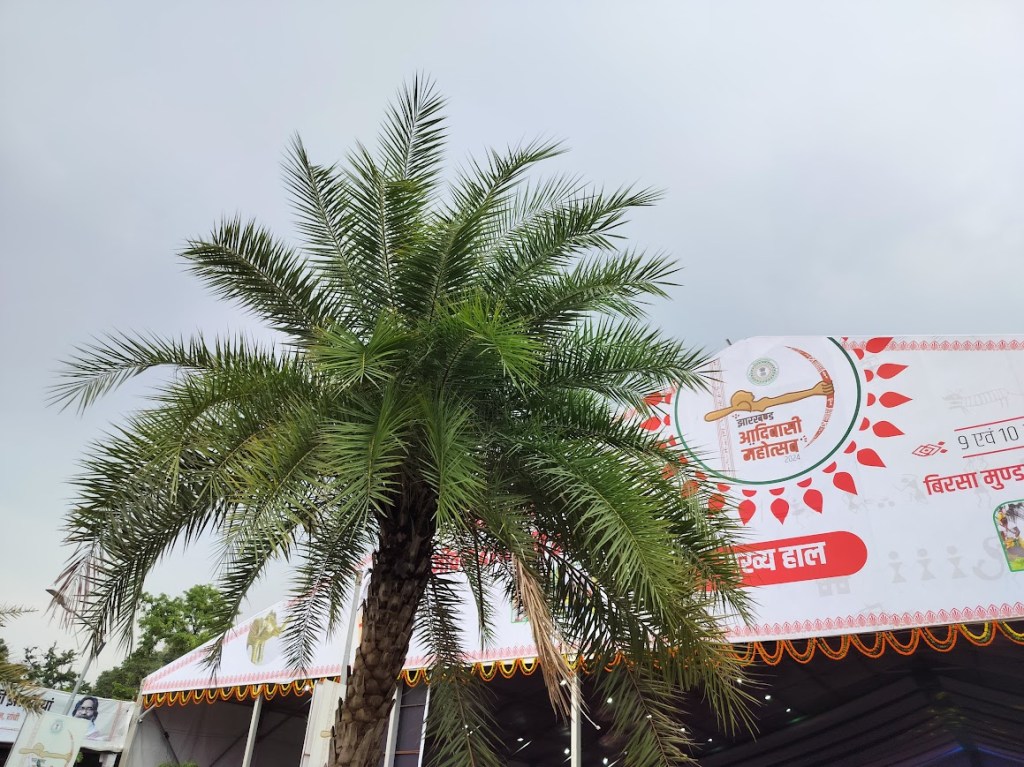
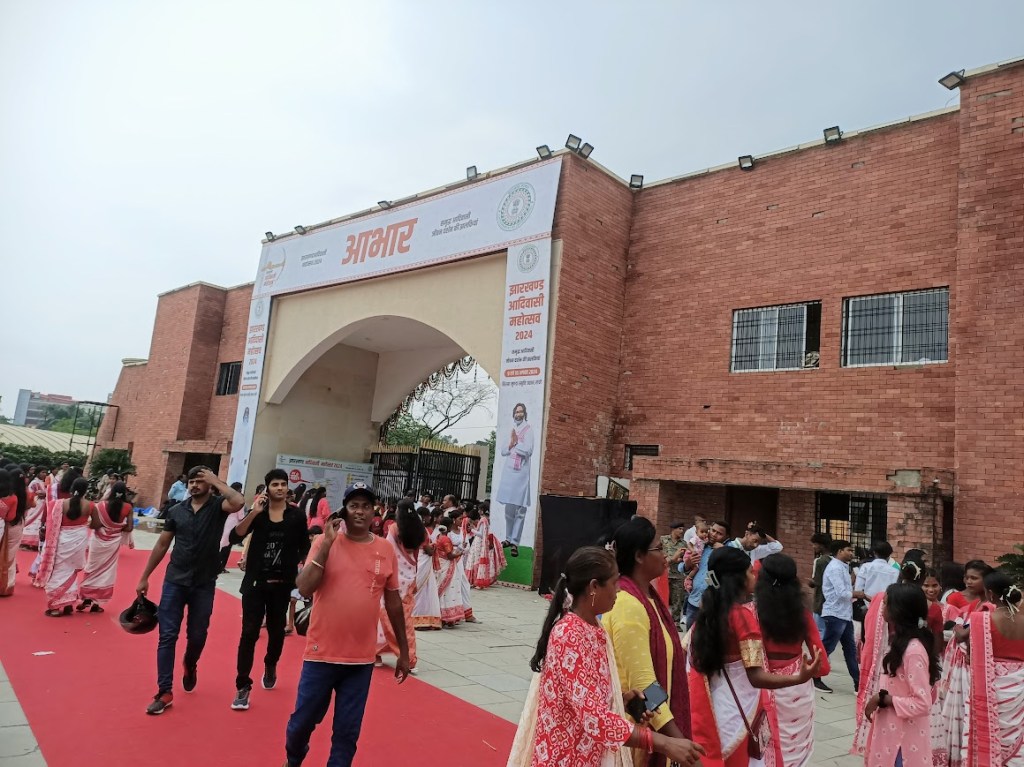


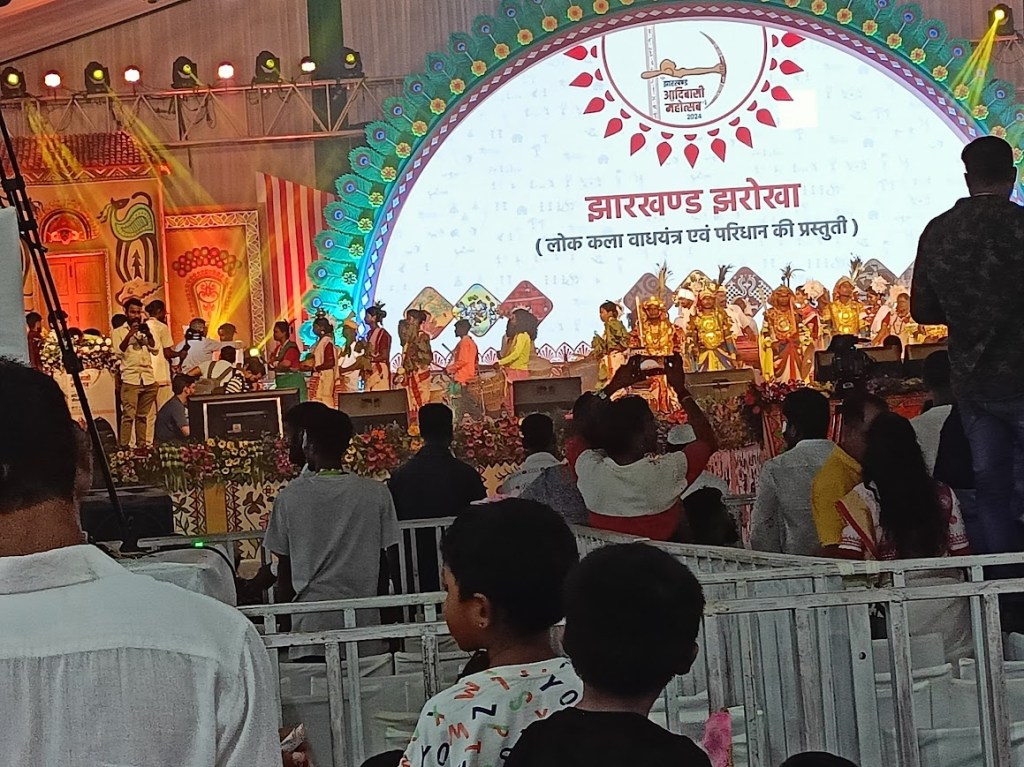
Tania and I had the privilege of attending this vibrant event, immersing ourselves in the rich cultural heritage and spirited festivities.
The Way Forward
As we observe the International Day of the World’s Indigenous Peoples, it is imperative to recognize the need for preserving and promoting the rights, cultures, and identities of the tribal communities of India and Jharkhand. Efforts must be made to protect their land rights, promote education and healthcare, and ensure their full participation in the economic and social life of the nation.
Furthermore, there is a need to document and celebrate the cultural heritage of these communities, ensuring that future generations understand and appreciate the rich diversity that the tribals bring to India’s cultural mosaic.
Conclusion
The tribals of India, and particularly those in Jharkhand, represent the soul of the nation’s cultural diversity. Their ways of life, deeply rooted in harmony with nature, offer valuable lessons for sustainable living in a rapidly changing world. On this International Day of the World’s Indigenous Peoples, let us honour their contributions, recognise their struggles, and work towards a future where their rights and cultures are respected and preserved for generations to come.

Surprised to see that 8% of India’s population is classified as tribal. I would have thought the number would be much smaller. Perhaps I was confusing it with the uncontacted tribes like the ones in Andaman & Nicobar. Never been a greater need to preserve and promote their way of life. Unfortunately, the threat also has never been greater. The ‘developed world’ only sees Dollar and Rupee signs when it sees the resources they represent. Even more unfortunately, they now seem dependent on the goodness of heart of the ‘developed world.’ 😦 I hope I am wrong.
LikeLiked by 1 person
It’s indeed eye-opening to realize that more than 8% of India’s population is classified as tribal, representing a rich and diverse cultural heritage. The contrast between the relatively small and often uncontacted tribes, like those in the Andaman & Nicobar Islands, and the vast number of tribal communities across the mainland, highlights the immense variety within this population. You’re right in expressing concern about the preservation of their way of life. The march of “development” often comes at the expense of these communities, who are more vulnerable than ever. The plight of these communities, especially those in remote areas like the Andaman & Nicobar Islands, is increasingly concerning as their traditional ways of life face severe threats from resource exploitation.
Your hope that you are wrong is a shared sentiment. It’s heartening, however, that there is growing awareness and activism aimed at protecting tribal rights and promoting sustainable development that respects their culture. While there’s a growing global awareness and activism for their rights, true progress hinges on genuine and sustainable efforts rather than mere tokenism. The challenge remains to ensure that the development narrative respects and preserves their heritage while addressing their needs.
LikeLike
It’s good to see you in the Adivasi Mahotsav to celebrate the World Tribals Day.
LikeLiked by 1 person
Yes 🙂 Thanks, Sanchita.
LikeLike
Very well documented and insightful article. Thanks to the Adibasi culture, Jharkhand remains a green state full of natural beauty.
LikeLiked by 1 person
Thanks, Aranjit. The Adivasis are losing their jal, jangal, jameen to the relentless march of development, urbanisation, and and mining.
LikeLike