
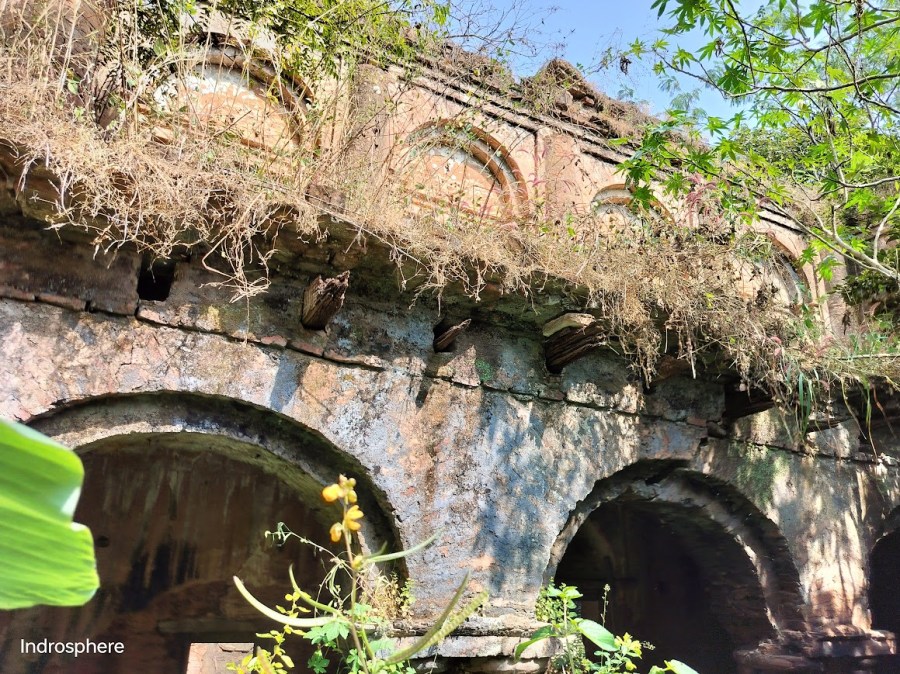
Just a short, dusty drive from the bustling energy of Ranchi lies the seemingly unremarkable village of Pithoria. But beneath its tranquil facade, Pithoria cradles secrets etched in stone and whispered on the wind. Recently, I had the privilege of venturing into this unassuming locale with my companions, my son Judhajit and my daughter-in-law Tania, on a quest to unravel the enigmatic tale of Pithoria Fort. This relic of a bygone era is more than just crumbling walls; it’s a canvas painted with the hues of betrayal, shadowed by a chilling curse, and echoing with eerie narratives that have captivated the imaginations of locals and curious travelers for generations.
Our journey began with a shared curiosity, a pull towards the stories that often lie dormant in the quiet corners of our land. Pithoria Fort, we soon discovered, was no ordinary ruin. It was once a vibrant nucleus within the Chotanagpur region, its prosperity woven into the ambitions of King Jagatpal Singh and his father, Jaimangal Singh. They were the architects of Pithoria’s golden age, transforming it into a thriving trading town. Imagine, if you will, a sprawling palace stretching across thirty acres, a two-story edifice boasting a hundred rooms, a testament to their power and influence. Under their patronage, the people flourished, and Pithoria became a vital artery of commerce.
However, the tide of fortune, as it often does, began to turn with the encroaching interests of the British. The year 1857, a pivotal moment in India’s struggle for independence, saw the flames of rebellion ignite across the nation, their tendrils even reaching the seemingly remote lands of Jharkhand. While many local leaders rose in staunch opposition to British oppression, King Jagatpal Singh chose a different path, one that would forever stain the legacy of Pithoria.
Against the fervent sentiments of his own people, Singh aligned himself with the British. He extended logistical support to the formidable British East India Company during the tumultuous uprising of 1857, effectively lending his weight to the forces seeking to crush the Chotanagpur freedom fighters, spearheaded by the indomitable Thakur Vishwanath Shahdeo. For this act of loyalty, the British bestowed upon Jagatpal Singh the title of “Raja Bahadur.” But this honor came at a steep price, one that would manifest as a chilling curse upon his lineage and his once-grand fort.
To truly understand the weight of this betrayal, we must delve into the story of Thakur Vishwanath Shahdeo (1817-1858), a figure etched in the annals of Jharkhand’s resistance. A fierce advocate against both British rule and the burgeoning influence of Christian missionaries, Shahdeo stood as a beacon of defiance. The British, in their characteristic disregard for local autonomy, had established their civil and military headquarters in Ranchi and Doranda without the consent of the Barkagarh zamindar, encroaching upon ancestral lands and challenging the very essence of the region’s identity.
Shahdeo, already deeply disillusioned by the British authorities and their support for missionary activities, refused to yield to their dictates in 1855, igniting a fiery standoff. The British responded with military might, only to be decisively defeated by Shahdeo’s forces in a fierce battle at Hatia. This unexpected setback forced the British to maintain an uneasy silence for two long years.
Then came July 1857, and the flames of rebellion intensified. Shahdeo, recognizing the opportune moment, united his forces with 600 rebels from the Ramgarh Battalion and other resolute local leaders. Together, they forged the Mukti Vahini, a people’s army, drawing strength from zamindars like Pandey Ganpat Rai, Sheikh Bhikhari, and Tikait Umrao Singh. This powerful coalition launched a formidable uprising that momentarily drove the British out of Ranchi. However, the respite was short-lived. British reinforcements, including the Madras and Sikh Regiments, regrouped and inflicted a crushing defeat upon the rebels at Chatra.
Undeterred, Shahdeo continued his valiant struggle. His gaze, however, also turned towards King Jagatpal Singh, the man he perceived as a traitor to the cause. A fierce battle ensued at Pithoria, where the rebels, despite their bravery, were ultimately overpowered. Thakur Vishwanath Shahdeo was captured, his fight for freedom tragically ending on the gallows in Ranchi on April 16, 1858.

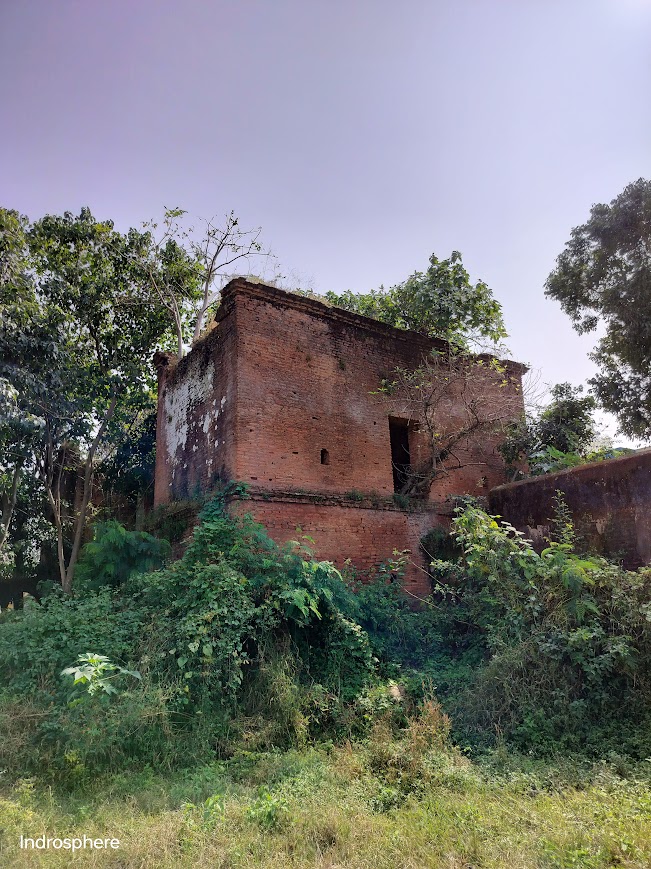
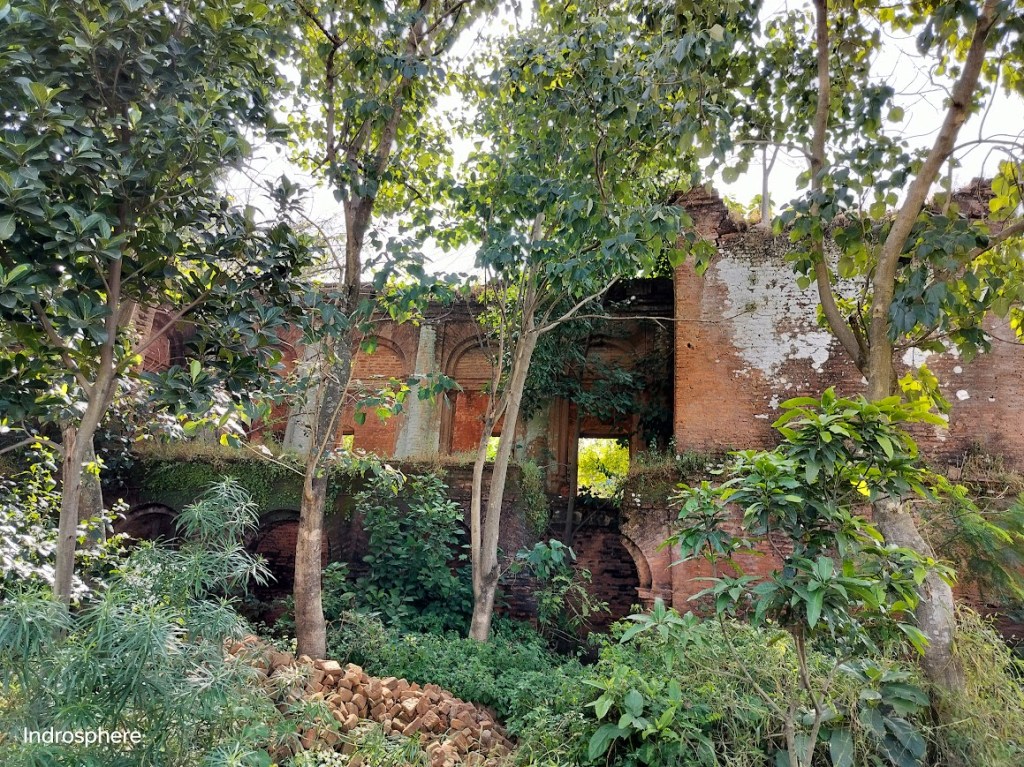


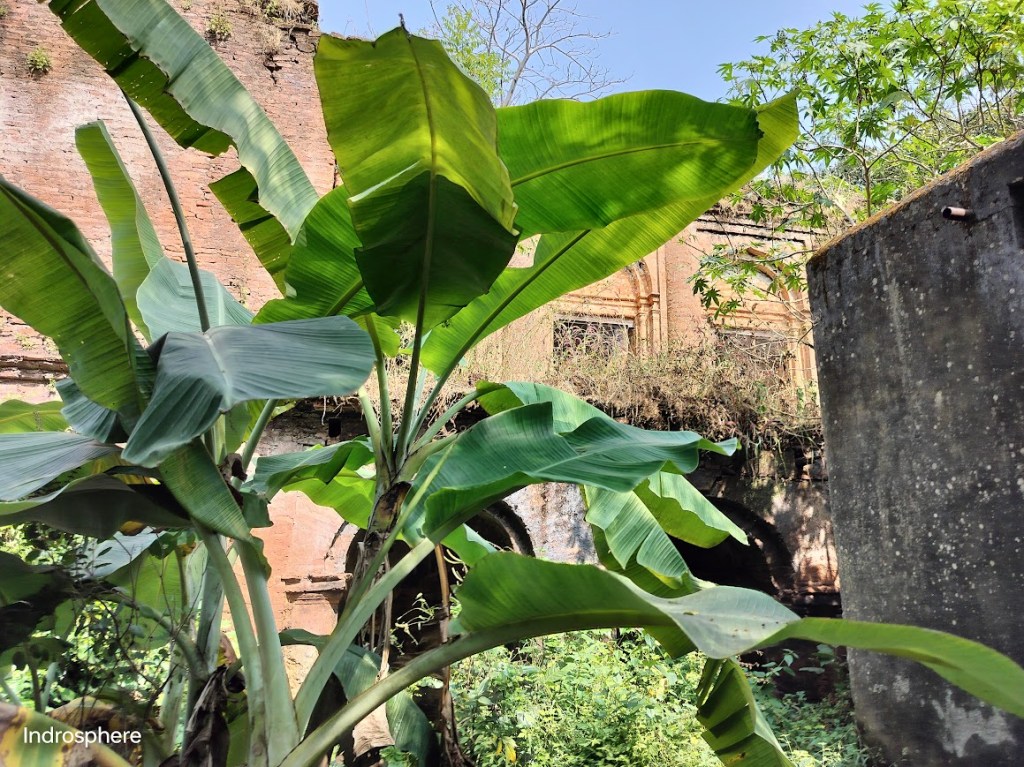
It is said that in his final moments, before the noose tightened, Thakur Vishwanath Shahdeo cast a potent curse upon King Jagatpal Singh. His words, heavy with anguish and righteous fury, echoed through the ages: the fort of the betrayer would be struck by lightning every year until it was reduced to dust. This curse, whether a mere legend or a manifestation of a deeper, inexplicable force, has eerily persisted through the years. Locals whisper of annual lightning strikes that have relentlessly battered the once-majestic fort, leaving it a skeletal ruin, a stark contrast to its former glory. The hundred rooms are now barely discernible amidst the crumbling walls, scarred by countless celestial assaults.
As we finally reached the village, a palpable sense of history, tinged with an almost melancholic stillness, hung in the air. The villagers, their eyes holding a mixture of reverence and unease, recounted tales passed down through generations. They spoke of a place where shadows danced with the memories of betrayal, a place where no one dared to tread after the sun dipped below the horizon. They believed the fort remained haunted, not by ghosts in the traditional sense, but by the lingering weight of the past and the potent curse that clung to its weathered stones.
Our first glimpse of Pithoria Fort was sobering. The walls, bearing the unmistakable marks of repeated lightning strikes – jagged cracks snaking across their surfaces, darkened patches where stone had been scorched – seemed to whisper tales of treachery and defiance. It was a tangible link to a dramatic past, a silent testament to the clash of loyalties and the enduring power of a freedom fighter’s final pronouncement.
The mystery surrounding the persistent lightning strikes only deepened the fort’s enigmatic aura. Local scientists have offered tentative explanations, speculating that the fort’s structural composition or its geographical location might make it a natural lightning attractor. Yet, these theories remain unconfirmed, unable to fully account for the uncanny regularity of the phenomenon. For now, the annual strikes serve only to fuel the eerie legend, adding another layer to the fort’s unique and somewhat unsettling atmosphere.
For Tania and Judhajit, as for me, this journey transcended a mere sightseeing expedition. It was an immersive experience into the layered history of Jharkhand, a poignant reminder of the profound impact of individual choices on the destiny of a region. The curse itself might reside in the realm of folklore, a powerful narrative tool to explain the fort’s demise. But the ruins stand as an undeniable symbol of the sacrifices made by those who fought for freedom and the enduring legacy of resistance embodied by leaders like Thakur Vishwanath Shahdeo.
As we reluctantly turned our backs on the crumbling walls of Pithoria Fort, a sense of sadness lingered. Despite its undeniable historical significance to Jharkhand, the fort appeared to be slowly succumbing to neglect. Encroachments and the relentless forces of natural decay continue to erode what little remains. A fervent hope arose within me that the Archaeological Survey of India and the government of Jharkhand might recognize the urgency of the situation and step in to preserve this vital piece of our heritage before it is irrevocably lost to the ravages of time.
For as long as even a fragment of Pithoria Fort stands, the compelling story of betrayal and defiance will continue to resonate within its weathered stones – a silent yet powerful testament to the resilience and rich heritage of Jharkhand. The whispers of the past, punctuated by the crackle of imagined lightning, serve as a potent reminder that even in the quietest of places, history often leaves its most indelible marks.

Ruins are always the most fascinating.
Coincidentally, some of my friends expressed interest in going to Meerut, which was one of the flashpoints that started the 1857 mutiny, and checking out some of the sites associated with it. Hoping to go next week.
LikeLiked by 1 person
Happy trip. Waiting for the next post about the Mutiny and Meerut. By the way, the Haryana government is building “Azadi ki Pratham Larhai” museum in Ambala.
LikeLiked by 1 person
I hope that gets better maintained than the one in Meerut.
LikeLiked by 1 person
Yes, it’s in the final stage of construction. One of my school batchmates is involved in the project.
LikeLike
There are many such forts and monuments waiting to be discovered and restored…
And let’s not forget the ancient sites that needs excavation/ exploration and serious study.
LikeLiked by 1 person
Absolutely, the unexplored forts, monuments, and ancient sites hold untold stories of our past, waiting to be unearthed and preserved for future generations. These relics of history not only offer architectural and cultural insights but also connect us to the lives and aspirations of those who came before us.
Restoration and conservation efforts should go hand in hand with archaeological exploration to uncover and safeguard these treasures. Sites requiring excavation and serious study could provide invaluable clues about lost civilizations, trade routes, and cultural exchanges.
LikeLiked by 1 person
Interesting
LikeLiked by 1 person
Indeed. Thanks, Geeta.
LikeLike