
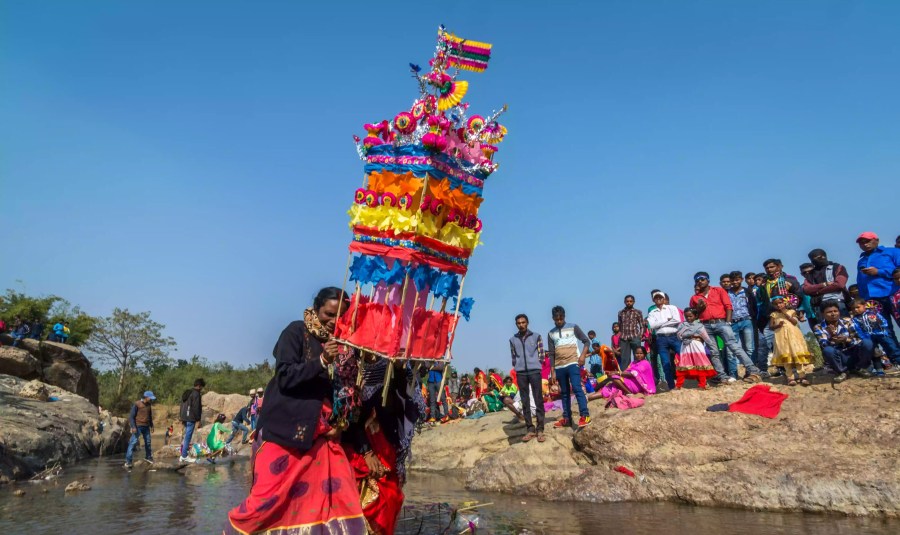
Tusu Festival, or Tusu Parab, is a vibrant and culturally significant celebration observed primarily in the eastern Indian states of Jharkhand, West Bengal, and Odisha. Marking the harvest season, this festival is deeply intertwined with agrarian traditions, embodying a spirit of gratitude, joy, and community. Known for its unique rituals, enchanting folk songs, and vibrant festivities, the Tusu Festival showcases the rich cultural heritage of India. In some regions, it coincides with Makar Sankranti, adding to its significance and widespread appeal.
Historical Background & Legends
The origins of the Tusu Festival are shrouded in legend and folklore, with various narratives adding depth to its cultural significance. One popular legend speaks of Tusu, a young girl known for her exceptional beauty, intelligence, and devotion. According to the tale, she was martyred for her principles, and her memory is honoured through the festival. The festival symbolises resilience, sacrifice, and the celebration of life.
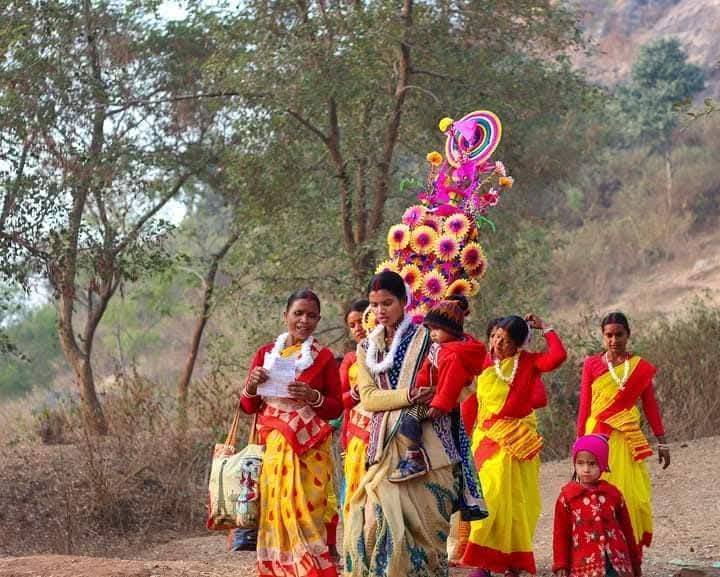
Tusu is a harvest festival held during the winter on the last day of the Poush month. It is especially significant for unmarried girls. Girls decorate a wooden or bamboo frame with coloured paper and then gift it to the nearby hilly river. Although no documented history is available on this festival, it has a huge collection of scintillating songs full of life and taste. These songs reflect the simplicity and innocence of tribal people.
Historically, the Tusu Festival marks the end of the agricultural cycle and the arrival of Makar Sankranti, signifying the sun’s transition into Capricorn (Makara Rashi). It is a time when farmers express gratitude for a bountiful harvest and invoke blessings for prosperity in the coming year.
Cultural Practices & Traditions
Tusu Songs
At the heart of the festival are Tusu songs, soulful folk melodies sung by women and young girls. These songs often narrate tales of daily life, love, and social issues, blending mythology and local culture. Sung in groups, the songs create a sense of unity and communal spirit.
Tusu Dolls & Decorations
A significant tradition of the festival involves creating “Tusu dolls,” beautifully crafted clay or wood idols symbolising the goddess Tusu. These dolls are adorned with colourful fabrics, jewellery, and other decorations. Villagers often compete to create the most elaborate and artistic displays.

Community Celebrations
The festival is marked by vibrant fairs and gatherings where people from different communities come together. Traditional dance performances, music, and cultural events add to the festive atmosphere. The culmination of the festival often involves immersing the Tusu dolls in rivers or ponds, signifying the goddess’s return to her celestial abode.
Feasting & Culinary Delights
No Indian festival is complete without food, and Tusu Parab is no exception. Families prepare an array of traditional dishes, including rice cakes (pitha), sweets made from jaggery, and other regional delicacies. These dishes not only showcase the culinary heritage of the region but also serve as a means of sharing and bonding within the community.
Modern-Day Relevance
While rooted in tradition, the Tusu Festival continues to evolve with time. In urban areas, cultural organisations and communities organise events to preserve and promote the festival’s heritage. Efforts are made to document Tusu songs and practices, ensuring that the younger generation remains connected to their cultural roots.
The festival also serves as a platform to address contemporary issues such as gender equality, education, and environmental conservation, blending age-old traditions with modern values.
Conclusion
The Tusu Festival is more than just a celebration; it reflects the agrarian lifestyle, resilience, and rich cultural heritage of India’s tribal and rural communities. By honouring the goddess Tusu and celebrating the harvest season, the festival fosters a sense of gratitude, unity, and harmony.
As the melodies of Tusu songs fill the air and communities come together to share in the joy, the festival reminds us of the importance of tradition, community, and the enduring spirit of humanity. Let us celebrate Tusu Parab with reverence and pride, keeping its timeless legacy alive for generations to come.

Thanks for sharing the details about this Tusu festival, which I had heard before. Happy Tusu and Makar Sankranti.
LikeLiked by 1 person
Thanks, Sanchita! Happy Sankranti!
LikeLike
Nice post. Happy Tusu Parab!
LikeLiked by 1 person
Thanks, Manish.
LikeLike
Nice festival. I was not aware of it. Thanks for sharing.
LikeLiked by 1 person
Thanks, Gyan.
LikeLike
Jharkhand is not rich naturally but culturally as well. Thank you for the insight.
LikeLiked by 1 person
Yes, indeed. Thanks.
LikeLike