

Imagine this: a sea of humanity stretching as far as the eye can see, resonating with the symphony of devotional chants. For one and a half months, the ancient traditions of the Mahakumbh Mela unfold, creating a mesmerizing spectacle of faith, culture, and commerce. Known as the world’s largest human gathering, Mahakumbh is not merely a religious event—it is a celebration of life and spirituality, a marketplace of ideas and innovations, and a canvas for marketing at an unparalleled scale.
A Tapestry of Faith and Commerce
With over 45 crore (450 million) footfalls and a marketing budget surpassing ₹3600 crore ($415 million), Mahakumbh is a marketer’s dream—an opportunity to connect with a diverse, deeply rooted audience. But this isn’t about flashy billboards or attention-grabbing slogans. The essence of marketing here lies in understanding the soul of the event, addressing the needs of the pilgrims, and creating campaigns that resonate with their values.
For brands, Mahakumbh offers fertile ground to build trust and loyalty. The challenge, however, lies in transcending conventional advertising and blending seamlessly into the event’s sacred ethos. The sheer scale of this event, coupled with its profound spiritual significance, demands innovative marketing strategies that transcend mere advertising. It’s about immersing oneself in the fabric of the event, understanding the pilgrims’ needs, and crafting campaigns that resonate with their values and beliefs.
Beyond the Billboard: Crafting Meaningful Experiences
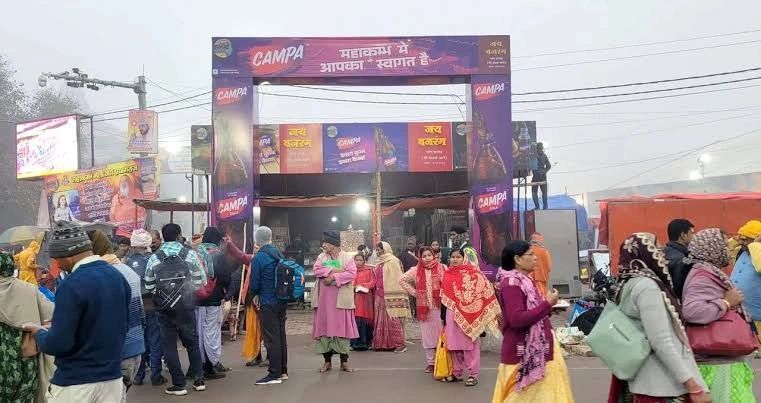
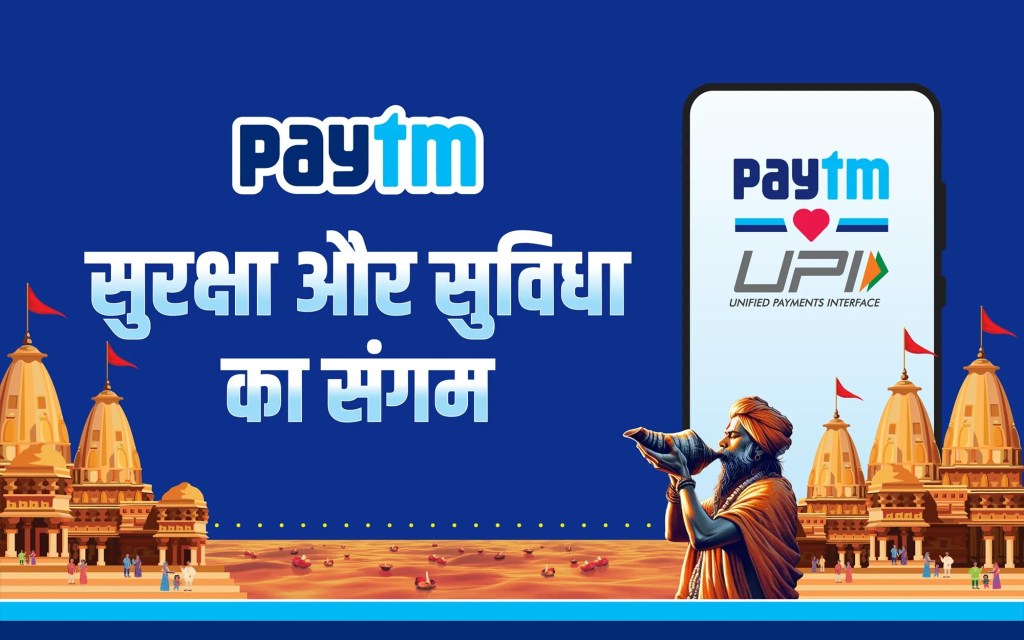
The Mahakumbh Mela has historically been a stage for impactful marketing campaigns that went beyond conventional advertising. Brands like Campa Cola successfully integrated their products into the event’s fabric by quenching the thirst of pilgrims, while Dettol effectively addressed the crucial need for hygiene amidst the massive gathering. Paytm revolutionized the pilgrimage experience by introducing cashless transactions and streamlining financial management for millions of devotees.


In 2023, brands like Airtel Payments Bank introduced kiosks that facilitated digital banking, while KDM set up charging stations for over 16 lakh mobile phones. Similarly, Amazon India turned discarded packaging into eco-friendly, portable beds for pilgrims—a perfect blend of utility and sustainability.

Purpose-Driven Campaigns that Stood Out
At every Kumbh Mela, amidst the swirling sea of pilgrims and the hum of devotional chants, a handful of campaigns have managed to weave their way into the heart of the event—not by shouting the loudest, but by resonating the deepest. These purpose-driven initiatives have left an indelible mark, not just on the pilgrims but on the narrative of what marketing can achieve when it aligns with meaning and need.
Take, for instance, Lifebuoy’s “Roti Reminder” campaign in 2013. Picture this: a simple, freshly made roti arrives on a plate at a bustling eatery. But instead of being just a vessel for dal or vegetables, it carries a message — “Did you wash your hands with Lifebuoy?” Stamped in edible ink, this subtle yet powerful reminder reached 25 lakh (2.5 million) people over 30 days. In a gathering where hygiene is a paramount concern, this innovative approach didn’t just promote a product; it underscored the importance of cleanliness, blending seamlessly with the pilgrims’ experience.

Fast forward to the 2019 Ardha Kumbh, where Red Label Tea introduced the “Tea for Trash” initiative. Amidst the overwhelming tide of waste generated by millions of visitors, this campaign offered a simple, heartfelt incentive: collect litter and exchange it for a steaming cup of tea. The result? A cleaner environment, a sense of contribution among pilgrims, and a brand that warmed more than just hands—it warmed hearts.

The same year, Unilever’s “Swachhta ki Sawari” campaign took to the river, quite literally. Boatmen, integral to the pilgrimage experience, were equipped to collect and safely dispose of waste from the sacred waters. By empowering these ferrymen to contribute actively to river cleanliness, the campaign transcended mere advocacy. It transformed an environmental challenge into a shared responsibility, giving the river itself a chance to breathe.
These campaigns weren’t just about showcasing products or services. They were about finding purpose in the moment, addressing tangible needs, and leaving behind a legacy that extended far beyond the event. At their core, they exemplified a profound truth: the most memorable marketing isn’t about selling—it’s about serving.
Walking the Tightrope: Authenticity vs. Commercialization
The Mahakumbh’s spiritual core presents a unique challenge for marketers: how to engage authentically without overshadowing its sanctity. Brands must tread carefully, respecting the event’s religious significance while contributing meaningfully.
Navigating this sacred space demands a thoughtful, purpose-driven approach. Brands must first embrace social responsibility, recognizing the immense impact they can have on the communities that host this gathering. This could mean supporting local artisans, promoting sustainability, or contributing to initiatives that give back to the pilgrims and the region. When brands step into this space as partners rather than profiteers, they foster goodwill that lasts far beyond the event.
Equally important is the need to enhance the pilgrim experience. For the millions who endure physical challenges to participate, simple gestures can make a profound difference. Providing clean drinking water, setting up navigation kiosks, or offering first aid services not only meets critical needs but also positions the brand as a trusted ally on this spiritual journey.
And above all, brands must respect the sacred nature of the Mahakumbh. This isn’t just another venue for flashy campaigns or loud messaging. It’s a place where faith runs deep, and the spiritual significance of every ritual, every prayer, must be honored. Successful campaigns tread lightly, integrating into the experience without disrupting its essence.
The Mahakumbh is not just an event; it’s a living, breathing tapestry of devotion. For brands willing to align their efforts with its deeper purpose, it offers a chance to connect not just with audiences, but with hearts and values.
Reimagining Marketing: A Call for Innovation
The Mahakumbh Mela is no ordinary event—it’s a confluence of faith, culture, and humanity on an unimaginable scale. Its sheer magnitude challenges brands to think beyond the confines of conventional advertising. Here, amidst the chants and rituals, lies a profound opportunity to create campaigns that are not just seen but felt—campaigns that resonate deeply with the spiritual and cultural essence of this sacred gathering.
At the heart of this approach is the commitment to health and wellness. Imagine offering free health check-ups at strategic locations, where weary pilgrims can find respite and reassurance. Picture yoga sessions at dawn by the riverbank, helping devotees rejuvenate their minds and bodies. These initiatives are more than services; they’re acts of care that align seamlessly with the ethos of well-being central to the Mahakumbh experience.
Equally impactful are eco-conscious campaigns, which recognize the environmental challenges posed by such a massive congregation. By distributing reusable water bottles, setting up waste management systems, and encouraging sustainable practices, brands can champion a cause that resonates with the pilgrims’ reverence for the sacred rivers and the earth itself. These efforts not only address practical concerns but also demonstrate a respect for the spiritual connection between humanity and nature.
In a world increasingly shaped by technology, digital empowerment has the potential to transform the Mahakumbh experience. A well-designed mobile app could serve as a pilgrim’s guide, providing real-time updates on rituals, schedules, and accommodation options. By easing navigation and enhancing accessibility, brands can ensure that the spiritual journey remains uninterrupted by logistical challenges.
Brands like Dabur, with its focus on traditional wellness, and the Sri Mandir app, offering digital tools for devotees, are already embracing these avenues. Their initiatives show how thoughtful marketing can leave a lasting impact—not by overshadowing the event, but by seamlessly integrating into its sacred fabric.
The Mahakumbh is not a space for loud slogans or superficial gestures. It’s a call to innovate with purpose, to create campaigns that honor the spirit of the gathering while offering genuine value. For those who rise to this challenge, the rewards are far greater than brand visibility—they’re about becoming a meaningful part of a timeless tradition.
The Changing Face of Mahakumbh
While Mahakumbh evolves with time, blending tradition with technology, it also faces challenges. Practices like Kalpavas—a period of spiritual reflection—are sometimes overshadowed by the pursuit of social media validation. To preserve the event’s spiritual essence, all stakeholders, from brands to authorities, must prioritize authenticity and purpose.
The 2025 Mahakumbh exemplifies the harmonious integration of tradition and technology. Authorities are employing a comprehensive strategy to ensure crowd safety, blending cutting-edge tools with established methods. Over 1,500 CCTV cameras, many enhanced with AI capabilities, and drones provide real-time data on crowd density, enabling swift responses to potential bottlenecks. A mobile tracking app estimates crowd numbers by analyzing active devices, adding a layer of precision to monitoring efforts.
Traditional approaches remain vital, with local intelligence units gathering on-ground insights and administrators closely observing transportation hubs to track the influx of pilgrims. However, accurately gauging the total attendance remains a challenge. Factors such as repeat visits by devotees and the inherent limitations of statistical models complicate precise crowd estimations. Despite these hurdles, the integration of advanced technology underscores a commitment to safeguarding the sanctity and safety of this monumental gathering.
Faith-Based Marketing: What’s Next?
Mahakumbh isn’t just an event—it’s a living testament to the power of faith, culture, and community. For brands willing to innovate with empathy and authenticity, it offers an unparalleled opportunity to connect with hearts and values.
How can brands balance commerce and spirituality at events like Mahakumbh? Share your thoughts in the comments below and join the conversation about the future of faith-based marketing.

Love the ad samples, especially of Lifebuoy. I am a firm believer in the nothing is free philosophy. Businesses are not doing something for your and my good, they are doing it for their own bottomline. At the same time, the creative energies put into these offerings often have quirky, memorable manifestations which we should also appreciate and enjoy. And enjoy the services if they are of benefit to us.
LikeLiked by 1 person
Absolutely agree with your perspective, sir! While businesses primarily operate with profit motives, it’s fascinating to see the creative brilliance that goes into their campaigns. Appreciating the art and effort behind these ads doesn’t take away from being a conscious consumer. If the product or service adds value to our lives, it’s a win-win situation.
LikeLike
Although the ad campaigns emphasized faith and pilgrims, it feels more like a college fest than a pilgrimage fair.
LikeLiked by 1 person
That’s an interesting observation. Sometimes, the way events are marketed and the actual atmosphere can feel quite different. It’s surprising how the essence of a pilgrimage can get overshadowed by a more festive vibe.
The spiritual essence of events like this year’s Mahakumbh seems to be fading under the influence of social media glamour and commercial publicity. The traditional practices like Kalpavas, which were central to the experience, are now overshadowed by the pursuit of viral moments on social media and digital validation.
LikeLiked by 1 person
Kumbh has always been festive. It is called mela. I have no problem with changing times and how people view things differently nowadays.
I am only concerned about the traditions and values of pilgrimage getting submerged as the Saraswati river in sangam i.e. only in name.
LikeLiked by 1 person
You make a thoughtful point about balancing tradition and modernity. While change is inevitable, it’s essential to preserve the essence and values of pilgrimage to honour its spiritual significance. Like the Saraswati at the Sangam, these traditions must remain alive in spirit, not just in name.
The true essence of such sacred gatherings lies in their simplicity, devotion, and inclusivity. As modernization progresses, it’s crucial to ensure that spiritual practices and cultural values remain central, and free from external distractions e.g. social media glamour, excessive commercial publicity, and many VIP movements.
LikeLiked by 1 person
Maha Khumb… Such a huge mass of faith-driven humanity congregating in an area is a once-in-a-lifetime spectacle! The commercial element is all fine as revenue accrual is indispensable for both the state and other stakeholders in terms of its organisation and safe execution. At the end of it all, the gods will be happy if the event has transformed into an impactful vehicle for environmental preservation.
LikeLiked by 1 person
Very true. Thanks, sir.
LikeLike