
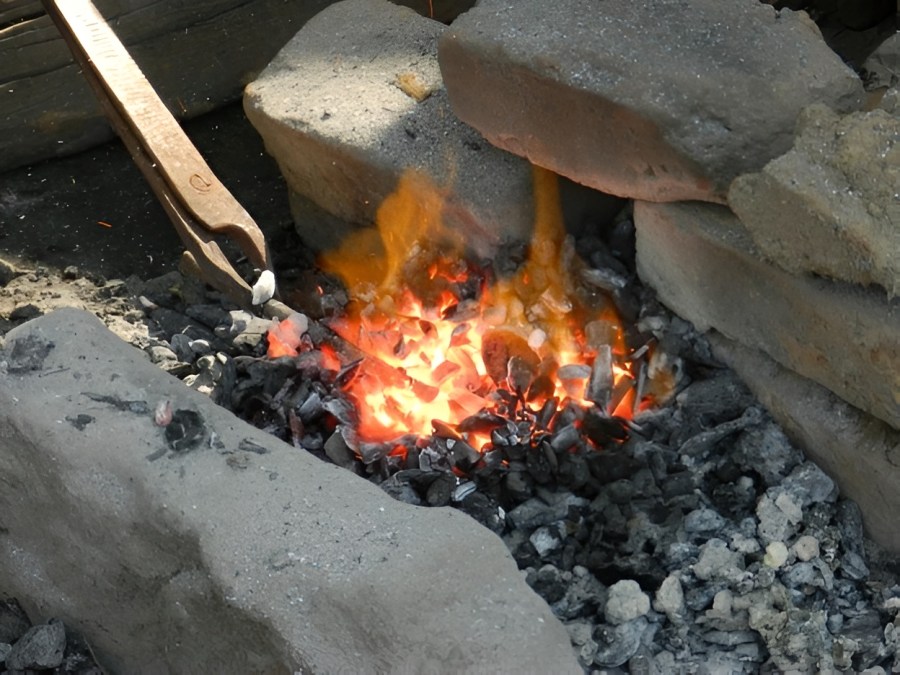
Some places announce themselves with spectacle. And then some places whisper. The Chhotanagpur plateau belongs to both.
I first met the Chhotanagpur plateau not through a map, but through dust. The road from Ranchi to Netarhat unwound like a reluctant memory—red laterite soil clinging to tyres, sal forests standing in patient silence, and thin mist drifting in and out of the valleys. Somewhere between Gumla and Latehar, my driver slowed instinctively, as though the landscape itself had asked for reverence.
“Yahin se Asur ilaka shuru hota hai,” he said—from here, Asur land begins.
I remember rolling down the window. The air was cool, resinous, carrying a faint smell of smoke—not industrial, but domestic, almost ritualistic. It felt as though the hills were breathing out centuries of history.
A People Older than the Road
The Asurs do not greet you with grand narratives. They greet you with silence, shy smiles, and work-worn hands. Classified today as a Particularly Vulnerable Tribal Group (PVTG), they number barely 23,000 across Gumla, Latehar, and Lohardaga. Yet their footprint on Indian history is far larger than their population suggests.
Their name—Asur—rings with mythic resonance. In Vedic lore, Asuras were formidable beings: builders, craftsmen, manipulators of fire and metal. Their name evokes the Asuras of ancient Indian mythology—powerful beings often depicted as master craftsmen and adversaries to the Devas in the Rigveda and Puranas.
Anthropologists and historians link the Asurs to prehistoric metallurgists, possibly tracing back to the Indus Valley Civilisation, Mohenjo-Daro, and Harappa. Archaeological evidence, including slag heaps, ancient furnaces, copper ornaments, and stone implements, supports this connection.
Standing on a Netarhat ridge, looking at rusted furnace remnants scattered like broken teeth across the soil, one begins to wonder whether myth and anthropology have simply blurred into one.
The Asurs speak Asuri, a Mundari language that feels like a bridge between forest, river, and sky. When elders speak, the cadence resembles wind moving through sal leaves—unhurried, textured, and deeply rooted.
Their oral histories do not dwell on kings or battles. They speak instead of ancestors who learned to “wake the iron inside the stone” and who followed veins of ore the way others follow rivers.
Tribes like the Asur, Agaria, Kol, and Birjia were among the primitive iron smelters of central and eastern India, with the Asurs holding a special place as perhaps the earliest practitioners.
The Mastery of Iron Smelting: A Timeless Technique
At the heart of the Asur culture is their indigenous iron smelting process, a sophisticated method refined over thousands of years. Unlike modern industrial techniques, the Asurs’ approach is eco-friendly, cost-effective, and remarkably efficient, producing high-quality wrought iron that resists rust.
The Asur furnace was never just technology. It was ecology in motion. Walking with an elder named Budhram near a dried streambed, he points to three kinds of rock:
- Gatta — dark, dense, secretive
- Tumba — reddish, earthy, almost warm to the eye
- Pote — biscuit-shaped nodules scattered like offerings
“These are not stones,” he says softly. “They are sleeping iron.”
Charcoal came from sal wood—carefully burned along riverbanks so the smoke could rise and dissipate without choking the valley. Nothing here felt extractive; everything felt negotiated.
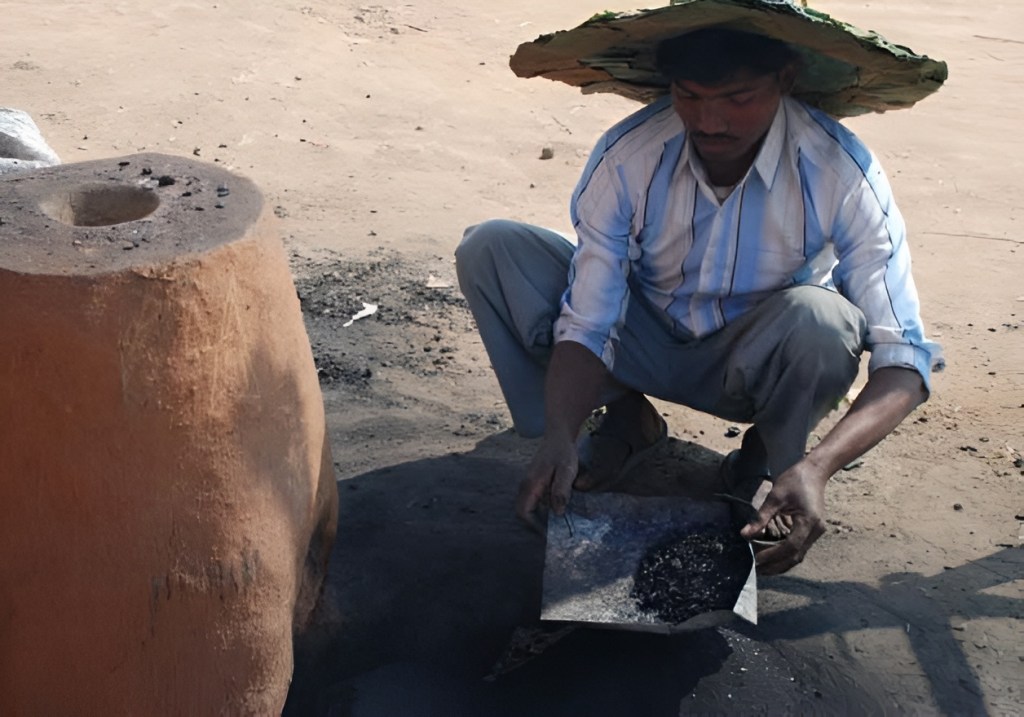
The furnace itself was modest: clay, stone, and patience. Ore and charcoal were layered like a ritual meal. Foot bellows breathed life into the fire. Temperatures climbed beyond 1,200°C—hot enough to separate metal from earth, but gentle enough to leave the forest intact.
What emerged was a spongy bloom of wrought iron, hammered by hand until it gleamed—a metal so pure it resisted rust long after modern steel would have surrendered. No electricity. No factories. No pollution. Just fire, earth, air, and human intuition.
Ethnoarchaeological studies reveal that such pre-industrial smelting was widespread in areas like Rajmahal Hills, Palamu-Ranchi, and Singhbhum, with the Asurs as key practitioners. Their expertise allowed them to locate ore deposits intuitively, a skill passed down through generations.
Iron that Quietly Powered Empires
It is tempting to imagine history as something that happens only in palaces. But in truth, history often begins in forests like these. During the Mauryan age, when Ashoka’s armies marched across the subcontinent, much of their strength rested on iron forged far from the imperial capital—possibly by communities like the Asurs.
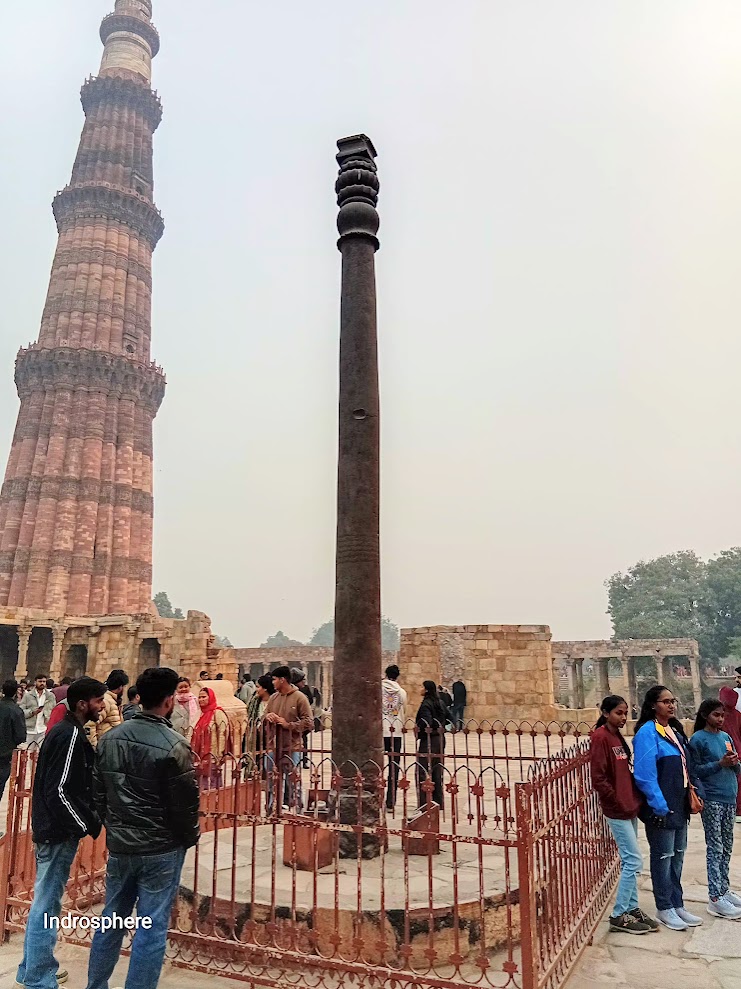
Years earlier, I had stood before the Iron Pillar of Delhi, marvelling at its corrosion resistance. It felt monumental, imperial, untouchable. But in Netarhat, amid broken furnaces and scattered slag, I saw its quieter origin story.
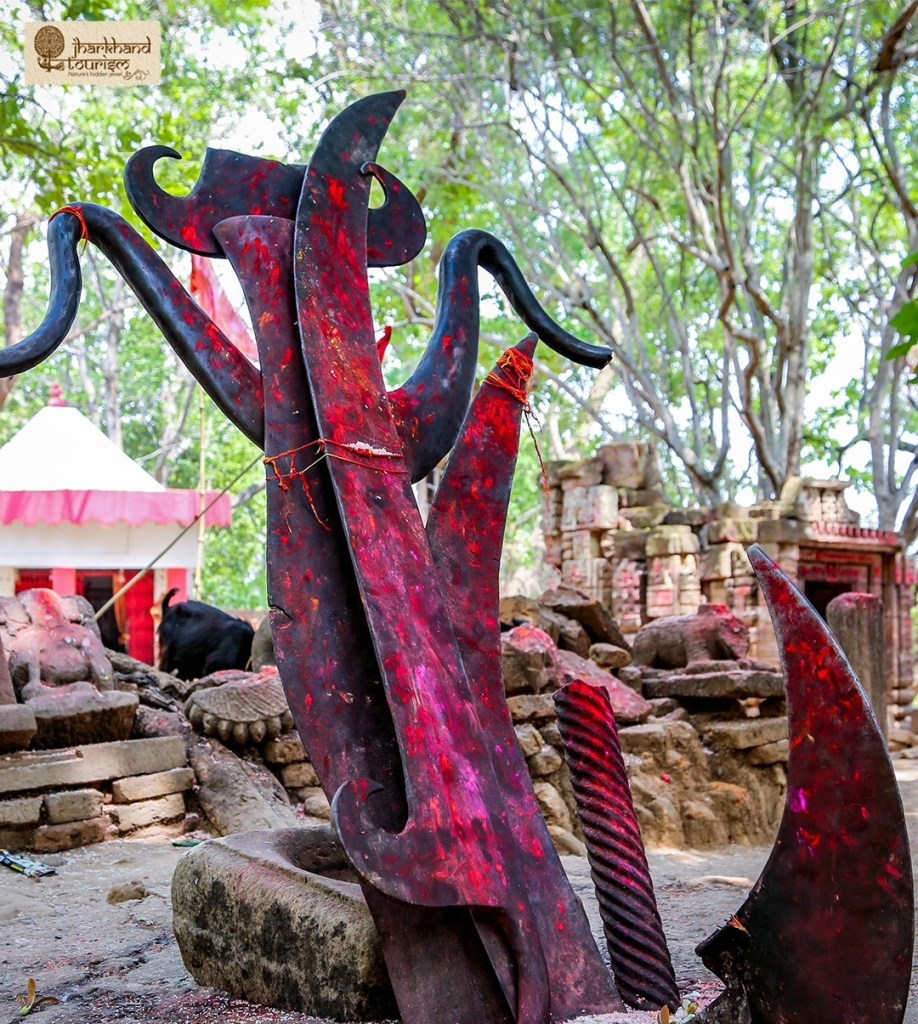
One afternoon in Tanginath, Gumla, I walked up to the massive rust-free trident attributed to Asur craftsmanship. Wind swept across the hilltop temple, carrying bells, birdsong, and forest fragrance. I placed my hand on the metal. It was cool, steady, unyielding.
Suddenly, Ashoka’s armies and Gupta courts felt distant. What mattered was this—human hands, ancient skill, living land.
Empires may have claimed the glory. But the Asurs had forged the foundation.
The Silence of the Forges
The first blow to Asur metallurgy came with colonial forest laws, which restricted access to sal wood for charcoal. The second came with industrial steel—especially the rise of Tata Steel in Jharkhand. Machine-made metal flooded markets, cheaper, faster, and indifferent to tradition.
Then came mining. Bauxite extraction in Netarhat altered landscapes that had sustained Asur life for millennia. Forests thinned, streams shifted, and communities were displaced.
Ironically, the very people once blamed for deforestation were now watching industries do far greater damage in a fraction of the time. By the mid-20th century, most Asur furnaces had gone cold. Today, only a few elders still remember the full process.
Economic marginalisation compounds the issue. With no market for handmade iron, Asurs struggle with poverty, migration, and cultural erosion. Their language and rituals fade as younger generations adopt mainstream ways.
What fades is not just a craft, but a worldview.
Preservation Efforts & the Path Forward
Despite the gloom, glimmers of hope exist. At Surajkund Mela, I once saw young Asur artisans demonstrating miniature smelting techniques—surrounded by curious urban visitors who suddenly realized that “primitive” knowledge could be profoundly sophisticated.
Some researchers are pushing for UNESCO recognition of Asur metallurgy as intangible heritage.
Back in Jharkhand, a small NGO was teaching Asur children both schooling and fragments of their ancestral craft—not to make them blacksmiths again, but to make them proud Asurs.
Government support for PVTGs must prioritise cultural preservation over exploitative development. Reviving sal forests and creating markets for artisanal iron could sustain the craft.
A Last Look Back — and Forward
As dusk settles over Netarhat, the plateau turns a deep ochre. Smoke curls faintly from village hearths. Somewhere in the distance, an elder strikes metal against metal—more memory than manufacture.
Standing there, one realises that the Asurs are not merely relics of the past. They are reminders of another way of being—one where technology serves ecology, not exploits it.
Their story is a poignant reminder of how progress can erase invaluable heritage. For millennia, their rust-free wrought iron armed empires, like Magadh, enriched India’s metallurgical history.
Their furnaces may be fading. But their fire still burns—in stories, in slag, in soil, and in the quiet resilience of a people who refuse to disappear.
Some histories do not belong in textbooks. They belong to hills, hands, and heart.

Incredible! So Asurs are for real. Wow!
At the same time, an unfortunate reminder of might being right and what we call mainstream stamping out everyone and everything that is not mainstream, by first painting them with some sort of criminality.
LikeLiked by 1 person
It’s quiete powerful—history told the way it actually lived: in dust, hands, and fire.
You’ve shown how Asur metallurgy wasn’t just technology, but an ethic—where ecology, craft, and memory were inseparable.
Pieces like this don’t just document the past; they restore dignity to it.
LikeLiked by 1 person