The Unique Two-Armed Durga Worship in Tripura

Tripura showcases a unique tradition by worshipping a two-armed form of Goddess Durga, steeped in the region's royal legacy through the Manikya dynasty. This simpler depiction represents personal connection and protection. Celebrated with a ceremonial state gun salute, it elevates Durga’s status, merging spirituality with authority. Despite modernization, this practice endures, preserving Tripura's rich cultural identity and devotion to the goddess as a guardian.

Raag Rang, Rhythm, & Radiance: A Dandiya Night to Remember

The Dandiya Night organized by Raag Rang in Ranchi was a memorable family celebration. Planned by Judhajit, the evening featured vibrant dancing, traditional music, and a festive atmosphere. The joy of dancing together, recognition as the "Most Energetic Male," and cherished moments with family made this event truly special, highlighting cultural traditions and togetherness.

The Mother Goddess Through Time: A Celebration Across Civilizations

Ranchi is alive with the Navratri festival, showcasing devotion to Goddess Durga, symbolizing the divine feminine's strength. The author reflects on Durga’s role as an invincible warrior and shares connections to ancient goddesses Inanna and Ishtar. These figures embody both nurturing and fierce protective qualities, emphasizing the universal archetype of feminine power. The festival celebrates this enduring spirit through vibrant rituals and collective energy.

Bhangaram Devi Temple: Where Gods Face Trial & Redemption

The Bhangaram Devi temple and the Trial of Gods exemplify the Gond people's profound spiritual connection with their deities, showcasing a tradition where divine power is earned through reciprocal trust. This practice reflects the deep intertwining of faith, nature, and community, highlighting the resilience of tribal culture amid changing times and the importance of preserving traditions that emphasize the symbiotic relationship between humans and their environment.

Jharkhand’s Adivasi Heritage: A Cultural Mosaic

The International Day of the World's Indigenous Peoples, observed on August 9, raises awareness about indigenous cultures, histories, and contributions. In India, 730 Scheduled Tribes make up approximately 8.6% of the population, with a rich tapestry of cultural diversity. The tribal communities in Jharkhand are known for their rich cultural heritage, facing challenges such as displacement and socio-economic issues, while making significant contributions to environmental conservation and history.

The Unfinished Journey: A Sacred Pilgrimage to Kamakhya & Ambubachi Mela

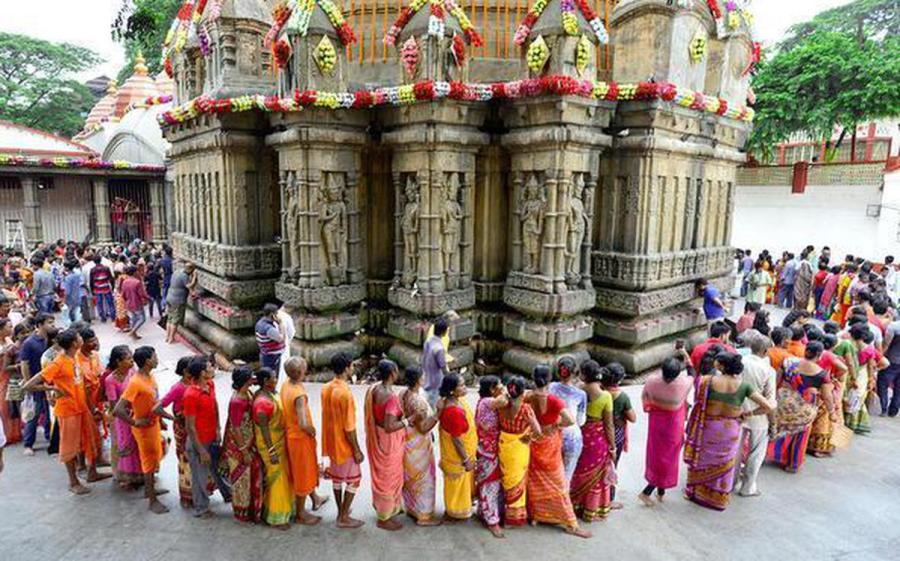
The Ambubachi Mela at Kamakhya Temple in Guwahati marks a significant annual Hindu festival, celebrating the goddess Kamakhya's menstrual cycle and the divine feminine. The temple, rich in mythology and history, closed its doors for three days out of respect for this natural cycle. A personal narrative reveals a thwarted journey to visit the temple, underscoring themes of devotion, longing, and the influence of divine timing in spiritual journeys.

Shubho Noboborsho: A Celebration of Renewal, Heritage, & Connection

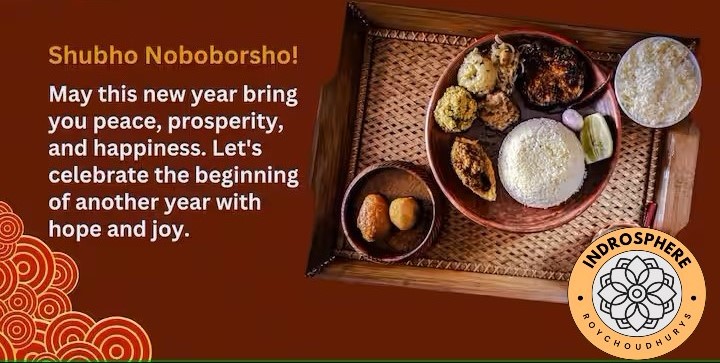
Shubho Noboborsho, the Bengali New Year, symbolizes renewal, unity, and rich cultural heritage. Celebrated on the 14th or 15th of April, it embodies new beginnings and traditions deeply rooted in Bengali culture. Amidst vibrant festivities, preparations include cleaning homes, making traditional sweets, and decorating with Alpana. Despite modernization, the festival's essence of reflection, family bonds, and personal connections remains cherished. Shubho Noboborsho celebrates optimism and the promise of new beginnings.

Kartabhajas: Bengal’s Forgotten Spiritual Uprising

The Kartabhaja sect, a prominent aspect of Bengal's religious landscape, symbolized rebellion against social hierarchies. While embodying an inclusive faith and egalitarian principles, it later transitioned into Satima Dharma. Ghoshpara's demographic shifts, influenced by historical events like Partition and British rule, significantly impacted the sect's evolution and syncretic nature.

Ugratara: A Temple of Time, Faith, & Quiet Grace

The Ugratara Temple, located in Latehar district, Jharkhand, is a centuries-old religious site dedicated to the goddess Ugratara. Particularly significant during the 16-day Navratri celebration, the temple draws devotees from Jharkhand and neighboring states. Rituals are guided by a 500-year-old handwritten book, and a distinctive immersion ritual is observed. The temple site also fosters interfaith connections, with the Muslim community involved in certain traditions. Steeped in legend, the temple boasts royal endorsements and daily prasad offerings.