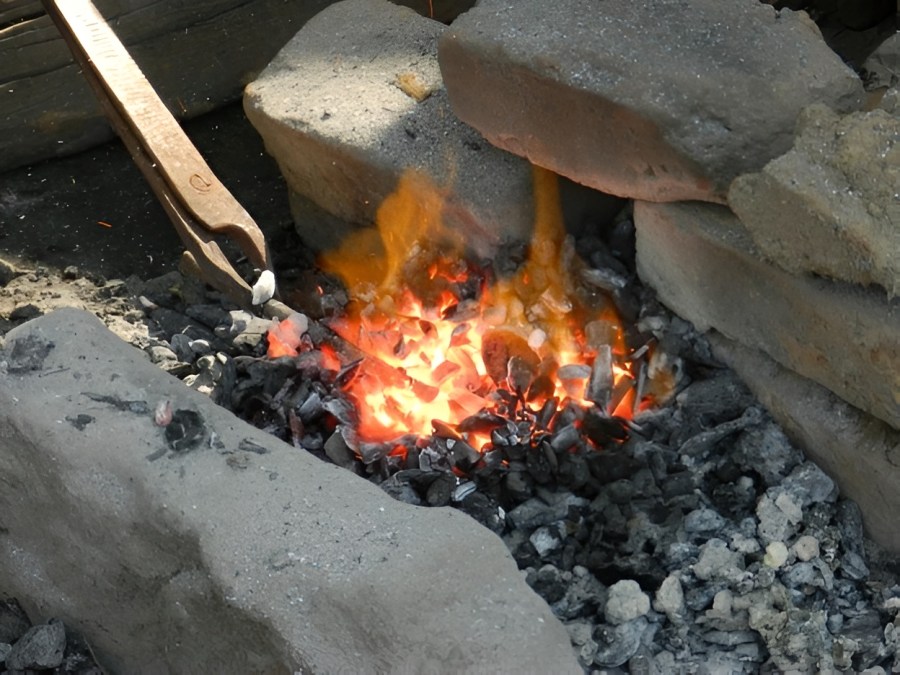
The Ancient Forges of the Asur: Guardians of India’s Iron Legacy

The Chhotanagpur plateau, home to the Asur tribe, reveals a rich cultural tapestry shaped by ancient metallurgical practices. Once adept at eco-friendly iron smelting, the Asurs, classified as a Particularly Vulnerable Tribal Group, face declining traditions amid modern industrialisation. Despite cultural erosion and economic challenges, efforts to preserve their heritage are emerging, highlighting the importance of maintaining their unique connection to history and ecology.
The Calculus of Betrayal: Radhanath Sikdar & the True Story of Mount Everest

In 1852, Radhanath Sikdar, a Bengali mathematician, discovered that Peak XV was the world's highest mountain, later named Mount Everest. His groundbreaking calculations were overshadowed by British imperial bias, as the peak was named after a British official. Sikdar's contributions to the Great Trigonometrical Survey were largely ignored, encapsulating the colonial erasure of non-Western intellectual achievements.

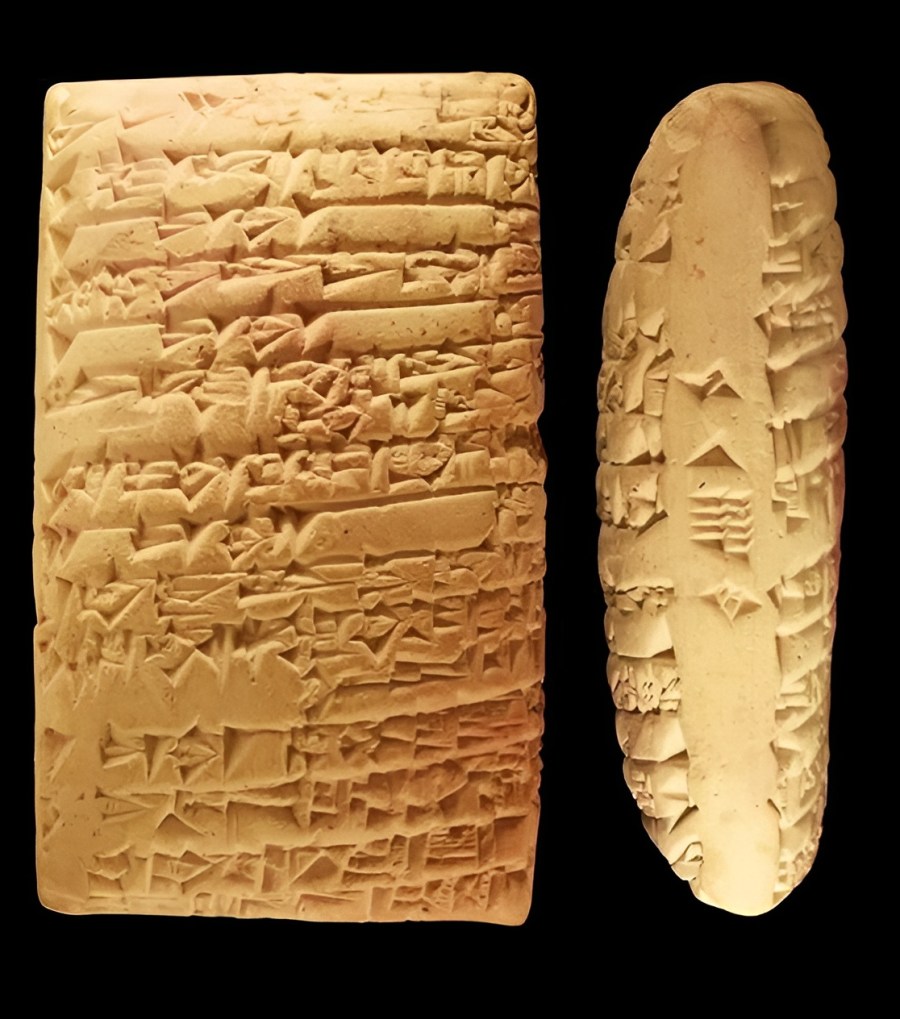
When History Whispers: The Story of a Clay Tablet From the Edge of an Empire

A modest clay tablet preserves a snapshot of life in the Ur III dynasty. It records messengers’ rations—soup, fish, and mutton—alongside their missions. From carrying royal offerings to capturing fugitive workers, these couriers kept the empire connected. Four millennia later, the tablet speaks across time, showing the ingenuity, discipline, and human heartbeat behind one of history’s earliest bureaucracies.

Cholera’s Unsung Heroes: Tribute to Indian Pioneers

Cholera is a deadly disease often overlooked in global health agendas, overshadowed by issues like HIV/AIDS and malaria. Indian scientists Dr. Shambhunath De and Dr. Dilip Mahalanabis made crucial contributions to cholera treatment, yet remain largely unrecognized. Dr. De identified the cholera toxin's role in causing death, while Dr. Mahalanabis demonstrated the effectiveness of oral rehydration therapy during a crisis. Their legacies deserve acknowledgment and commemoration in India, highlighting their profound impact on global health.

Tradition vs. Reform: The Legacy of Bankim Chandra & Ishwar Chandra Vidyasagar

The ideological conflict between Bankim Chandra Chattopadhyay and Ishwar Chandra Vidyasagar illustrates the tension between tradition and social reform in 19th-century Bengal. Vidyasagar championed women's rights and advocated for radical social change, notably through the Widow Remarriage Act, while Bankim emphasized cultural revivalism and gradual reform. Despite their disagreements, both figures significantly impacted Bengal's intellectual landscape, shaping its evolution and illustrating different paths toward progress.

The Zanj Rebellion: Impact on Iraq’s Ancient Agriculture

A recent article from The Independent reveals that ancient ridges and canals in Southern Iraq, previously attributed to an agricultural system, were likely built using slave labor, particularly by the enslaved Zanj. This discovery connects their construction to the 9th-century Zanj Rebellion, underscoring the significant but overlooked contributions of enslaved Africans to the region's landscape. The findings challenge existing historical narratives and bring attention to the hidden legacy of these individuals.

Bhishma: The Warrior of Sacrifice in Mahabharata

Bhishma is portrayed as a steadfast warrior embodying duty and sacrifice in the Mahabharata. His complex actions during the Kurukshetra war, including a vow to not kill the Pandavas and his subtle manipulation of Karna, were pivotal in shaping the conflict's outcome. Ultimately, Bhisma's revelation of his vulnerability and acceptance of defeat symbolize his quest for redemption, highlighting the true essence of sacrifice and moral integrity.

Vedic Influence in Ancient Middle East: Hurrians to Mitanni

Ancient history is being reinterpreted with new insights, suggesting that Vedic religion might have influenced the ancient Middle East, particularly through the Hurrians and the Mitanni kingdom. The Mitanni, led by an Indo-Aryan elite, integrated aspects of Vedic culture while ruling over a Hurrian-speaking populace. However, this influence was primarily limited to the elite, with no evidence of widespread Vedic practice in the region.