Vande Mataram: The Anthem Born from a Cricket Dispute

The Indian Premier League celebrates cricket, but its connection to patriotism is profound. Bankim Chandra Chattopadhyay's anthem "Vande Mataram" emerged from a heated cricket match in 1873, where he faced humiliation from Colonel Duffin. This incident sparked a legal battle symbolizing resistance against colonial rule. Ultimately, his powerful words united Indians in their fight for independence, reshaping the nation's historical narrative.


India & the Sea: An Enduring Bond Etched in Waves & Wind

India's National Maritime Day, observed on April 5, honors the historic voyage of the SS Loyalty in 1919, symbolizing India's maritime legacy. It highlights the nation's ancient seafaring traditions, trade routes, and cultural exchanges that shaped its civilization. The Indian Ocean served as a conduit for commerce and cultural dialogue, with influences reaching Southeast Asia, reflecting a history of collaboration, adaptability, and shared heritage that continues to inspire today.

Khona: The Silenced Oracle of Ancient Bengal

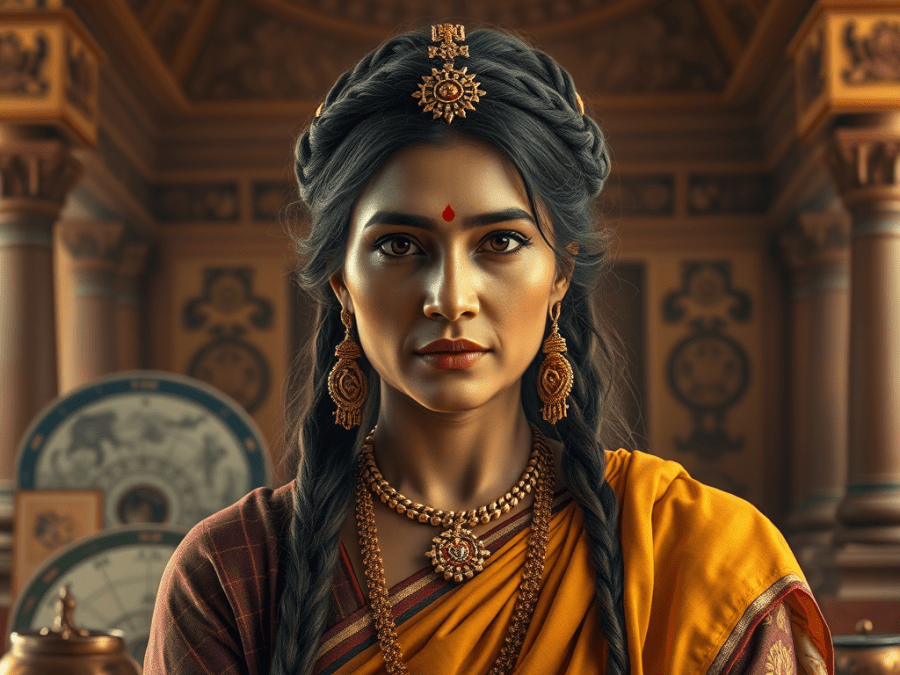
Khona, also known as Leelavati, was a brilliant figure in ancient Bengal whose contributions to agriculture, meteorology, and astrology became legendary through her sayings in "Khonar Bachan." Her rise as an intellectual threatened patriarchal norms, leading to tragic silencing by Varahamihira, who mutilated her tongue out of jealousy. Despite this, her wisdom endured, influencing generations and symbolizing the resilience of female intellect against oppression.

From Surat to Cocktails: The Legacy of Punch in Drink Culture

Holi celebrations are incomplete without drinks, particularly punch, which originated in Surat, Gujarat, during the 1600s. This bustling port city facilitated cultural exchanges among diverse traders, leading to the creation of this communal drink made with five key ingredients. British officers later popularized punch in England, evolving into modern cocktails. Surat’s innovative spirit laid the groundwork for global drinking traditions, highlighting India's vital influence on mixology.

Ancient Recipe: The Legacy of Curry from Farmana

Approximately 4,000 years ago, the earliest known curry was discovered in Haryana, India, revealing ancient culinary practices through archaeological findings. This dish, made from aubergine, ginger, and turmeric, showcases a rich heritage linked to India’s agricultural roots. The methods used by ancient cooks highlight the cultural significance of food, connecting us to past generations. Curry has evolved, yet its essence remains a timeless celebration of flavors.

Sibtu: Priestess of Nanna & Her Divine Legacy

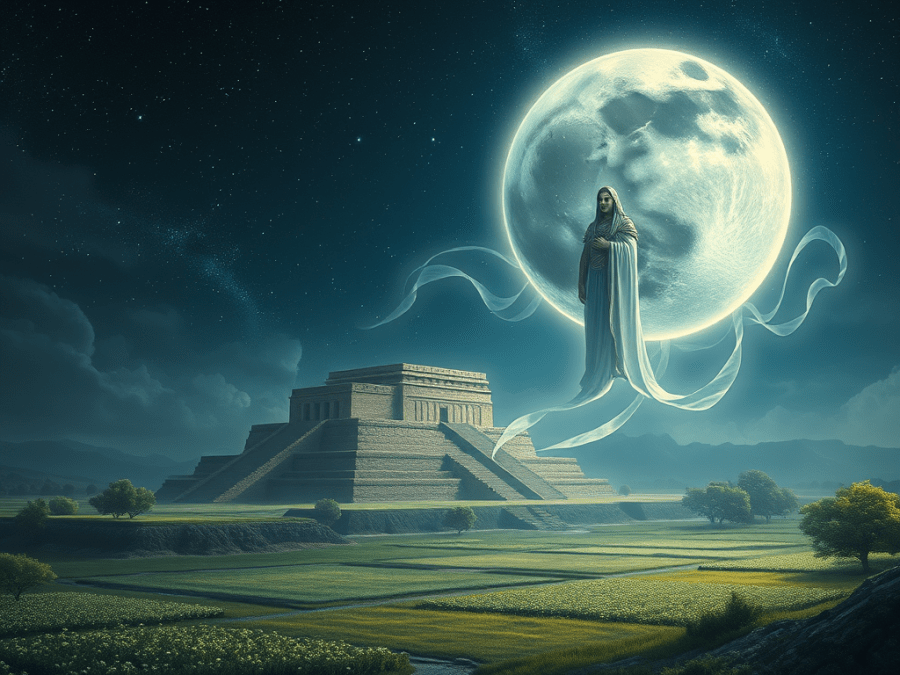
The story recounts the life of Sibtu, a priestess of the moon god Nanna in ancient Ur, highlighting her divine connection and powerful role within the temple. Chosen at a young age, she relinquished her identity to serve the deity, influencing both religious and political spheres. Despite her authority, Sibtu experienced personal sacrifices, ultimately dedicating her life to ensuring Ur’s prosperity. Her legacy intertwines with the sacred marriage ritual, symbolizing divine and earthly unity.

Ratan Sarkar: The Washerman’s Role in Colonial Trade

The history of British colonialism in India reveals overlooked stories of individuals like Ratan Sarkar, a washerman who became the East India Company's first interpreter in Calcutta. During the 17th century, Shaista Khan's administration allowed European trade, transforming Bengal into a trading hub. Despite initial communication barriers, Ratan's adeptness bridged cultural gaps, fostering trade relationships crucial to British interests. His legacy endures in Kolkata through street names, illustrating the significant role of local figures in colonial history.

The Eternal Light: Nanna, the Moon God of Sumer

Nanna, the moon god of ancient Sumer, was a celestial deity revered for his profound influence over time, agriculture, and destinies. As the lord of the lunar calendar, he provided guidance and protection to mortals, particularly in Ur, where his grand ziggurat stood as a testament to his power. Nanna's legacy transcended Sumer, influencing neighboring cultures and highlighting the enduring connection between humanity and celestial bodies.

The Timeless Legacy of Inanna: Goddess of Heaven & Earth

Inanna, the goddess of love, war, and life in Uruk, sought to explore the Underworld, ruled by her sister Ereshkigal. Despite warnings, Inanna descended, shedding her divine adornments at each gate. Once faced with Ereshkigal, she was struck down. Enki intervened, allowing her return with a trade, leading to Dumuzi's capture. Inanna's tale reflects themes of transformation, sacrifice, and the balance of opposites.

Ritual & Reverence: Unveiling the Prehistoric Goddess of Baghor

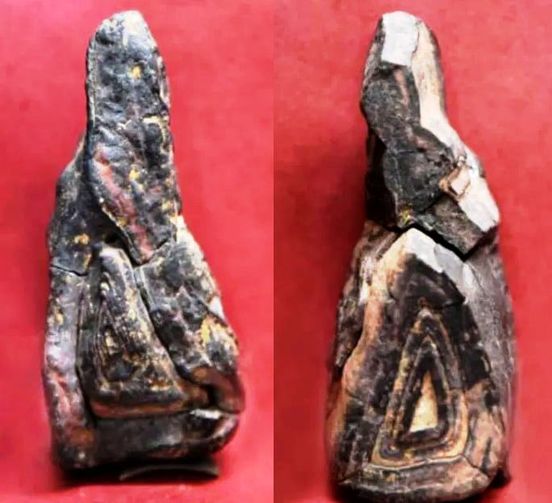
Hidden in the rugged hills of Sidhi, Madhya Pradesh, the prehistoric shrine of Baghor shelters a triangular stone believed to be over 11,000 years old—perhaps the earliest symbol of the Mother Goddess in India. Discovered by archaeologists in the 1970s, it continues to be worshipped today, bridging prehistory and faith in a timeless ode to the divine feminine.