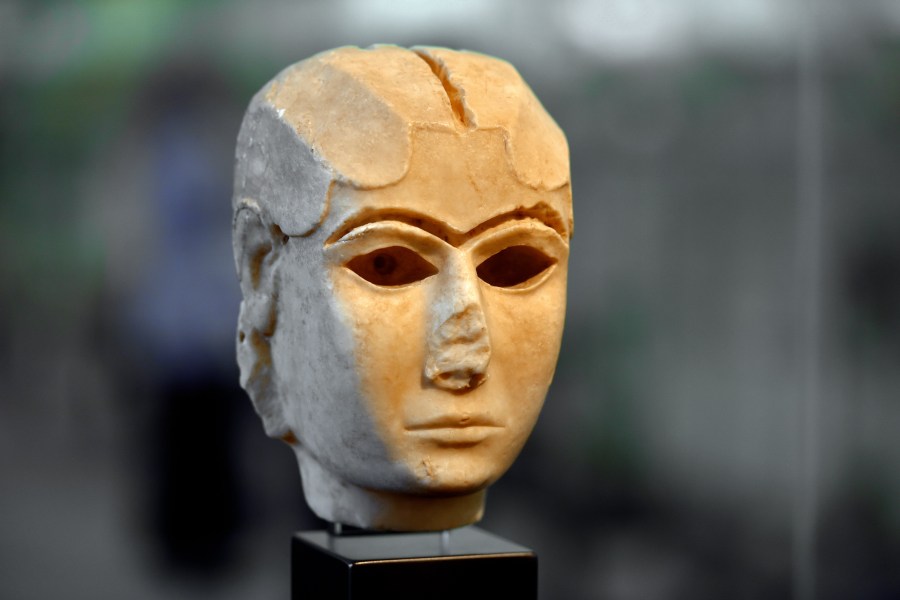
The Mask of Warka: A Timeless Gaze into Mesopotamian Civilisation

The Mask of Warka, dating to 3100 BCE, is a pivotal archaeological find from Uruk in ancient Mesopotamia. Likely representing the goddess Inanna, its striking naturalism showcases early sculptural artistry and religious symbolism. The mask reflects the civilization’s complex beliefs and artistic evolution, bridging the divine and human realms in ancient culture.
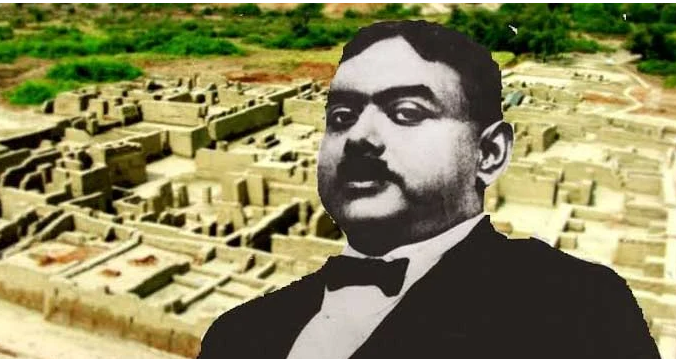
Discovering Mohenjo-Daro: The Legacy of Rakhal Das Banerji

Rakhal Das Banerji was a significant Indian archaeologist who made important contributions to the understanding of ancient civilizations, particularly the Indus Valley Civilization. He is renowned for discovering Mohenjo-Daro, one of the oldest and best-preserved urban settlements, pushing back the civilization's date by 2000 years. Despite his monumental work, Banerji didn't receive adequate recognition during his lifetime, with modern Indian scholars now working to restore his legacy.

Akitu Festival: Traditions & Rituals of Ancient Babylon

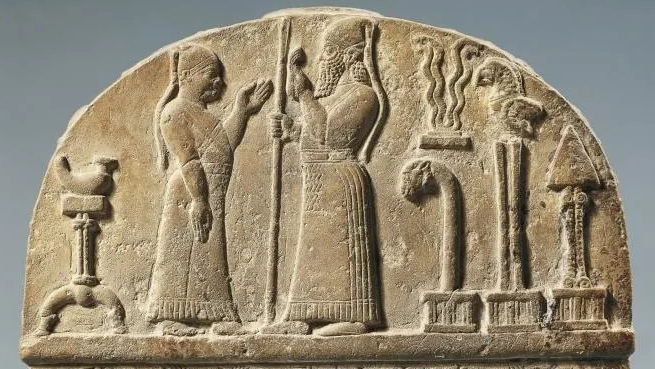
The Akitu Festival was an essential spring and New Year's celebration in ancient Mesopotamia. Held in March/April, the festival celebrated the sowing of barley, nature's rebirth, and the renewal of life, while honoring the supreme god Marduk and his son Nabu. It lasted 12 days, each with its unique rituals and ceremonies, conducted in the city of Babylon and a special temple outside the city. The festival also served a significant social and political role, including a ritual humiliation of the king to demonstrate his mortality and reliance on Marduk.

The Forgotten Thunder of Deptford: Lalmohan Ghosh & the First Indian Candidacy in British Parliament

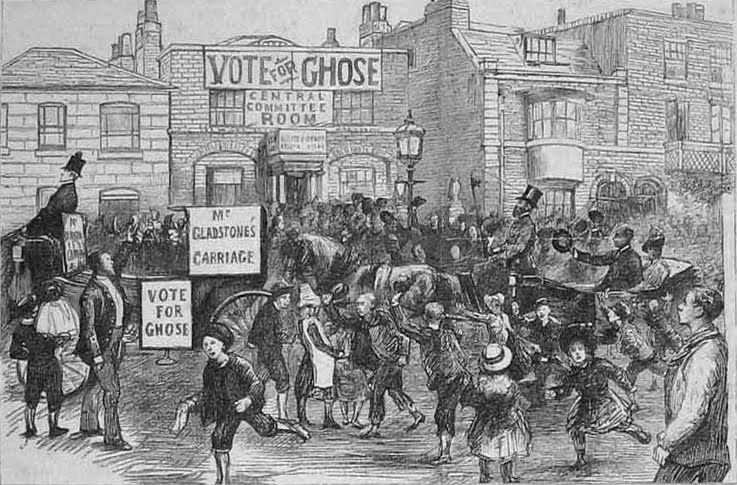
In 1885, Lalmohan Ghosh, a Bengali barrister from India, made history by running for a seat in the British Parliament, challenging the norms of colonialism. His campaign in Deptford garnered 47.5% votes, showcasing political aspirations beyond race and religion. Despite losing narrowly, Ghosh's efforts paved the way for future Indian politicians. His legacy emphasizes the importance of education and courage in advocating for Indian rights and challenges the imperial narrative of the time.

Dining with the Ancients: Unearthing a 5,000-Year-Old Tavern in Lagash

Archaeologists have uncovered a 5,000-year-old tavern in Lagash, Iraq, shedding light on ancient Sumerian society. The remains featured an open-air dining area, industrial-sized oven, and ancient refrigerator, offering insights into the lifestyle of the middle class. This discovery challenges previous notions, indicating the existence of an ancient middle class. Detailed analysis of samples is expected to reveal more about the tavern's patrons and ancient city social structure.

The Golden Lyre of Ur: Echoes of a Forgotten Civilization

The Golden Lyre of Ur, discovered in the 1920s by British archaeologist Leonard Woolley, represents the rich musical heritage of ancient Mesopotamian society. The lyre is a gold and wood instrument, with 11 strings, adorned with carved mythical creatures. Found in the Royal Cemetery of Ur, it is one of the oldest stringed instruments ever uncovered and was likely used in significant ceremonies and rituals, including burials. Its intricate design features suggest the substantial role of music in Mesopotamian society, as well as its religious and spiritual significance.

Symbolism of Helmets: Gold vs. Bronze in Mesopotamia

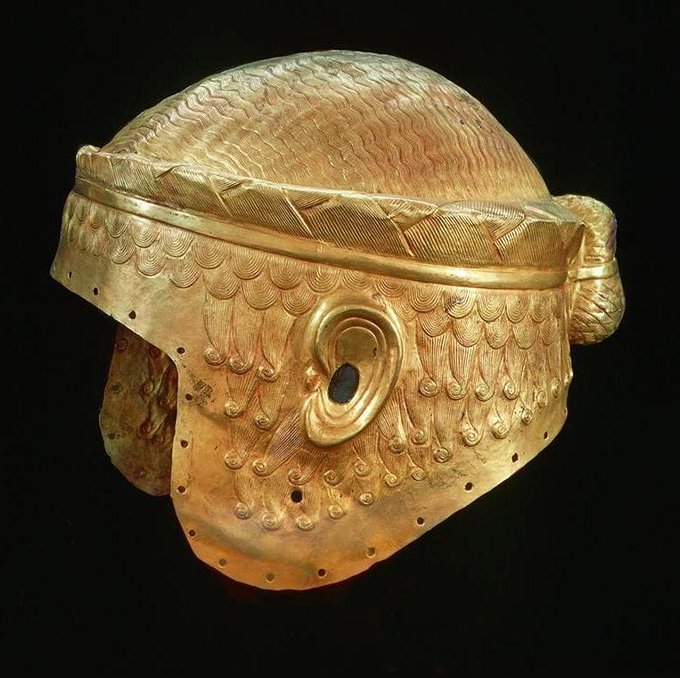
The narrative contrasts two ancient rulers from Mesopotamia: Meskalamdug of Ur, symbolized by his golden helmet representing divine favor and stability, and Sargon of Akkad, marked by his bronze helmet embodying conquest and ambition. Meskalamdug’s reign, though mysterious, reflected a sacred kinship with the gods. In contrast, Sargon’s rise to power emerged from military strength and human will. Their helmets serve as lasting symbols of their legacies, differentiating spiritual governance from earthly conquest.

Netaji Bose Statue to Honour 125th Birth Anniversary

Prime Minister Narendra Modi announced the installation of a grand statue of Netaji Subhas Chandra Bose at India Gate, New Delhi, in celebration of the 125th birth anniversary of the revered freedom fighter. Until the statue's completion, a hologram of Netaji will stand in its place, to be unveiled on January 23rd. This gesture pays homage to Bose's pivotal role in India’s struggle for independence and his enduring legacy.

Earth’s First Beaches: The Singhbhum Craton & the Dawn of Continents

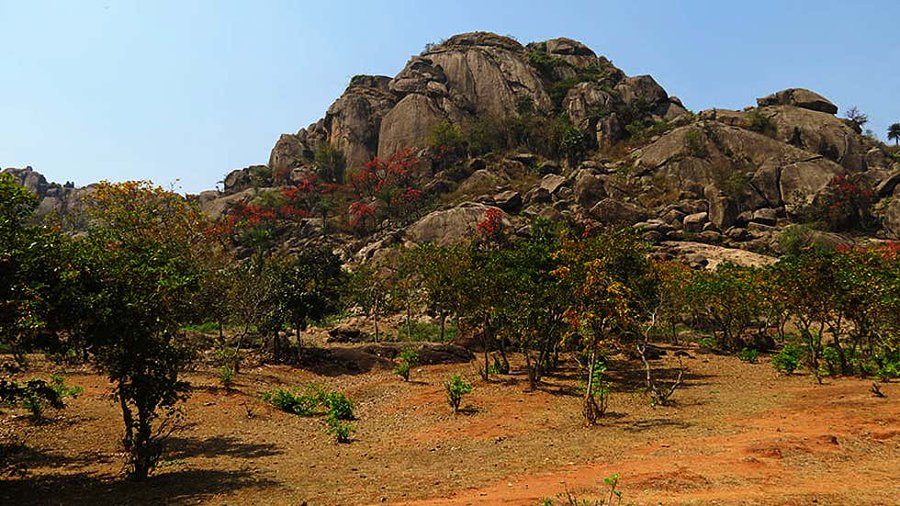
A groundbreaking study led by Priyadarshi Chowdhury reveals that the Singhbhum region in Jharkhand, India, may have hosted Earth's first beaches around 3.2 billion years ago, much earlier than previous estimates of 2.5 billion years. This research, published in PNAS, challenges established theories of continental formation and highlights Singhbhum as a crucial geological landmark. The findings suggest a significant timeline shift in Earth's early evolution, impacting our understanding of the origins and development of life on the planet.

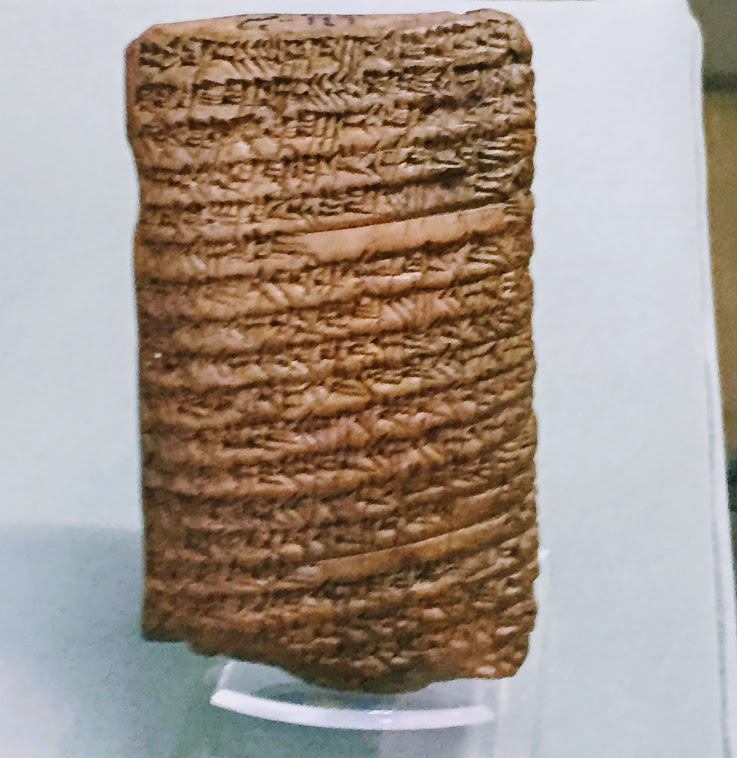
Exploring the Laws of Eshnunna: Ancient Legal Insights

The Laws of Eshnunna, dating back to the 18th century BCE, predate even the famed Hammurabi's Code, offering insights into an early civilization. Comprising 60 articles, they outline a structured society and depart from the punitive severity of later legal codes, opting for fines and compensations. They offer a glimpse into ancient Mesopotamian life and the perpetual struggle for justice.