তাসের ঘর : আশাপূর্ণা দেবীর কলমে সাহসী মেয়ের গল্প

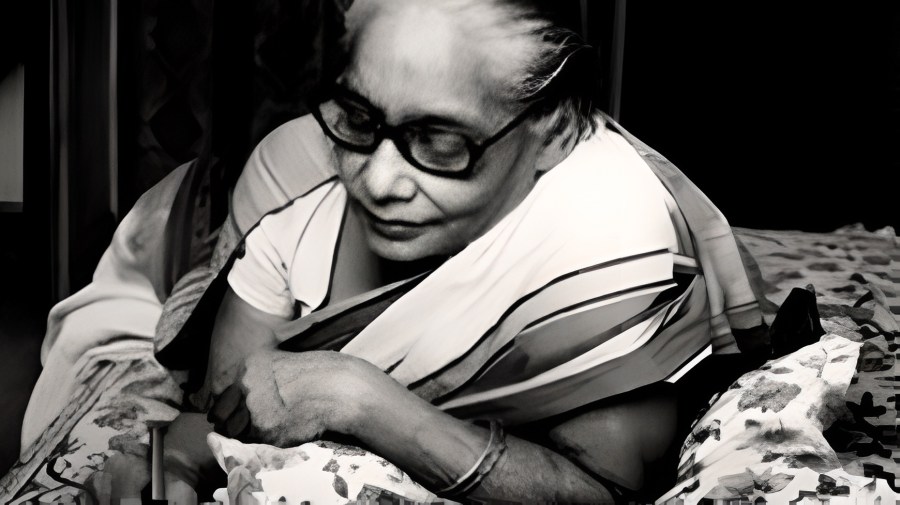
আশাপূর্ণা দেবী, বাংলা সাহিত্যের এক অনন্য রত্ন, ১৯০৯ সালে জন্মগ্রহণ করেছিলেন এবং ১৯৯৫ সালে মৃত্যুবরণ করেন। মাত্র ১৩ বছর বয়সে কবিতা লিখে সাহিত্য জগতে প্রবেশ করেন তিনি। "তাসের ঘর" এবং "অনাচার" এর মতো তাঁর গল্পগুলো মানুষের মনস্তত্ত্ব এবং সামাজিক নৈতিকতার গভীর বিশ্লেষণ করেছিল। আশাপূর্ণা দেবী তাঁর লেখনীর মাধ্যমে সমাজকে মানবিকতার শক্তিশালী বার্তা দিয়েছেন। ব্যক্তিগত জীবনেও তিনি ছিলেন উদারমনা এবং অতিথিপরায়ণ, যেমন তাঁর শাশুড়ির জন্য নিরামিষ রান্না থেকে শুরু করে বৌমার পিএইচ.ডি অর্জনের আনন্দে সহকর্মীদের জন্য রেস্তোরাঁয় খাওয়ানো। তাঁর সাহিত্যকর্ম ও জীবনদর্শন আজও অনুপ্রেরণা যুগিয়ে চলেছে। আজ তাঁর মৃত্যু দিবসে, আশাপূর্ণা দেবীকে গভীর শ্রদ্ধা জানাই।

Valentine’s Day: The Art of Handwritten Letters

As Valentine’s Day approaches, the contrast between modern digital communication and the tradition of handwritten letters becomes evident. While the latter evokes deep emotional connections, the former often lacks depth. The history of Valentine's Day dates back to ancient Rome's Lupercalia, evolving with tales of Saint Valentine. In an age of instant messaging, the author urges a return to poignant, tangible love letters for meaningful connections that technology cannot replicate.

Celebrating International Literacy Day: The Legacy of Ashurbanipal’s Library

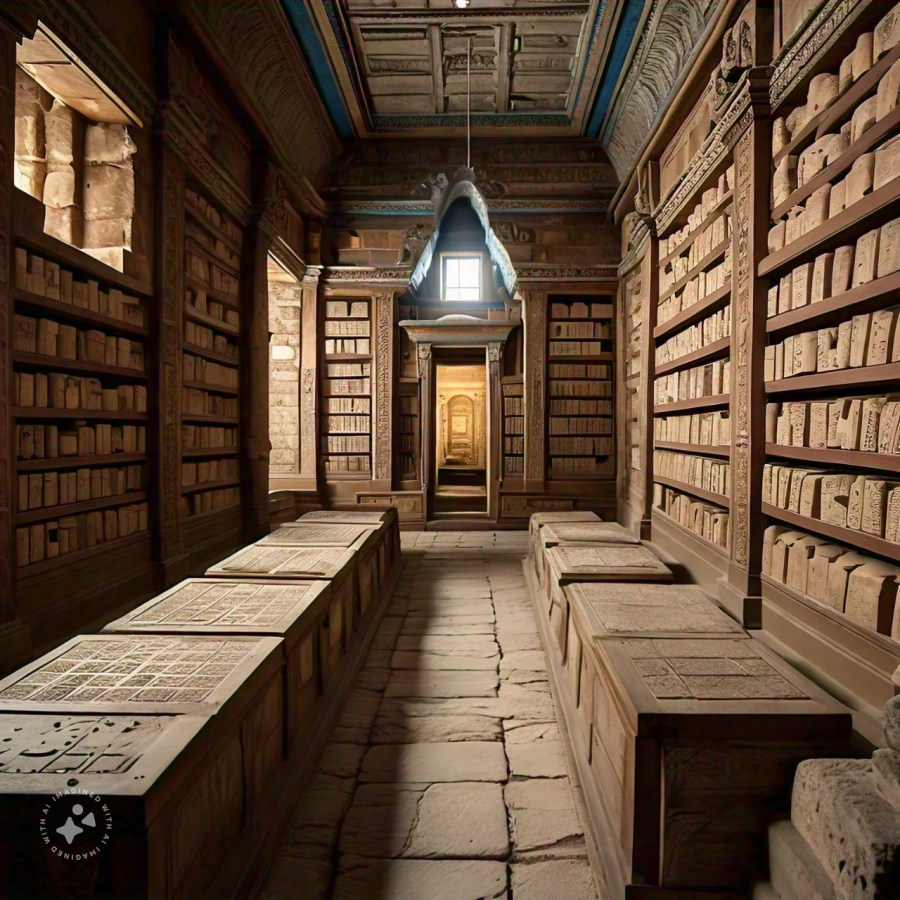
On International Literacy Day, we celebrate the Royal Library of Ashurbanipal, the world's oldest known library, founded in the 7th century BCE. This treasure trove of knowledge housed 30,000 cuneiform tablets, including the "Epic of Gilgamesh." Ashurbanipal, a martial commander with a passion for literature, amassed texts through conquests. Unearthed in the 19th century, its surviving tablets offer valuable insights into ancient Mesopotamia. Despite its destruction, the library's unintentional preservation through fire ensures the wisdom of the past endures.

Chitra Divakaruni’s Mastery: Unveiling Panchaali’s Story

The Palace of Illusions by Chitra Banerjee Divakaruni offers a captivating reinterpretation of the Mahabharata from the perspective of Panchaali, also known as Draupadi. Divakaruni's narrative showcases Panchaali's tumultuous life, her rebellion against archaic laws, and her unrequited love for Karna. The novel skillfully balances sweetness and poignancy, drawing readers into the rich tapestry of ancient Indian history and mythology.

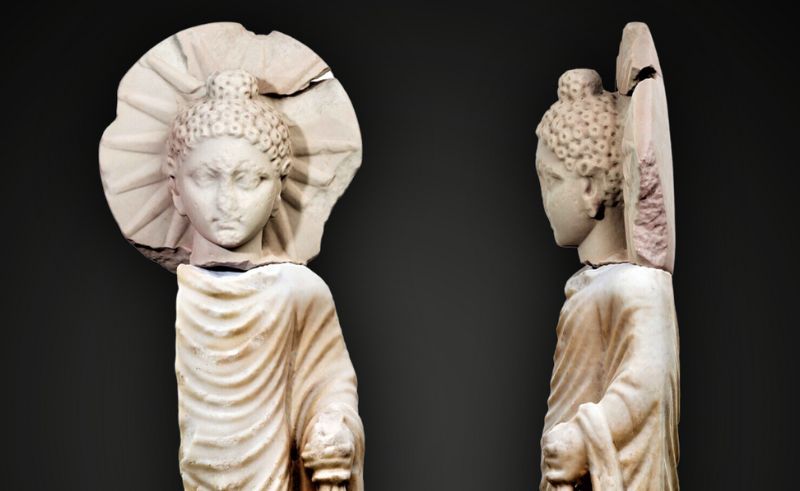
Buddha’s Influence in Ancient Egypt: The Berenice Discovery

In ancient Egypt, the city of Berenice pivoted as a vibrant hub for diverse cultural exchange along the Silk Road. Archaeologists recently discovered a statue of Buddha from Roman Egypt in the Goddess Isis’ temple at Berenice, highlighting commercial and cultural ties with India. The city, a melting pot of Greek, Roman, and Egyptian civilizations, grappled with Buddhist philosophy along with goods transported from India, creating a unique blend of spirituality and culture before fading into obscurity.

A Brief History of Beer: From Sumeria to Today

Beer, with its rich history spanning ancient Sumeria to modern-day brewing, holds a significant place in human culture. The Sumerians invented the first beer recipe around 5,000 years ago, using barley, water, yeast, and date syrup. Beer spread globally, evolving brewing techniques such as the introduction of hops in 11th century Germany and the discovery of bottom fermentation in 15th century. The industrial revolution further revolutionized beer production. This beverage connects humanity's history, reflecting various aspects of society.

Mushussu: The Serpent-Dragon of Babylon

Four years ago, in the National Museum of Iraq, I encountered the mythic creature Mushussu, a hybrid of serpent, lion, and eagle in Mesopotamian mythology. Its name, stemming from Akkadian, connects to divine power and protection associated with Marduk, Babylon's chief god. Mushussu embodied attributes of vitality and guardianship, prominently featured on the Ishtar Gate. Today, its legacy persists in museums and digital platforms, bridging ancient mythology with modern cultural imagination.