Tradition vs. Reform: The Legacy of Bankim Chandra & Ishwar Chandra Vidyasagar

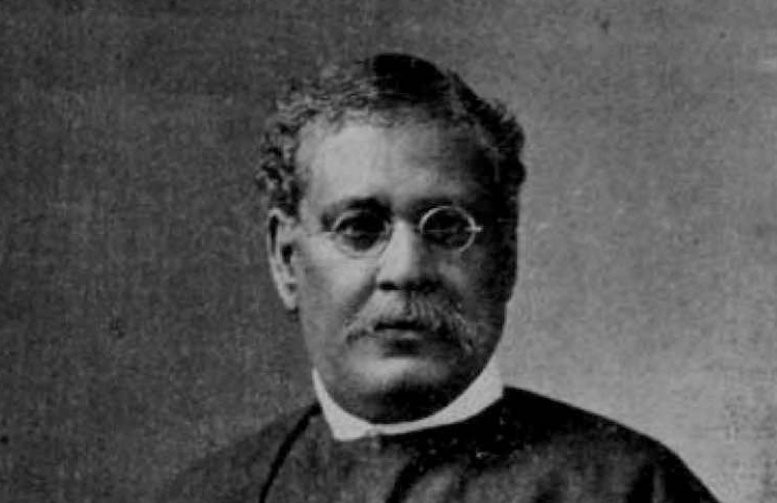
The ideological conflict between Bankim Chandra Chattopadhyay and Ishwar Chandra Vidyasagar illustrates the tension between tradition and social reform in 19th-century Bengal. Vidyasagar championed women's rights and advocated for radical social change, notably through the Widow Remarriage Act, while Bankim emphasized cultural revivalism and gradual reform. Despite their disagreements, both figures significantly impacted Bengal's intellectual landscape, shaping its evolution and illustrating different paths toward progress.

Vande Mataram: The Anthem Born from a Cricket Dispute

The Indian Premier League celebrates cricket, but its connection to patriotism is profound. Bankim Chandra Chattopadhyay's anthem "Vande Mataram" emerged from a heated cricket match in 1873, where he faced humiliation from Colonel Duffin. This incident sparked a legal battle symbolizing resistance against colonial rule. Ultimately, his powerful words united Indians in their fight for independence, reshaping the nation's historical narrative.

Rashbehari Ghosh: The Forgotten Flame of Bengal’s Renaissance

Rashbehari Ghosh, a prominent Bengali advocate and philanthropist, defied English authority and excelled in the field of law. He opposed the partition of Bengal, supported the Swadeshi movement, and championed technical education, leaving a lasting impact on Indian society. He established educational institutions and supported scientific endeavors. His legacy as a nationalist and freedom fighter endures through institutions like Jadavpur University.

Sir RN Mookerjee: Kolkata’s Architectural Pioneer

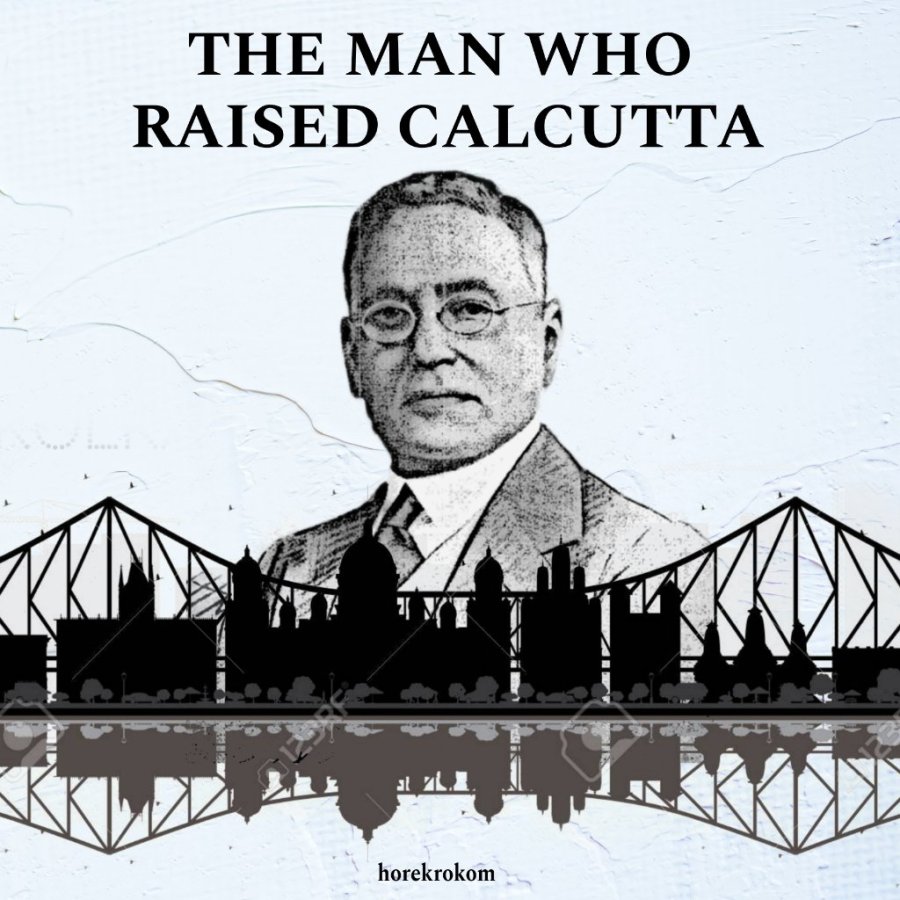
Sir Rajendra Nath Mookerjee, born in the 19th century, was a visionary architect and engineer whose contributions transformed Kolkata’s skyline. He co-founded Martin & Company, leading to landmark projects like the Howrah Bridge and Victoria Memorial. Mookerjee also co-founded IISCO, integral to India's steel industry. Despite his significant achievements in engineering, sports, and academia, he remains largely unacknowledged in history, highlighting the need for his legacy to be celebrated.