তাসের ঘর : আশাপূর্ণা দেবীর কলমে সাহসী মেয়ের গল্প

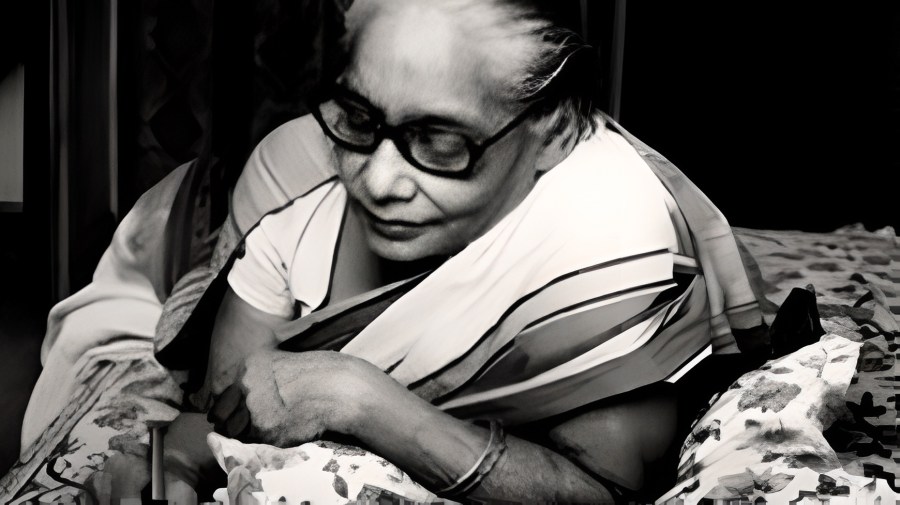
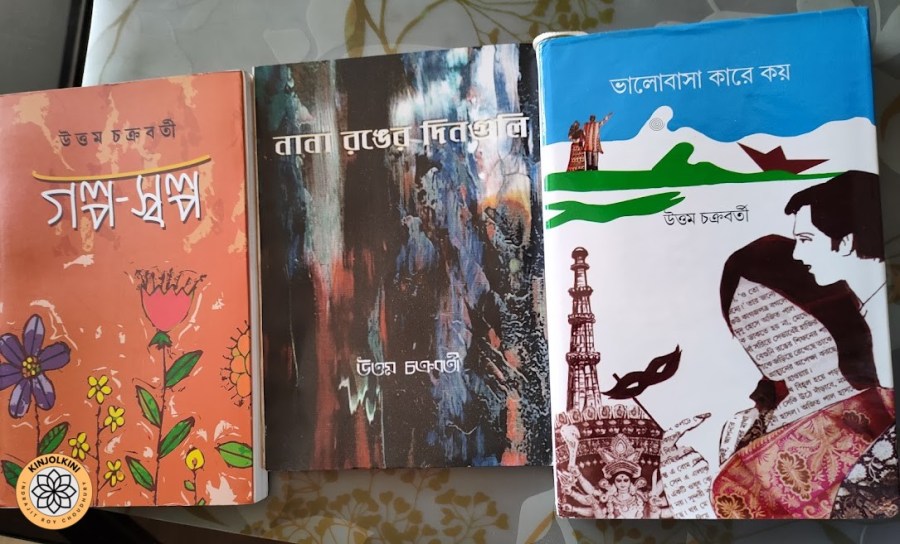
আশাপূর্ণা দেবী, বাংলা সাহিত্যের এক অনন্য রত্ন, ১৯০৯ সালে জন্মগ্রহণ করেছিলেন এবং ১৯৯৫ সালে মৃত্যুবরণ করেন। মাত্র ১৩ বছর বয়সে কবিতা লিখে সাহিত্য জগতে প্রবেশ করেন তিনি। "তাসের ঘর" এবং "অনাচার" এর মতো তাঁর গল্পগুলো মানুষের মনস্তত্ত্ব এবং সামাজিক নৈতিকতার গভীর বিশ্লেষণ করেছিল। আশাপূর্ণা দেবী তাঁর লেখনীর মাধ্যমে সমাজকে মানবিকতার শক্তিশালী বার্তা দিয়েছেন। ব্যক্তিগত জীবনেও তিনি ছিলেন উদারমনা এবং অতিথিপরায়ণ, যেমন তাঁর শাশুড়ির জন্য নিরামিষ রান্না থেকে শুরু করে বৌমার পিএইচ.ডি অর্জনের আনন্দে সহকর্মীদের জন্য রেস্তোরাঁয় খাওয়ানো। তাঁর সাহিত্যকর্ম ও জীবনদর্শন আজও অনুপ্রেরণা যুগিয়ে চলেছে। আজ তাঁর মৃত্যু দিবসে, আশাপূর্ণা দেবীকে গভীর শ্রদ্ধা জানাই।

বইমেলা, লুচি-আলুর দম, আর চিড়িয়াখানার হাতি!

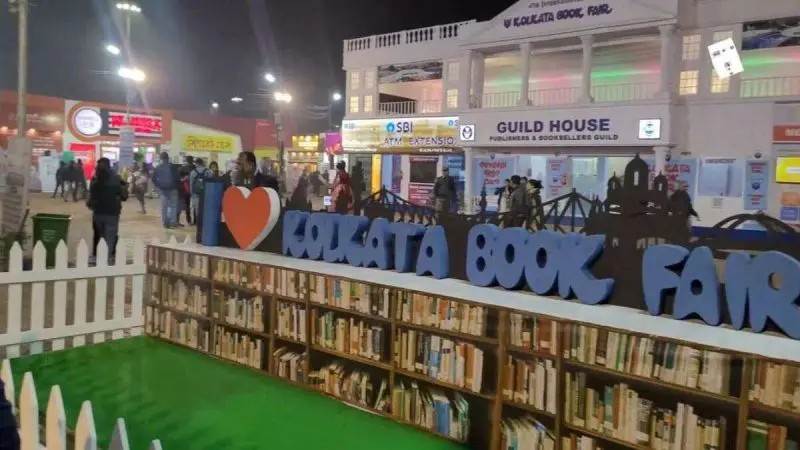
কলকাতা বইমেলা চলছে জোর কদমে! বইপ্রেমীদের জন্য এটি এক ঐতিহ্যের উৎসব, যেখানে নতুন বইয়ের খোঁজ যেমন চলে, তেমনি চলে আড্ডা, গল্প, আর নানা রকম খাবারের মহোৎসব। বইমেলা মানেই কি শুধু বই কেনা? নাকি বইমেলার আনন্দ লুকিয়ে থাকে তার পরিবেশে, সেই আড্ডায়, সেই লুচি-আলুর দমের ঘ্রাণে, পুরনো বইয়ের পাতার গন্ধে আর নতুন লেখকদের আবিষ্কারে? অনেকে আসেন নতুন বই কিনতে, কেউ আসেন পুরনো বইয়ের গন্ধ খুঁজতে, কেউ বা আসেন স্রেফ বন্ধুদের সঙ্গে গল্প করতে, আড্ডা দিতে, কিংবা এক প্লেট ঘুগনি খেয়ে মনটা ভরিয়ে নিতে।

Union Club & Library, Ranchi: A 160-Year Chronicle of Culture, Knowledge, & Community

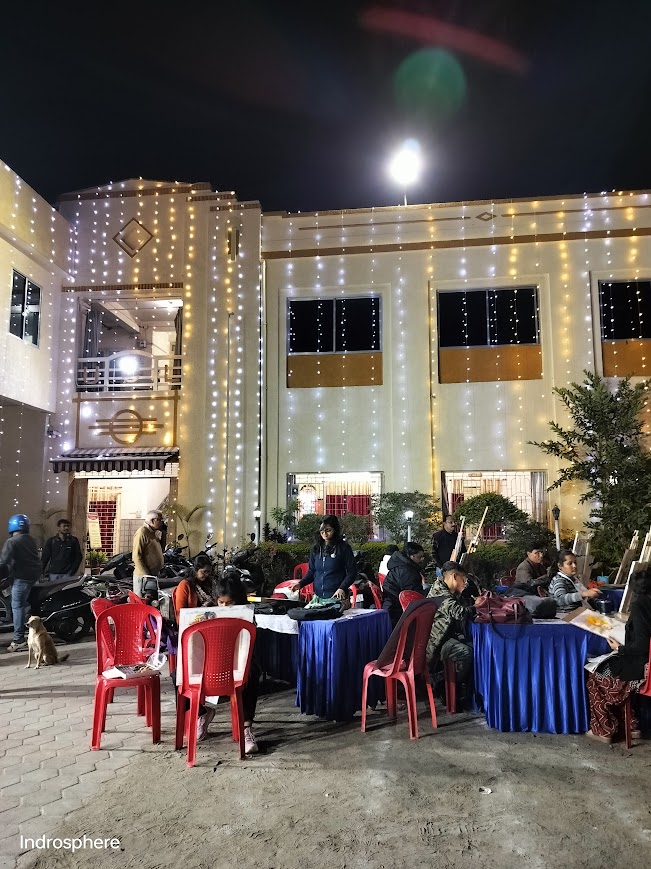
For over 160 years, the Union Club & Library has stood at the heart of Ranchi—an enduring sanctuary of intellect, culture, and community. Born in 1864 from the vision of a few Bengali scholars, it has evolved into a vibrant symbol of the city’s spirit, witnessing eras of colonial rule, India’s freedom movement, and Jharkhand’s emergence as a state. From literary gatherings under lamplight to musical evenings and impassioned debates, the Union Club remains a living chronicle of Ranchi’s cultural heartbeat—where the past and present continue to move together, true to its timeless motto: Sangachchadhvam—“Let us move together.”

Celebrating International Literacy Day: The Legacy of Ashurbanipal’s Library

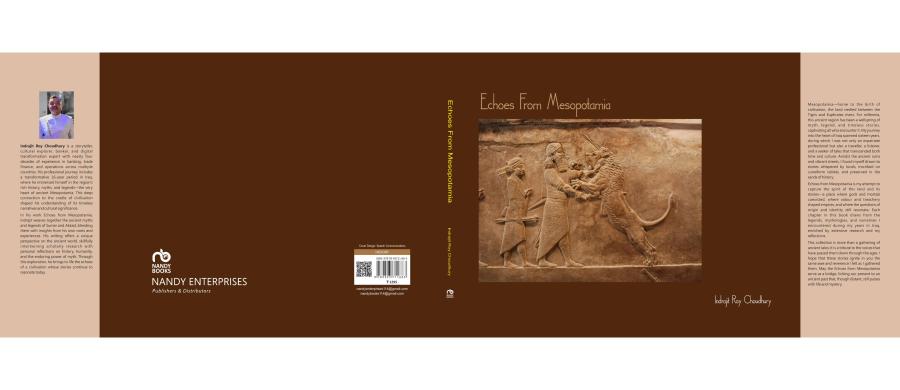
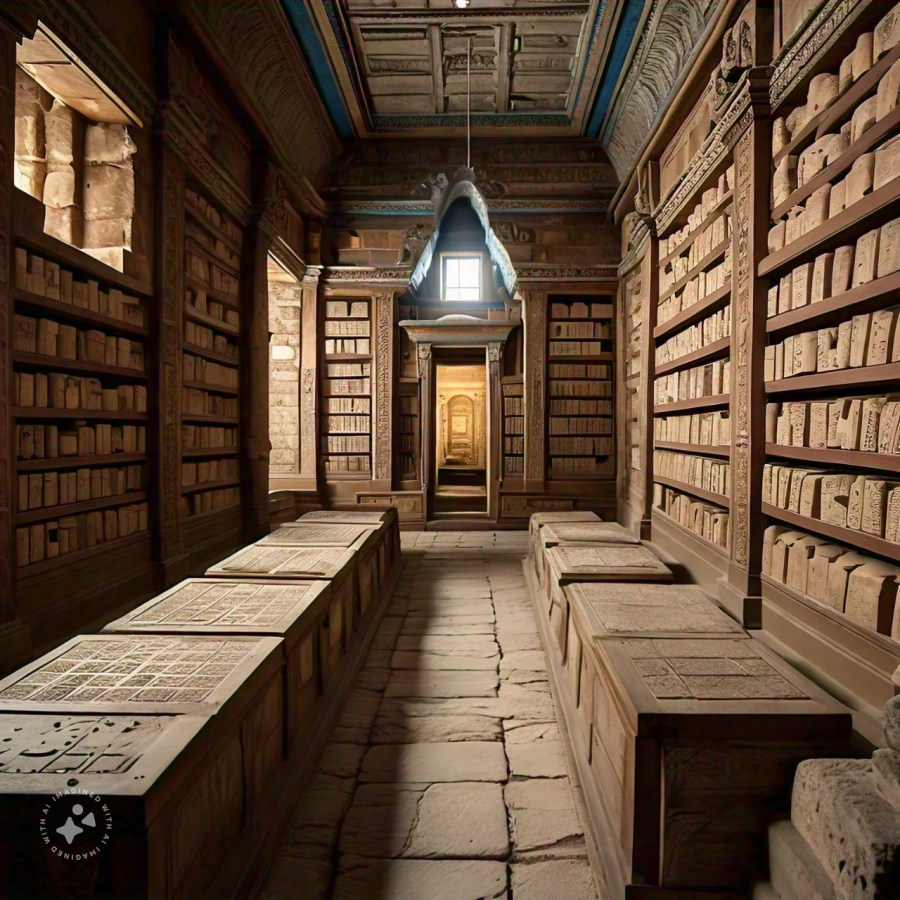
On International Literacy Day, we celebrate the Royal Library of Ashurbanipal, the world's oldest known library, founded in the 7th century BCE. This treasure trove of knowledge housed 30,000 cuneiform tablets, including the "Epic of Gilgamesh." Ashurbanipal, a martial commander with a passion for literature, amassed texts through conquests. Unearthed in the 19th century, its surviving tablets offer valuable insights into ancient Mesopotamia. Despite its destruction, the library's unintentional preservation through fire ensures the wisdom of the past endures.

Chitra Divakaruni’s Mastery: Unveiling Panchaali’s Story

The Palace of Illusions by Chitra Banerjee Divakaruni offers a captivating reinterpretation of the Mahabharata from the perspective of Panchaali, also known as Draupadi. Divakaruni's narrative showcases Panchaali's tumultuous life, her rebellion against archaic laws, and her unrequited love for Karna. The novel skillfully balances sweetness and poignancy, drawing readers into the rich tapestry of ancient Indian history and mythology.

The Thrill of a Signed Book & the Tale of a Historic Manhunt

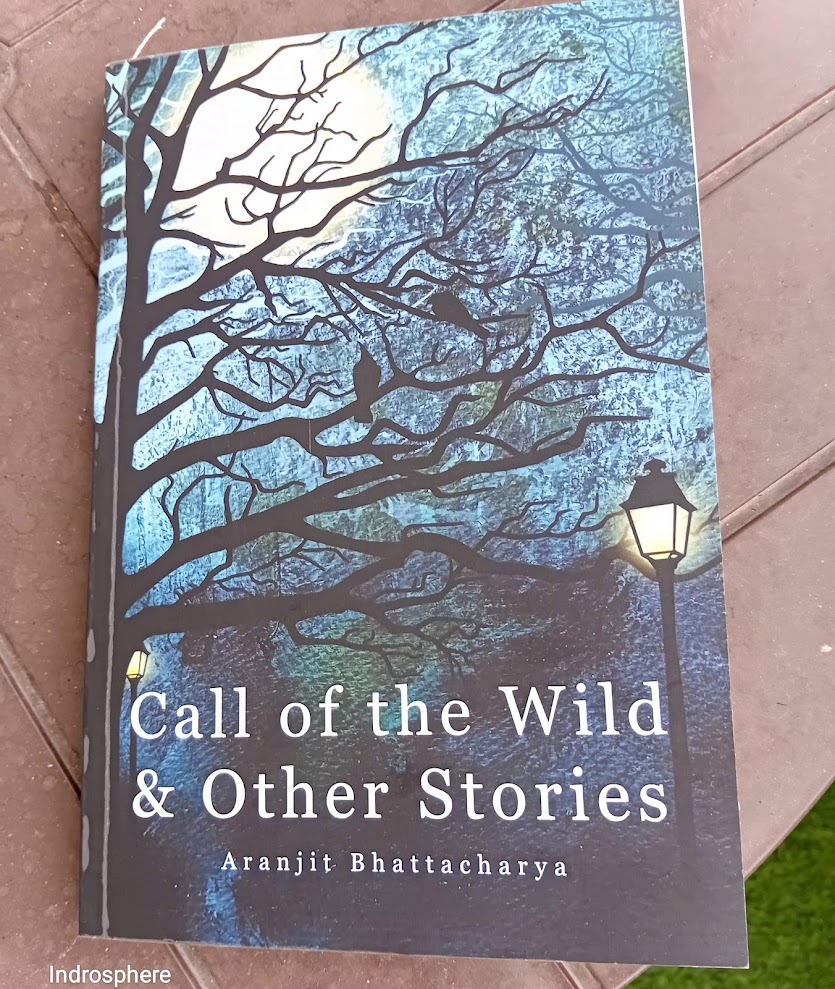
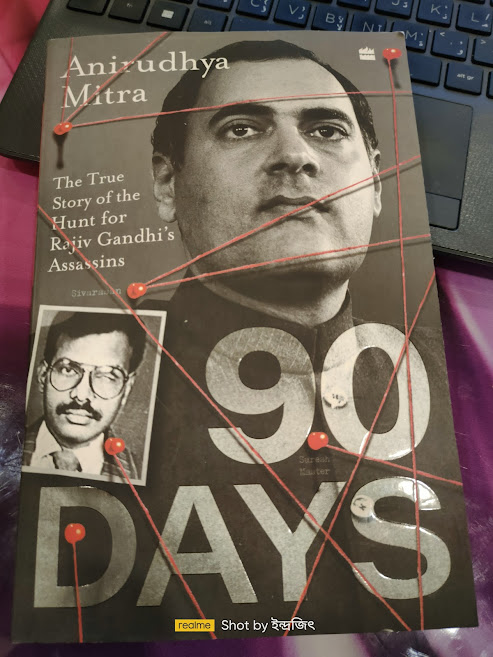
While in Baghdad, Iraq, I learned about Anirudhya Mitra's book signing in New Delhi for “90 Days: The True Story of the Hunt for Rajiv Gandhi’s Assassins” from my friend Aranjit. The book provides a detailed account of the assassination plot and captivating investigation, making it a compelling read for those interested in real events and crime stories. The signed copy from Aranjit added immense value to my reading experience.

Agatha Christie’s Baghdad: A Love Story Written in Dust & Ink

Agatha Christie, the "Queen of Crime" and best-selling novelist, experienced a transformative chapter of her life in Baghdad. After a 1928 divorce, she found solace and inspiration in Iraq, marrying archaeologist Max Mallowan. Immersing herself in Mesopotamian culture, Christie contributed to archaeological digs, enriching her literary work, including "They Came to Baghdad." Her love for the city and its people profoundly influenced her novels, leaving a lasting legacy.

Tracing the World’s First Written Recipes: The Mesopotamian Cookbook

In the cradle of civilization, Mesopotamia not only gave the world writing and the wheel but also its first cookbook. Etched on clay tablets around 1700 BCE, these ancient recipes reveal a sophisticated palate — stews rich with lamb, onions, and spices — and remind us that humanity’s story has always been written in the language of food.