Mocha: The Heart of Bengali Cooking & Heritage

Bengal’s culinary treasure, Mocha (banana flower), holds cultural significance and nutritional value. Its delicate florets, meticulously prepared, feature in traditional dishes like Mochar Ghonto and Mochar Chop, symbolizing Bengali ingenuity. With auspicious connotations, Mocha is integral to religious and festive feasts. For Bengalis, it represents an art form, a connection to their heritage, and a culinary adventure worth exploring.

Shukto: A Bengali Legacy of Bitter Delights

Bengalis are known for their love of diverse flavors, particularly their fondness for bitterness in their cuisine. Shukto, a revered first course in Bengali meals, is a bitter-sweet vegetable medley featuring a blend of vegetables simmered in a mildly spiced, creamy sauce. The dish, rooted in ancient Ayurvedic principles, holds deep cultural significance and is cherished for its unique taste, nutritional benefits, and nostalgic associations.

A Taste of Heritage: Breakfast at Adi Haridas Modak

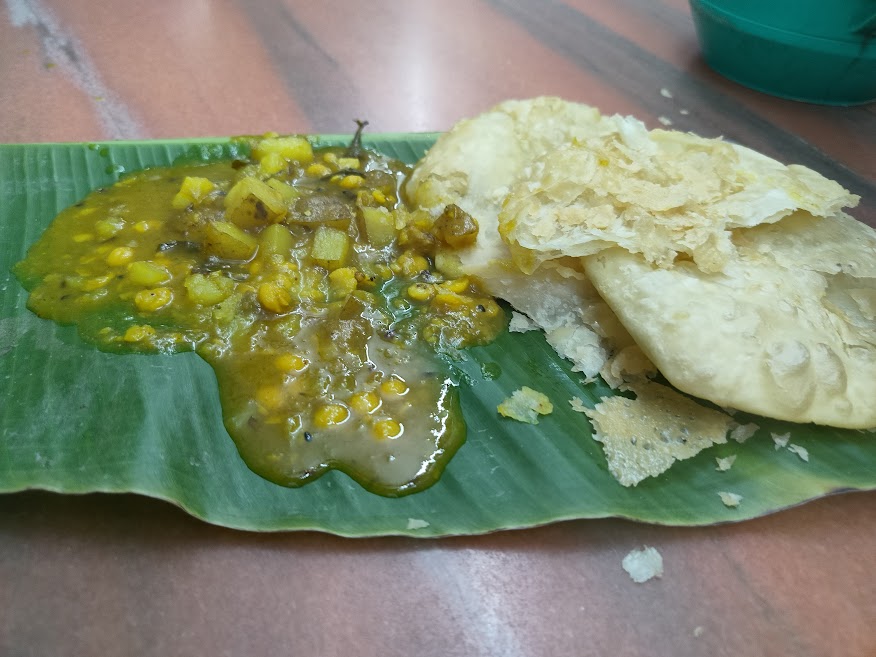
Kolkata's street food is an inseparable part of the city's character, rich in flavors like phuchka and jhal muri. Adi Haridas Modak, near Shyambazar, serves as a nostalgic meeting point, offering classic Bengali breakfasts like kochuri and chholar daal. With a history stretching over 250 years, it embodies authenticity and cultural heritage, where every meal transcends mere sustenance, nurturing connections and memories among generations.

Dal Pitha with Chicken Curry: A Culinary Delight of Jharkhand

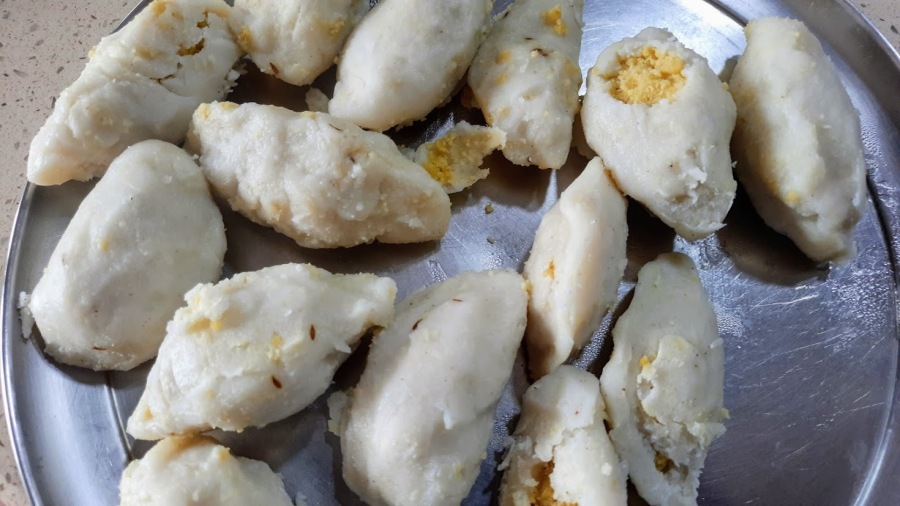
In Ranchi, I discovered Dal Pitha, a traditional rice flour dumpling filled with spicy lentil mixture. Pithas, similar to pancakes or dumplings, are popular in Bangladesh and India. They are often associated with harvest festivals. I served the pithas with a rich chicken curry. The recipe is vegan, gluten-free, and steamed, making them a nutritious and delicious snack. The joy of exploring new cuisines was truly evident in cooking this delightful meal.

Dolma

Dolma: The Stuffed Secrets of Togetherness

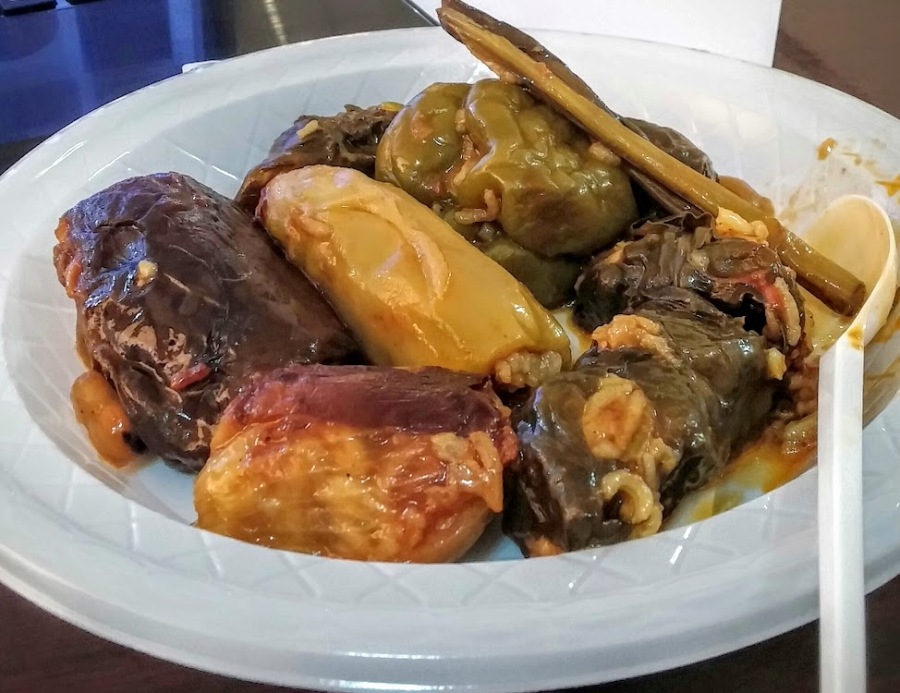
Dolma, a beloved dish with stuffed vegetables like grape leaves, peppers, and eggplants, reflects a culinary evolution across the Mediterranean, Middle East, and India. With origins in the Ottoman Empire, dolma has evolved through Byzantine refinement and Arab influences, reaching diverse regions like Greece, Azerbaijan, and Bengal. Today, it continues to captivate palates with vegetarian and vegan variations, embodying the spirit of cultural exchange and culinary exploration.

Ganne Ka Ras: A Glass of Summer, History, & Sweetness

Sugarcane juice, known as "ganne ka ras" in Hindi, holds a rich history, medicinal properties, and cultural significance. Its extraction process and ancient roots, dating back to Indian and Southeast Asian civilizations, resonate through time. The spread of sugarcane cultivation reflects its global appeal, while its diverse benefits and traditional allure continue to captivate enthusiasts worldwide.

The Global Journey of the Samosa: From Sanbosag to Singara

The samosa, a beloved Indian snack, has a complex and cosmopolitan history that traces back to Central Asia as "Samsa" in the 10th century. Over time, it evolved in India to suit local tastes, with fillings and cooking techniques varying regionally. As a result of Indian diaspora and British influence, samosas have become a global culinary treasure, each version reflecting the unique flavors and traditions of its adopted home.

Posto: The Bengali Ingredient with a Rich Legacy

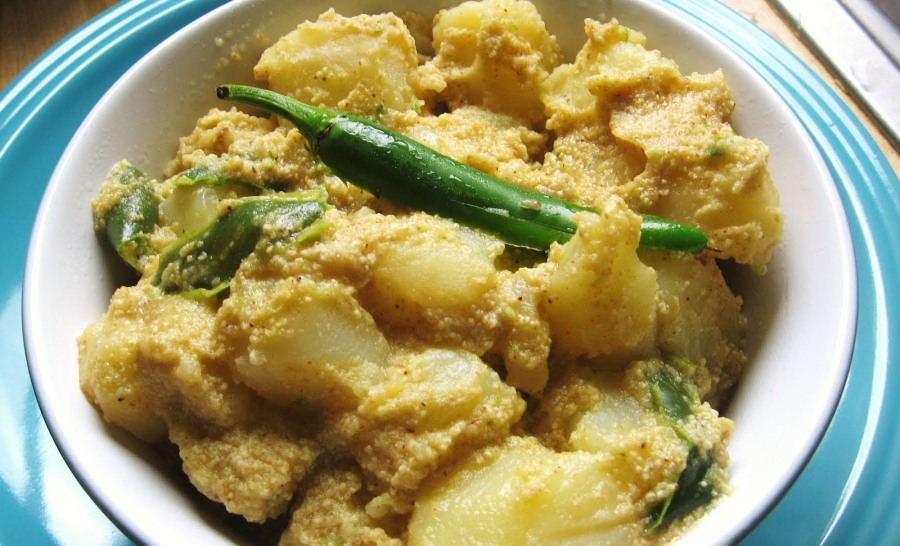
The nostalgia sparked by a friend's murgi posto photo leads to an exploration of poppy seeds' historical significance within Bengali cuisine. Originally valued for medicinal properties, they gained culinary importance amid colonial exploitation. Women creatively transformed discarded seeds into beloved dishes, enriching Bengali kitchens. The journey of posto reflects resilience and cultural legacy, turning hardship into a treasured staple that connects generations and celebrates culinary ingenuity.

Spirals of Sweetness: The Story of Amriti & Jalebi

In Indian cuisine, sweets like Amriti and Jalebi represent more than just desserts; they embody traditions, memories, and celebrations. Amriti, primarily associated with Bengal, is a lentil-based delicacy with a nostalgic charm, often appearing during festive occasions. In contrast, Jalebi, with its origins in the Middle East, has become a beloved street food across India, known for its crispiness and sweetness. Together, they showcase India's rich culinary heritage, bridging celebration and everyday life.