Itu Puja: Celebration of Sun, Fertility, & Community

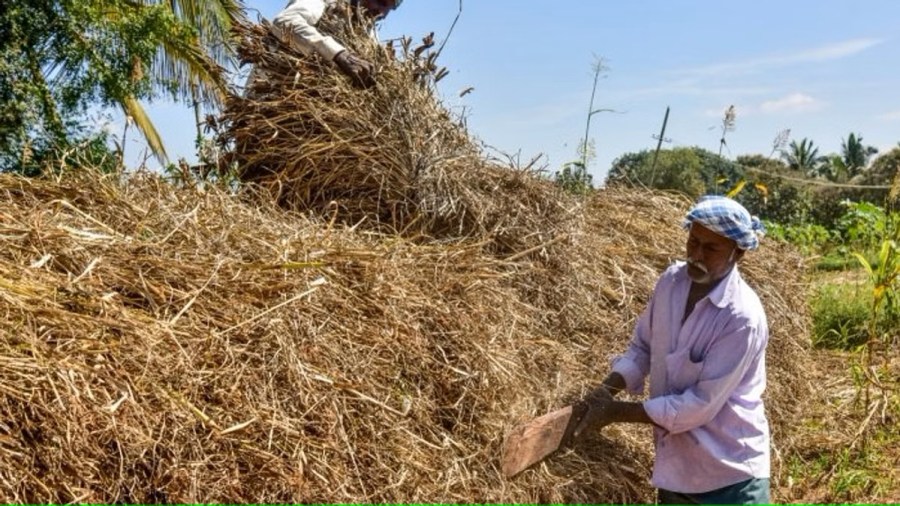
Itu Puja, or Itu Brata, is a cherished festival in Bengal, celebrated in the month of Agrahayan (November-December) in honor of Mitra, the ancient Vedic Sun God. It symbolizes gratitude to nature and community, emphasizing agricultural prosperity. The festival, deeply rooted in tradition, features women leading rituals, fasting, and singing. Personal memories of devotion highlight its significance, connecting past and present while fostering harmony with nature.

Govardhan Puja: A Celebration of Earth, Faith, & Sustainability

Govardhan Puja is an annual Indian festival celebrated after Diwali, honoring Lord Krishna's protection of Vrindavan. It highlights the significance of cow dung as a sacred material in rituals, symbolizing purity and sustainability. The festival emphasizes gratitude, community, and ecological consciousness, linking spiritual values with respect for nature and traditional practices.

Balancing Conservation & Humanity: Namibia’s Controversial Cull

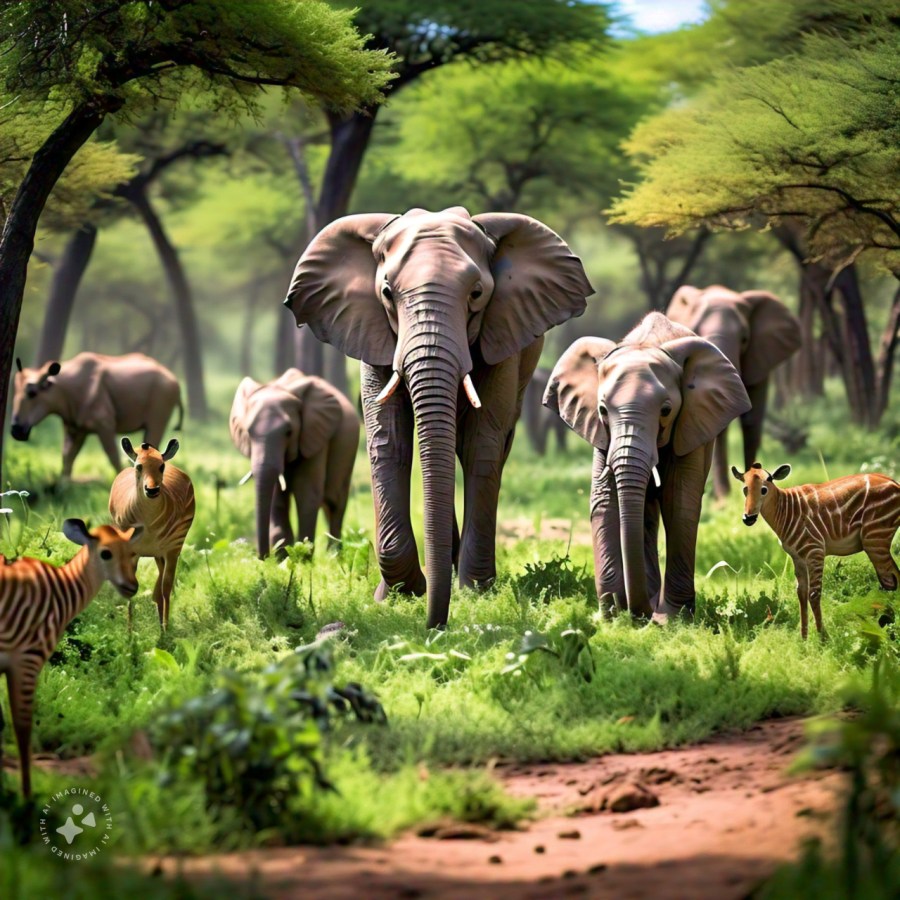
Namibia is facing its worst drought in a century, prompting the government to plan the culling of 723 wild animals, including 83 elephants, to alleviate a severe hunger crisis affecting nearly half of the country's population. This decision, driven by the need to provide food and reduce dangerous human-wildlife encounters, underscores the dire impact of climate change and the El Niño weather phenomenon on Southern Africa. As Namibia grapples with this environmental and humanitarian crisis, it highlights the urgent need for global action to address climate change and support vulnerable communities.

Sustaining Life: A Multifaceted Approach to a Thriving Future

Life is intricately woven from numerous elements, all essential for its sustainability. Protecting biodiversity, taking climate action, and controlling pollution form the basis of environmental stewardship. Sustainable development balances economic growth, social inclusion, and environmental protection. Ensuring healthcare, food security, and mental well-being is crucial. Nurturing cultural and spiritual dimensions and leveraging technology ethically are also vital for sustaining life.

Hati Kheda: Where Elephants Became Gods

The Hati Kheda Temple, nestled in the Dalma Wildlife Sanctuary, Jharkhand, is a unique testament to the fusion of faith and local traditions. Legend has it that the temple's clay elephant idols stopped devastating elephant attacks, leading to the establishment of the Hati Kheda puja. The temple's customs and significance reflect the enduring spiritual traditions of the community.

The Balance Between Humanity & Nature

The illusion of controlling nature has led humanity to cause significant environmental harm. There is a need for harmony with nature, understanding its equilibrium, and mitigating our environmental impact through various methods like carbon footprint reduction, resource conservation, biodiversity protection, sustainable practices, environmental education, green initiatives, policy changes, technological innovation and community engagement. These collective and individual actions can help minimize the environmental harm caused and allow for a sustainable future.

Why We Should Love Nature, Not Tame It

The post underlines the importance of respecting and appreciating nature instead of attempting to control or manipulate it. It highlights the key role World Nature Day, celebrated on October 3 annually, plays in raising environmental awareness. Engaging with nature mindfully can yield physical and mental health benefits in addition to fostering a sense of connection with the natural world. Furthermore, by supporting conservation efforts, one can contribute to preserving natural habitats for subsequent generations.

Sacred Groves of Jharkhand: A Cultural Heritage

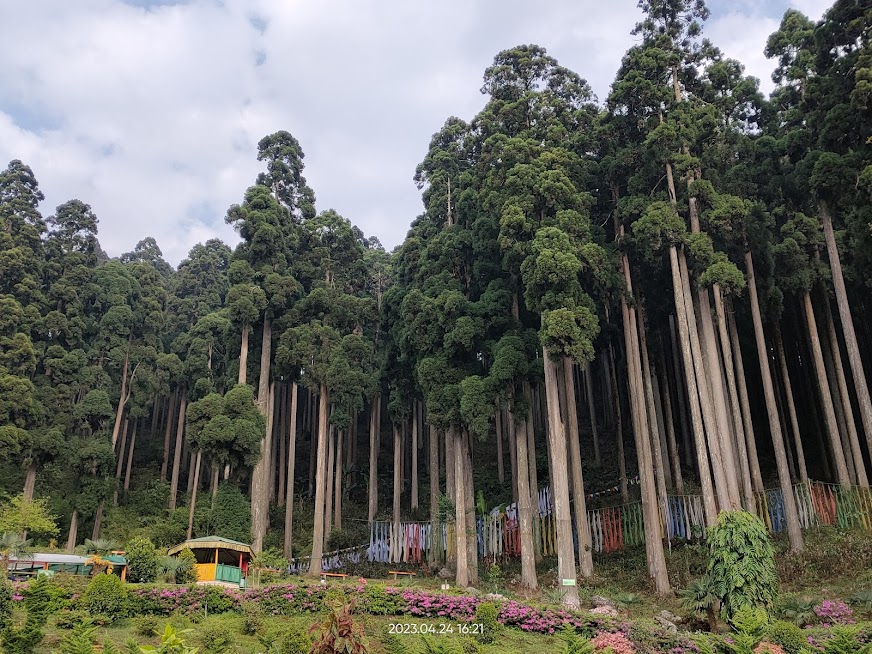
The sacred groves of Jharkhand, known as Sarna or Sarna sthal, are revered sites within Adivasi culture. These forested areas, rich with sal trees, embody the spiritual essence and ecological wisdom of the indigenous tribes. Sarnas serve as temple groves for various tribes, reflecting a blend of tribal and Hindu traditions. These groves are not only cultural and religious sites but also vital hubs of biodiversity, requiring preservation for future generations.