khovar wall painting

Khovar: Murals of Memory & Matriarchal Wisdom in Jharkhand

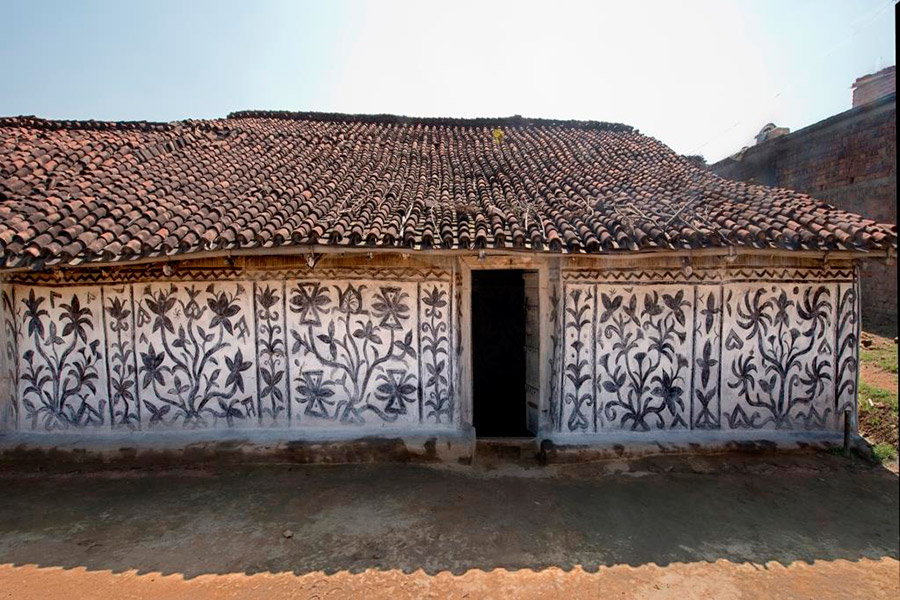
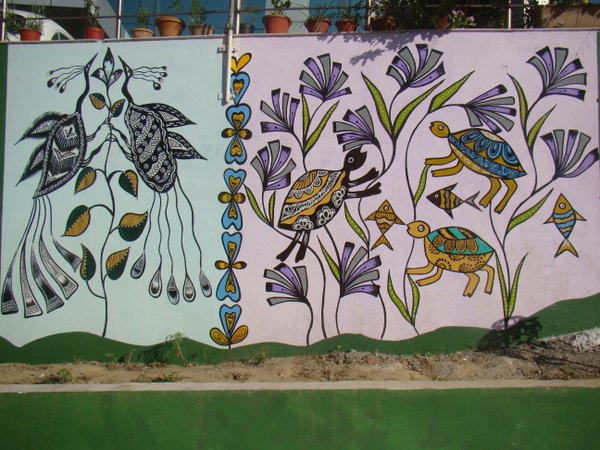
While traveling from Ranchi to Delhi, the author observed a replica Adivasi hut adorned with Sohrai and Khovar paintings at Birsa Munda airport. Khovar, a historical mural painting tradition originating from the Hazaribagh region of Jharkhand, India, is used to decorate wedding rooms and is considered to bring good fortune. This distinct art form, now recognised by a Geographical Indication tag, reflects matriarchal roots and a deep bond with nature, even adapting to changing times by being created on paper and cloth.

Chhath Puja: The Sun, the River, & the Quiet Democracy of Devotion

There are festivals that celebrate with noise, and then there is Chhath Puja, which celebrates with silence. No firecrackers, no idols—just the river, the sun, and the surrender of the self. If Diwali dazzles with light, Chhath moves in shadows: women standing waist-deep in water, men bearing baskets of fruits and sugarcane, and a faith that asks for nothing but gratitude. It is a festival without priests, without hierarchy, where the setting and rising sun receive equal reverence. In a world obsessed with spectacle, Chhath whispers its truth—that sometimes the deepest devotion lies not in asking, but in simply saying, thank you.

Sohrai: A Tribal Festival of Gratitude, Art, & Harmony in Jharkhand

Sohrai, a prominent festival in Jharkhand, transcends a mere harvest celebration for tribal communities, embodying gratitude to nature, cattle, and ancestors, while strengthening cultural ties. It begins with rituals led by the village priest, followed by vibrant celebrations showcasing Sohrai paintings, depicting life and nature. Key elements include music, dance, and community bonding, emphasizing interconnectedness. Recent initiatives preserve this heritage, ensuring recognition for artists and highlighting a tradition that harmonizes with the environment.

Annakoot: A Feast for the Divine & the Devotees

Every year, after Diwali, the Gaudiya Math in Prayagraj celebrates Annakoot, or the “Mountain of Food,” on October 24. This tradition, originating from a childhood episode of Lord Krishna, honors his protection of the cowherd community from Indra's fury. Devotees prepare Chhappan Bhog, a feast of fifty-six offerings, which is presented to Krishna. Annakoot embodies gratitude, community spirit, and divine connection, celebrating abundance and harmony.

Idol of Goddess Lakshmi at the mandap of Maitraee Club, Doranda, Ranchi

Kojagori Lakshmi Puja: A Night of Divine Blessings & Abundance

Kojagori Lakshmi Puja, observed predominantly in Bengal, is a significant festival dedicated to Goddess Lakshmi, who symbolizes wealth, prosperity, and good fortune. It coincides with the harvest festival, marking both the beginning of harvest season and the end of the monsoon period. Celebrated with fervor, the festival sees homes adorned with lights, the reciting of mantras, and sharing of traditional sweets. This celebration fosters community spirit, promoting the values of generosity, compassion, and caring for others.

Karma Puja: Nature, Dance, & Community in Jharkhand

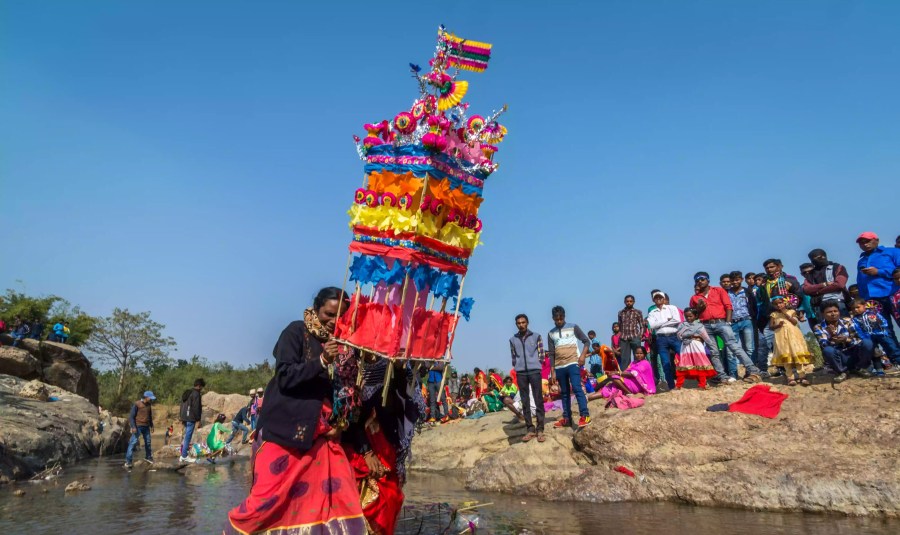
Karma Puja is a vibrant festival celebrated in Jharkhand, India, deeply rooted in indigenous tribal traditions. It is dedicated to the worship of the deity Karma, believed to be the protector of forests, fields, and crops. The festival involves various rituals, including tree worship, offerings, and the captivating Karma dance. It symbolizes gratitude towards nature and seeks blessings for prosperity and well-being. Karma Puja serves as a unifying force, fostering a sense of community and preserving the rich cultural heritage of the region.