Vedic Influence in Ancient Middle East: Hurrians to Mitanni

Ancient history is being reinterpreted with new insights, suggesting that Vedic religion might have influenced the ancient Middle East, particularly through the Hurrians and the Mitanni kingdom. The Mitanni, led by an Indo-Aryan elite, integrated aspects of Vedic culture while ruling over a Hurrian-speaking populace. However, this influence was primarily limited to the elite, with no evidence of widespread Vedic practice in the region.


India & the Sea: An Enduring Bond Etched in Waves & Wind

India's National Maritime Day, observed on April 5, honors the historic voyage of the SS Loyalty in 1919, symbolizing India's maritime legacy. It highlights the nation's ancient seafaring traditions, trade routes, and cultural exchanges that shaped its civilization. The Indian Ocean served as a conduit for commerce and cultural dialogue, with influences reaching Southeast Asia, reflecting a history of collaboration, adaptability, and shared heritage that continues to inspire today.

Smoked Bandel Cheese

Bandel Cheese: A Taste of Colonial Bengal

Bandel cheese, a unique artisanal cheese from Kolkata, boasts a rich colonial history rooted in Portuguese influence. Originating in the 16th century, it combines local cheesemaking traditions with European techniques, notably through acid-coagulation and smoking for preservation. With a bold, smoky flavor, it’s a standout in India’s culinary landscape. Now rediscovered by food enthusiasts, Bandel cheese faces threats from declining artisan practices, emphasizing the need for preservation to maintain this historical gastronomic treasure.

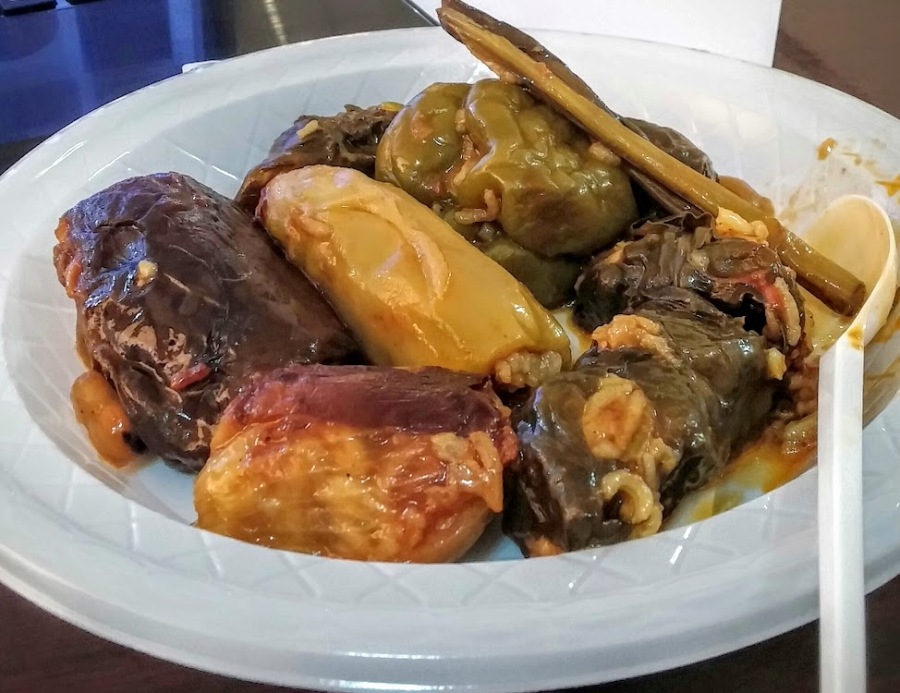
Dolma

Dolma: The Stuffed Secrets of Togetherness

Dolma, a beloved dish with stuffed vegetables like grape leaves, peppers, and eggplants, reflects a culinary evolution across the Mediterranean, Middle East, and India. With origins in the Ottoman Empire, dolma has evolved through Byzantine refinement and Arab influences, reaching diverse regions like Greece, Azerbaijan, and Bengal. Today, it continues to captivate palates with vegetarian and vegan variations, embodying the spirit of cultural exchange and culinary exploration.

Savoury Kebab Stories: Iraq & India Unite

The article discusses kebabs from two distinct regions: Iraq and India. Both kebabs, being from rich culinary traditions, vary greatly in their preparation and presentation. Iraqi kebabs like the shish and tikka use chunks of marinated meats, whereas Indian kebabs are made from minced meat mixed with herbs and spices. The Iraqi kebab is often complemented by amba, a fermented mango condiment, while the Indian variant is generally accompanied by yoghurt-based sauces, chutneys, and flatbreads.

The Global Journey of the Samosa: From Sanbosag to Singara

The samosa, a beloved Indian snack, has a complex and cosmopolitan history that traces back to Central Asia as "Samsa" in the 10th century. Over time, it evolved in India to suit local tastes, with fillings and cooking techniques varying regionally. As a result of Indian diaspora and British influence, samosas have become a global culinary treasure, each version reflecting the unique flavors and traditions of its adopted home.