Kartabhajas: Bengal’s Forgotten Spiritual Uprising

The Kartabhaja sect, a prominent aspect of Bengal's religious landscape, symbolized rebellion against social hierarchies. While embodying an inclusive faith and egalitarian principles, it later transitioned into Satima Dharma. Ghoshpara's demographic shifts, influenced by historical events like Partition and British rule, significantly impacted the sect's evolution and syncretic nature.

Ugratara Temple, Latehar — A Pause In Time

Hidden deep in Jharkhand’s forests, the Ugratara Temple is not a spectacle but a pause in time. Here, rituals wait for the Goddess’s consent, centuries-old manuscripts guide worship, and faith crosses religious boundaries. Visited in quiet stillness, Ugratara reveals how devotion, memory, and humanity continue to breathe together, long after the road bends away and the forest closes behind pilgrims.

সন্ধিপূজা: ক্ষণিকের মধ্যে অনন্তের দীপ্তি

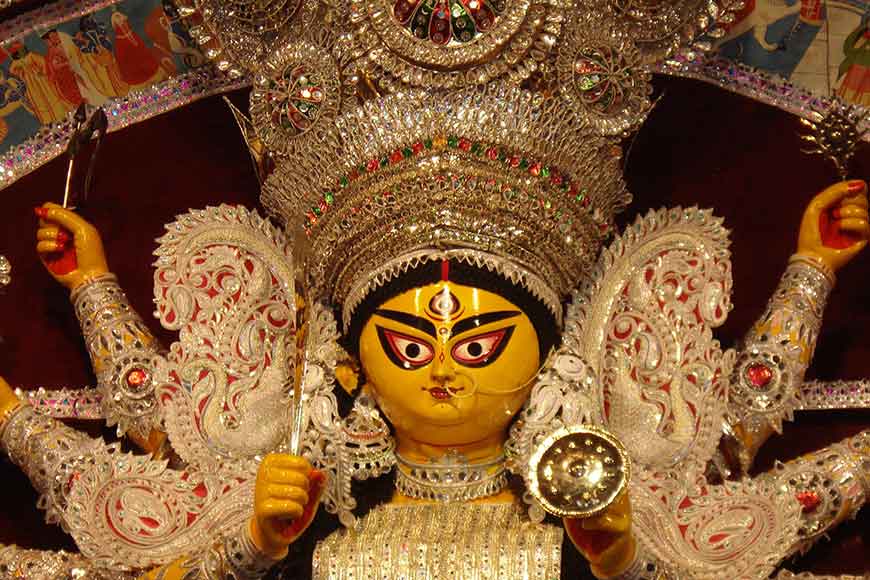
দুর্গাপূজা শুধু ভক্তি নয়, এটি মানুষের মন ও প্রবৃত্তির গভীর প্রকাশ। অষ্টমী ও নবমীর সন্ধিক্ষণে অনুষ্ঠিত সন্ধিপূজার সময় দেবী দুর্গা মহিষাসুরের বিরুদ্ধে যুদ্ধে অপরূপা রূপে উপস্থিত হন—সোনালি গাত্রবর্ণ, হলুদ বস্ত্র, আর দশটি হাতে দশ ধরনের মারনাস্ত্র। যুদ্ধ চলাকালীন চণ্ড ও মুণ্ড নামে দুই অসুর আক্রমণ করলে দেবীর ক্রোধ অগাধ রূপে ফুটে ওঠে; মুখ নীল, ত্রিনয়ন উন্মীলিত, ভ্রুকুটি থেকে জন্ম নেন দেবী চামুণ্ডা, নীলপদ্মের মতো শ্যামবর্ণা, যিনি চণ্ড ও মুণ্ডের বধকারী। এই পূজায় দেবীকে রক্তবর্ণের মালা, একশো আটটি পদ্মফুল ও দীপমালার মাধ্যমে আরাধনা করা হয়। চণ্ড-মুণ্ডের বধ মানুষের প্রবৃত্তি ও নিবৃত্তির প্রতীক, যা ভোগ এবং ত্যাগের সংঘাতকে নিয়ন্ত্রণ করে। চামুণ্ডা সহ ৬৪ যোগিনী দেবীর শক্তির বহিঃপ্রকাশ, যা পূজার মাধ্যমে মানুষের মন ও জীবনের অমোঘ শক্তিকে আয়ত্তে আনে এবং সন্ধিপূজার দর্শন সাত জন্মের তীর্থযাত্রার সমতুল্য ফল দেয়।

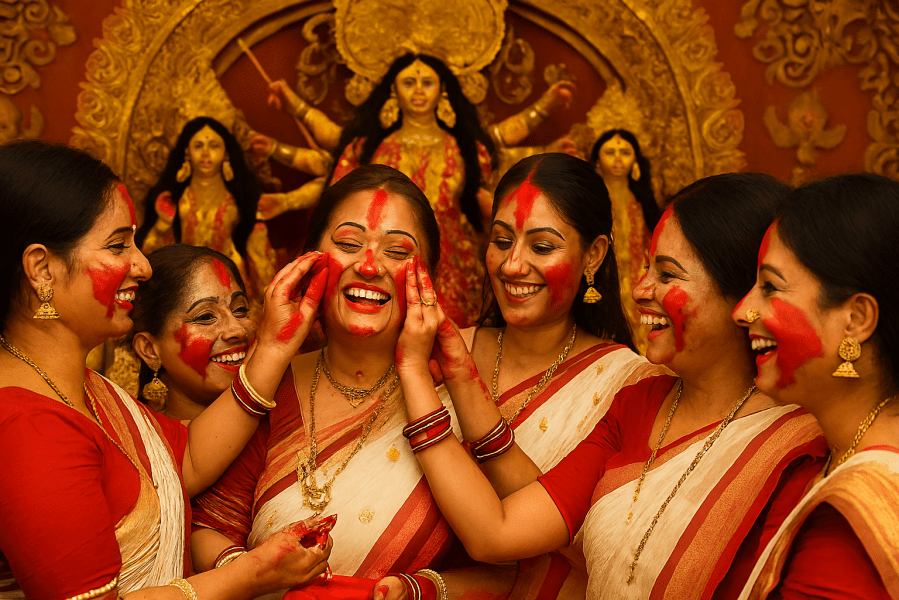
Sindur Khela: A Crimson Celebration of Bengali Womanhood & Unity

Bengali culture thrives on traditions and artistry, particularly evident in Sindur Khela during Durga Puja. This emotional ritual celebrates womanhood, resilience, and community as married women apply vermillion to each other’s faces, symbolizing joy and unity amidst farewells. Once exclusive to married women, Sindur Khela has evolved to include all women, reflecting the inclusivity of Bengali identity. It embodies love and solidarity, marking an eternal bond among women.

Durga Puja: A Homecoming of Heart, Soul, & Tradition

Durga Puja is a deeply emotional and cultural celebration for Bengalis, marking the arrival of Goddess Durga. It involves artistic preparations, including idol making and elaborate pandals. The festival, beginning with Mahalaya and spanning five days, highlights themes of unity, love, and spirituality. Food is integral, featuring community feasts. As festivities conclude, a bittersweet farewell to the Goddess reaffirms bonds of culture and anticipation for future celebrations.

The Timeless Spirit of Durga Puja: From Ancient Origins to a UNESCO-Listed Heritage

Durga Puja is a vibrant festival embodying history, spirituality, and community, celebrating the goddess Durga as a symbol of strength and motherhood. Its roots trace back to ancient times, evolving through various cultural influences in Bengal. The festival transformed during the colonial era into a symbol of national pride. Today, Durga Puja combines artistic expression with devotion, showcasing innovations in decoration and culture. Recognised by UNESCO, it remains a powerful reflection of Bengal’s identity and unity.

Durga Puja of Kolkata: A Celebration of Spirit, Art, & Heritage Now Honoured by UNESCO

Kolkata's Durga Puja has been inscribed on UNESCO's Representative List of the Intangible Cultural Heritage of Humanity as of December 15, 2021, marking a proud moment for India and Bengal. This festival honors Goddess Durga's victory over evil, blending spirituality and artistry. Beyond its religious significance, Durga Puja fosters community bonding and creativity, featuring elaborate themes and craftsmanship. Its recognition underscores its role as a cultural treasure, promoting unity among diverse groups.

Joyful Moments from Judhajit & Tania’s Engagement

On October 7, 2021, my son Judhajit got engaged to Tania, marking a joyous occasion celebrated at The Royal Retreat in Ranchi. Family and friends gathered, honoring Bengali traditions like the Aashirwaad ceremony and a modern ring exchange. The day was filled with love, laughter, and community support, showcasing the power of family bonds. As we look toward the wedding, I feel gratitude for the memories created and excitement for their future together.

Sacred Groves of Jharkhand: A Cultural Heritage

The sacred groves of Jharkhand, known as Sarna or Sarna sthal, are revered sites within Adivasi culture. These forested areas, rich with sal trees, embody the spiritual essence and ecological wisdom of the indigenous tribes. Sarnas serve as temple groves for various tribes, reflecting a blend of tribal and Hindu traditions. These groves are not only cultural and religious sites but also vital hubs of biodiversity, requiring preservation for future generations.

Diksha: A Transformative Spiritual Journey in Varanasi

On a January morning in 2003, the sacred city of Varanasi became the backdrop for a transformative spiritual experience for the author and their companion, Jagrata. They sought initiation, or Diksha, from their revered Guruji, marking a new chapter in their spiritual lives. Immersed in the Ganga, they received a sacred mantra and committed to practices like Sandhyavandanam, establishing a profound connection with the divine that has nurtured their journey for years.