প্রাণের উৎসব রাজধানীতে : দিল্লির দুর্গাপূজার বিস্তার

দিল্লিতে দুর্গাপূজার ইতিহাস প্রায় দেড় শতাব্দীরও পুরোনো। প্রথমবার কিছু বাঙালি মুঘল দরবারে কাজ করতে গিয়ে দুর্গাপূজা আয়োজন করেন, আর ১৯১০ সালে বল্লিমারানে শুরু হয় প্রথম সর্বজনীন পূজা, যা পরে কাশ্মীরি গেট পূজা নামে পরিচিত হয়। রাজধানী কলকাতা থেকে দিল্লি সরানোর পর টিমারপুর ও নিউ দিল্লি কালীবাড়ি পূজার মাধ্যমে এর বিস্তার ঘটে। দ্বিতীয় বিশ্বযুদ্ধ-পরবর্তী সময়ে পূজা ছড়িয়ে পড়ে করোল বাগ, লোধি রোড, দরিয়াগঞ্জ থেকে শুরু করে NCR-এর নানা অঞ্চলে। বর্তমানে চিত্তরঞ্জন পার্ক বা “মিনি বেঙ্গল” দিল্লির দুর্গাপূজার প্রাণকেন্দ্র, আর গোটা দিল্লি-এনসিআরে আজ ৪০০-রও বেশি পূজা অনুষ্ঠিত হয়—যা প্রমাণ করে কীভাবে প্রবাসী বাঙালির ঐক্য ও আবেগ রাজধানীতে এক অনন্য সাংস্কৃতিক উৎসব গড়ে তুলেছে।
The Whispers on Her Chosen Steed: Decoding Maa Durga’s Arrival & Departure

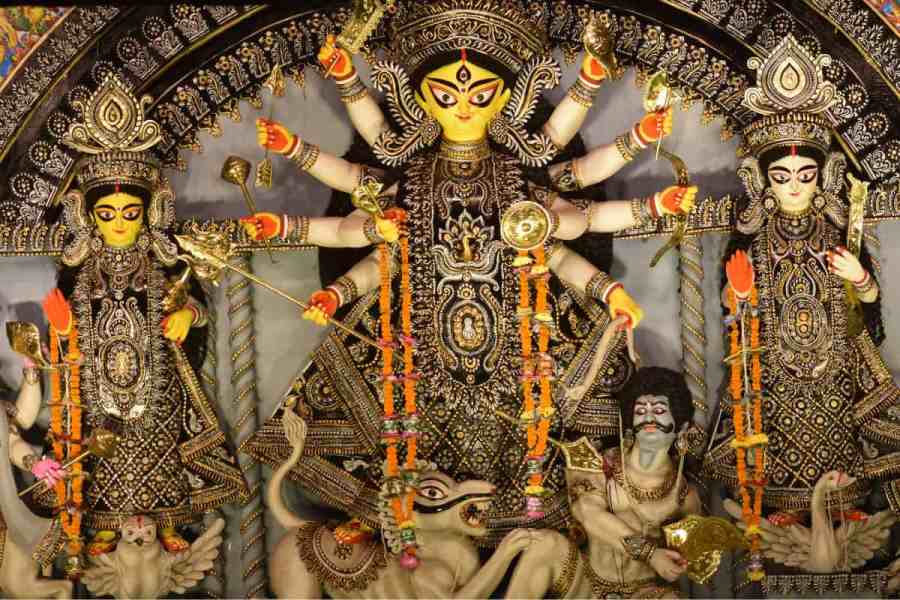
Durga Puja whispers across borders, even in Erbil where celebrations are solitary yet profound. Ancient traditions link her arrival and departure steeds to omens—elephant for prosperity, palanquin for illness. This year, she comes with promise yet departs with caution. Beyond rituals, her timeless message endures: resilience, courage, and faith that transcends geography, carried quietly in memory, devotion, and hope.

The Timeless Legacy of Inanna: Goddess of Heaven & Earth

Inanna, the goddess of love, war, and life in Uruk, sought to explore the Underworld, ruled by her sister Ereshkigal. Despite warnings, Inanna descended, shedding her divine adornments at each gate. Once faced with Ereshkigal, she was struck down. Enki intervened, allowing her return with a trade, leading to Dumuzi's capture. Inanna's tale reflects themes of transformation, sacrifice, and the balance of opposites.

Ritual & Reverence: Unveiling the Prehistoric Goddess of Baghor

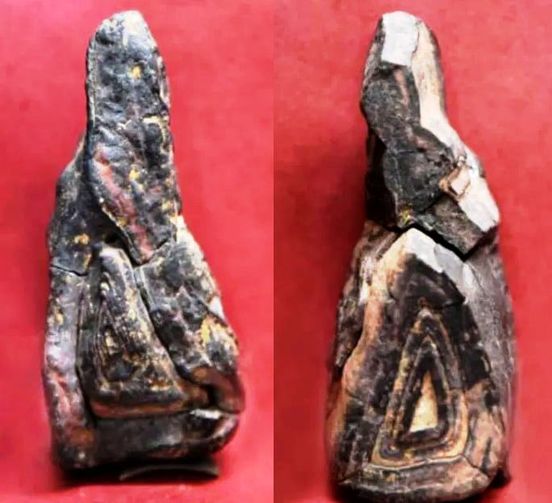
Hidden in the rugged hills of Sidhi, Madhya Pradesh, the prehistoric shrine of Baghor shelters a triangular stone believed to be over 11,000 years old—perhaps the earliest symbol of the Mother Goddess in India. Discovered by archaeologists in the 1970s, it continues to be worshipped today, bridging prehistory and faith in a timeless ode to the divine feminine.

Kali Puja: From the Cremation Ground to the Courtyard

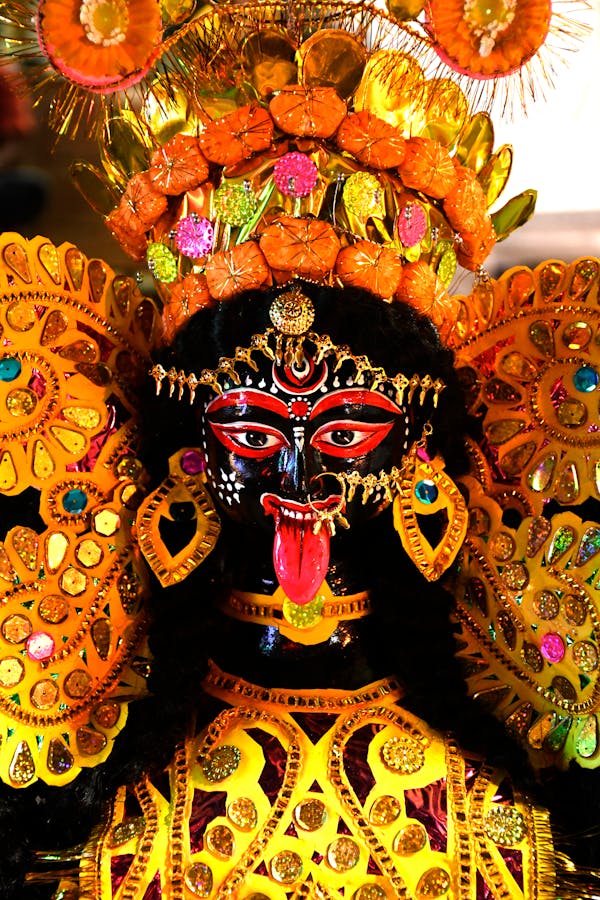
When the rest of India lights lamps for Lakshmi, Bengal lights them for Kali—the mother who destroys to renew. Kali Puja is not just a festival of devotion; it is a night of reckoning, transformation, and intimacy with the divine feminine. From the cremation ground to the courtyard, Bengal’s relationship with Kali mirrors the evolution of faith itself—how fear becomes love, and darkness becomes divine.

The Unique Two-Armed Durga Worship in Tripura

Tripura showcases a unique tradition by worshipping a two-armed form of Goddess Durga, steeped in the region's royal legacy through the Manikya dynasty. This simpler depiction represents personal connection and protection. Celebrated with a ceremonial state gun salute, it elevates Durga’s status, merging spirituality with authority. Despite modernization, this practice endures, preserving Tripura's rich cultural identity and devotion to the goddess as a guardian.

The Mother Goddess Through Time: A Celebration Across Civilizations

Ranchi is alive with the Navratri festival, showcasing devotion to Goddess Durga, symbolizing the divine feminine's strength. The author reflects on Durga’s role as an invincible warrior and shares connections to ancient goddesses Inanna and Ishtar. These figures embody both nurturing and fierce protective qualities, emphasizing the universal archetype of feminine power. The festival celebrates this enduring spirit through vibrant rituals and collective energy.

Rajrappa: A Pilgrimage to the Chhinnamasta Temple

The Chhinnamasta Temple in Rajrappa, Jharkhand, is a significant Hindu pilgrimage site dedicated to the goddess Chhinnamasta. Located at the confluence of the Damodar and Bhairavi rivers, it holds spiritual importance for Shakti worship. The temple's historical and geographical significance, along with the divine experience it offers, make it a must-visit destination for those seeking a deeper spiritual connection.

Ugratara Temple, Latehar — A Pause In Time

Hidden deep in Jharkhand’s forests, the Ugratara Temple is not a spectacle but a pause in time. Here, rituals wait for the Goddess’s consent, centuries-old manuscripts guide worship, and faith crosses religious boundaries. Visited in quiet stillness, Ugratara reveals how devotion, memory, and humanity continue to breathe together, long after the road bends away and the forest closes behind pilgrims.