Where Opposites Meet: A Personal Reflection on Philosophical Contradictions

During a WhatsApp chat with former classmates, a philosophical discussion emerged about spirituality and religion. The talk emphasized that genuine faith goes beyond physical places of worship. Hinduism illustrates philosophical diversity by accepting contradictions in harmony. One classmate’s Marxist perspective conflicted with this idea, expressing unease with unresolved contradictions. The insight is that truth often involves accepting contradictions, suggesting that philosophical and spiritual explorations do not have to adhere to strict ideologies but should instead recognize and investigate life's complexities.

The Dust of Kurukshetra: A Mirror to Our Inner Battles

In the aftermath of the Kurukshetra war, amidst the ruins, Sanjaya encounters an ancient sage who imparts profound wisdom. The Mahabharata transcends mere storytelling; it embodies the internal struggles of individuals against vices like greed and anger. Each person's choices reflect either dharma or chaos. Ultimately, the narrative serves as a guide for personal battles, urging adherence to inner virtues and the voice of Krishna.

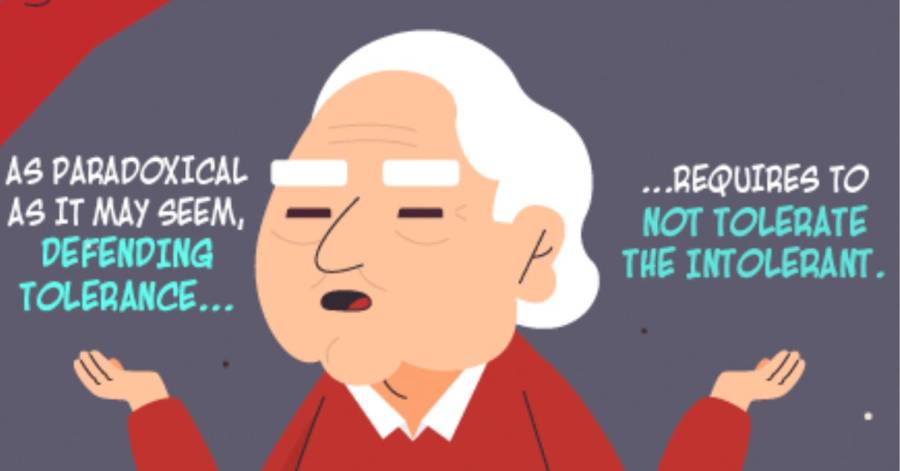
Understanding the Paradox of Tolerance

"The paradox of tolerance," a concept introduced by philosopher Karl Popper during WWII, suggests that extreme tolerance of intolerant ideas may subvert society's freedom and acceptance. While society values tolerance, it must also take measures to counteract intolerance to uphold its principles. This paradox poses pivotal questions about the boundary between free speech and harmful intolerance, and potential solutions include promoting education, critical dialogue, and implementing legal measures against hate speech and violence.

Impermanence: The Silent Rhythm of Life

In the midst of daily chaos, there's an overlooked truth: impermanence. Rooted in Eastern philosophies, it asserts that all things are transient. Understanding this is vital, as it shapes our lives, teaching us to appreciate the present and navigate inevitable changes. Embracing impermanence leads to mindfulness and transcends the material world, revealing profound truths and guiding a compassionate way of living.

The Untold Teachings of Ravana: Insights for Life

In the battlefield of Lanka, after defeating Ravana, Lord Rama sent Lakshmana to gather wisdom from the dying scholar. Initially, Ravana refused, but later imparted wisdom about greed, ethics, and politics when Rama himself, humbly approached him. Despite his infamous reputation, Ravana's profound teachings, gleaned from his life's lessons, were considered valuable and respected in ancient Indian mythology.

The Empty Boat Fable: A Path to Self-Realisation

The Taoist parable "The Empty Boat" serves as a lesson about finding peace within oneself. The story tells of a man who encounters an empty boat on a river and, rather than growing angry, he simply navigates past it, symbolizing the dismissal of pointless anger. The fable communicates the importance of inner peace and self-realization, reminding us not to attach ego and emotions to external circumstances. The message advises detachment from attachments, expectations, and judgments to live peacefully and joyfully, emphasizing the need for solitude for mental well-being and clarity.

The Invaluable Value of Human Life: A Lesson from Lord Buddha

Lord Buddha's teaching illustrates the immeasurable worth of human life. A man's journey to determine the stone's value parallels the diversity of perspectives on life. Human worth transcends material measures and societal judgments, emphasizing intrinsic qualities. It's vital to challenge inequality, advocate for equity, and cultivate empathy to uphold the sanctity of every life.

Transcending Borders: A Call for Collective Humanity

The essence of humanity and its preservation discusses a consciousness that goes beyond our immediate surroundings. It reminds us to respect others' cultures, communities, and faiths, as we are all essentially human beings with common dreams. The concept of 'Vasudhaiva Kutumbakam' from ancient Indian culture, meaning 'the world is one family', underlines this perspective emphasizing the collective responsibility for societal issues. Tolerance and kindness are emphasized as essential towards building a peaceful world, and any harmful ideology against humanity should be curtailed.

Embracing Tolerance: Swami Vivekananda’s Legacy

Swami Vivekananda’s 1893 speech at the World Parliament of Religions in Chicago is noted for its reflection of Indian culture and its values. Vivekananda message of universal brotherhood, acceptance and respect for all religions, positions him as a significant philosophical figure, impacting not only western perception of Hinduism, but also influencing the American civil rights movement. His call for tolerance and unification has a profound contemporary resonance in the face of global division along religious, ethnic and national lines.