Echoes Across Civilisations: Sacred Festivals & the Universal Grammar of the Human Spirit

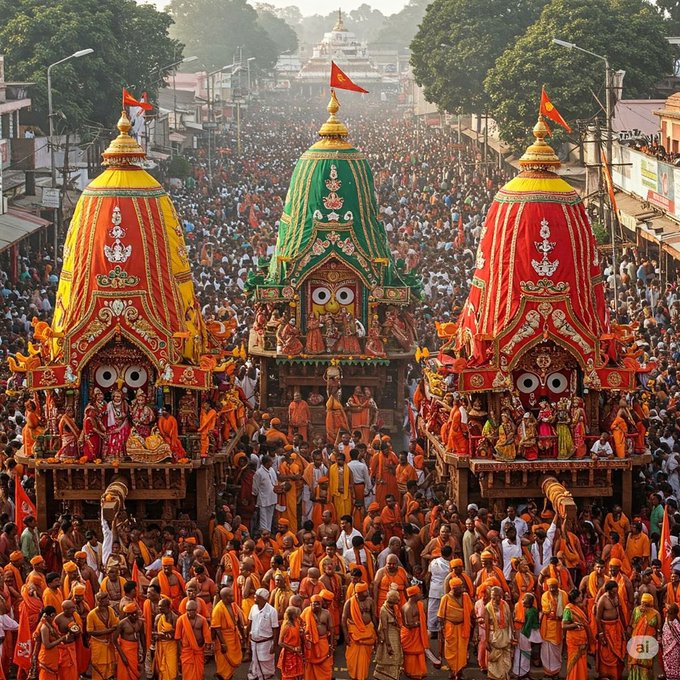
Festivals like the Jagannatha Rath Yatra in India and the Akitu Festival in Babylon illustrate profound cultural connections through shared themes of divine presence and community spirit. Both feature sacred processions that signify renewal and seasonal changes, linking deities to nature. Kingship plays a vital role, symbolizing the ruler's duty to serve both the divine and the people. These festivities foster unity, transcending social hierarchies and highlighting collective devotion.
Akshay Tritiya: A Beacon of Eternal Goodness

Akshay Tritiya, also known as Akha Teej, is a significant day in Indian culture, celebrated for its auspiciousness in Hindu and Jain calendars. This day marks the birth of Lord Parashurama, the beginning of the Mahabharata, and the descent of the Ganga. Rituals include holy baths, starting new ventures, and charitable acts. Akshay Tritiya also represents lasting prosperity and love, especially for families celebrating significant life events like weddings, highlighting its enduring significance in society.

Union Club & Library, Ranchi: A 160-Year Chronicle of Culture, Knowledge, & Community

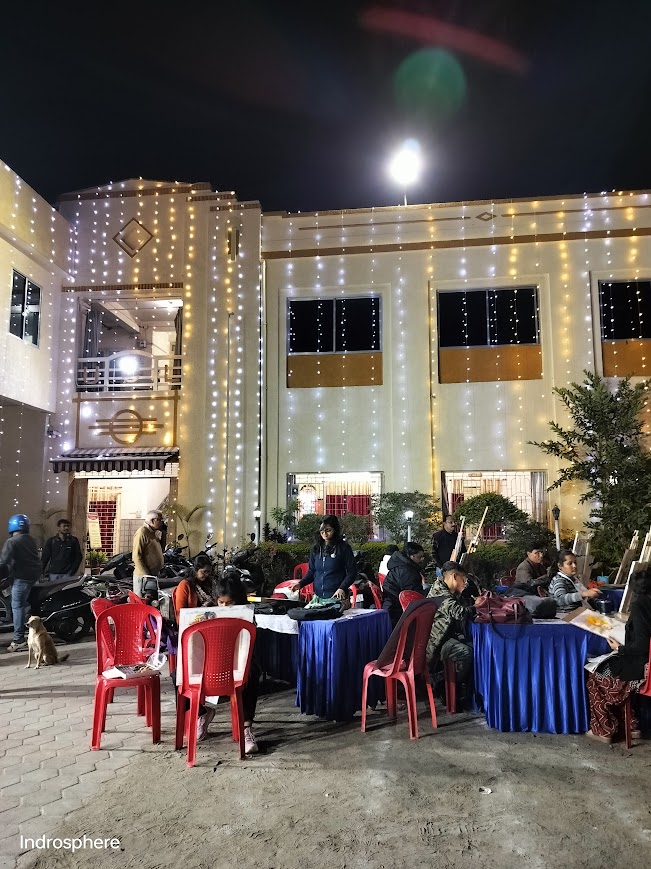
For over 160 years, the Union Club & Library has stood at the heart of Ranchi—an enduring sanctuary of intellect, culture, and community. Born in 1864 from the vision of a few Bengali scholars, it has evolved into a vibrant symbol of the city’s spirit, witnessing eras of colonial rule, India’s freedom movement, and Jharkhand’s emergence as a state. From literary gatherings under lamplight to musical evenings and impassioned debates, the Union Club remains a living chronicle of Ranchi’s cultural heartbeat—where the past and present continue to move together, true to its timeless motto: Sangachchadhvam—“Let us move together.”

Itu Puja: Celebration of Sun, Fertility, & Community

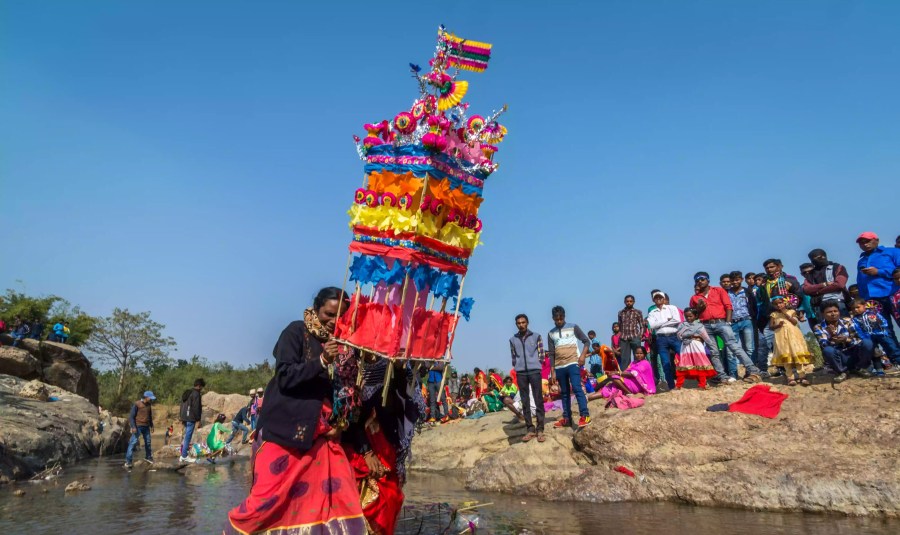
Itu Puja, or Itu Brata, is a cherished festival in Bengal, celebrated in the month of Agrahayan (November-December) in honor of Mitra, the ancient Vedic Sun God. It symbolizes gratitude to nature and community, emphasizing agricultural prosperity. The festival, deeply rooted in tradition, features women leading rituals, fasting, and singing. Personal memories of devotion highlight its significance, connecting past and present while fostering harmony with nature.

Govardhan Puja: A Celebration of Earth, Faith, & Sustainability

Govardhan Puja is an annual Indian festival celebrated after Diwali, honoring Lord Krishna's protection of Vrindavan. It highlights the significance of cow dung as a sacred material in rituals, symbolizing purity and sustainability. The festival emphasizes gratitude, community, and ecological consciousness, linking spiritual values with respect for nature and traditional practices.

Kali Puja: From the Cremation Ground to the Courtyard

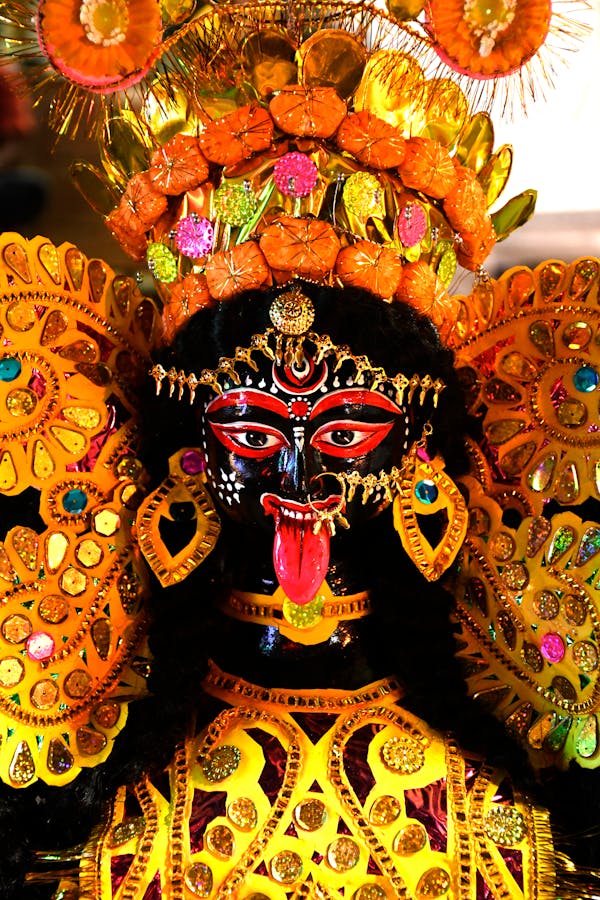
When the rest of India lights lamps for Lakshmi, Bengal lights them for Kali—the mother who destroys to renew. Kali Puja is not just a festival of devotion; it is a night of reckoning, transformation, and intimacy with the divine feminine. From the cremation ground to the courtyard, Bengal’s relationship with Kali mirrors the evolution of faith itself—how fear becomes love, and darkness becomes divine.

Maitraee Club’s Heartwarming Tradition of Sharing Bhog

Maitraee, a community club in Ranchi, has been inviting senior citizens from old-age homes to celebrate Durga Puja for over a decade, fostering joy and belonging. The initiative includes offering Pushpanjali—prayers and flowers—and sharing the bhog, a sacred meal. Supported by the Rotary Club, this tradition provides emotional fulfillment, rekindles memories of family, and strengthens community bonds, benefiting both the elders and volunteers.