The Whispers on Her Chosen Steed: Decoding Maa Durga’s Arrival & Departure

Durga Puja whispers across borders, even in Erbil where celebrations are solitary yet profound. Ancient traditions link her arrival and departure steeds to omens—elephant for prosperity, palanquin for illness. This year, she comes with promise yet departs with caution. Beyond rituals, her timeless message endures: resilience, courage, and faith that transcends geography, carried quietly in memory, devotion, and hope.

The Eternal Light: Nanna, the Moon God of Sumer

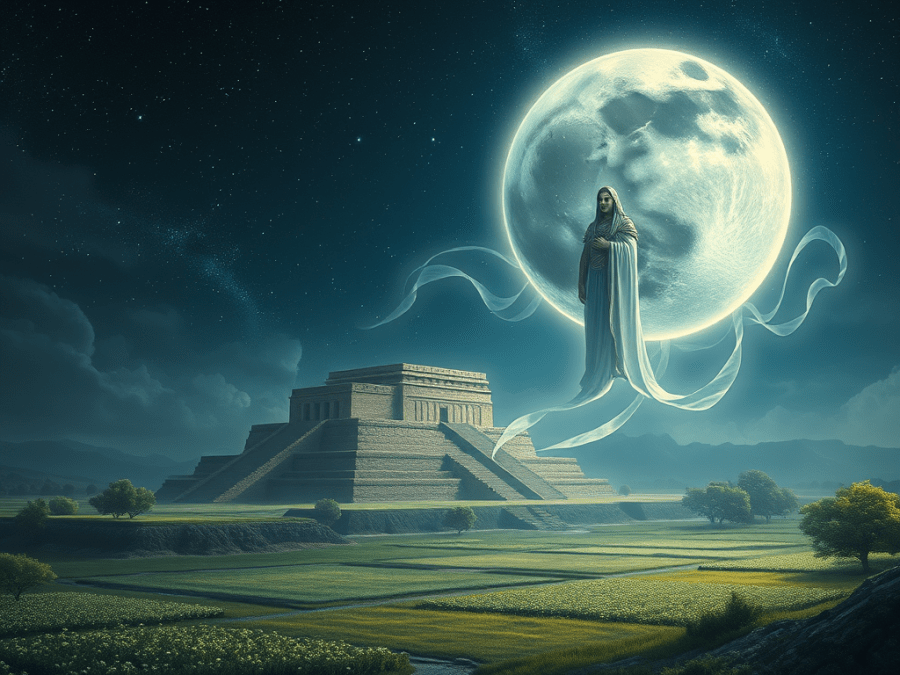
Nanna, the moon god of ancient Sumer, was a celestial deity revered for his profound influence over time, agriculture, and destinies. As the lord of the lunar calendar, he provided guidance and protection to mortals, particularly in Ur, where his grand ziggurat stood as a testament to his power. Nanna's legacy transcended Sumer, influencing neighboring cultures and highlighting the enduring connection between humanity and celestial bodies.

Winter Road Trip: From Ranchi to Puri

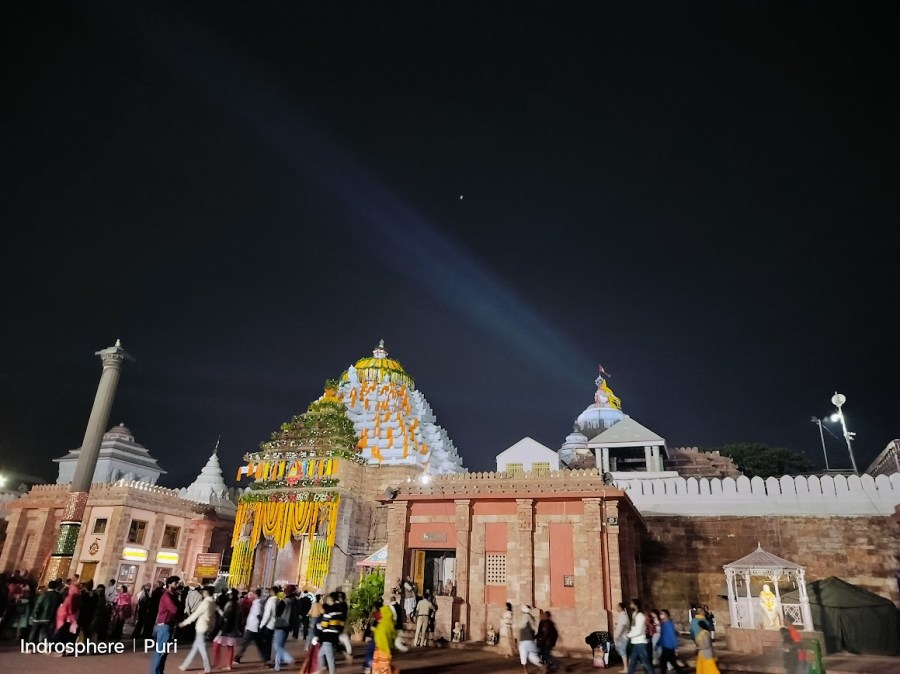
Our year-end road trip from Ranchi to Puri was a journey of fulfilling wishes and creating unforgettable memories. Jagrata's long-held desire to visit the Jagannath Temple was finally realized, while Tania experienced her first glimpse of the sea. The trip unfolded amidst picturesque landscapes and delightful culinary stops. However, we encountered some challenges upon arriving in Puri due to road blockades implemented by the city police to manage the crowds. Despite this, the spiritual visit to the Jagannath Temple and the coastal adventures at Puri’s Golden Beach and Chilika Lake made the experience truly enriching.

The Timeless Legacy of Inanna: Goddess of Heaven & Earth

Inanna, the goddess of love, war, and life in Uruk, sought to explore the Underworld, ruled by her sister Ereshkigal. Despite warnings, Inanna descended, shedding her divine adornments at each gate. Once faced with Ereshkigal, she was struck down. Enki intervened, allowing her return with a trade, leading to Dumuzi's capture. Inanna's tale reflects themes of transformation, sacrifice, and the balance of opposites.

Ritual & Reverence: Unveiling the Prehistoric Goddess of Baghor

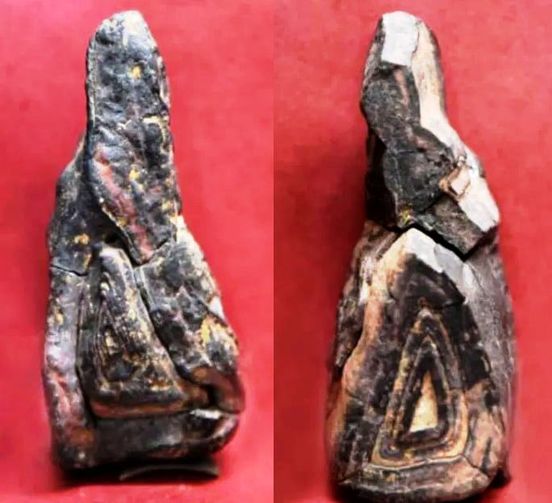
Hidden in the rugged hills of Sidhi, Madhya Pradesh, the prehistoric shrine of Baghor shelters a triangular stone believed to be over 11,000 years old—perhaps the earliest symbol of the Mother Goddess in India. Discovered by archaeologists in the 1970s, it continues to be worshipped today, bridging prehistory and faith in a timeless ode to the divine feminine.

Itu Puja: Celebration of Sun, Fertility, & Community

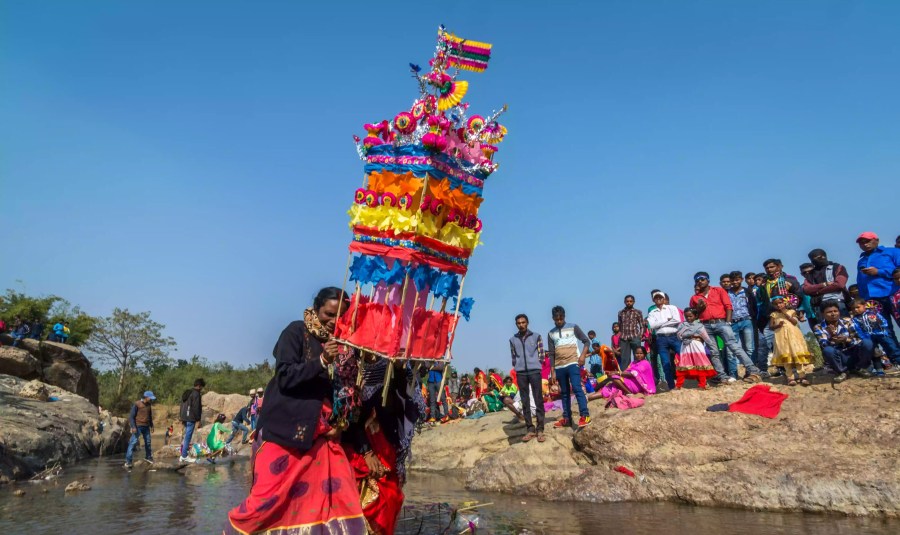
Itu Puja, or Itu Brata, is a cherished festival in Bengal, celebrated in the month of Agrahayan (November-December) in honor of Mitra, the ancient Vedic Sun God. It symbolizes gratitude to nature and community, emphasizing agricultural prosperity. The festival, deeply rooted in tradition, features women leading rituals, fasting, and singing. Personal memories of devotion highlight its significance, connecting past and present while fostering harmony with nature.

Architects of a Forgotten Age: Unraveling the Mystery of the Ubaid Lizard Figurines

The Ubaid culture, existing in southern Mesopotamia around 5000 to 4000 BCE, laid the groundwork for Sumerian civilization. Notably, the Lizard Figurines, with their unique reptilian features, suggest complex societal beliefs, including possible connections to shamanism and fertility. These artifacts highlight Ubaid advancements in art, agriculture, and spirituality.

Govardhan Puja: A Celebration of Earth, Faith, & Sustainability

Govardhan Puja is an annual Indian festival celebrated after Diwali, honoring Lord Krishna's protection of Vrindavan. It highlights the significance of cow dung as a sacred material in rituals, symbolizing purity and sustainability. The festival emphasizes gratitude, community, and ecological consciousness, linking spiritual values with respect for nature and traditional practices.