The Calculus of Betrayal: Radhanath Sikdar & the True Story of Mount Everest

In 1852, Radhanath Sikdar, a Bengali mathematician, discovered that Peak XV was the world's highest mountain, later named Mount Everest. His groundbreaking calculations were overshadowed by British imperial bias, as the peak was named after a British official. Sikdar's contributions to the Great Trigonometrical Survey were largely ignored, encapsulating the colonial erasure of non-Western intellectual achievements.

তাসের ঘর : আশাপূর্ণা দেবীর কলমে সাহসী মেয়ের গল্প

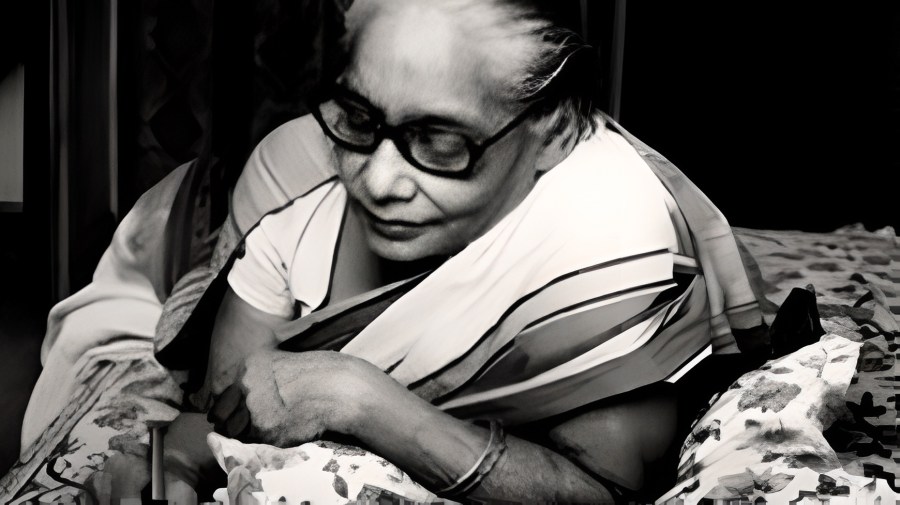
আশাপূর্ণা দেবী, বাংলা সাহিত্যের এক অনন্য রত্ন, ১৯০৯ সালে জন্মগ্রহণ করেছিলেন এবং ১৯৯৫ সালে মৃত্যুবরণ করেন। মাত্র ১৩ বছর বয়সে কবিতা লিখে সাহিত্য জগতে প্রবেশ করেন তিনি। "তাসের ঘর" এবং "অনাচার" এর মতো তাঁর গল্পগুলো মানুষের মনস্তত্ত্ব এবং সামাজিক নৈতিকতার গভীর বিশ্লেষণ করেছিল। আশাপূর্ণা দেবী তাঁর লেখনীর মাধ্যমে সমাজকে মানবিকতার শক্তিশালী বার্তা দিয়েছেন। ব্যক্তিগত জীবনেও তিনি ছিলেন উদারমনা এবং অতিথিপরায়ণ, যেমন তাঁর শাশুড়ির জন্য নিরামিষ রান্না থেকে শুরু করে বৌমার পিএইচ.ডি অর্জনের আনন্দে সহকর্মীদের জন্য রেস্তোরাঁয় খাওয়ানো। তাঁর সাহিত্যকর্ম ও জীবনদর্শন আজও অনুপ্রেরণা যুগিয়ে চলেছে। আজ তাঁর মৃত্যু দিবসে, আশাপূর্ণা দেবীকে গভীর শ্রদ্ধা জানাই।

Cholera’s Unsung Heroes: Tribute to Indian Pioneers

Cholera is a deadly disease often overlooked in global health agendas, overshadowed by issues like HIV/AIDS and malaria. Indian scientists Dr. Shambhunath De and Dr. Dilip Mahalanabis made crucial contributions to cholera treatment, yet remain largely unrecognized. Dr. De identified the cholera toxin's role in causing death, while Dr. Mahalanabis demonstrated the effectiveness of oral rehydration therapy during a crisis. Their legacies deserve acknowledgment and commemoration in India, highlighting their profound impact on global health.

Tradition vs. Reform: The Legacy of Bankim Chandra & Ishwar Chandra Vidyasagar

The ideological conflict between Bankim Chandra Chattopadhyay and Ishwar Chandra Vidyasagar illustrates the tension between tradition and social reform in 19th-century Bengal. Vidyasagar championed women's rights and advocated for radical social change, notably through the Widow Remarriage Act, while Bankim emphasized cultural revivalism and gradual reform. Despite their disagreements, both figures significantly impacted Bengal's intellectual landscape, shaping its evolution and illustrating different paths toward progress.

Vande Mataram: The Anthem Born from a Cricket Dispute

The Indian Premier League celebrates cricket, but its connection to patriotism is profound. Bankim Chandra Chattopadhyay's anthem "Vande Mataram" emerged from a heated cricket match in 1873, where he faced humiliation from Colonel Duffin. This incident sparked a legal battle symbolizing resistance against colonial rule. Ultimately, his powerful words united Indians in their fight for independence, reshaping the nation's historical narrative.

Khona: The Silenced Oracle of Ancient Bengal

Khona, also known as Leelavati, was a brilliant figure in ancient Bengal whose contributions to agriculture, meteorology, and astrology became legendary through her sayings in "Khonar Bachan." Her rise as an intellectual threatened patriarchal norms, leading to tragic silencing by Varahamihira, who mutilated her tongue out of jealousy. Despite this, her wisdom endured, influencing generations and symbolizing the resilience of female intellect against oppression.

Ratan Sarkar: The Washerman’s Role in Colonial Trade

The history of British colonialism in India reveals overlooked stories of individuals like Ratan Sarkar, a washerman who became the East India Company's first interpreter in Calcutta. During the 17th century, Shaista Khan's administration allowed European trade, transforming Bengal into a trading hub. Despite initial communication barriers, Ratan's adeptness bridged cultural gaps, fostering trade relationships crucial to British interests. His legacy endures in Kolkata through street names, illustrating the significant role of local figures in colonial history.

খান আব্দুল গাফফার খান ও শান্তিনিকেতনের অমলিন স্মৃতি

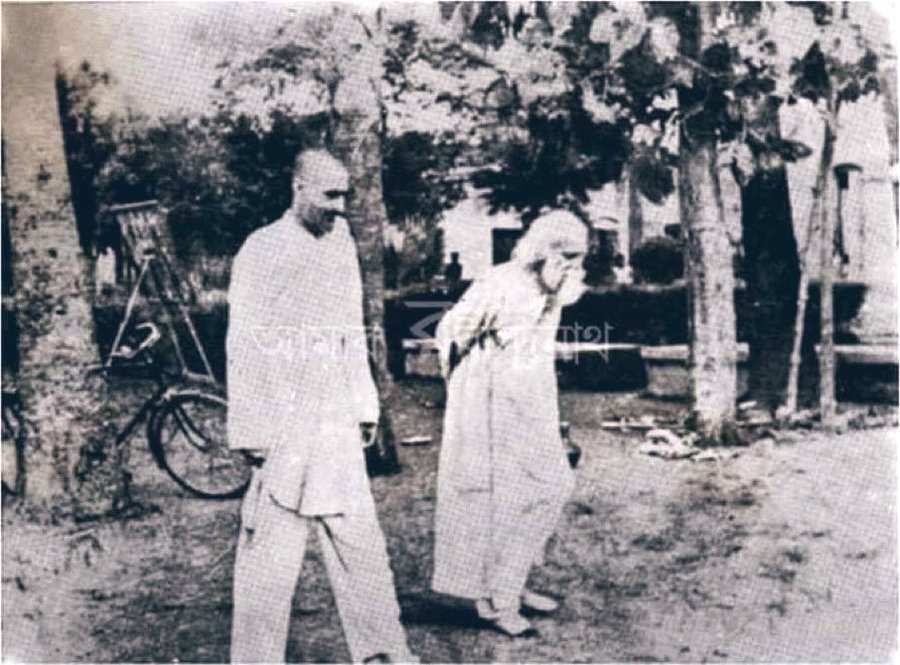
খান আব্দুল গাফফার খান, যিনি "সীমান্ত গান্ধী" নামে পরিচিত, ১৯৩৪ এবং ১৯৬৯ সালে শান্তিনিকেতনে রবীন্দ্রনাথ ঠাকুরের সাথে সাক্ষাৎ করেন, যা তাঁদের পারস্পরিক শ্রদ্ধা এবং আদর্শের মিলকে প্রতিফলিত করে। প্রথম সফরে, জেল থেকে মুক্তি পাওয়ার পর গাফফার খান রবীন্দ্রনাথের গ্রামীণ উন্নয়নের কাজ দেখে মুগ্ধ হন। কবিগুরু নিজে বোলপুর স্টেশনে গিয়ে তাঁকে স্বাগত জানান, যা তাঁদের গভীর সংযোগের প্রমাণ। দ্বিতীয় সফর, ১৯৬৯ সালে, খান সাহেবের জন্য একটি আবেগপূর্ণ প্রত্যাবর্তন ছিল। বার্ধক্যে ক্লান্ত গাফফার খান শান্তিনিকেতনের স্মৃতি ফিরে দেখেন এবং গুরুদেবের স্নেহ-ভালবাসা স্মরণ করেন। এই দুই মহান মানুষের বন্ধুত্ব ঐক্য, শান্তি এবং মানবতার আদর্শের প্রতীক হয়ে উঠেছিল।

বাংলা ভাষার অনন্য সাহিত্যিক: শিবরাম চক্রবর্তী

১৩ ডিসেম্বর, ১৯০৩—কলকাতার আকাশে সেদিন একটি নতুন তারা উঁকি দিয়েছিল। এ তারাটি শুধু আলোকিতই করেনি; হাসির ঝলকানিতে ভরিয়ে দিয়েছিল এক বিস্তীর্ণ আকাশ। বাংলা সাহিত্যের এক অমর প্রতিভা, শিবরাম চক্রবর্তী, এই দিনে জন্মগ্রহণ করেছিলেন। হাস্যরসের অমিত শক্তি দিয়ে তিনি বাঙালির দৈনন্দিন জীবনে এমন এক রঙের ছোঁয়া এনে দিয়েছিলেন যা আজও অক্ষুণ্ণ। শিবরাম: হাস্যরসের শিল্পী শিবরামের সৃষ্টির …

Continue reading বাংলা ভাষার অনন্য সাহিত্যিক: শিবরাম চক্রবর্তী