The Zanj Rebellion: Impact on Iraq’s Ancient Agriculture

A recent article from The Independent reveals that ancient ridges and canals in Southern Iraq, previously attributed to an agricultural system, were likely built using slave labor, particularly by the enslaved Zanj. This discovery connects their construction to the 9th-century Zanj Rebellion, underscoring the significant but overlooked contributions of enslaved Africans to the region's landscape. The findings challenge existing historical narratives and bring attention to the hidden legacy of these individuals.

In the Shadows of Freedom: The Anushilan Samiti & India’s Forgotten Revolution

The Anushilan Samiti, operating during British colonial rule in India, was a clandestine revolutionary organization that advocated armed resistance. It emerged as a reaction to the moderate methods of the Indian National Congress, emphasizing physical fitness, martial training, and social responsibility. Members engaged in propaganda and armed attacks on British officials. Despite facing repression, the Samiti continued to operate clandestinely and played a significant role in the independence movement, inspiring generations of revolutionaries.

May Day: Netaji’s Impact on Tata Steel Workers

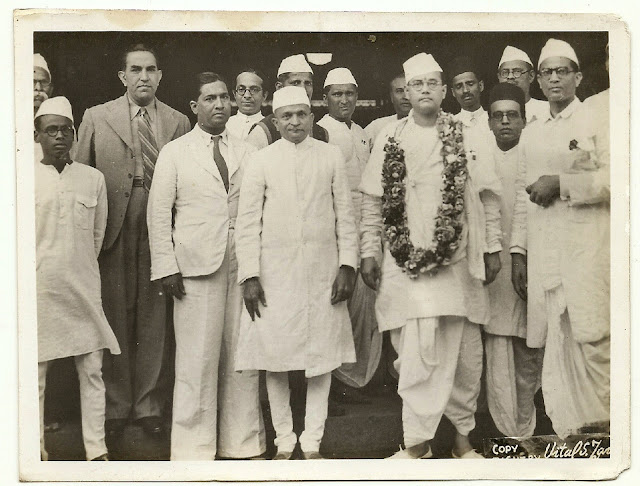
On May Day, we honour the labour movement and Netaji Subhas Chandra Bose's contributions to workers' rights, including his role in the Tata Steel trade union. His advocacy and leadership secured fundamental rights for workers, reshaping India's industrial landscape. His legacy demonstrates the intersection of freedom struggle and labour movements, inspiring solidarity and social justice.

Lahiri Diwas: A Rebirth in the Shadows of Gonda Jail

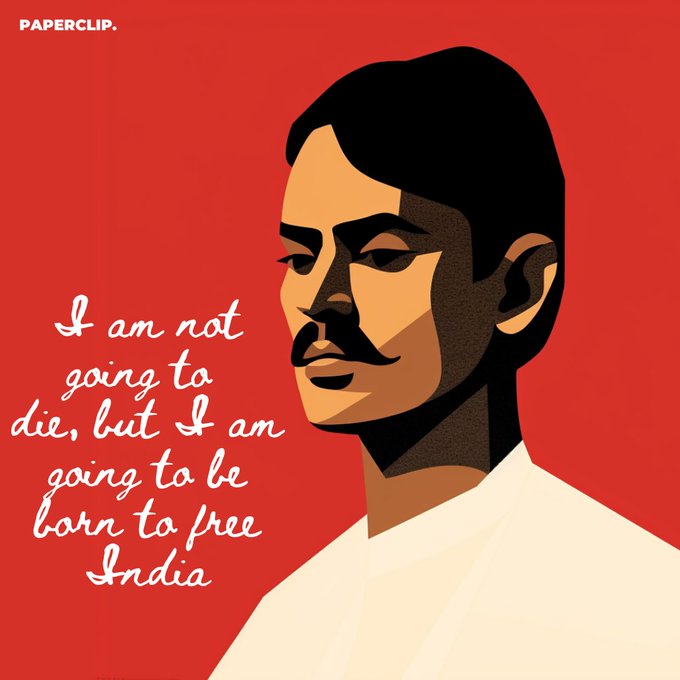
Lahiri Diwas is an annual commemoration in Gonda jail, Uttar Pradesh, honouring the fearless revolutionary Rajendranath Lahiri, known for his major role in India's independence movement and execution on December 17, 1927. Lahiri, born in 1901 in Bengal, demonstrated exceptional courage, breaking societal norms and conducting revolutionary activities, including the notorious Kakori train robbery. Despite his death sentence, he expressed undying resilience and belief in a liberated India. Today, this event celebrates his sacrifice, featuring cultural festivities and reinforcement of his enduring belief.

Birsa Munda: A Symbol of Tribal Resistance

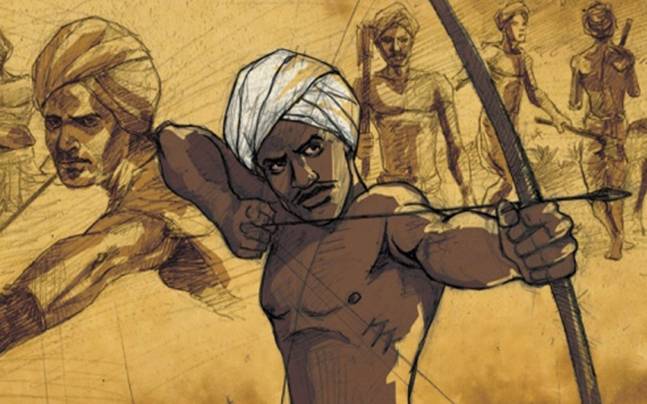
Birsa Munda, an iconic figure in tribal resistance, spearheaded a rebellion against British colonial rule in late 19th-century India. Born in 1875, he mobilized tribal communities in resistance to British oppression, campaigned for social reform, and sought to establish self-governance rooted in tribal customs. Despite his relatively short life, his legacy continues to inspire tribal rights and autonomy movements internationally. Today, his contributions to India's tribal movements are recognized, and his birth anniversary is commemorated as 'Janjatiya Gaurav Divas’ (Tribal Pride Day).

Netaji Bose Statue to Honour 125th Birth Anniversary

Prime Minister Narendra Modi announced the installation of a grand statue of Netaji Subhas Chandra Bose at India Gate, New Delhi, in celebration of the 125th birth anniversary of the revered freedom fighter. Until the statue's completion, a hologram of Netaji will stand in its place, to be unveiled on January 23rd. This gesture pays homage to Bose's pivotal role in India’s struggle for independence and his enduring legacy.

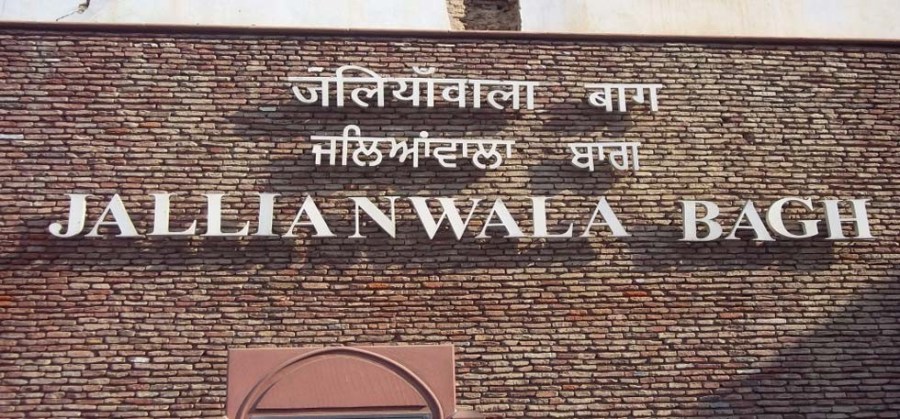
Jallianwala Bagh: The Blood-Soaked Soil That Shaped a Nation

Jallianwala Bagh, a garden in Amritsar, Punjab, symbolizes an incident in India's colonial past when British troops, led by General Dyer, fired upon a peaceful protest in 1919, killing hundreds. The garden, featuring bullet-ridden walls and a well into which people jumped for escape, is a memorial for the victims. The incident catalyzed India's struggle for independence and serves as a reminder of the ongoing fight for justice and equality.

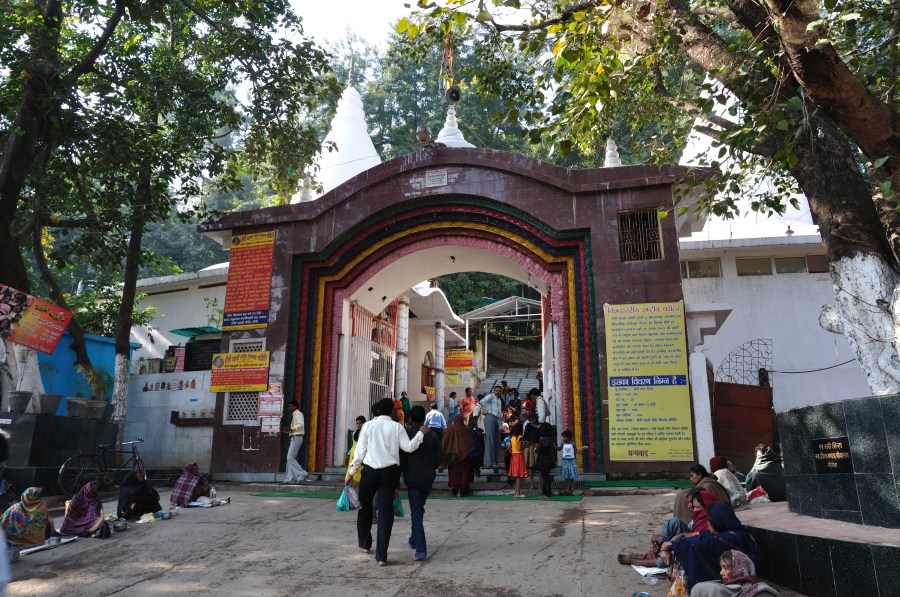
Pahari Mandir, Ranchi: Where Faith Meets Freedom

The temple of Lord Shiva is situated in the heart of the city on a hill called Pahari Mandir. The 2,140 feet Ranchi hill houses the temple at its summit. Ranchi hill was earlier being known as Phansi Tongri (Hanging Hill) and it was the place where freedom fighters were hanged to death. It’s said that more than 250 freedom fighters were hanged here from the trees by the British rulers. Pahari Mandir holds the distinction of being the only temple in the country to continue with the tradition of hoisting the national flag every Independence Day ever since the first Tricolour was unfurled here in the intervening night of August 14 and 15, 1947.