The Calculus of Betrayal: Radhanath Sikdar & the True Story of Mount Everest

In 1852, Radhanath Sikdar, a Bengali mathematician, discovered that Peak XV was the world's highest mountain, later named Mount Everest. His groundbreaking calculations were overshadowed by British imperial bias, as the peak was named after a British official. Sikdar's contributions to the Great Trigonometrical Survey were largely ignored, encapsulating the colonial erasure of non-Western intellectual achievements.

Palaces of Mewar — The Splendor of Udaipur’s City Palace

We see the City Palace in Udaipur, initiated by Maharana Udai Singh II in 1559, as a monumental display of Mewar's history, combining Rajput, Mughal, and European architectural styles. We witness valorous artifacts, artistic frescoes, and the royal family's ongoing legacy, culminating in a rich cultural experience and unique souvenirs symbolizing the region's heritage.

The Journey to Udaipur — From Ranchi Skies to Lake City Nights

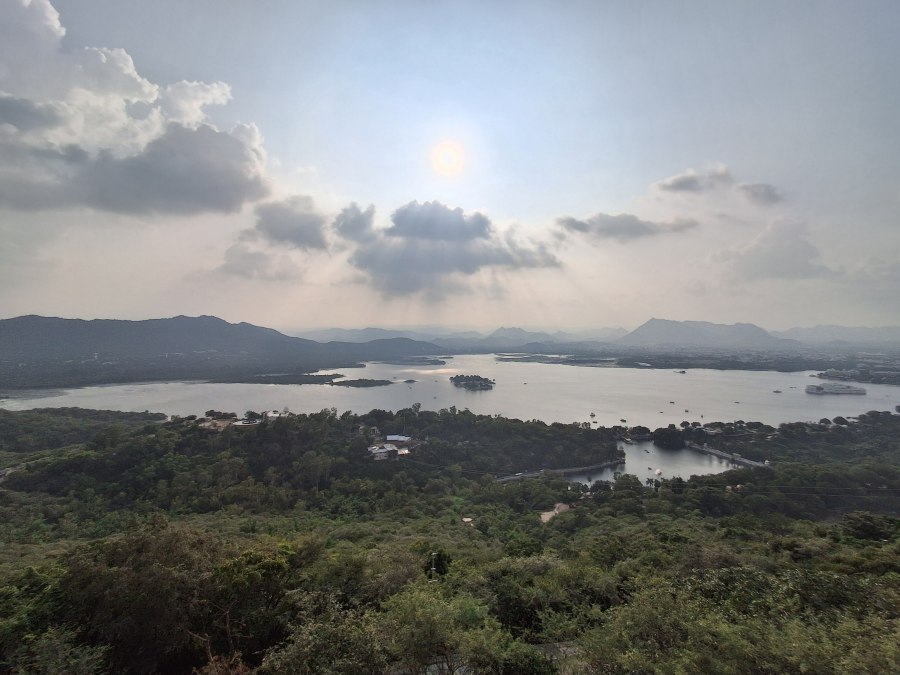
The trip from Ranchi to Udaipur started with a feeling of anticipation. At Delhi’s busy airport, we stopped to enjoy a good meal before catching my connecting flight. Arriving in Udaipur felt like entering a peaceful place after the hustle—the airport was calm and almost tranquil. After a brief drive, we checked into our hotel and began planning the next day’s activities. The plan was straightforward but exciting: a motorbike tour through Udaipur’s charm, exploring its winding streets and hidden spots waiting to be uncovered.

Vande Mataram: The Anthem Born from a Cricket Dispute

The Indian Premier League celebrates cricket, but its connection to patriotism is profound. Bankim Chandra Chattopadhyay's anthem "Vande Mataram" emerged from a heated cricket match in 1873, where he faced humiliation from Colonel Duffin. This incident sparked a legal battle symbolizing resistance against colonial rule. Ultimately, his powerful words united Indians in their fight for independence, reshaping the nation's historical narrative.