Jharkhand’s Adivasi Heritage: A Cultural Mosaic

The International Day of the World's Indigenous Peoples, observed on August 9, raises awareness about indigenous cultures, histories, and contributions. In India, 730 Scheduled Tribes make up approximately 8.6% of the population, with a rich tapestry of cultural diversity. The tribal communities in Jharkhand are known for their rich cultural heritage, facing challenges such as displacement and socio-economic issues, while making significant contributions to environmental conservation and history.

Warli in Transit: Ancient Lines, Timeless Stories, & a Journey Through Art

Airports evoke a unique introspection, marked by the transition between known and unknown. While waiting during a layover at Doha, the author reflects on a Warli art mural seen at Indira Gandhi Airport. This ancient art form, practiced by the Warli tribe, symbolizes ancestral memory and nature's sacredness. The mural serves as a cultural ambassador, reminding travelers of enduring stories and the traditions connecting them to India's heritage.

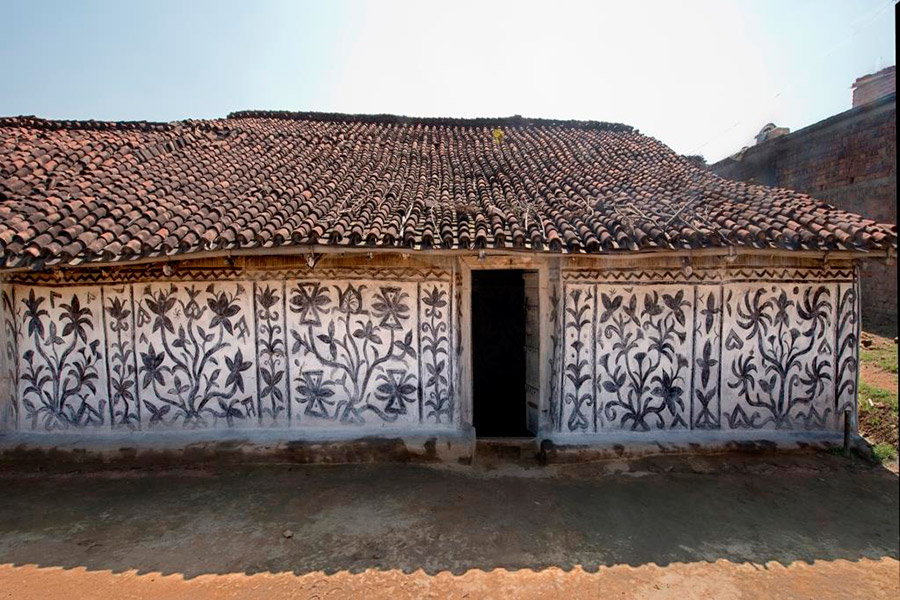
khovar wall painting

Khovar: Murals of Memory & Matriarchal Wisdom in Jharkhand

While traveling from Ranchi to Delhi, the author observed a replica Adivasi hut adorned with Sohrai and Khovar paintings at Birsa Munda airport. Khovar, a historical mural painting tradition originating from the Hazaribagh region of Jharkhand, India, is used to decorate wedding rooms and is considered to bring good fortune. This distinct art form, now recognised by a Geographical Indication tag, reflects matriarchal roots and a deep bond with nature, even adapting to changing times by being created on paper and cloth.

Sohrai: A Tribal Festival of Gratitude, Art, & Harmony in Jharkhand

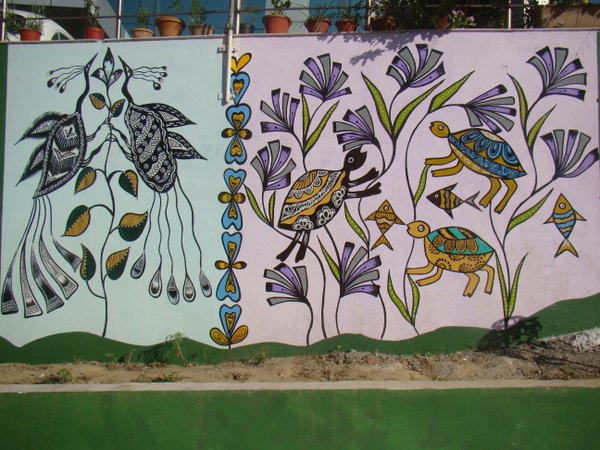
Sohrai, a prominent festival in Jharkhand, transcends a mere harvest celebration for tribal communities, embodying gratitude to nature, cattle, and ancestors, while strengthening cultural ties. It begins with rituals led by the village priest, followed by vibrant celebrations showcasing Sohrai paintings, depicting life and nature. Key elements include music, dance, and community bonding, emphasizing interconnectedness. Recent initiatives preserve this heritage, ensuring recognition for artists and highlighting a tradition that harmonizes with the environment.

Karma Puja: Nature, Dance, & Community in Jharkhand

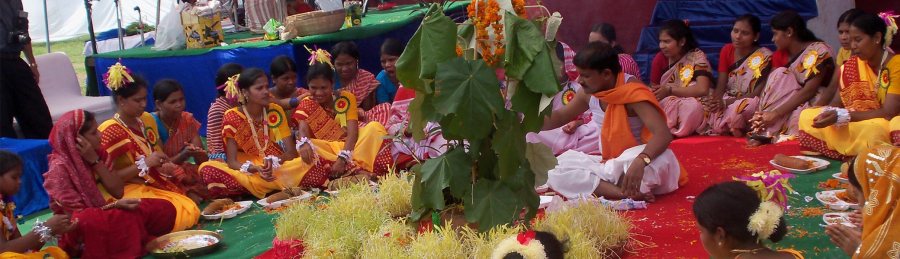
Karma Puja is a vibrant festival celebrated in Jharkhand, India, deeply rooted in indigenous tribal traditions. It is dedicated to the worship of the deity Karma, believed to be the protector of forests, fields, and crops. The festival involves various rituals, including tree worship, offerings, and the captivating Karma dance. It symbolizes gratitude towards nature and seeks blessings for prosperity and well-being. Karma Puja serves as a unifying force, fostering a sense of community and preserving the rich cultural heritage of the region.

Sarhul Festival: A Tribute to Nature & Tribal Heritage

The Sarhul festival in Jharkhand, celebrated primarily in April, honors nature and signifies the arrival of spring. Indigenous tribes, such as the Munda, Ho, and Oraon, engage in rituals centered around the sacred Sal tree, representing fertility and spirituality. The festivities include traditional music, vibrant dances, communal feasting, and ancient folklore, promoting cultural heritage and environmental consciousness while fostering community unity and gratitude toward Mother Nature.