Cha Dao: Embracing the Way of Tea

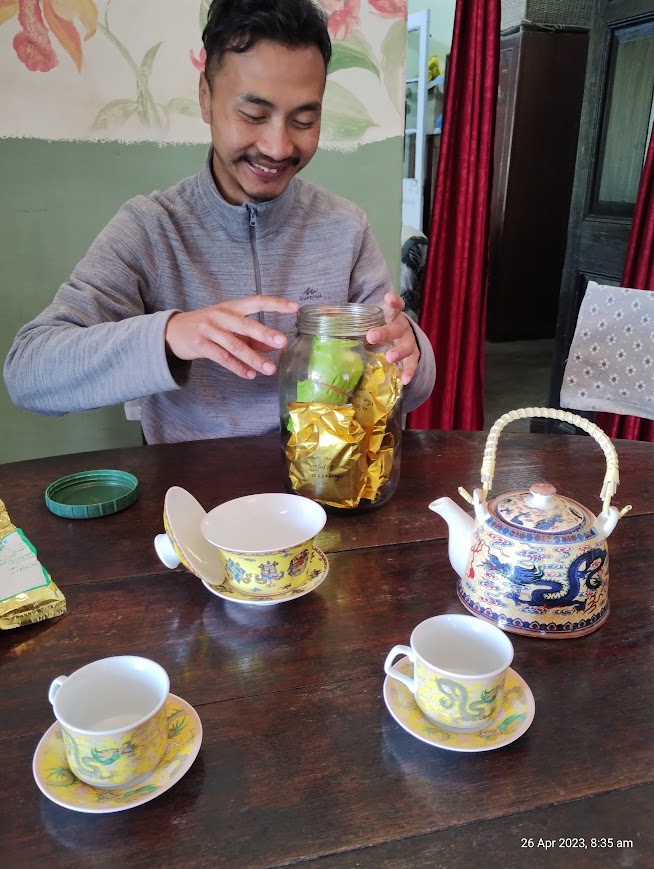
During a stay at Rose Villa Heritage Homestay in Takdah, we experienced the ancient art of Chinese tea brewing. Our host shared the profound ritual that transformed tea preparation into a meditative practice, emphasizing patience, mindfulness, and connection with nature. Through each step, we discovered that the ceremony reflected deeper life philosophies, revealing the beauty in simplicity and the significance of being present in each moment.
Ritual & Reverence: Unveiling the Prehistoric Goddess of Baghor

Hidden in the rugged hills of Sidhi, Madhya Pradesh, the prehistoric shrine of Baghor shelters a triangular stone believed to be over 11,000 years old—perhaps the earliest symbol of the Mother Goddess in India. Discovered by archaeologists in the 1970s, it continues to be worshipped today, bridging prehistory and faith in a timeless ode to the divine feminine.

Itu Puja: Celebration of Sun, Fertility, & Community

Itu Puja, or Itu Brata, is a cherished festival in Bengal, celebrated in the month of Agrahayan (November-December) in honor of Mitra, the ancient Vedic Sun God. It symbolizes gratitude to nature and community, emphasizing agricultural prosperity. The festival, deeply rooted in tradition, features women leading rituals, fasting, and singing. Personal memories of devotion highlight its significance, connecting past and present while fostering harmony with nature.

Bhangaram Devi Temple: Where Gods Face Trial & Redemption

The Bhangaram Devi temple and the Trial of Gods exemplify the Gond people's profound spiritual connection with their deities, showcasing a tradition where divine power is earned through reciprocal trust. This practice reflects the deep intertwining of faith, nature, and community, highlighting the resilience of tribal culture amid changing times and the importance of preserving traditions that emphasize the symbiotic relationship between humans and their environment.

Sacred Groves of Jharkhand: A Cultural Heritage

The sacred groves of Jharkhand, known as Sarna or Sarna sthal, are revered sites within Adivasi culture. These forested areas, rich with sal trees, embody the spiritual essence and ecological wisdom of the indigenous tribes. Sarnas serve as temple groves for various tribes, reflecting a blend of tribal and Hindu traditions. These groves are not only cultural and religious sites but also vital hubs of biodiversity, requiring preservation for future generations.

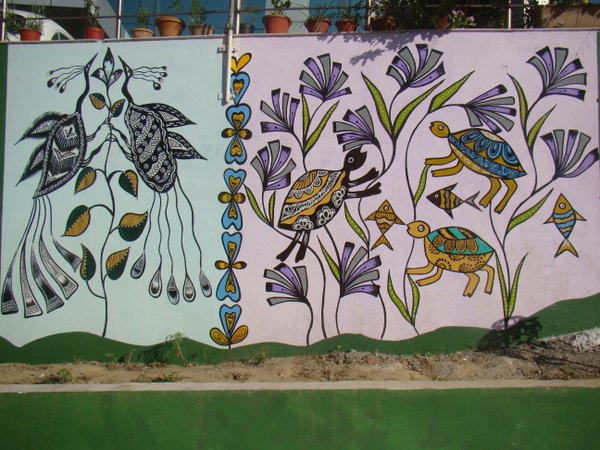
Sohrai: A Tribal Festival of Gratitude, Art, & Harmony in Jharkhand

Sohrai, a prominent festival in Jharkhand, transcends a mere harvest celebration for tribal communities, embodying gratitude to nature, cattle, and ancestors, while strengthening cultural ties. It begins with rituals led by the village priest, followed by vibrant celebrations showcasing Sohrai paintings, depicting life and nature. Key elements include music, dance, and community bonding, emphasizing interconnectedness. Recent initiatives preserve this heritage, ensuring recognition for artists and highlighting a tradition that harmonizes with the environment.

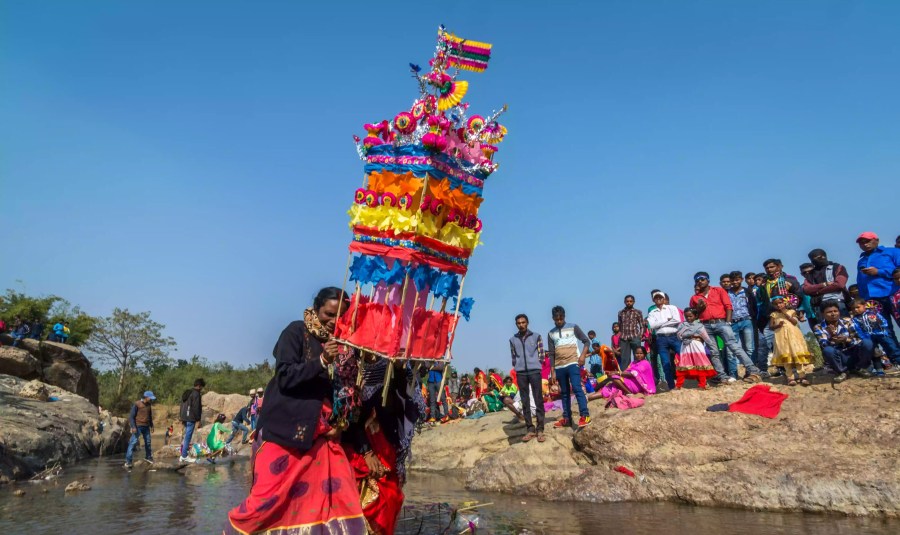
Karma Puja: Nature, Dance, & Community in Jharkhand

Karma Puja is a vibrant festival celebrated in Jharkhand, India, deeply rooted in indigenous tribal traditions. It is dedicated to the worship of the deity Karma, believed to be the protector of forests, fields, and crops. The festival involves various rituals, including tree worship, offerings, and the captivating Karma dance. It symbolizes gratitude towards nature and seeks blessings for prosperity and well-being. Karma Puja serves as a unifying force, fostering a sense of community and preserving the rich cultural heritage of the region.

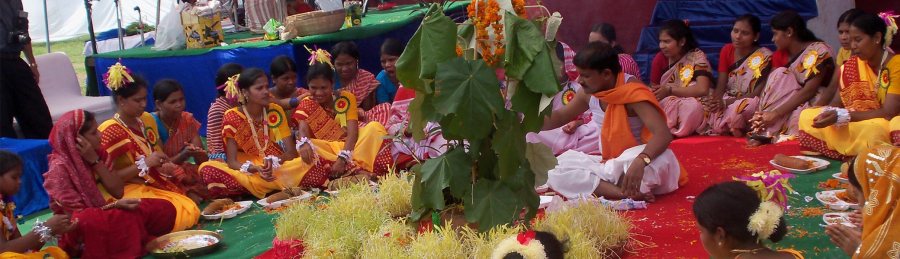
Sarhul Festival: A Tribute to Nature & Tribal Heritage

The Sarhul festival in Jharkhand, celebrated primarily in April, honors nature and signifies the arrival of spring. Indigenous tribes, such as the Munda, Ho, and Oraon, engage in rituals centered around the sacred Sal tree, representing fertility and spirituality. The festivities include traditional music, vibrant dances, communal feasting, and ancient folklore, promoting cultural heritage and environmental consciousness while fostering community unity and gratitude toward Mother Nature.