
Every stone in Chittorgarh carries memory, but some rise higher than others — literally and figuratively. As we walked deeper into the fort, towers touched the sky, kunds whispered of battles, and the specter of jauhar hovered heavy in the air.

Myths are set in a timeless, supernatural realm and involve gods, goddesses, and mythical creatures, explaining the origins of the world and its phenomena. Legends, however, are rooted in specific historical times and places, often featuring real or historical individuals but embellished over time. Myths typically revolve around supernatural events, while legends are based on historical facts but include fictional elements. Both myths and legends can manifest in various forms such as fairytales, folklore, and mythological stories, captivating audiences across generations.
Every stone in Chittorgarh carries memory, but some rise higher than others — literally and figuratively. As we walked deeper into the fort, towers touched the sky, kunds whispered of battles, and the specter of jauhar hovered heavy in the air.
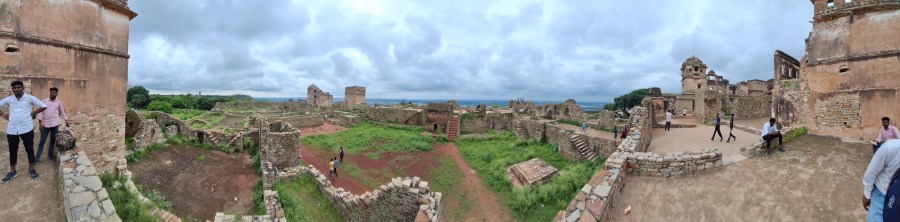
If Udaipur is the romantic heart of Mewar, Chittorgarh is its soul — fierce, tragic, unyielding. As we drove towards the fort that once stood as the largest in India, I felt as though we were approaching not just stone walls, but a living legend of Rajputana.

This guest post by Sibaram Das explores the historical significance of Balkh, the ancient kingdom of Bahlika, the elder brother of King Shantanu, who later became the king of Hastinapur. This leads to the city of Balkh, located near Afghanistan's Hindu Kush mountains. In modern-day Afghanistan, Balkh is rich in cultural heritage and is associated with figures like Zoroaster and Jalaluddin Rumi. The author shares his journey through its ruins, reflecting on its layered histories and how tangible connections to the past can enrich our understanding of ancient myths.

Bhishma is portrayed as a steadfast warrior embodying duty and sacrifice in the Mahabharata. His complex actions during the Kurukshetra war, including a vow to not kill the Pandavas and his subtle manipulation of Karna, were pivotal in shaping the conflict's outcome. Ultimately, Bhisma's revelation of his vulnerability and acceptance of defeat symbolize his quest for redemption, highlighting the true essence of sacrifice and moral integrity.
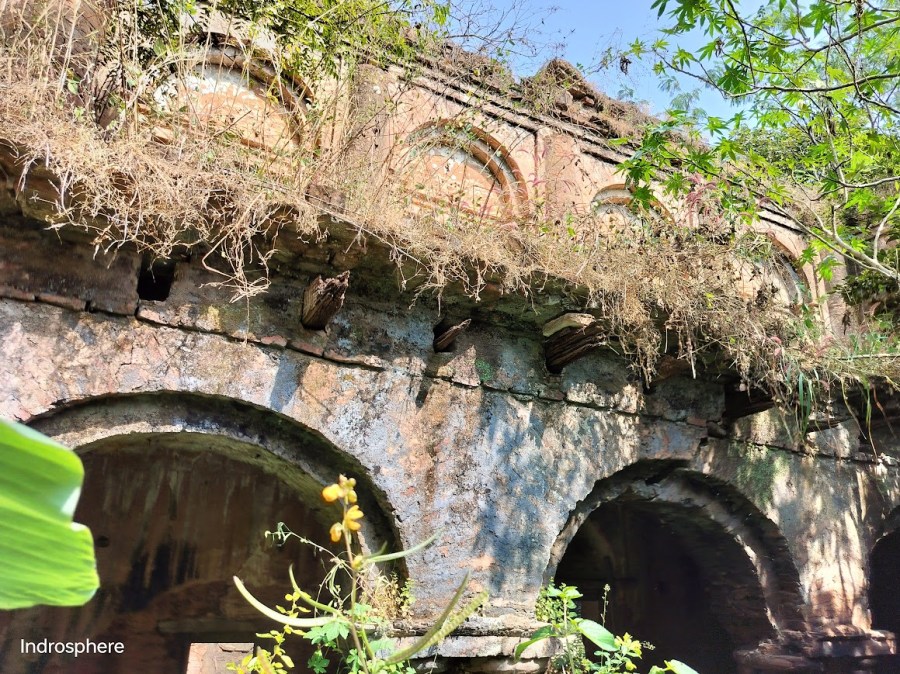
Pithoria village, near Ranchi, conceals the haunted Pithoria Fort, linked to King Jagatpal Singh’s betrayal during the 1857 uprising against British rule. His alliance with the British led to a curse from rebel leader Thakur Vishwanath Shahdeo, resulting in annual lightning strikes. The fort now stands decaying, symbolizing lost heritage and resistance.

Ranchi is alive with the Navratri festival, showcasing devotion to Goddess Durga, symbolizing the divine feminine's strength. The author reflects on Durga’s role as an invincible warrior and shares connections to ancient goddesses Inanna and Ishtar. These figures embody both nurturing and fierce protective qualities, emphasizing the universal archetype of feminine power. The festival celebrates this enduring spirit through vibrant rituals and collective energy.
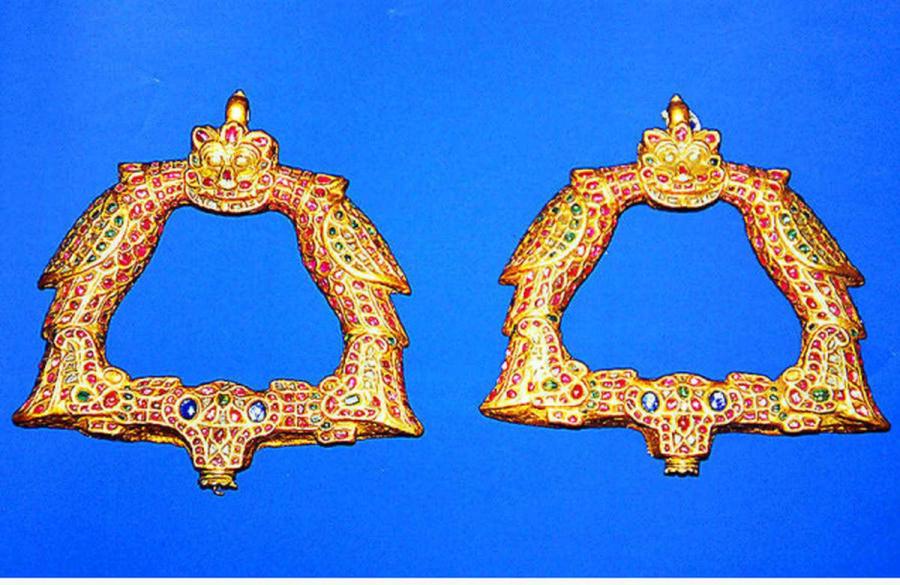
The vibrant streets of Madurai hold a tale of Rous Peter, the devoted Collector of the temple town in 1812. Despite being Christian, he respected the Hindu traditions of the land. A divine encounter with Goddess Meenakshi saved him from disaster, leading him to commission golden stirrups as a gift. Even in death, Peter's devotion endured, as he was laid to rest facing the Meenakshi Temple. Now, during the Chaitra Festival, the goddess is adorned with the sacred Paadhukams, symbolizing the enduring bond between man and the divine.

Hidden deep in Jharkhand’s forests, the Ugratara Temple is not a spectacle but a pause in time. Here, rituals wait for the Goddess’s consent, centuries-old manuscripts guide worship, and faith crosses religious boundaries. Visited in quiet stillness, Ugratara reveals how devotion, memory, and humanity continue to breathe together, long after the road bends away and the forest closes behind pilgrims.

I recently visited Patna Saheb Gurudwara, the birthplace of Guru Gobind Singh, and was deeply moved by the spiritual richness of Sikhism. The grandness of the entrance, the serenity inside the temple, and the community's commitment to service left me feeling renewed and inspired. The experience emphasized the power of faith and love.

Beer is not merely a drink but a distilled memory of civilisation itself. From Sumerian hymns and Egyptian wages to India’s ancient rice brews and modern craft taprooms, beer has flowed alongside human history—nourishing bodies, binding communities, and carrying stories across time, geography, and culture, one fermented sip at a time.
