The Gospel According to Excel: The Curious Transformation of Mr. Desai

Mr. Desai worshipped spreadsheets with evangelical zeal, marching into Monday meetings armed with a laser pointer and a bucket-sized coffee mug. But the day he drowned in his own dazzling graphs, he discovered a quiet truth: data without meaning is just noise. And so began his transformation—from frantic number-chaser to storyteller of the digital jungle.


Propaganda in the Digital Age: Old Tactics, New Platforms

Propaganda, defined as biased or misleading information employed to publicize a certain viewpoint, has transformed from being primarily used in times of war to becoming a prevalent issue in digital society today. It's frequently disseminated through news outlets, social media, and advertising, influencing thoughts and behaviors subtly and overtly. Modern propaganda techniques encompass memes and social media trends that engage public participation. To combat propaganda, it's crucial to foster critical thinking, fact-check information, promote media literacy, and consider diverse perspective, thereby creating a well-informed society.

Understanding the Paradox of Tolerance

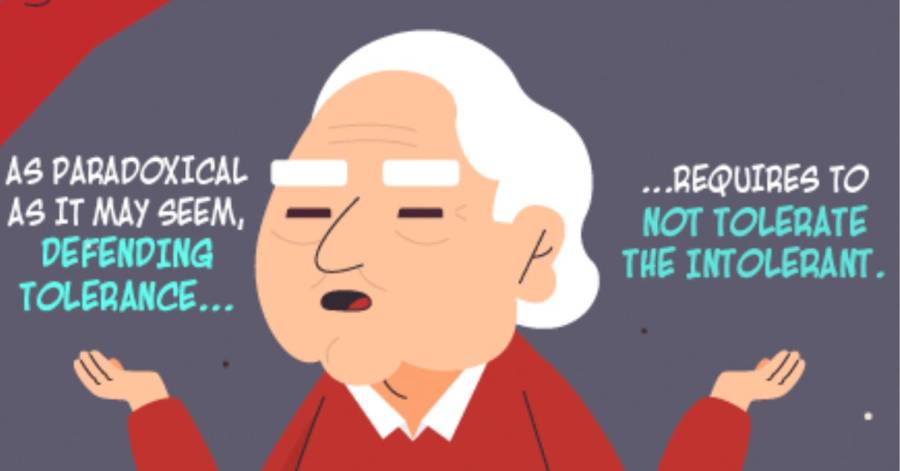
"The paradox of tolerance," a concept introduced by philosopher Karl Popper during WWII, suggests that extreme tolerance of intolerant ideas may subvert society's freedom and acceptance. While society values tolerance, it must also take measures to counteract intolerance to uphold its principles. This paradox poses pivotal questions about the boundary between free speech and harmful intolerance, and potential solutions include promoting education, critical dialogue, and implementing legal measures against hate speech and violence.

The Impact of Hate Speech on Democracy & Society

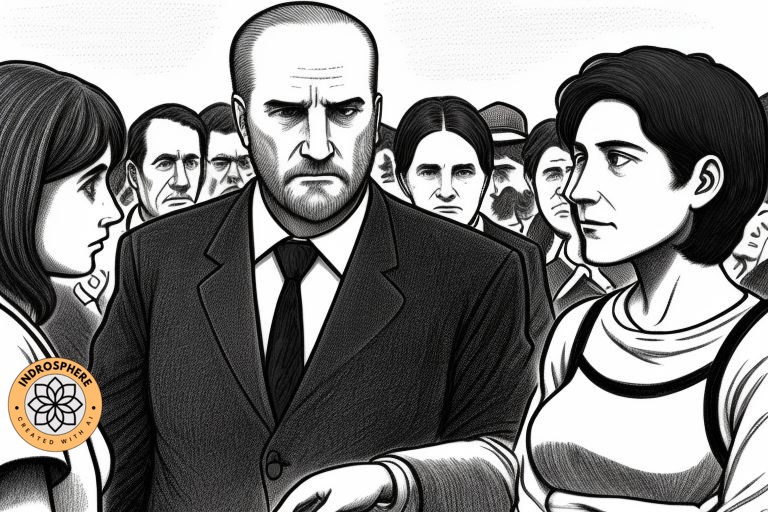
Freedom of speech is a fundamental right that is enshrined in many constitutions around the world. It is a cornerstone of democracy and allows individuals to express their opinions and ideas freely. However, this freedom is not absolute and comes with certain limitations. One such limitation is hate speech. Hate speech is not free speech. It is an abuse of free speech that has serious consequences for individuals and society. It is important for individuals and governments to recognize the harm that hate speech can cause and take steps to prevent it. By protecting the rights of all individuals and promoting tolerance and respect, we can build a more just and equitable society for all.

Rediscovering Patience in a Fast-Paced World

A thoughtful conversation among old friends highlighted concerns about the rise of impatience and instant gratification in modern society, particularly impacting younger generations. The shift towards immediate rewards has undermined the value of patience, affecting personal growth, relationships, and professional success. The group acknowledged the importance of reintroducing patience and resilience into daily life, emphasizing mindful practices that celebrate long-term achievements while recognizing the benefits of instant access. True progress combines speed with depth and purpose.

Memes: The New Age of Political Commentary

Humour is the foundation of a cartoon and it is its limitation. Attempts to rationalise humour in terms of today's utilitarian social structure probably explain why political cartooning, and the genre of cartooning as a whole is a dying art. In a fast-paced environment such as the internet, memes emerged as a one-dimensional satirical illustration; they don’t engage with the issue and, therefore, their moral message and practical impact are limited. 

Rituals: The Threads That Weave Our Lives Together

Rituals are essential elements of human existence, acting as powerful connectors to our identities, beliefs, and communities. Defined as sequences of meaningful actions, rituals serve functions like building a sense of belonging, expressing emotions, enhancing well-being, and promoting personal growth. They pervade daily life, adapted through time while remaining significant for both individuals and communities, ultimately enriching our experiences and fostering deeper connections.

Renaming Cities: Balancing History & Progress in India

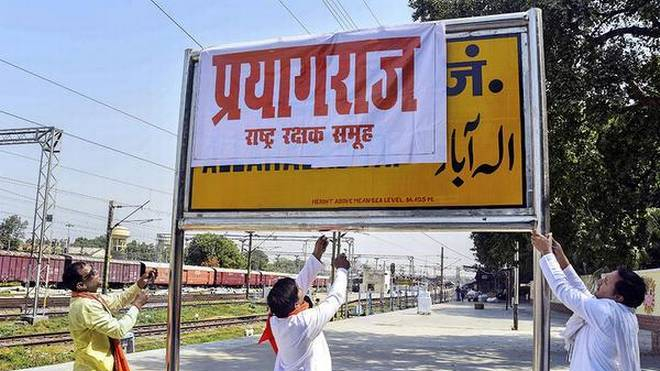
Cities around the world have been renamed for diverse reasons, from historical legacy to cultural significance. In India, post-independence name changes aimed to celebrate autonomy, but recent changes have sparked debate. Renaming cities should prioritize heritage and progress, rather than political agendas. It's crucial to address pressing issues instead of engaging in unproductive exercises.

Navigating the Maze of Global Climate Politics: A Game Theory Perspective

On June 1st, President Donald Trump announced the US withdrawal from the Paris climate agreement, igniting global outcry and reigniting discussions around global cooperation. The move, justified by potential economic losses, has drawn sharp criticism. The situation resembles the "Prisoner's Dilemma" from game theory, prompting a critical question: Can nations find a path back to cooperation despite the allure of short-term gains and the complexities of global politics?

Diwali Then and Now: A Journey Through Light, Memory, & Meaning

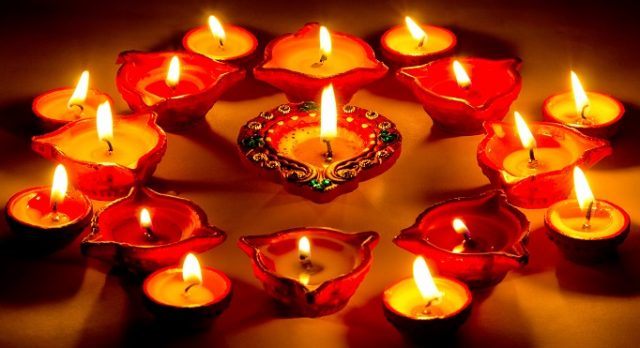
I reflect on nostalgic childhood memories of Diwali, contrasting the festival's communal joy and artisan importance with today's commercialization and digital greetings. While modern conveniences alter traditions, the author urges a return to meaningful connections, preserving the festival's intimate spirit through conscious efforts to maintain its richness amidst evolving societal changes.