Ancient Recipe: The Legacy of Curry from Farmana

Approximately 4,000 years ago, the earliest known curry was discovered in Haryana, India, revealing ancient culinary practices through archaeological findings. This dish, made from aubergine, ginger, and turmeric, showcases a rich heritage linked to India’s agricultural roots. The methods used by ancient cooks highlight the cultural significance of food, connecting us to past generations. Curry has evolved, yet its essence remains a timeless celebration of flavors.

Between Stones & Stars: A Journey to Pakri Barwadih’s Megalithic Marvels

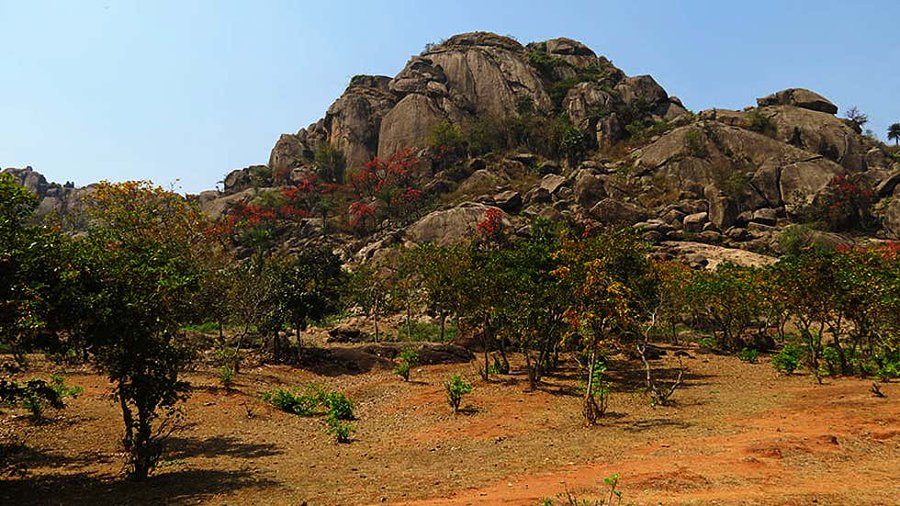
The Pakri Barwadih megalithic site in Jharkhand, India, reveals the advanced astronomical knowledge of ancient civilizations. Dating back over 3,000 years, these monumental stones were used as observatories and calendars, marking seasonal festivals. Despite its significance, the site faces threats from urbanization and neglect. Preservation efforts are crucial to maintain this cultural heritage, which offers insights into human history and wisdom. Protecting Pakri Barwadih ensures future generations can appreciate this archaeological treasure.

Echoes in Stone: A Journey to the Isko Caves of Jharkhand

The Isko Caves in Jharkhand, India, are a significant archeological site and a testament to the country's prehistoric art and culture. Situated in a forest, the caves contain rock paintings from the Meso-Chalcolithic period (9000-5000 BCE). Local tribes, upholding the tradition of rock painting, connect the present day to the past via rituals performed at these caves. These caves, discovered in 1991, require proper maintenance and protection to conserve this important heritage site.

Earth’s First Beaches: The Singhbhum Craton & the Dawn of Continents

A groundbreaking study led by Priyadarshi Chowdhury reveals that the Singhbhum region in Jharkhand, India, may have hosted Earth's first beaches around 3.2 billion years ago, much earlier than previous estimates of 2.5 billion years. This research, published in PNAS, challenges established theories of continental formation and highlights Singhbhum as a crucial geological landmark. The findings suggest a significant timeline shift in Earth's early evolution, impacting our understanding of the origins and development of life on the planet.

The Ahwar of Southern Iraq: A Historical & Ecological Marvel

The Ahwar of Southern Iraq, a UNESCO World Heritage site, encompasses the biblical Garden of Eden. Fed by the Tigris and Euphrates rivers, these marshlands support diverse wildlife and house the Marsh Arabs' millennia-old culture. The site includes ancient Sumerian cities and has faced environmental and political challenges. Efforts to restore the marshlands symbolize the harmonious coexistence of nature and human civilization, preserving a vital ecological and cultural treasure.