When Suddenly Everyone in China is Reading My Blog… Or Are They?

Since last month, the number of visitors to my blog has increased abruptly from 200–250 to more than 2,000 per day, with 80–85% originating from China. After reviewing Google Analytics, it appears that AI crawlers, rather than hackers, are responsible for the rise. Nevertheless, I can’t help but question—are any of these visitors genuine readers?

Bhangaram Devi Temple: Where Gods Face Trial & Redemption

The Bhangaram Devi temple and the Trial of Gods exemplify the Gond people's profound spiritual connection with their deities, showcasing a tradition where divine power is earned through reciprocal trust. This practice reflects the deep intertwining of faith, nature, and community, highlighting the resilience of tribal culture amid changing times and the importance of preserving traditions that emphasize the symbiotic relationship between humans and their environment.

Balancing Conservation & Humanity: Namibia’s Controversial Cull

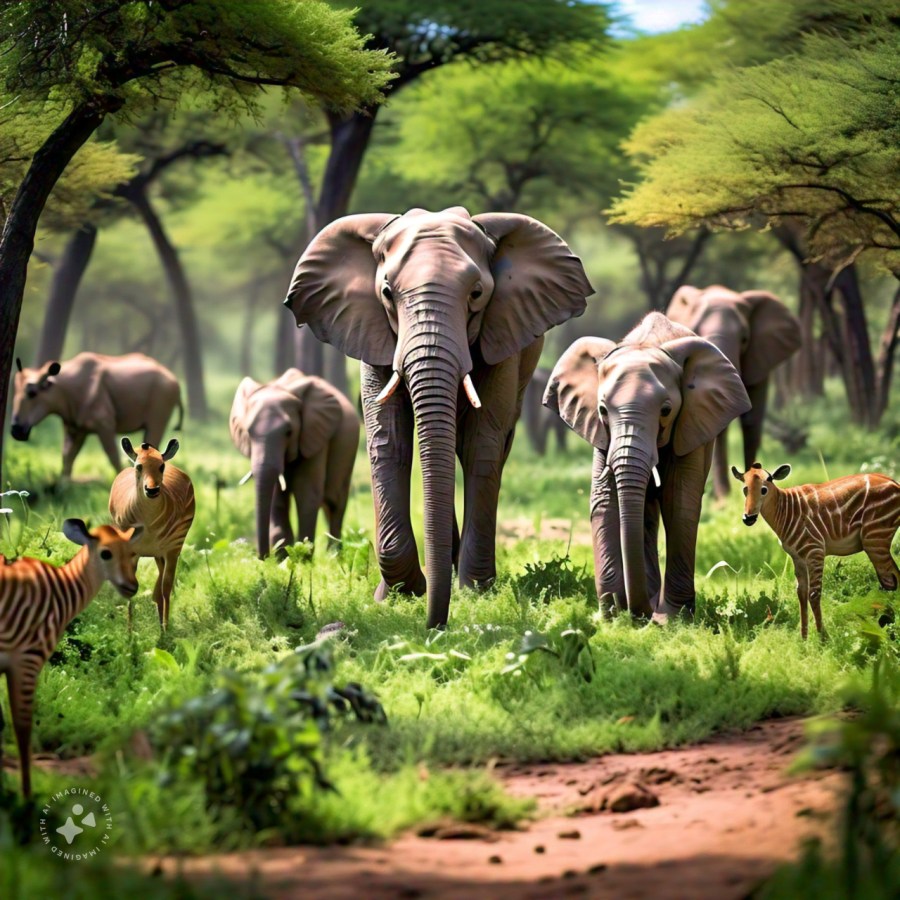
Namibia is facing its worst drought in a century, prompting the government to plan the culling of 723 wild animals, including 83 elephants, to alleviate a severe hunger crisis affecting nearly half of the country's population. This decision, driven by the need to provide food and reduce dangerous human-wildlife encounters, underscores the dire impact of climate change and the El Niño weather phenomenon on Southern Africa. As Namibia grapples with this environmental and humanitarian crisis, it highlights the urgent need for global action to address climate change and support vulnerable communities.

The Marvel of July’s Supermoon: A Celestial Spectacle

The July 2022 full Moon, known as the supermoon, was the largest and brightest of the year, appearing 14% larger and 30% brighter at its perigee. This celestial event holds cultural significance for various traditions, coinciding with Guru Purnima for Hindus, Buddhists, and Jains. Different cultures historically named the July full Moon based on seasonal activities. The supermoon serves as a reminder of the beauty and complexity of the cosmos and its cultural and historical significance.

Pandemic-Inspired Names: A Growing Trend

In an era of pandemic paranoia and unusual trends, parents are immortalizing the COVID-19 crisis through their children's names. From Sanitiser to Lockdown and even Corona and COVID, these unique names are a reminder of the challenging times. This tradition of naming after historical events is not new, but it certainly makes for interesting introductions and conversations in the future.

Baghdad’s Rare Snowfall: A Winter Wonder

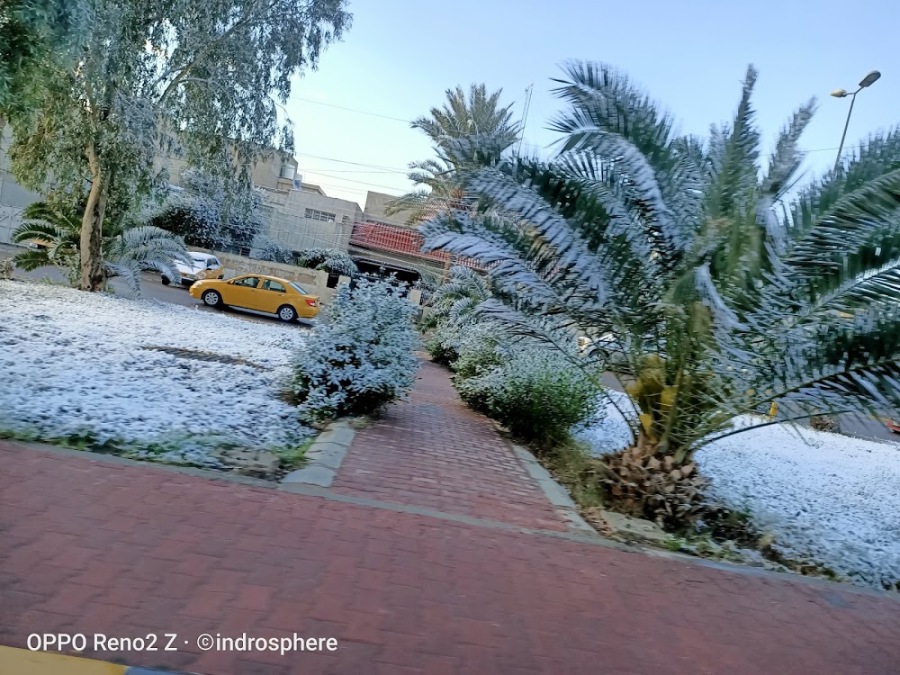
In Baghdad, a rare snowfall captivated residents, transforming the bustling city into a serene, white landscape. This extraordinary event, not witnessed for over a decade, sparked reflections on the city's historical anomalies in climate. As the Iraqi Meteorological Organization forecasted further temperature drops, Baghdad's resilience and unpredictability in nature became evident. Amid the snow's quiet beauty, the city's storied past and uncertain future left a lingering sense of mystery.

Om Ali — bread pudding of Arab world

Umm Ali: The Dessert Rich in History & Flavour

Umm Ali is more than just a recipe; it’s a legacy. It’s a dish that tells a story—one of ambition, power, and the complex dynamics of women in leadership. From its violent origins to its place at the table today, Umm Ali is a testament to the power of food to preserve history, culture, and the human experience. And as you savor each bite, you’re not just indulging in a dessert—you’re partaking in a centuries-old tradition, woven with stories of love, betrayal, and strength.

Chandrasekhar: He knew how the stars will die

Chandrasekhar became famous for his discoveries about the evolution of the stars. His work was vast, and he began early, developing his theory of stars’ evolution before he had even turned 20. Google is changing its logo globally to a doodle of him and the Chandrasekhar Limit. That refers to his calculation that once a star reaches 1.44 times the size of our own sun, it doesn’t form a white dwarf as expected but collapses, eventually becoming a black hole.