When History Whispers: The Story of a Clay Tablet From the Edge of an Empire

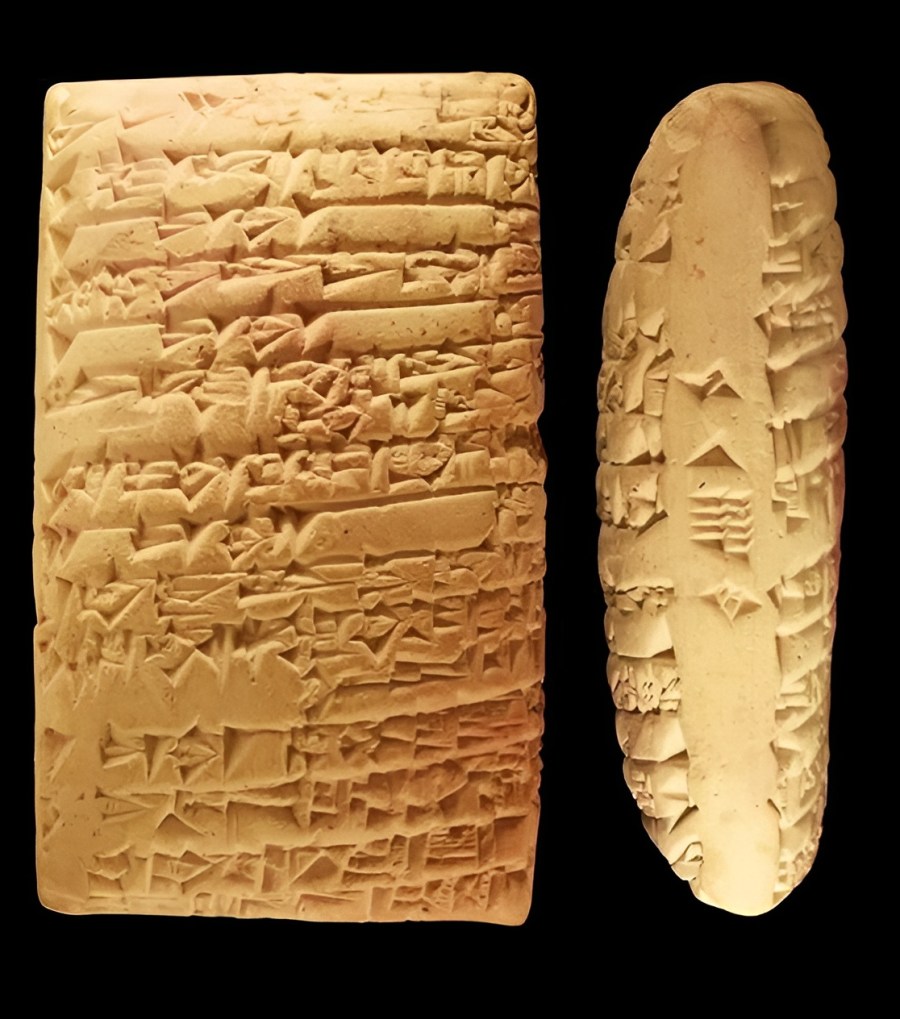
A modest clay tablet preserves a snapshot of life in the Ur III dynasty. It records messengers’ rations—soup, fish, and mutton—alongside their missions. From carrying royal offerings to capturing fugitive workers, these couriers kept the empire connected. Four millennia later, the tablet speaks across time, showing the ingenuity, discipline, and human heartbeat behind one of history’s earliest bureaucracies.
Balkh: A Kingdom Shrouded in the Dust of the Mahabharata

This guest post by Sibaram Das explores the historical significance of Balkh, the ancient kingdom of Bahlika, the elder brother of King Shantanu, who later became the king of Hastinapur. This leads to the city of Balkh, located near Afghanistan's Hindu Kush mountains. In modern-day Afghanistan, Balkh is rich in cultural heritage and is associated with figures like Zoroaster and Jalaluddin Rumi. The author shares his journey through its ruins, reflecting on its layered histories and how tangible connections to the past can enrich our understanding of ancient myths.

Ancient Recipe: The Legacy of Curry from Farmana

Approximately 4,000 years ago, the earliest known curry was discovered in Haryana, India, revealing ancient culinary practices through archaeological findings. This dish, made from aubergine, ginger, and turmeric, showcases a rich heritage linked to India’s agricultural roots. The methods used by ancient cooks highlight the cultural significance of food, connecting us to past generations. Curry has evolved, yet its essence remains a timeless celebration of flavors.

Ritual & Reverence: Unveiling the Prehistoric Goddess of Baghor

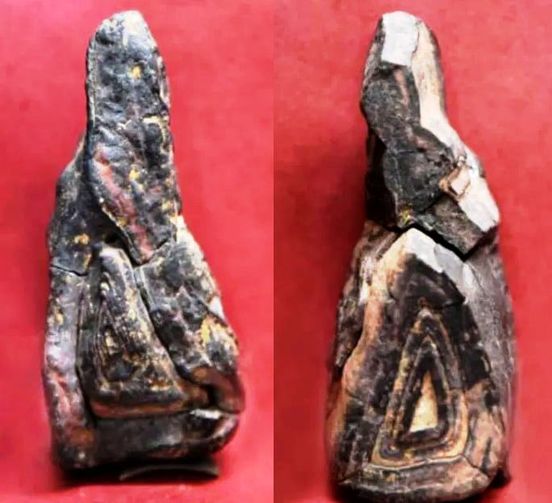
Hidden in the rugged hills of Sidhi, Madhya Pradesh, the prehistoric shrine of Baghor shelters a triangular stone believed to be over 11,000 years old—perhaps the earliest symbol of the Mother Goddess in India. Discovered by archaeologists in the 1970s, it continues to be worshipped today, bridging prehistory and faith in a timeless ode to the divine feminine.

The Mighty Gangaridai: Power & Influence in Ancient India

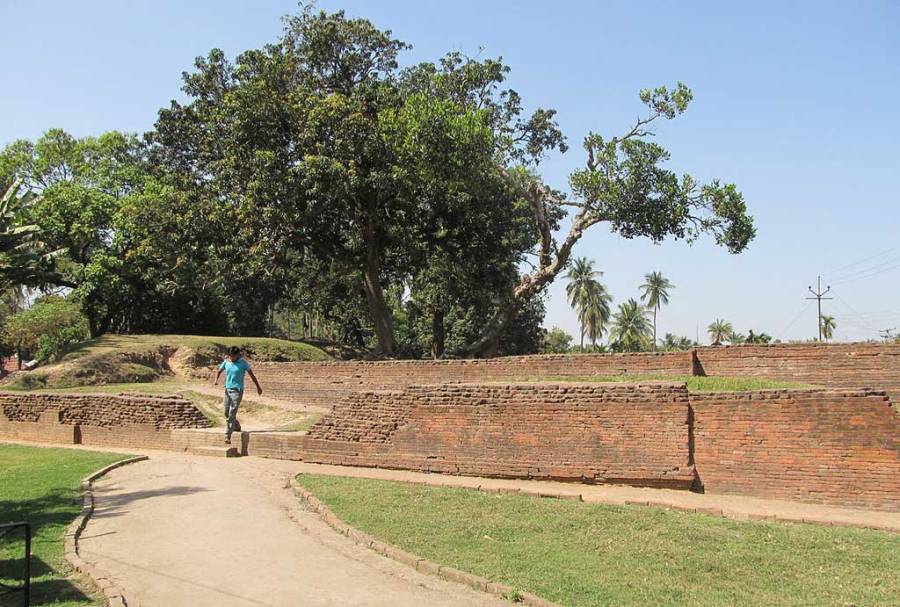
The ancient kingdom of Gangaridai, located near the Ganges and Brahmaputra rivers, captivated Greek and Roman civilizations with its military strength and naval prowess. Known for its formidable war elephants, it deterred conquerors, including Alexander the Great. Archaeological finds in Chandraketugarh reveal its sophisticated culture and vibrant trade networks, highlighting Gangaridai's significant yet often overlooked role in early Indian history and commerce.

Buddha’s Influence in Ancient Egypt: The Berenice Discovery

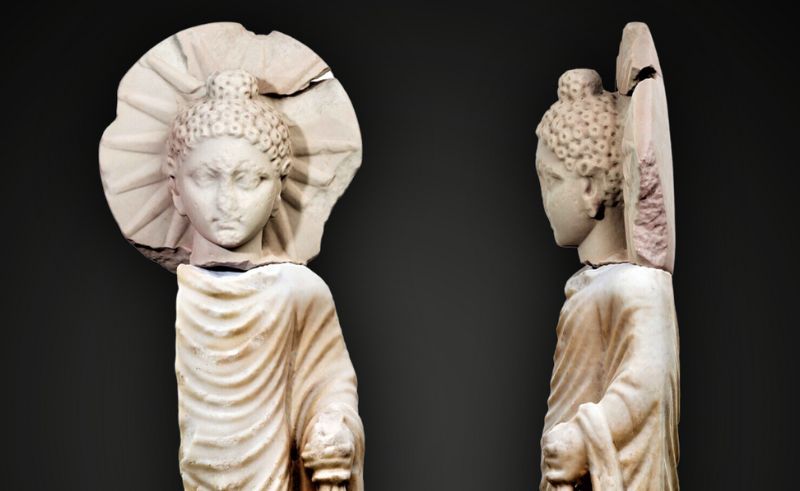
In ancient Egypt, the city of Berenice pivoted as a vibrant hub for diverse cultural exchange along the Silk Road. Archaeologists recently discovered a statue of Buddha from Roman Egypt in the Goddess Isis’ temple at Berenice, highlighting commercial and cultural ties with India. The city, a melting pot of Greek, Roman, and Egyptian civilizations, grappled with Buddhist philosophy along with goods transported from India, creating a unique blend of spirituality and culture before fading into obscurity.