Saraswati: The Goddess of Knowledge & Creativity

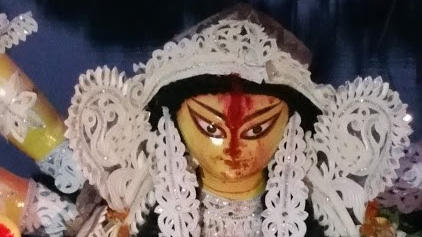
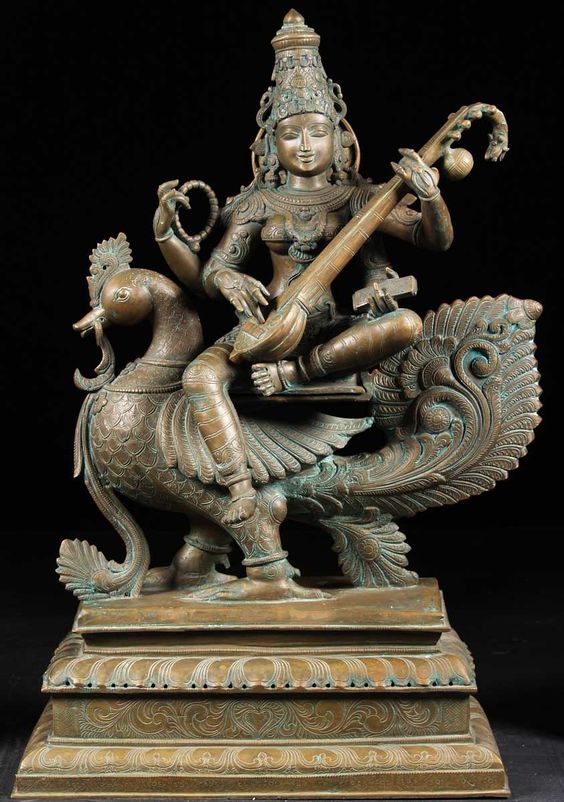
Saraswati (also Sarasvati) is the Hindu goddess of learning, wisdom, music, and aesthetics. She is also known as Bharati (eloquence), Shatarupa (existence), Vedamata (‘mother of the Vedas’), Brahmi, Sarada, Vagisvari, and Putkari. Saraswati, the goddess of knowledge and arts, represents the free flow of wisdom and consciousness. Saraswati represents vak or the divine word, but the same inspiration she reflects extends to all Hindu goddesses as arising from chit-shakti, the power of consciousness.
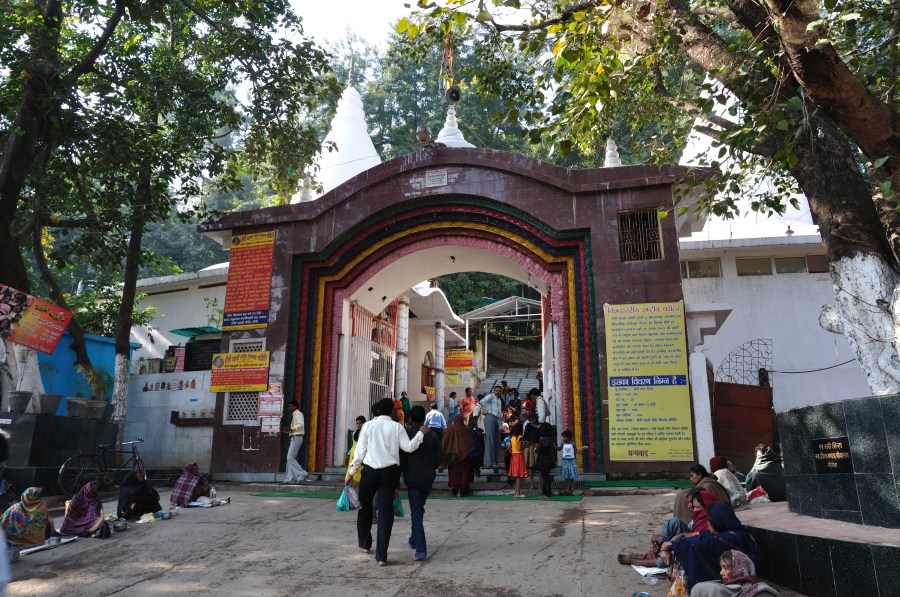
Pahari Mandir, Ranchi: Where Faith Meets Freedom

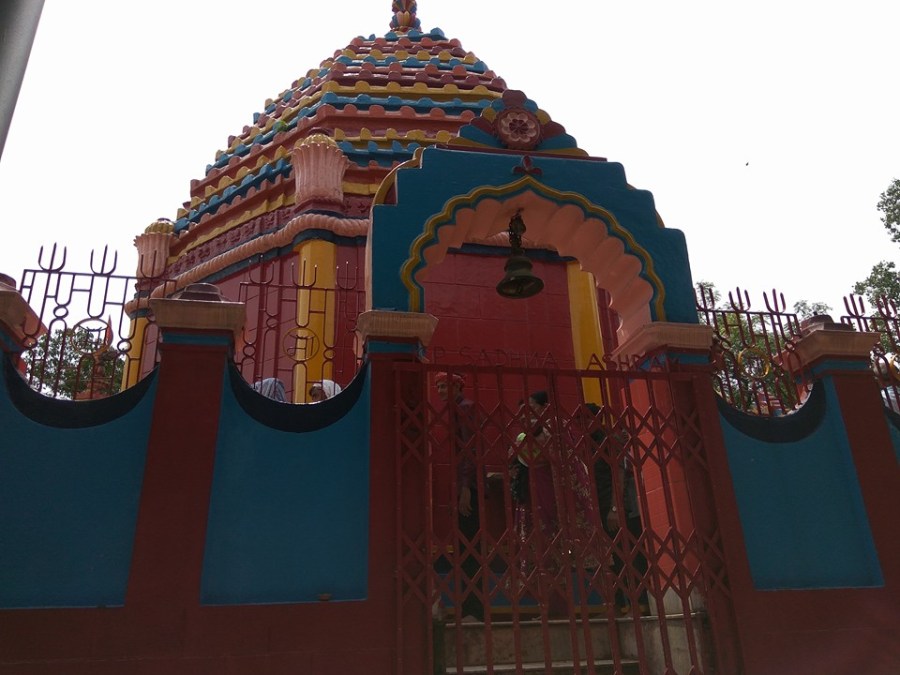
The temple of Lord Shiva is situated in the heart of the city on a hill called Pahari Mandir. The 2,140 feet Ranchi hill houses the temple at its summit. Ranchi hill was earlier being known as Phansi Tongri (Hanging Hill) and it was the place where freedom fighters were hanged to death. It’s said that more than 250 freedom fighters were hanged here from the trees by the British rulers. Pahari Mandir holds the distinction of being the only temple in the country to continue with the tradition of hoisting the national flag every Independence Day ever since the first Tricolour was unfurled here in the intervening night of August 14 and 15, 1947.

Chhath Puja: The Sun, the River, & the Quiet Democracy of Devotion

There are festivals that celebrate with noise, and then there is Chhath Puja, which celebrates with silence. No firecrackers, no idols—just the river, the sun, and the surrender of the self. If Diwali dazzles with light, Chhath moves in shadows: women standing waist-deep in water, men bearing baskets of fruits and sugarcane, and a faith that asks for nothing but gratitude. It is a festival without priests, without hierarchy, where the setting and rising sun receive equal reverence. In a world obsessed with spectacle, Chhath whispers its truth—that sometimes the deepest devotion lies not in asking, but in simply saying, thank you.

Shubho Bijoya: Bidding Adieu to Goddess Durga

Durga Puja is a central festival for Bengalis, culminating in the immersion of Goddess Durga's idol on Dashami. What follows, Bijoya, is a significant celebration marking the victory of good over evil, infused with a sense of melancholy due to Durga's departure. During Bijoya, meals, greetings, and "kolakulis"(embraces symbolizing warmth and unity) are shared. Though the festivities span nearly a month, modern practices often condense it to one day. Bijoya reaffirms positivity, unity, and joy in the community.

Annakoot: A Feast for the Divine & the Devotees

Every year, after Diwali, the Gaudiya Math in Prayagraj celebrates Annakoot, or the “Mountain of Food,” on October 24. This tradition, originating from a childhood episode of Lord Krishna, honors his protection of the cowherd community from Indra's fury. Devotees prepare Chhappan Bhog, a feast of fifty-six offerings, which is presented to Krishna. Annakoot embodies gratitude, community spirit, and divine connection, celebrating abundance and harmony.

My Navratri Pilgrimage: Chhinnamasta Temple

The Chhinnamasta Temple, located in Rajrappa, Jharkhand, stands as a revered pilgrimage site dedicated to Goddess Chhinnamasta, an embodiment of power, courage, and wisdom. It captivates devotees with its unique architecture and tranquil, scenic location. Famous for its annual Rajrappa Mela during Navaratri, the temple also appeals to tourists with its historical and religious significance, waterfalls, and surrounding greenery. The temple is noted for its tantric connections, similar to renowned sites like Kamakhya Temple in Assam.

Soul-Stirring Pilgrimage to Somnath Dham: Abode of Lord Shiva

Our pilgrimage to Somnath Dham was a transformative experience blending history, spirituality, and serendipity. We eagerly visited the revered Somnath Temple, absorbing its rich legends and significance. An unexpected stop in Chorwad heightened our journey by tracing the birthplace of Dhirubhai Ambani. As we reflected post-aarti, the divine aura and resilience of the site resonated deeply, leaving us spiritually rejuvenated and profoundly grateful.

Discovering the Magic of Madhavpur

There is a serene beach at Madhavpur on the road to Somnath from Dwarka. It lies on the seashore, close to Porbandar. Madhavpur isn’t much well-known. However it is a very important pilgrimage for Hindu Vaishnavas. ccording to folklore, Lord Krishna kidnapped princess Rukmini (Rukmini haran) and eloped with her to prevent an unwanted marriage at her request and saved her from evil Shishupala. Lord Krishna married princess Rukmini at this village while returning to Dwaraka. She is the first and the most prominent queen of Krishna.

Spiritual Journey to Shirdi: A Pilgrimage Experience

Embarking on a pilgrimage to the revered Shirdi Sai Baba Temple in Maharashtra was an immensely spiritual experience. The teachings of Sai Baba, emphasizing faith and compassion, left a lasting impression. The tranquil temple complex, filled with devout pilgrims from diverse backgrounds, offered a profound sense of peace. This journey was a reminder of the enduring power of faith and devotion, and a return is eagerly anticipated.