The Coffee Conquest: How Nestlé Brewed a Cultural Revolution in Japan

During the 1970s in Japan, tea was the leading beverage, while coffee struggled to gain acceptance, despite Nestlé's strong marketing efforts. To address this challenge, Nestlé brought on psychoanalyst Clotaire Rapaille, who proposed focusing on children to create a positive link to coffee. The company introduced coffee-flavoured snacks, gradually introducing a generation to the drink. By the 1980s, this approach turned coffee into a cultural mainstay and contributed to Nestlé's success in Japan.


When the Ant Stopped Singing: A Corporate Parable for Our Times

In a company run by a lion, a hardworking ant thrived until a cockroach was appointed as its supervisor, bringing in unnecessary bureaucracy. Although there were initial gains, the ant soon felt overwhelmed and became less productive. Eventually, an owl consultant suggested downsizing, resulting in the ant's termination. This story illustrates how excessive management, and red tape can hinder productivity and negatively impact even the most capable employees.

Mahakumbh: Where Faith, Culture, & Commerce Collide

The Mahakumbh, the largest spiritual gathering, unites over 450 million participants for a month and a half of celebration, merging faith and commerce. It presents brands with opportunities to foster trust through innovative, purpose-driven marketing instead of conventional advertising. Successful campaigns have resonated with attendees by addressing their needs, such as hygiene and environmental sustainability. Effective strategies enhance the pilgrim experience while respecting the sacred nature of the event. As Mahakumbh evolves, balancing commercial interests with spirituality is crucial for brands aiming to connect authentically with participants, emphasizing health, eco-consciousness, and community support as essentials for meaningful engagement.

The Rise and Fall of Kodak: Lessons in Innovation

Kodak started as a camera manufacturer, enjoying immense success in film sales until it declined in the digital era. Despite inventing the first handheld digital camera, Kodak executives resisted change, fearing loss of profits from their film business. This complacency and internal resistance led to their bankruptcy in 2012. Kodak's downfall highlights crucial lessons about innovation, adaptation, and the dangers of clinging to past successes.

Safeguarding Your Digital World: Embracing World Backup Day

In today's digital age, our lives are intricately woven into the digital fabric, with memories and essential information stored on devices. World Backup Day, observed annually on March 31st, serves as a reminder to protect our digital assets. Data loss can be devastating, so implementing a robust backup strategy is crucial. Evaluation of current backup methods and automation of regular backups are key steps. By embracing proactive backup practices, individuals and organizations can empower themselves with digital resilience, ensuring the safety and accessibility of their digital lives.

Embracing Change: India’s New National Education Policy & Thinking Outside the Box

The Indian Union Cabinet approved the National Education Policy (NEP) on August 5, 2020, aiming to revolutionize education with a focus on critical thinking and creativity. The NEP encourages unconventional problem-solving methods, exemplified by a student's response to a physics exam question. This policy aims to foster innovation, multidisciplinary learning, and flexibility, preparing students for the challenges of a rapidly changing world.

Social Bubble: Welcome Development or Social Nightmare?

Countries grappling with COVID-19 lockdown measures are considering the concept of "social bubbles," where citizens select a small group to interact with on a regular basis. New Zealand, Scotland, and Belgium are implementing or considering the idea, but its effectiveness and feasibility in densely populated nations remains controversial. The system depends on trust, potentially complicating personal relationships, and experts restress the importance of careful implementation to prevent virus resurgence.

Procrastination & Productivity: The Surprising Connection

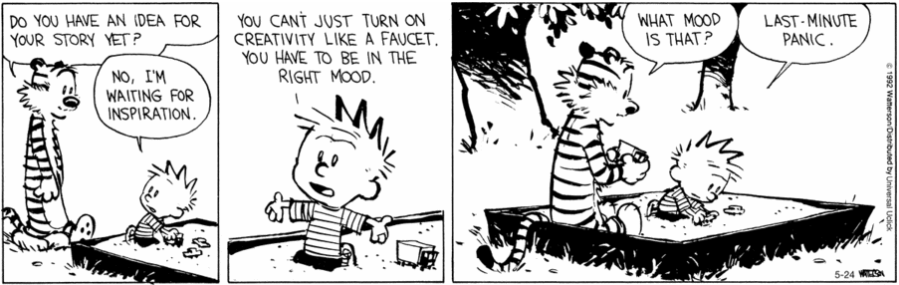
Procrastination is often viewed as a hindrance to productivity, but it may actually enhance creativity. Research shows that letting tasks simmer in the background can lead to innovative ideas, as demonstrated by historical figures like Mozart and organizations studied by Adam Grant. By adopting "structured procrastination," individuals can prioritize smaller tasks while allowing their minds to generate new solutions. This approach suggests that taking breaks can foster creativity, resulting in unexpected brilliance when returning to work.

Navigating Life: Principles vs. Rules

Principles and rules, while sometimes perceived as interchangeable, are distinctly different. Principles are broad, fundamental truths guiding our actions and internal motivations, subject to interpretation, and applicable in a variety of situations. Conversely, rules are specific directives created by authority figures, often to enforce principles. They provide structure and consistency, but can limit flexibility and creativity. Both play vital roles in our lives: principles inform ethical decisions, and rules provide daily structure and order. However, a balance between the two, encouraging compliance without hindering judgment, is essential for effective decision-making.

Why Do We Make Bad Decisions?

Our decision-making abilities are often compromised by cognitive bias, errors in memory, miscalculation, or social attribution. The impact of cognitive bias can be both positive and negative. For instance, the placebo effect plays a significant role in medical treatment development. Furthermore, recent research shows that false memories can be created via persuasion, potentially assisting in trauma treatment.