Ritual & Reverence: Unveiling the Prehistoric Goddess of Baghor

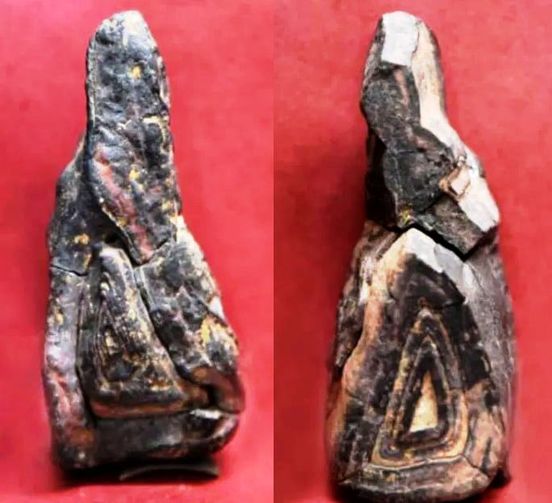
Hidden in the rugged hills of Sidhi, Madhya Pradesh, the prehistoric shrine of Baghor shelters a triangular stone believed to be over 11,000 years old—perhaps the earliest symbol of the Mother Goddess in India. Discovered by archaeologists in the 1970s, it continues to be worshipped today, bridging prehistory and faith in a timeless ode to the divine feminine.

Bhangaram Devi Temple: Where Gods Face Trial & Redemption

The Bhangaram Devi temple and the Trial of Gods exemplify the Gond people's profound spiritual connection with their deities, showcasing a tradition where divine power is earned through reciprocal trust. This practice reflects the deep intertwining of faith, nature, and community, highlighting the resilience of tribal culture amid changing times and the importance of preserving traditions that emphasize the symbiotic relationship between humans and their environment.

Jharkhand’s Adivasi Heritage: A Cultural Mosaic

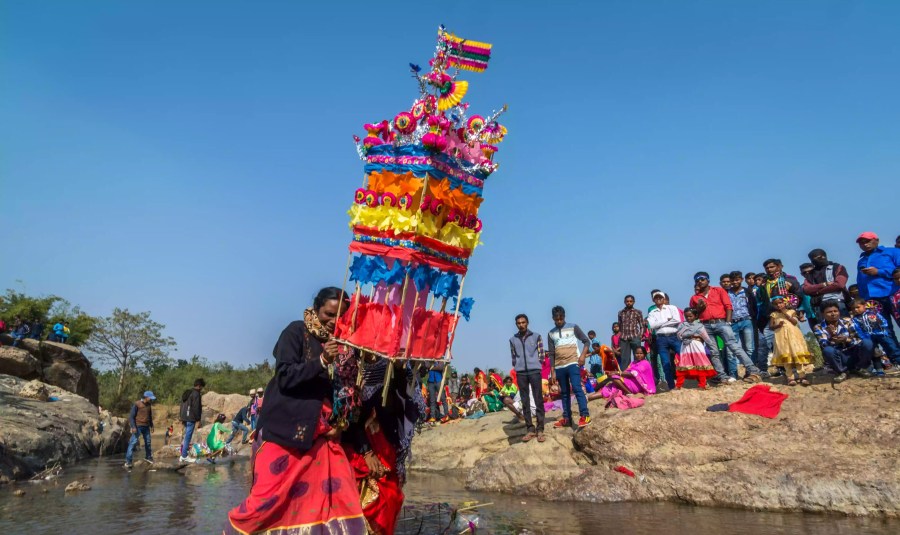
The International Day of the World's Indigenous Peoples, observed on August 9, raises awareness about indigenous cultures, histories, and contributions. In India, 730 Scheduled Tribes make up approximately 8.6% of the population, with a rich tapestry of cultural diversity. The tribal communities in Jharkhand are known for their rich cultural heritage, facing challenges such as displacement and socio-economic issues, while making significant contributions to environmental conservation and history.

Warli in Transit: Ancient Lines, Timeless Stories, & a Journey Through Art

Airports evoke a unique introspection, marked by the transition between known and unknown. While waiting during a layover at Doha, the author reflects on a Warli art mural seen at Indira Gandhi Airport. This ancient art form, practiced by the Warli tribe, symbolizes ancestral memory and nature's sacredness. The mural serves as a cultural ambassador, reminding travelers of enduring stories and the traditions connecting them to India's heritage.

Sacred Groves of Jharkhand: A Cultural Heritage

The sacred groves of Jharkhand, known as Sarna or Sarna sthal, are revered sites within Adivasi culture. These forested areas, rich with sal trees, embody the spiritual essence and ecological wisdom of the indigenous tribes. Sarnas serve as temple groves for various tribes, reflecting a blend of tribal and Hindu traditions. These groves are not only cultural and religious sites but also vital hubs of biodiversity, requiring preservation for future generations.

Ajam Emba: Reviving Oraon Culinary Traditions

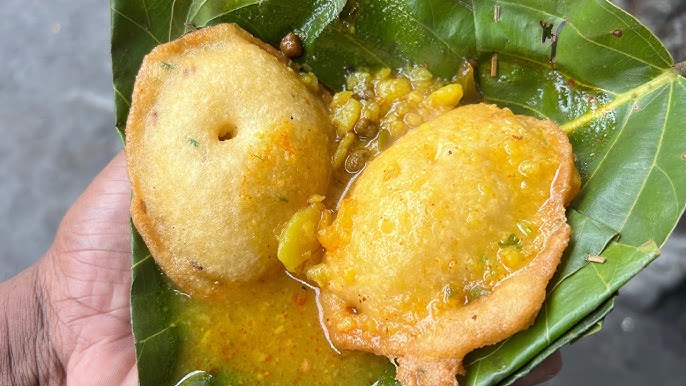
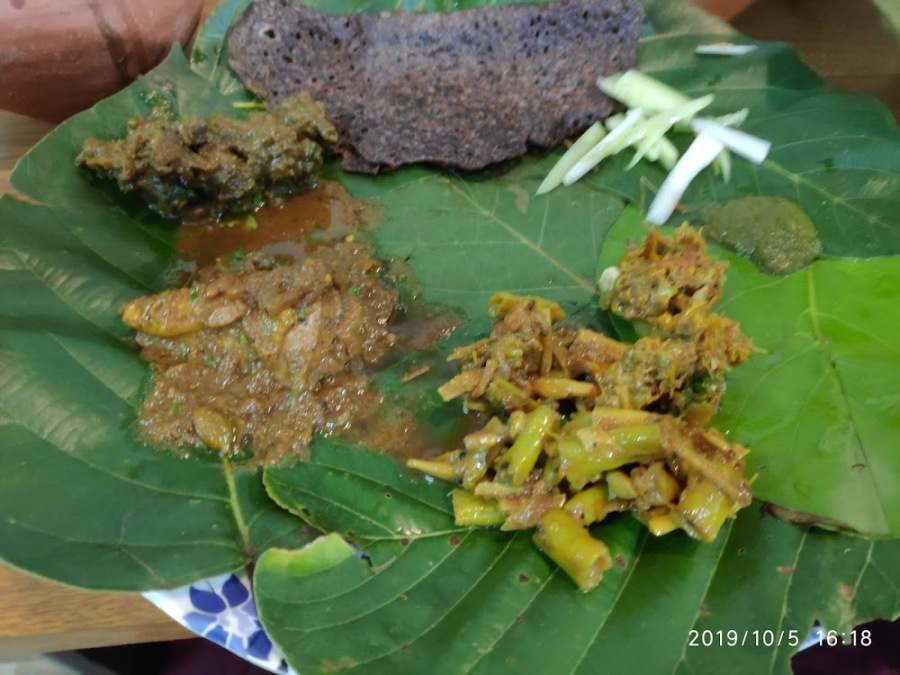
In Ranchi during Durga Puja, the anticipation of a tribal food lunch led me to Ajam Emba, an eatery celebrating Jharkhand's indigenous culinary heritage. Founded by Aruna Tirkey, the restaurant aims to revive tribal food traditions while empowering local communities. The experience combines rustic charm with traditional cooking methods and locally sourced ingredients, resulting in dishes rich in flavor and cultural significance, making it a must-visit destination.

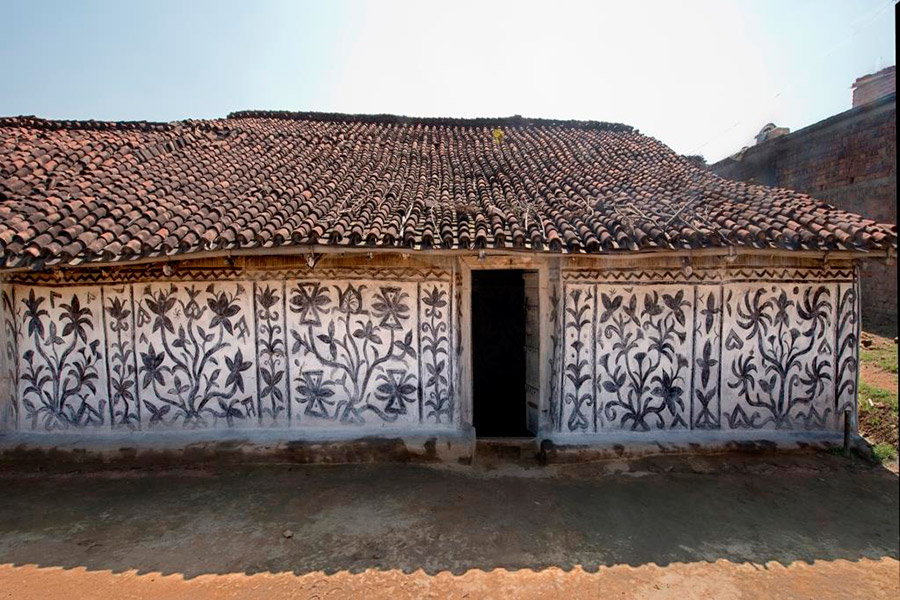
khovar wall painting

Khovar: Murals of Memory & Matriarchal Wisdom in Jharkhand

While traveling from Ranchi to Delhi, the author observed a replica Adivasi hut adorned with Sohrai and Khovar paintings at Birsa Munda airport. Khovar, a historical mural painting tradition originating from the Hazaribagh region of Jharkhand, India, is used to decorate wedding rooms and is considered to bring good fortune. This distinct art form, now recognised by a Geographical Indication tag, reflects matriarchal roots and a deep bond with nature, even adapting to changing times by being created on paper and cloth.