

Lebanon, a land where history, culture, and spirituality intertwine, is home to one of its most iconic landmarks—Our Lady of Lebanon, or Notre Dame du Liban. Perched high above the Mediterranean in the town of Harissa, this towering Marian shrine is more than just a place of worship; it is a symbol of faith, unity, and resilience that has stood the test of time. My visit to this sacred site was a journey through Lebanon’s religious heritage, and breathtaking landscapes, and a testament to the country’s deep devotion to the Virgin Mary.
A Vision of Faith: The History of Our Lady of Lebanon
In the late 19th century, Lebanon was a land of political and social upheaval. The Maronite Christians, who had long held a deep reverence for the Virgin Mary, sought a symbol of their faith and unity. Under the guidance of Patriarch Elias Hoyek, the idea of a grand Marian shrine took shape. In 1908, the magnificent statue of Our Lady of Lebanon was inaugurated, marking the 50th anniversary of Pope Pius IX’s declaration of the Immaculate Conception.
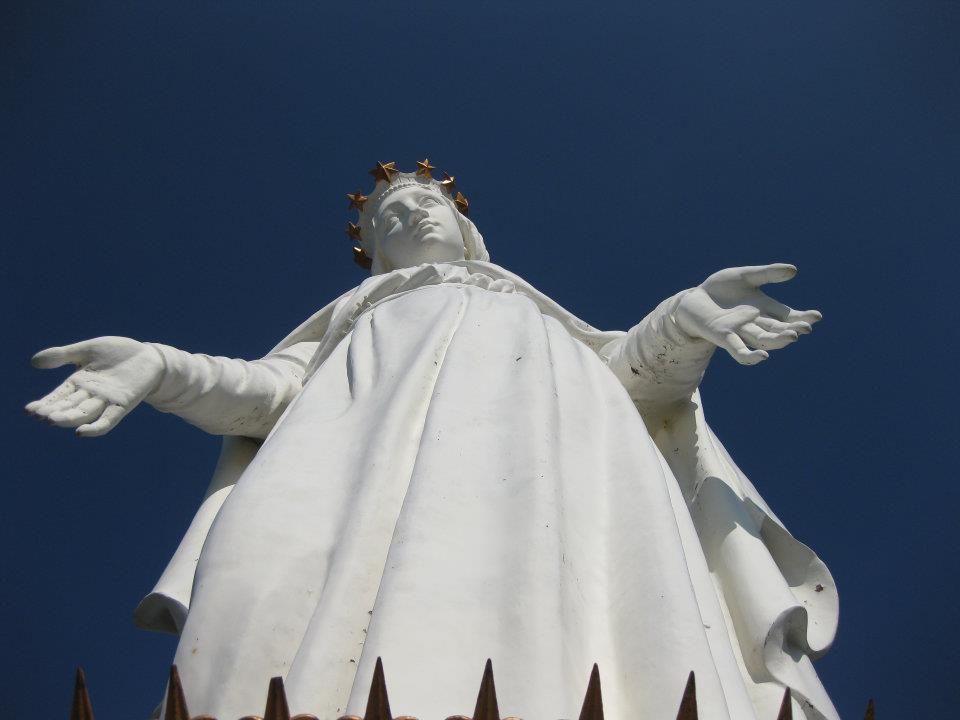
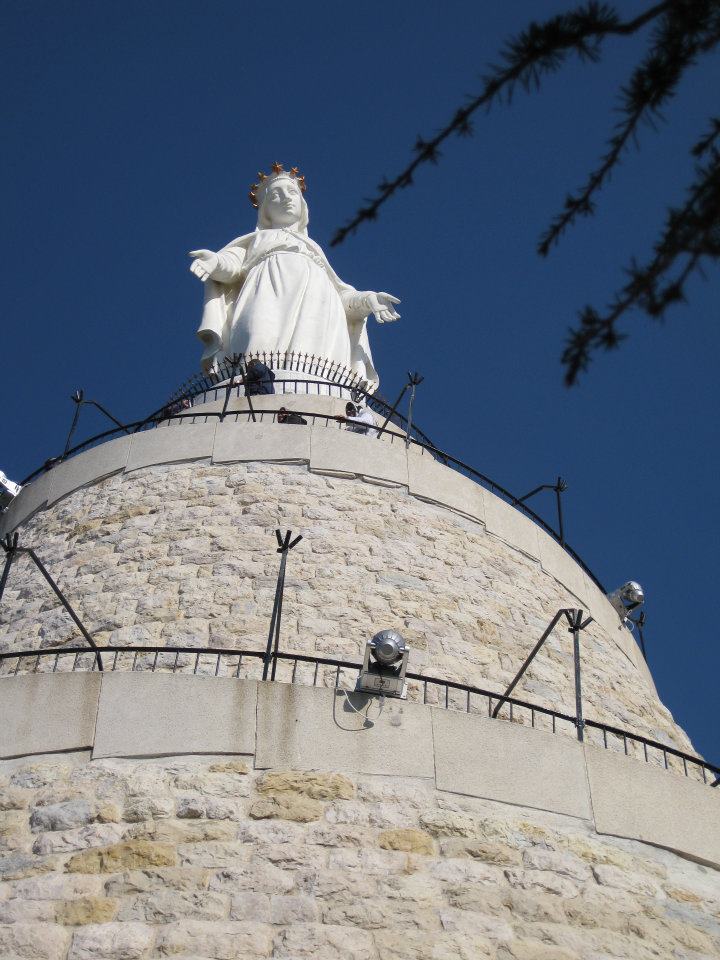
The statue, designed by French sculptor Charles-Henri Léonard and cast in Lyon, France, was built to honour the Virgin Mary as the protector of Lebanon. Standing at 8.5 meters (28 feet) tall and weighing 15 tons, the bronze statue, painted white, stands atop a 12-meter (39 feet) pedestal. Her arms stretch out in a gesture of blessing, gazing over Beirut and the Mediterranean, an enduring symbol of peace and grace.
The Ascent to Harissa: A Breathtaking Journey
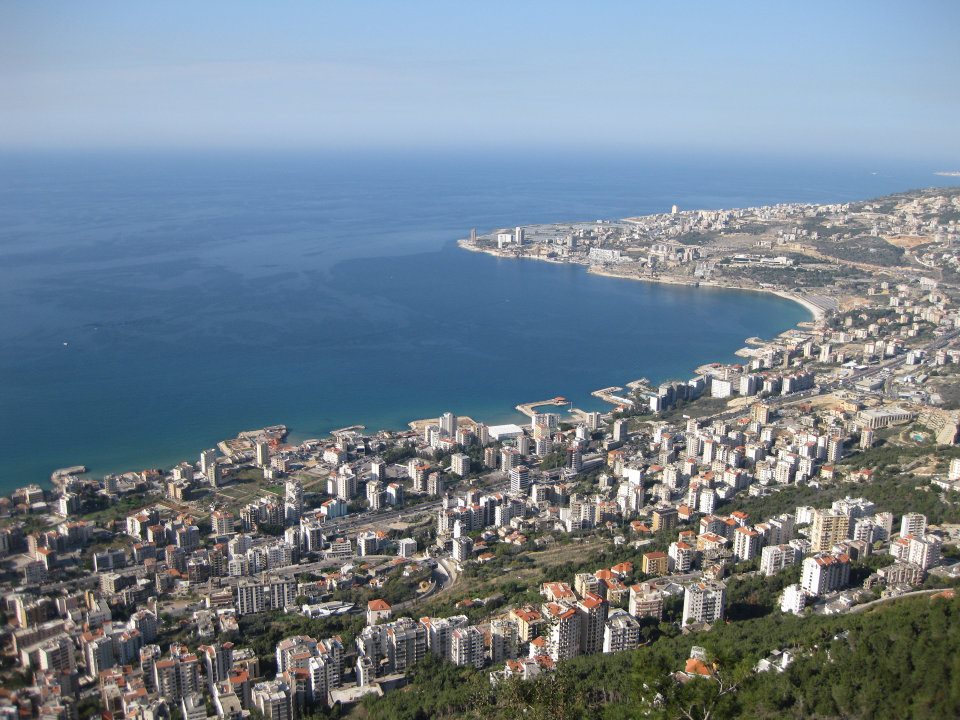
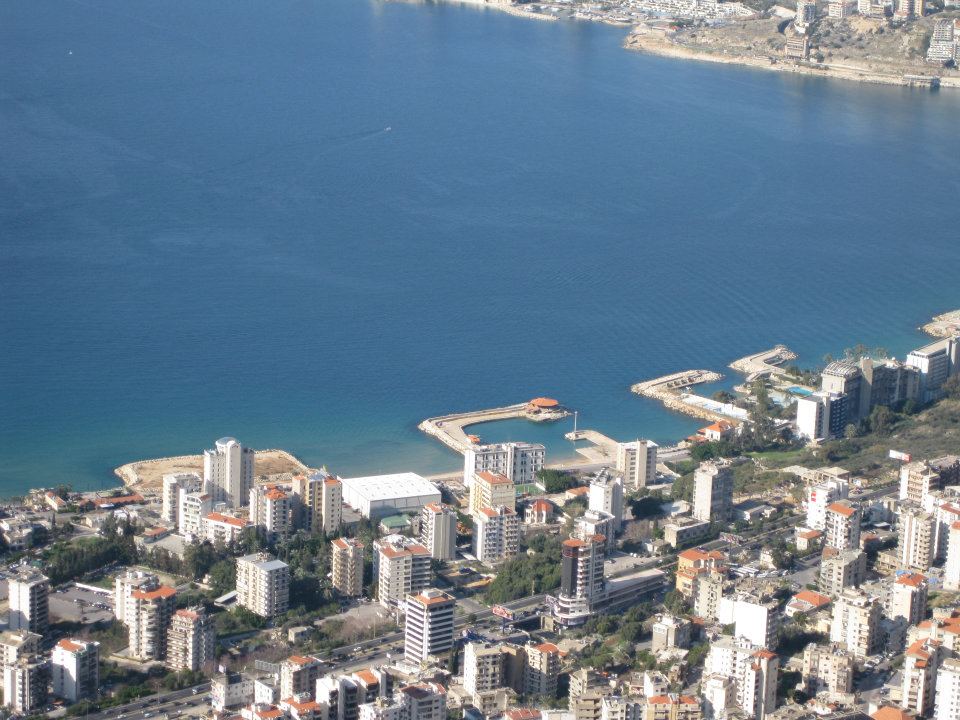
Reaching Harissa is an experience in itself. While it is accessible by road, the most memorable way to ascend is via the Téléférique, Lebanon’s famous cable car system. As I stepped into the gondola, I felt a sense of anticipation. The ascent began, and soon, I was soaring above the lush hills and the shimmering waters of Jounieh Bay. The panoramic views were mesmerizing—the azure Mediterranean stretching into infinity, the coastline dotted with red-roofed houses, and the green slopes of Mount Lebanon.

The cable car ride, lasting about ten minutes, offers visitors a bird’s-eye view of Jounieh’s beauty. As I neared the summit, the towering figure of Our Lady of Lebanon came into sight, her presence commanding and serene against the sky. It was a moment of awe and reverence, the kind that one rarely experiences.

A Sacred Haven: The Shrine and Its Significance
Stepping onto the hilltop, I was enveloped by an atmosphere of tranquillity and devotion. Pilgrims from across Lebanon and the world gathered here, some lighting candles, others lost in silent prayer. The chapel at the base of the statue serves as a spiritual refuge, welcoming visitors of all faiths to seek solace and reflect.

The shrine complex also houses a museum, a cafeteria, and a souvenir shop, making it not just a religious site but a cultural landmark. The annual Feast of the Assumption on August 15 draws thousands of devotees, reinforcing the shrine’s role as a unifying spiritual centre.

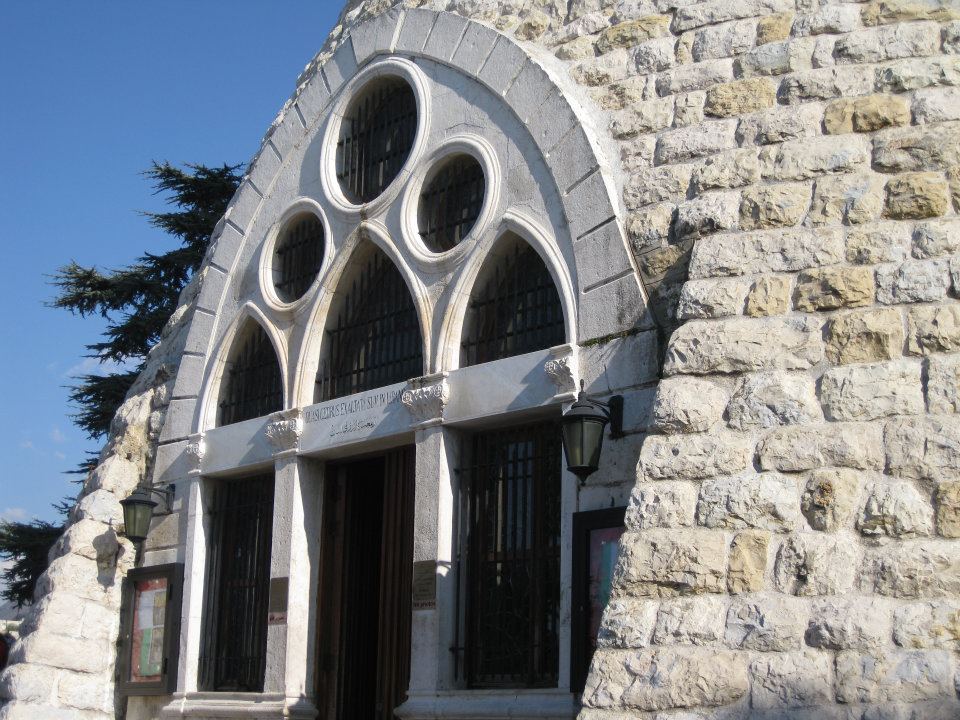
Beyond Faith: The Cedars of Lebanon and Biblical Legacy
Beyond its religious significance, Harissa offers a gateway to Lebanon’s rich natural and historical heritage. Scattered around the shrine are Lebanon’s legendary cedar trees—Cedrus Libani—which have been revered since antiquity.
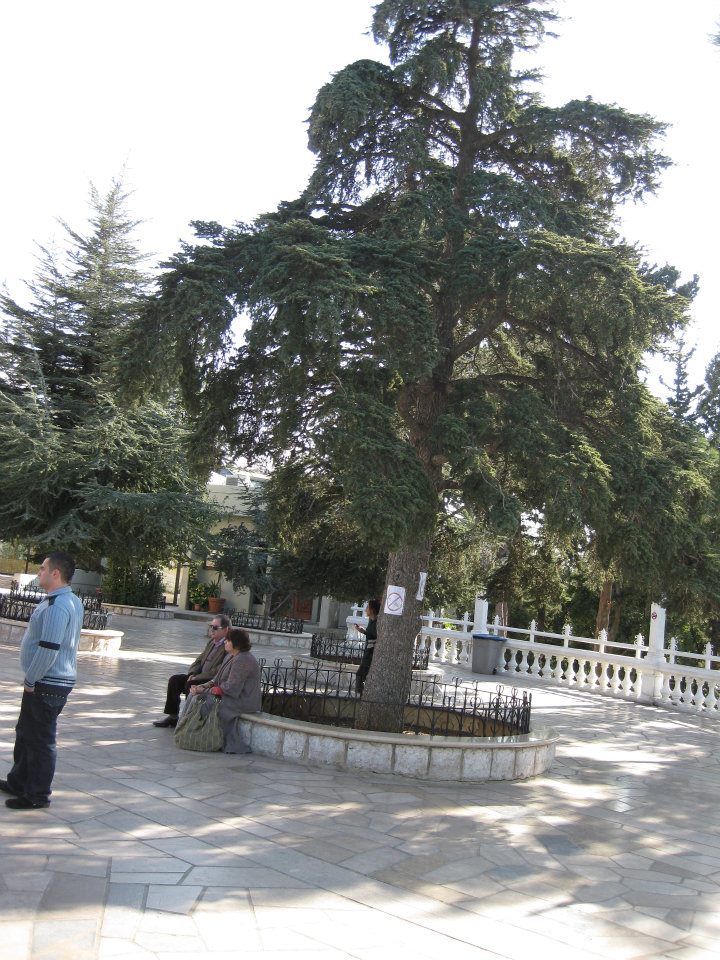
These ancient trees, mentioned 75 times in the Bible, were prized by the Phoenicians for shipbuilding, by the Egyptians for mummification, and even by King Solomon for constructing the Temple in Jerusalem.

Standing beneath these majestic trees, I was reminded of Lebanon’s deep historical roots. Their enduring presence, much like Our Lady of Lebanon, symbolizes resilience, faith, and continuity.
A Lasting Impression: Harissa’s Eternal Charm
As the sun dipped below the horizon, casting a golden glow over Jounieh Bay, I took a final look at the statue of Our Lady of Lebanon. Her silent, outstretched arms seemed to embrace not just Lebanon but all who sought her guidance. My visit to Harissa had been more than just a pilgrimage; it was a journey through Lebanon’s soul, a meeting of history, faith, and breathtaking beauty.
For anyone visiting Lebanon, Our Lady of Lebanon is an unmissable destination. Whether for spiritual reflection, cultural exploration, or simply to admire one of the country’s most stunning views, Harissa remains a timeless beacon of hope, faith, and peace.

Beautifully captured!!
LikeLiked by 1 person
Thanks.
LikeLike
Beautiful statue & lovely site.
LikeLiked by 1 person