
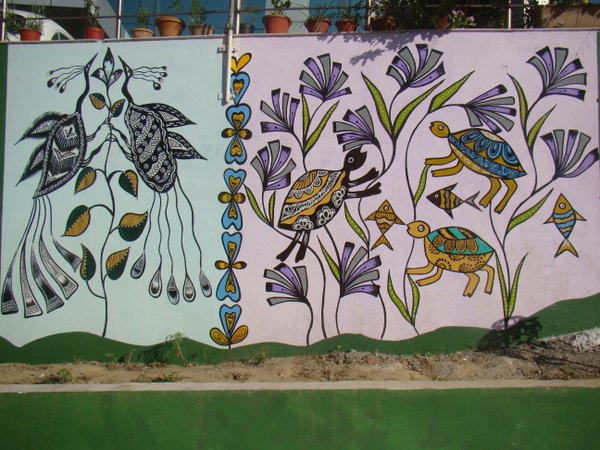
In the heart of Jharkhand’s villages, when the paddy fields have been harvested and the chill of Kartik (October–November) sets in, the tribal communities prepare for one of their most vibrant festivals—Sohrai. For the Adivasis of this region, Sohrai is more than a harvest festival; it is a thanksgiving to nature, cattle, and ancestors, a ritual of renewal, and a celebration of life itself.
The name Sohrai comes from the word soro, meaning “to drive with a stick”—a reference to the ancient pastoral roots of the community. Over centuries, this festival has evolved into a week-long occasion of rituals, painting, music, dancing, and feasting, reflecting the deep interconnection between humans, animals, and the natural world.
Rituals Rooted in Nature
Sohrai begins with the Naike, the village priest, performing rituals in an open ground. Hens are sacrificed, their offerings placed before the deities—Bongas, the spirits of nature. This opening ritual, attended only by men, marks the symbolic invitation to the gods and ancestors to partake in the celebrations.
The Manjhi, the village headman, then formally declares the festival open, and soon after, the air fills with the beats of drums, laughter, and the aroma of festive meals. Rice cooked with the sacrificial offering is shared, binding the community in a sacred act of gratitude.
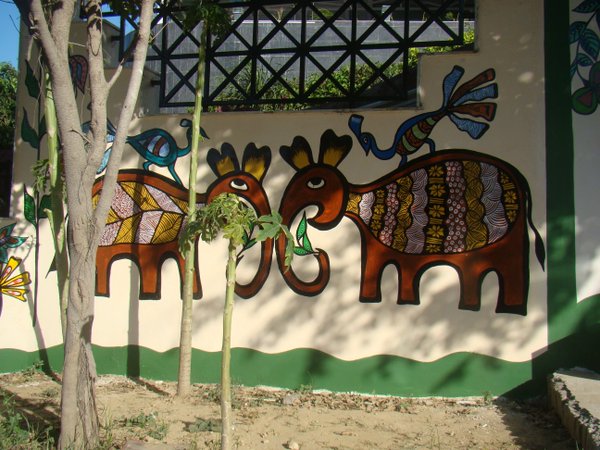
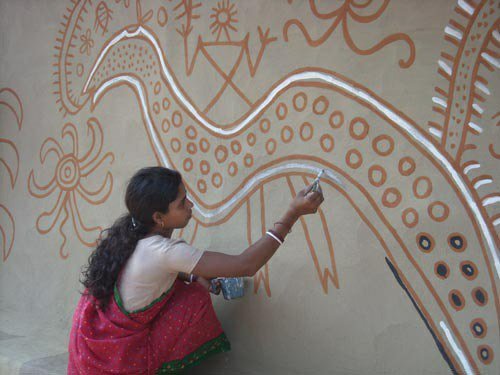
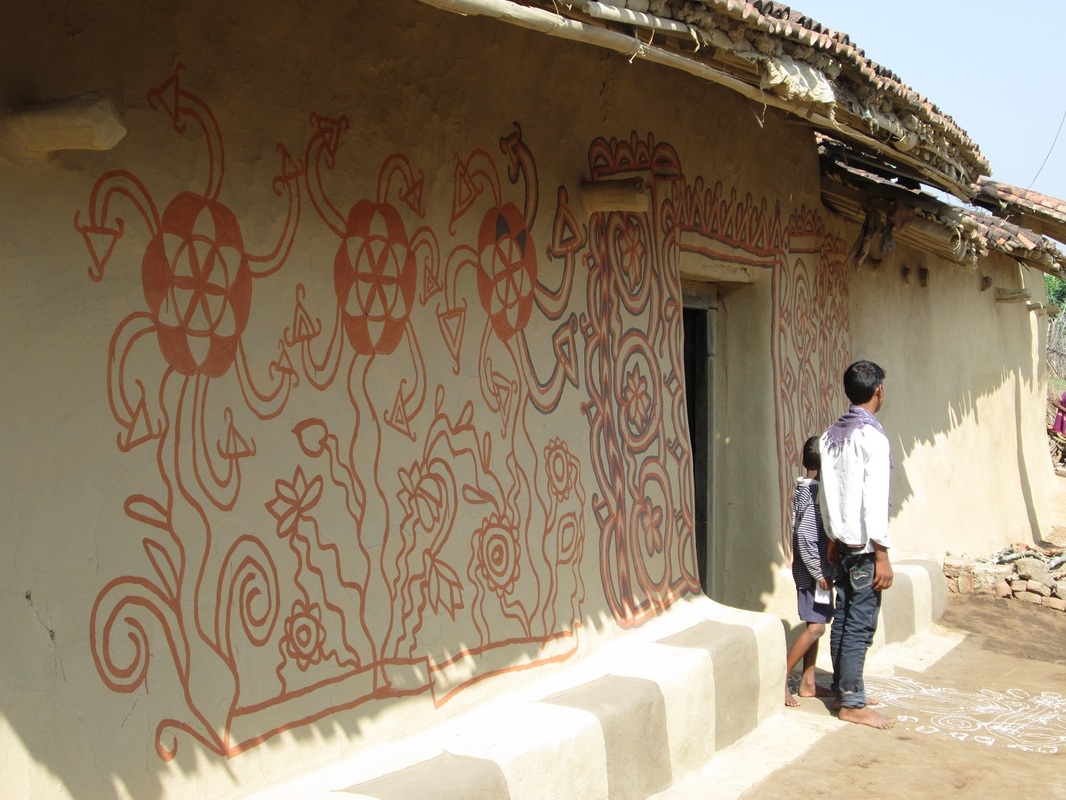
The following days blend rituals with daily life. Cattle, the lifeline of agrarian existence, are at the heart of Sohrai. On the second day, as cattle graze in the fields, women adorn their mud houses with striking Sohrai paintings—a tradition as old as the community itself. These motifs, painted with fingers, twigs, or bamboo brushes, use natural pigments sourced from earth: red ochre, black charcoal, yellow clay, and white rice paste. Animals, birds, flowers, and scenes of everyday life come alive on walls, turning the village into an open-air art gallery.
As dusk falls, diyas are lit in cattle sheds, welcoming the animals back. Their horns are smeared with oil and vermilion, garlands of paddy are tied across their heads, and special prasad is offered. The cattle, seen as symbols of fertility and prosperity, rest while their keepers sing and dance late into the night.
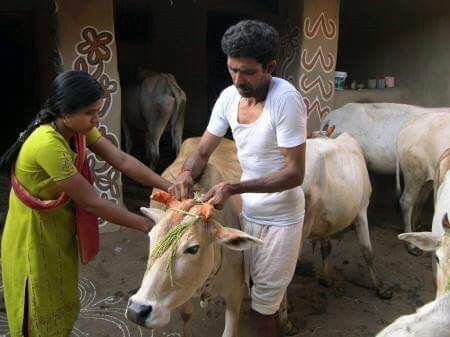
Another day is dedicated to worshipping cattle sheds. Paddy stalks are brought from the fields, attached to the horns of cattle, and the animals are led to open spaces where games and recreational rituals are performed. On the concluding day, men and women come together, and the Manjhi brings the festival to a formal close.
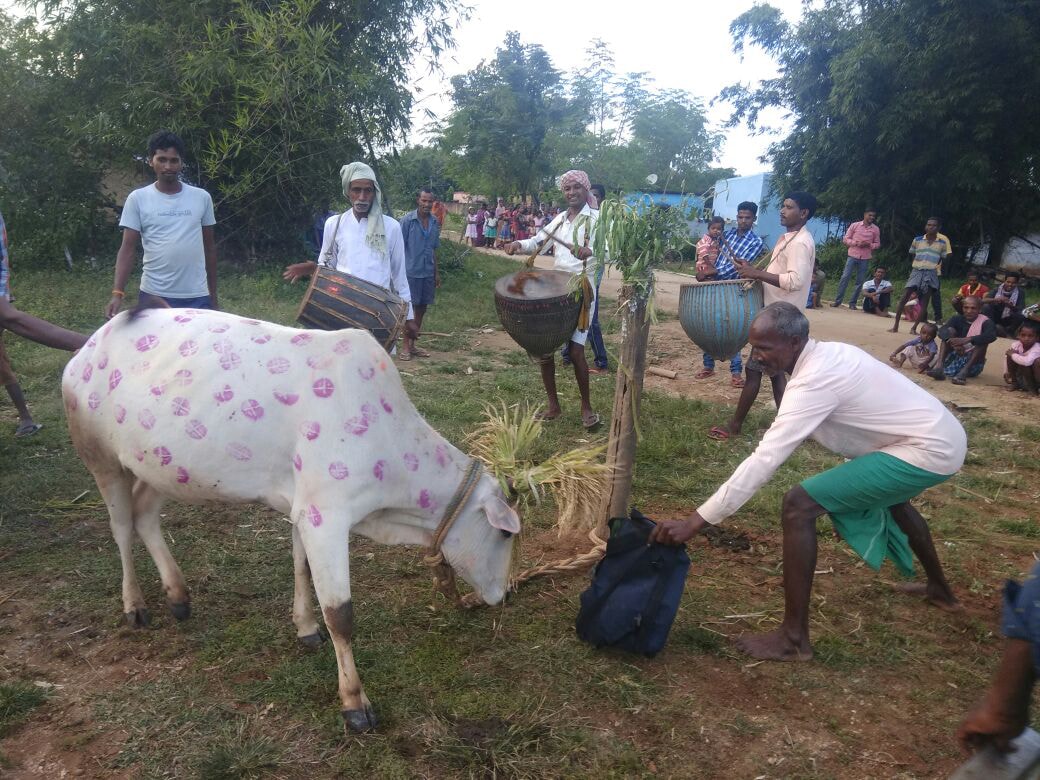
Among the most striking rituals is the Agni Pariksha—the fire test. Cattle leap over a bonfire, believed to purify them and protect against malevolent spirits. It is a spectacular sight, but beyond its drama lies a symbolic act of continuity: the bond between humans and animals, sanctified by fire.
Sohrai Painting: A Visual Delight
If Sohrai rituals are about gratitude, Sohrai art is about storytelling. Passed down from mothers to daughters, this matriarchal art form transforms village huts into canvases of living heritage.
The palette comes entirely from nature—kali matti (black soil), charak matti (blackish rock dust), lal matti (red ochre), pila matti (yellow clay), and dudhi matti (white clay). With brushes made of grass, cloth, or twigs, women paint bulls, peacocks, deer, lotus flowers, and scenes of pastoral life. These motifs are not mere decoration—they are symbols of good fortune, fertility, and protection for the family and harvest.
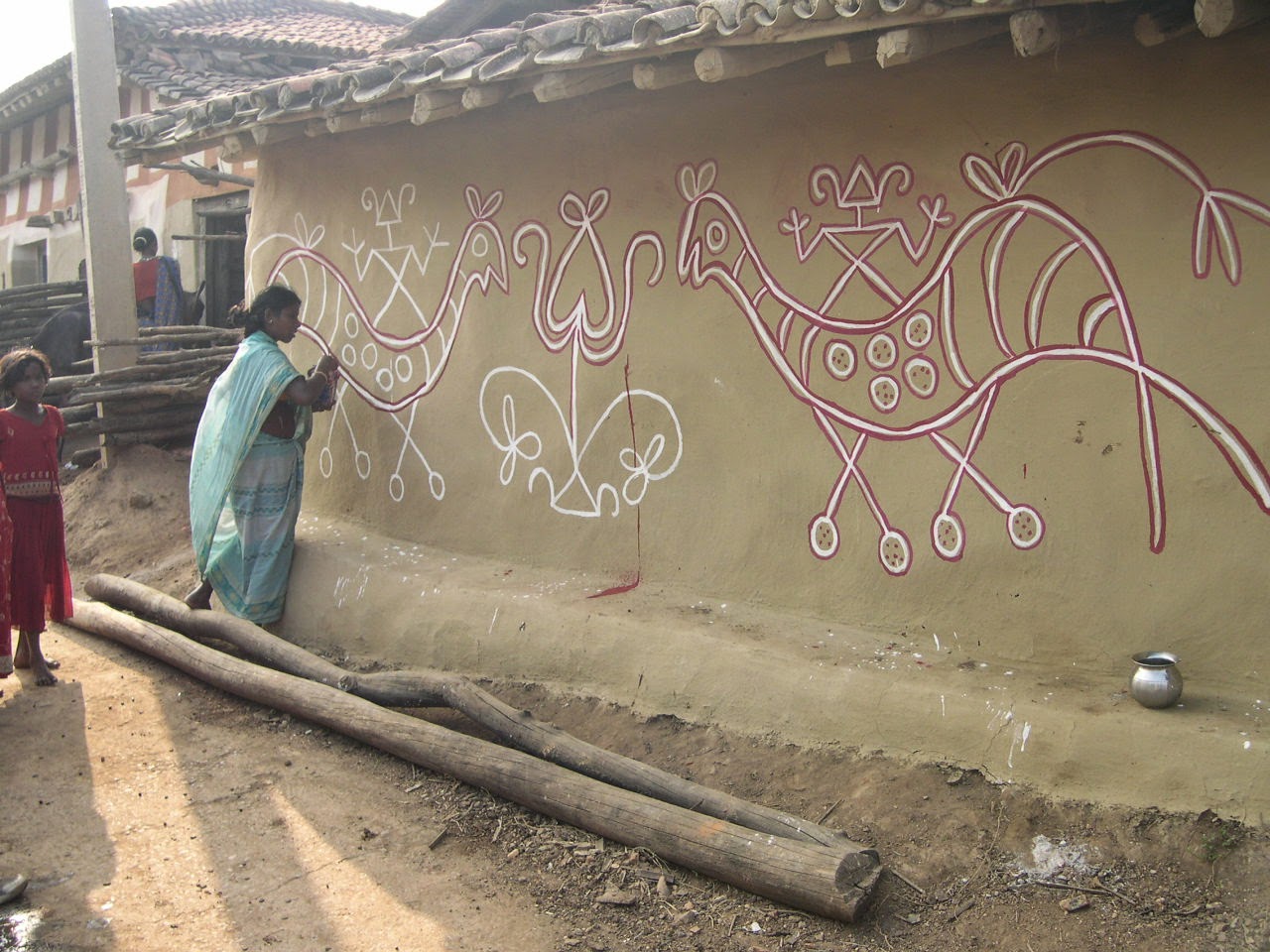
In 2020, Sohrai painting received the Geographical Indication (GI) tag, officially recognising its unique identity and protecting the rights of tribal women artists. But long before that, Sohrai art had quietly carried echoes of prehistory.
Tracing Roots to Ancient Rock Art
The discovery of Isko rock art in Hazaribagh drew a fascinating connection: the motifs carved on rocks between 7000 and 4000 BCE bore striking similarity to Sohrai wall paintings. Bulls, riders, and geometric shapes that once adorned cave walls now appear on mud huts, suggesting an unbroken cultural continuum from the Palaeolithic age to today’s villages.
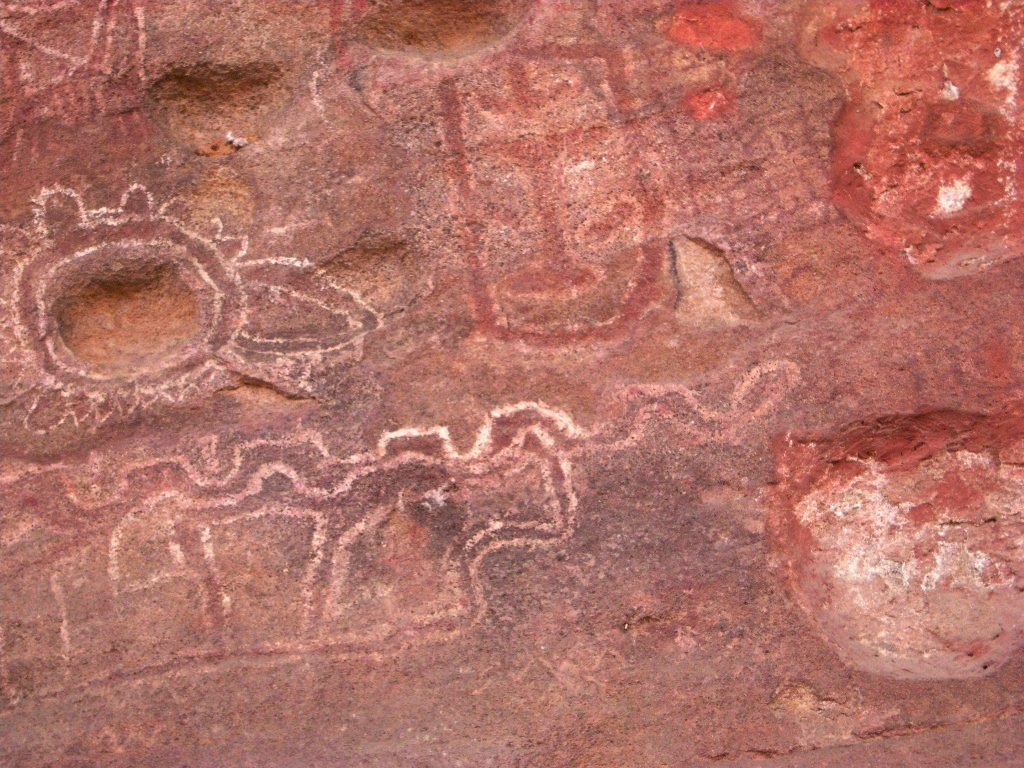
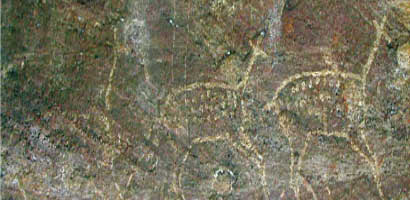
Nearby, caves and stone tools from the Lower and Middle Palaeolithic eras reveal that this region was once a cradle of human creativity. Archaeologists believe Sohrai art is among the oldest living traditions of wall painting in the world. What began as cave art on stone surfaces evolved, over millennia, into seasonal murals celebrating life and harvest.
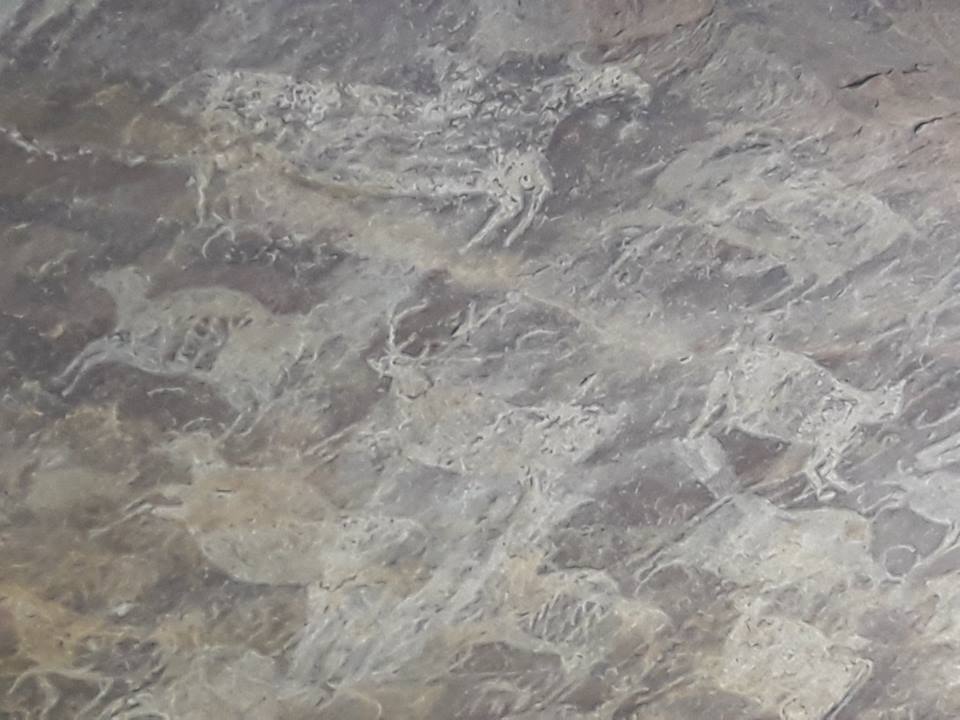
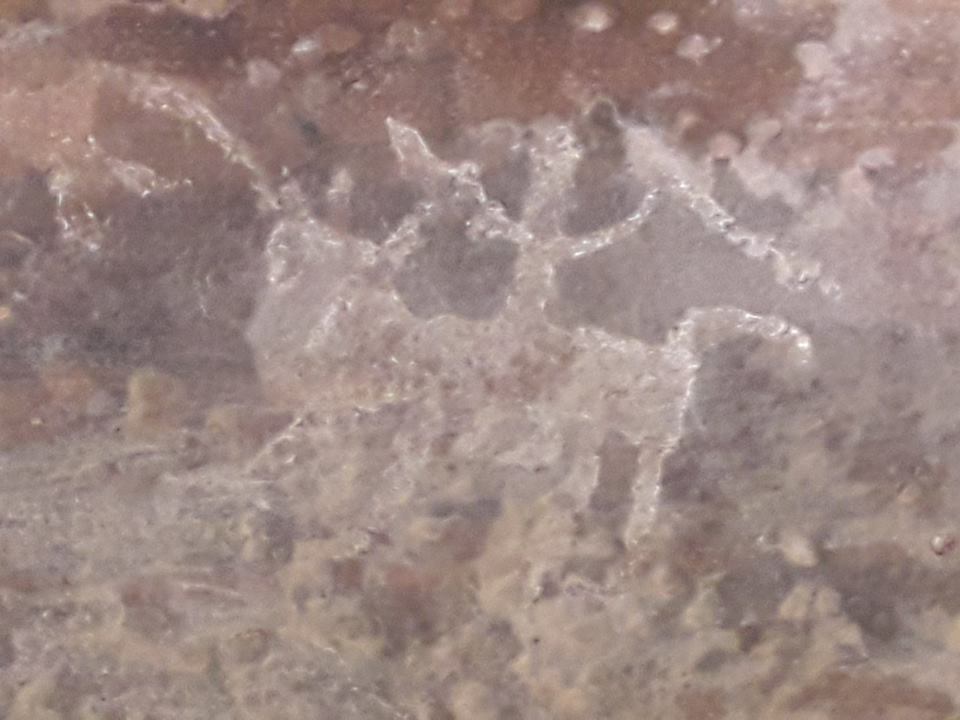
Thus, each Sohrai painting is not just an act of festivity—it is a bridge between prehistoric imagination and contemporary tribal identity.
Music, Dance, & Merrymaking
No festival in Jharkhand is complete without music and dance, and Sohrai is no exception. Tribal communities gather in courtyards and village squares, their songs echoing into the night. Each day has its own set of songs, often improvised, carrying humour, longing, and joy.
The dances—jhumar, chhau, and paika—bring energy and drama, performed to the resonant beats of madal drums. These performances are not staged spectacles for outsiders but organic expressions of community spirit. Alongside, traditional crafts—dokhra metalwork, bamboo craft, wood carving, and pottery—find a space in the festival, enriching its tapestry of creativity.
And of course, no celebration is complete without food and drink. Handia, the traditional rice beer, flows in abundance, binding people in merriment and song.
Myth & Meaning
Behind the rituals lies a mythology that gives Sohrai its spiritual aura. According to Santhal beliefs, Marang Buru (the mountain god), Jaher Ayo (the forest goddess), and the elder sister of the Santhals descend from heaven to visit their brothers during this time.
The vibrant wall paintings are thus offerings of welcome to these celestial visitors—ensuring blessings of prosperity, protection, and harmony.
Sohrai in Contemporary Times
In recent years, the Jharkhand government has taken commendable steps to preserve and promote Sohrai. Ranchi’s boundary walls now showcase Sohrai paintings, bringing the tribal art into the urban gaze. This not only honours the artists but also gives the tradition a chance to thrive in modern contexts.
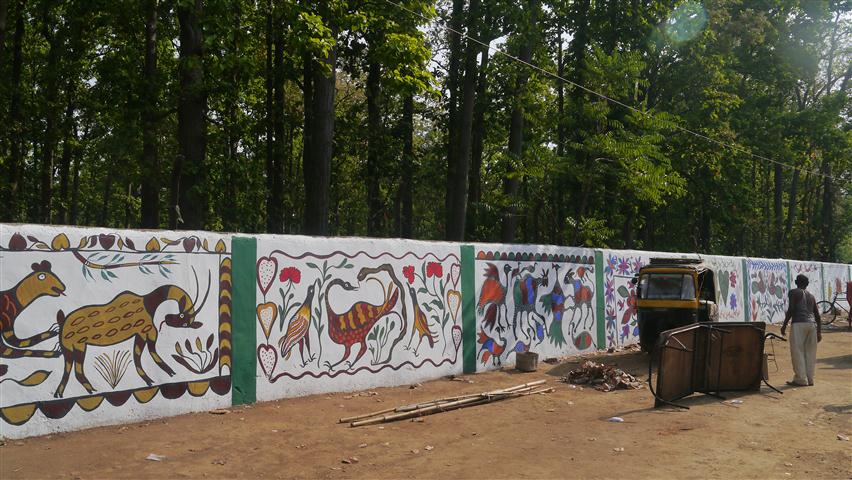
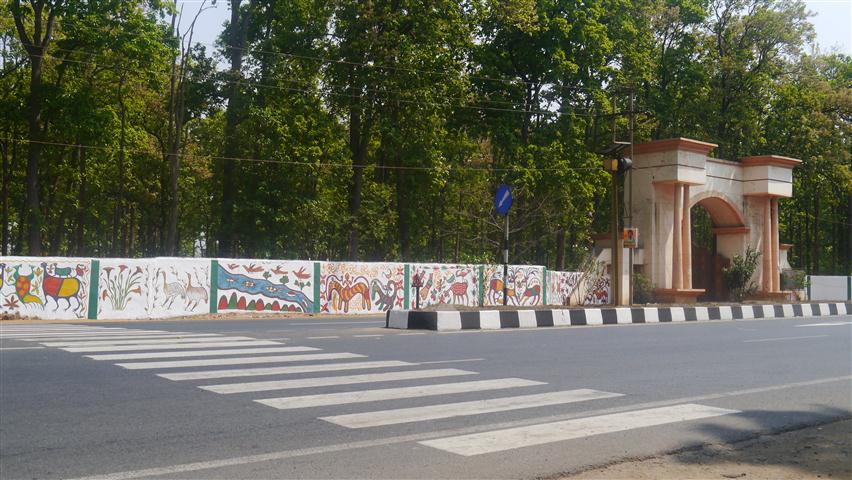
At the same time, NGOs and cultural organisations are working with tribal women to train, market, and exhibit their art worldwide. What was once confined to mud walls is today appearing on canvas, textiles, and even fashion accessories, giving these women both recognition and livelihood.
A Festival Beyond Celebration
Sohrai is not just a tribal festival—it is a living philosophy. It celebrates gratitude to nature, reverence for cattle, respect for ancestors, and a deep awareness of the interconnectedness of all life forms.
It is also a cultural archive, preserving echoes of prehistoric creativity and offering a glimpse into how human communities lived in rhythm with their environment. In its songs, dances, paintings, and rituals, Sohrai stands as a reminder of a worldview where nature, humans, and animals coexist in harmony.
Closing Thoughts
Walking through a Sohrai village during this festival is like stepping into a world where walls breathe art, cattle wear garlands, drums beat through the night, and stories are told through ritual and song. It is both ancient and timeless, rooted in tradition yet alive with joy.
For the tribal communities of Jharkhand, Sohrai is more than festivity—it is identity, heritage, and continuity. For the rest of us, it is an invitation to learn, admire, and honour a culture that has preserved its wisdom across generations.
In celebrating Sohrai, we celebrate the resilience of communities, the creativity of women artists, and the eternal bond between humans and the natural world.
Festivals like Sohrai remind us that heritage is not found only in monuments or museums—it lives in villages, in rituals, in painted walls, and in the rhythm of drums. Sohrai is a call to reconnect with the earth, with gratitude and humility.

A beautiful post and lovely pictures!
LikeLiked by 2 people
Thanks Sunil.
LikeLike
Reblogged this on My space.
LikeLiked by 1 person
A beautiful post. Reblogged it in my Blog. Thanks for sharing.
LikeLiked by 1 person
Thanks for liking and sharing the post. 🙂
LikeLiked by 1 person
Welcome!
LikeLike
Very informative and interesting read.
LikeLiked by 1 person
Thanks Aranjit
LikeLike
Sohrai festival too is new to me. The paintings are bright and colourful.
LikeLiked by 1 person
So lovely knowing about this festival.
And, I am amazed the paintings are so old. Wish you could have added pictures from there too 🙂
LikeLiked by 1 person
I haven’t visited Isko caves personally primarily considering Naxalite activities in the area. But I have plans to visit the caves. One of my uncles stay in Hazaribagh.
LikeLiked by 1 person
Thank you…they look beautiful and so much to learn from them!
LikeLiked by 1 person
Great read I did not know about this festival for cattles!! …. wall painting are lovely here.
LikeLiked by 1 person
Thanks friend for visiting Indrosphere. Yes and the tradition is continuing for thousands of years!
LikeLike
This is unique culture, indeed.
LikeLiked by 1 person
Thanks Vikram and the culture is continuing since stone age. Unfortunately rapid urbanisation is marking end to such millennia-old traditions.
LikeLiked by 1 person
Thanks so much for sharing! I love the pictures, the bright reds are spectacular. Always good to learn about celebrations of others.
LikeLiked by 1 person
Thanks for the interesting info about this!
LikeLiked by 1 person
Thanks for dropping by ☺
LikeLiked by 1 person
Welcome!
LikeLiked by 1 person
I liked it.
LikeLiked by 1 person
Lovely post.
LikeLiked by 1 person
Thanks sir.
LikeLike
hey uncle this is Isha.. daughter of Arup Kumar Bose.. I was doing a research on Shorai Art.. Thanks to you I got some good information 🙂
LikeLiked by 1 person
That’s great. Share with me your research paper once it’s complete. All the best!
LikeLike
Pingback: Khovar — an ancient art – Indrosphere
Hi,
This article is very informative. Great piece of work. My name is Kislay Komal and I have spent 10 years in Jharkhand while doing my schooling from Jamshedpur. Now i am promoting traditional arts and wanted to get connected with the artists of these arts. In case you can help. I put them on global map through my initiative http://www.artsofindia.in. I can be reached on 9880027443.
Thanks
Kislay
LikeLiked by 1 person
Thanks sir, for your effort…but I’m completely disagreeing with your research….off course Sohrae is the most significant festival for Santal but… this festival we don’t celebrate during diwali..this we celebrate after harvest.. approximately in the month of January..the date is decided by village people…this festival goes more than five days..
LikeLiked by 1 person
Thanks for your feedback and I am updating the post.
Sohrai is a winter harvest festival and one of the most important festivals of santhals. They pay homage to their gods and their ancestors as a thanksgiving for their crops, their cattle, their ploughs, and everything that has helped them to attain the harvest.
Sohrai is mainly celebrated at the beginning of winter harvest, when the paddy has ripened, on the new moon day (amabasya) of the Bengali month of Kartik, coinciding with Diwali or Kali puja. In some regions, celebrations take place at the end of the winter harvesting mid January (around the end of Bengali month Poush), after they have reaped and threshed their paddy.
Thank you, Hanja.
LikeLike
Beautiful wall murals and art! Love it.
LikeLiked by 1 person
Pingback: KHOVAR – Madhvi Arts
The Santals are the second-largest ethnic group among the indigenous people living in Bangladesh. They prefer to call themselves “Santal”.
They call each other “Har.” Har means man. The aborigines are native to Chhota Nagpur in India and the hills and vast areas of Assam. They live in Rajshahi, Natore, Naoga, Chapainawabganj, Bogra, Dinajpur, Rangpur, Pabna, and the other north-western districts.
for more read https://cinebuzztimes.com/santal-festival-sohrai/
LikeLiked by 1 person
Nice post, Tuhin, I didn’t know that there are so many Santals are in Bangladesh. Thanks.
LikeLike
Pingback: Ancient Varli Art: A Glimpse into the Rich Cultural Heritage of India – Indrosphere